Riding a Level B Road in Spring
Ah, spring in Iowa! The snow is melting, the creeks are rising, and those beautiful, sometimes intimidating, Level B roads are calling to every ATV and UTV enthusiast. It's a natural urge to want to hit those muddy trails as soon as the weather warms up, but there's a lot more to safely and legally navigating a Level B road in spring than just firing up your machine. This guide is here to walk you through what these roads really are, the unique challenges spring brings, how to prepare, and most importantly, how to ride them responsibly and within Iowa's guidelines.
What Exactly is an Iowa Level B Road?
When you hear "Level B road," it often conjures images of wild, unkempt trails, perfect for off-roading. And while they certainly can be that, it's crucial to understand their true nature in Iowa. These aren't designated OHV trails; they are, in fact, public roads, just with a very specific classification.
The Legal Definition and "Minimum Maintenance" Reality
In Iowa, Level B roads are officially categorized as "minimum maintenance roads" by the county. This designation isn't just a suggestion; it carries legal weight. What it means is that the county, while still having jurisdiction, is only required to maintain them to a bare minimum standard. Think about it: they might grade them once a year, or maybe just clear fallen trees. You won't find regular snow plowing, ditch maintenance, or even culvert repairs. They often lack proper signage, are not necessarily graveled, and can quickly become overgrown or impassable depending on the weather and season.
The frustration for many riders comes from this duality: they are roads, so certain rules apply, but they certainly don't look or feel like the paved or well-maintained gravel roads we're used to. This "minimum maintenance" status often translates to a riding experience that feels much more like off-roading than typical road use, especially in the spring. You might encounter deep ruts from previous vehicles, washed-out sections, or areas completely submerged under seasonal water. The key takeaway here is that despite their appearance, they are not a free-for-all; they're public thoroughfares with unique characteristics and inherent challenges.
Why Level B Roads Exist in Iowa's Rural Landscape
Iowa's landscape is incredibly diverse, but it's fundamentally rural, covered in farmland, timber, and winding waterways. Level B roads are often relics of an older time, once vital connections between farms or small communities that have since been bypassed by more modern, well-maintained routes. They typically serve very few residences or provide access to remote agricultural fields or private timberland. Maintaining every single mile of county road to a high standard would be an astronomical cost for local governments, especially for roads with almost no traffic.
So, Level B roads are a pragmatic solution. They keep public access technically open, often for landowners who still need to reach their property, while minimizing the financial burden on taxpayers for rarely used routes. They weave through dense timber, follow meandering creek beds, or cut across fields, often creating some of the most scenic and challenging routes you can find. For ATV and UTV riders, they offer a taste of adventure right in our backyard, providing varied terrain that feels far removed from the everyday. They're a testament to Iowa's agricultural heritage and the ingenuity of local governments in balancing access with fiscal responsibility.
The Allure and Dangers of the Unmaintained Path
There's no denying the pull of a Level B road, particularly in spring. The promise of untouched mud, challenging terrain, and the feeling of exploration can be incredibly enticing. These roads offer a unique opportunity to test your machine and your skills in a natural environment, often surrounded by the awakening beauty of Iowa's spring landscape. You might see deer, wild turkeys, or a variety of waterfowl as you navigate these less-traveled paths.
However, this allure comes hand-in-hand with significant dangers, especially when the ground is soft and wet from winter's thaw and spring rains. The "unmaintained" nature means there are no guarantees. Culverts might be washed out, creating sudden, deep holes. Large rocks or fallen branches could be hidden under puddles. The very mud that attracts riders can become a formidable trap, leading to rollovers or getting hopelessly stuck. It's easy to underestimate the power of a soft, muddy track, and it can quickly turn a fun outing into a serious predicament. Preparing yourself mentally for these challenges, and respecting the raw power of nature on these roads, is paramount for a safe adventure.
Navigating the Challenges of Spring on Level B Roads
Spring is a season of rebirth, but it's also a time of significant transition and often, very challenging conditions for off-road enthusiasts. The ground, saturated from melted snow and frequent rains, combined with fluctuating temperatures, creates a unique environment on Level B roads.
The Unique Joys and Pitfalls of Spring Mud
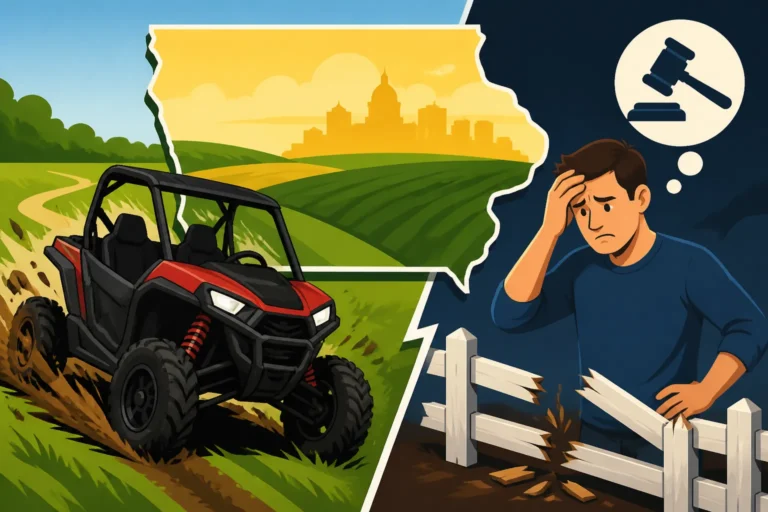
Oh, the mud! For many ATV and UTV riders, spring mud is the holy grail. It's a chance to truly test a machine's traction, power, and ground clearance. There's a certain thrill in churning through a deep section, feeling the tires bite, and emerging triumphant on the other side. Iowa mud, particularly the clay-rich variety, can be incredibly thick, sticky, and deceptively deep. It's often referred to as "gumbo" for a reason – it clings to everything, packs into tire treads, and makes steering a genuine workout.
But the pitfalls are just as significant. What looks like a shallow puddle can conceal a bottomless pit of muck that will swallow your machine whole. Getting stuck in heavy spring mud isn't just an inconvenience; it can be dangerous, especially if you're alone or unprepared. The effort required to recover a stuck machine can be immense, and it's easy to overexert yourself or cause damage to your ATV/UTV in the process. Riding a Level B Road in Spring means encountering mud that hasn't seen sunlight in months, often mixed with decaying leaves and organic matter, making it even more unpredictable. It's a time for caution, not just pure throttle.
Water Crossings and Hidden Hazards After the Thaw
Spring also means water, and lots of it. Runoff from melting snow and heavy rains often turns small trickles into significant water crossings on Level B roads. What was a dry creek bed in late fall might now be a rushing stream. The concern isn't just the depth of the water, which can easily exceed your machine's capabilities and even flood critical components like your airbox or electrical system. It's also about what the water hides.
Beneath the surface, there could be submerged logs, large rocks, or deep ruts carved out by previous flows. A wash-out could have created a sudden, vehicle-swallowing drop-off just out of sight. The banks of these crossings can also be extremely soft and prone to collapsing, making entry and exit treacherous. It's vital to assess every water crossing carefully, walk it if you're unsure, and always assume there are hidden dangers. You might consider a snorkel kit for your machine if you plan on frequent deep water adventures, but even then, discretion is the better part of valor. Remember, rivers and creeks are powerful, and [Iowa's Weather-Driven Trail Closures] sometimes apply to even these public ways if conditions become too hazardous.
Protecting Your Machine and the Environment
Riding in spring conditions puts immense stress on your ATV or UTV. The relentless mud and water can quickly clog radiators, seize bearings, and corrode electrical connections. Your drivetrain, suspension, and brakes will work harder than at any other time of year. After a spring ride, a thorough cleaning is non-negotiable, followed by lubrication and inspection of all moving parts. Neglecting this post-ride maintenance can lead to costly repairs down the line. Many riders turn to aftermarket parts from companies like SuperATV for enhanced durability, like stronger axles or heavy-duty skid plates, knowing the abuse their machines will take in these conditions.
Equally important is protecting the environment. Level B roads are part of a delicate ecosystem, and irresponsible riding, especially in wet conditions, can cause significant damage. Excessive wheel spin in deep mud can widen ruts, accelerate erosion, and damage vegetation along the shoulders. Driving off the established roadbed, even slightly, can create new, unauthorized trails and lead to severe environmental degradation. Remember, you're a guest in these natural spaces. Sticking to the designated path, even if it's muddy, helps preserve these areas for everyone and maintains a positive image for the riding community. Riding responsibly means understanding that [Trail Damage From Riding Too Wet] isn't just an inconvenience; it's a real problem for landowners and conservation efforts.
Essential Gear and Riding Practices for Spring Level B Adventures
Successfully tackling Iowa's Level B roads in spring requires more than just a powerful machine. It demands careful preparation of both your ATV/UTV and yourself, alongside a disciplined approach to riding.
Outfitting Your ATV/UTV for Mud and Water
If you're serious about spring Level B road riding, a few machine upgrades can make a world of difference.
- Tires: This is probably the most crucial upgrade. Stock tires are rarely sufficient for heavy mud. Look for aggressive, open-lugged mud tires that can clear mud effectively and provide maximum traction. Make sure they are appropriate for your machine's weight and power.
- Winch: A high-quality winch is not optional; it's essential. You will get stuck. A winch, along with proper rigging (tree saver strap, shackles, snatch block), is your best friend for self-recovery or helping a buddy. Ensure it's rated for at least 1.5 times your machine's weight.
- Skid Plates and A-Arm Guards: The hidden hazards in spring mud and water can wreak havoc on vulnerable undercarriage components. Heavy-duty skid plates protect your frame, engine, and drivetrain, while A-arm guards shield suspension components from rocks and debris. Brands like SuperATV offer robust options specifically designed for aggressive riding.
- Snorkel Kit: If you anticipate deep water crossings, a snorkel kit raises your engine's air intake and CVT exhaust/intake points above the water line, significantly reducing the risk of hydrolocking your engine or ruining your belt.
- Lighting: Many Level B roads are tree-covered and can be quite dark, even in daylight. Upgraded LED light bars or auxiliary lights can greatly improve visibility, especially when assessing trail conditions.
- Recovery Gear: Beyond the winch, carry a tow strap (kinetic rope is even better), shackles, a shovel, and maybe even a Hi-Lift style jack if your machine allows. Always have a small toolkit for on-the-fly repairs.
| Gear Item | Purpose | Why It Matters in Spring |
|---|---|---|
| Aggressive Mud Tires | Maximize traction, shed mud effectively | Prevents getting hopelessly stuck in Iowa's thick spring mud. |
| Winch & Recovery Kit | Self-recovery, assisting others | Essential for getting unstuck from deep ruts and water crossings. |
| Skid Plates | Protect underside from impacts | Guards against submerged rocks, logs, and washouts. |
| Snorkel Kit | Raises air/CVT intake points | Prevents engine damage from deep water crossings. |
| Auxiliary Lighting | Improved visibility | Helps spot hidden hazards in shaded, overgrown, or dark areas. |
| Tow Strap/Kinetic Rope | For pulling or being pulled | Crucial when a winch isn't enough or for a quick assist. |
| Shovel | Digging out stuck tires | Often needed to clear mud from around tires for recovery. |
Personal Gear for the Iowa Spring Rider
Don't forget about yourself! Staying comfortable and safe is vital for an enjoyable spring ride.
- Waterproof Gear: A good quality waterproof jacket and pants are non-negotiable. You'll encounter splashes, rain, and probably fall in some mud. Waterproof gloves and boots are equally important to keep your hands and feet dry and warm.
- Helmet and Goggles: Mandatory for safety, and especially important in muddy conditions to protect against flung mud, branches, and impacts. Goggles are essential for maintaining visibility when mud is flying. [Iowa Helmet Law for ATV Riders] isn't strict on public roads, but at OHV parks, helmets are almost always required.
- Layered Clothing: Iowa spring weather can change in an instant. Dress in layers so you can add or remove clothing to adapt to temperature fluctuations. Avoid cotton, which holds moisture and can make you cold; opt for synthetic moisture-wicking fabrics.
- Communication Device: A fully charged cell phone (in a waterproof bag) is crucial for emergencies. Consider a satellite messenger for areas with no cell service.
- Navigation: A GPS device or a reliable GPS app on your phone (with downloaded offline maps) is invaluable. Level B roads are often unmarked and can be confusing.
- First Aid Kit: Always carry a well-stocked first aid kit, and know how to use it.
- Snacks and Water: Hydration is key, even on cooler days. Carry plenty of water and some high-energy snacks.
Smart Riding Techniques for Treacherous Conditions
Spring riding is about finesse and experience, not just brute force.
- Scout Ahead: Before plunging into a deep mud pit or water crossing, stop and assess. If possible, walk the section to understand depth, bottom conditions, and potential obstacles. Look for alternative lines if the direct path seems too risky.
- Maintain Momentum (But Not Recklessly): In mud, consistent, controlled momentum is often better than trying to power through from a standstill. However, "pinning it" blindly can lead to loss of control, rollovers, or slamming into hidden obstacles. Find that sweet spot of enough throttle to move forward without losing traction or stability.
- Use Low Gear: For challenging sections, engaging 4WD (if applicable) and selecting a low gear gives you more torque and better control at slower speeds.
- Stay Balanced: Keep your body active on the machine. Shift your weight to maintain balance and traction, leaning into turns or shifting back to lift the front end over obstacles.
- Ride With a Buddy: Never ride alone in spring conditions on Level B roads. Having another machine and another person to help with recovery or in an emergency is paramount.
- Know Your Limits: Both yours and your machine's. Don't attempt obstacles that are clearly beyond your skill level or your ATV/UTV's capabilities. There's no shame in turning around or finding an alternate route. Sometimes, the most adventurous choice is the safest one.
- Respect the Mud: While many enjoy splashing in the mud, recognize that excessive rutting and unnecessary environmental disruption can lead to negative perceptions of ATV riders. [Iowa Rules for Riding Off the Trail] are always important to remember.
Staying Legal and Responsible on Iowa's Level B Roads
Even though Level B roads feel wild and remote, they are still subject to Iowa's laws concerning off-highway vehicles. Ignoring these rules can lead to fines, citations, and a bad name for the riding community.
Iowa's ATV Road Rules Still Apply Here
This is where the confusion often lies. Because Level B roads are public roads, the same basic rules that apply to [Riding an ATV on Iowa Roads] for standard gravel or secondary roads largely apply here too.
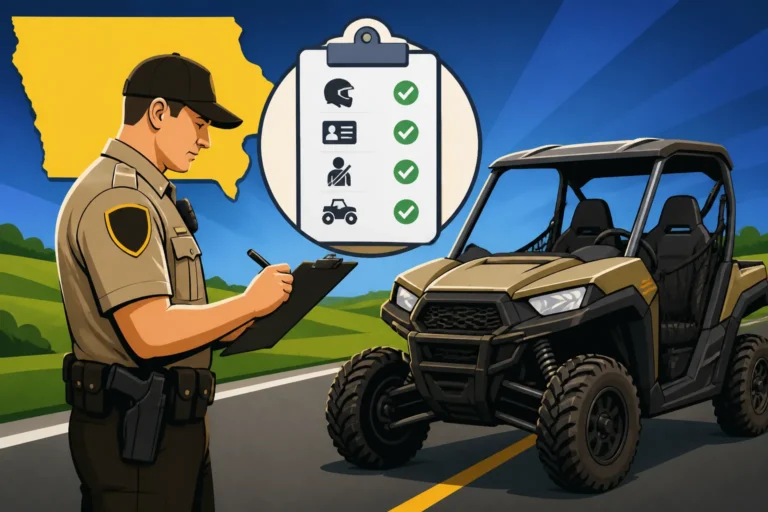
- Registration and Decal: Your ATV or UTV must be properly registered with the Iowa DNR, and you must display a current registration decal. This is non-negotiable for riding on any public land, including Level B roads. [Registering an ATV in Iowa] is your first step.
- Driver's License and Age: If you are operating an ATV or UTV on a Level B road, you must possess a valid driver's license and be at least 18 years old. Minors under 18, even with a safety certificate, are generally not permitted to operate OHVs on public roads in Iowa. [Iowa Minimum Age to Ride a Road] is clearly defined.
- Insurance: Iowa requires all ATVs and UTVs operated on public roads to carry liability insurance with minimum coverage limits. Always carry proof of insurance. [Iowa ATV Insurance Requirement] is a serious matter, and fines for non-compliance can be steep.
- Equipment: Your machine must be equipped with a headlight (on at all times), a taillight, a horn, and at least one rearview mirror. A slow-moving vehicle (SMV) triangle is also required on the rear. While you might not encounter much traffic on a Level B road, these safety requirements are still in effect.
- Speed Limits: Even without posted signs, the general speed limit for ATVs on public roads in Iowa is 35 mph. On a Level B road in spring, this limit often feels ridiculously fast given the conditions, but it's important to be aware of the legal maximum. Common sense should dictate a much slower speed.
- Most Direct Route: If you're using a Level B road to connect to private land or another trail, Iowa law often implies a "most direct route" principle, meaning you shouldn't be aimlessly joyriding for extended periods if your intent is simply to get from one point to another.
Ignoring these rules just because the road feels "unmaintained" is a common mistake that can lead to a roadside stop with a county deputy or a state conservation officer.
Respecting Property and Preventing Trespass
Level B roads often traverse through or along private property, including farmland and timberland. It's incredibly easy to inadvertently trespass if you're not paying close attention. Even if a field looks fallow or a patch of woods seems abandoned, it almost certainly belongs to someone.
- Stay on the Road: The most crucial rule: stay on the designated Level B road itself. Do not venture off the road into adjacent fields, timber, or ditches unless you have explicit, written permission from the landowner.
- Fences and Gates: Treat all fences and gates as clear indicators of private property. Do not open gates unless absolutely necessary for the road, and always close them behind you. Never cut fences.
- Look for Markers: While Level B roads might lack official signs, look for property boundary markers, "No Trespassing" signs, or even subtle changes in land use that indicate private property.
- Be Aware of Agricultural Operations: Spring is planting season in Iowa. You might encounter tractors, planters, or other large farm equipment trying to access fields via the Level B road. Give them ample space, be courteous, and anticipate their movements.
- Leave No Trace: Pack out everything you pack in. Don't litter, and don't damage vegetation or leave ruts in areas that aren't part of the road. This respectful behavior goes a long way in fostering good relationships with landowners who share the landscape with riders. [Iowa Rules for Riding Private Land] always prioritize landowner permission.
When to Hold Back and Why It Matters
There are times, especially in spring, when the most responsible decision is to simply stay home or choose an alternative riding location.
- Excessive Rain: If Iowa has just experienced a major rainfall event, or if it's currently raining heavily, Level B roads will be saturated. Riding in these conditions can cause severe rutting, erosion, and damage that can take months or even years to heal. [Iowa Riding After Heavy Rain] is often best avoided.
- Trail Closures: While Level B roads aren't typically "closed" in the same way designated OHV parks are, common sense and a respect for the land should guide your decision. If conditions are so bad that you're creating massive ruts or getting stuck repeatedly, it's a sign that the road is too wet to ride responsibly.
- Your Skill Level: Be honest about your own riding abilities. Spring Level B roads are not for beginners. If you're new to the sport or not confident in your mud/water crossing skills, consider waiting for drier conditions or riding with highly experienced companions.
- Equipment Limitations: If your machine isn't properly equipped with mud tires, a winch, or adequate protection, don't push its limits on a treacherous Level B road. The risk of damage, injury, or getting stranded simply isn't worth it.
Making the call to hold back, even when the urge to ride is strong, demonstrates a true commitment to responsible riding. It protects the environment, prevents damage to your machine, ensures your safety, and helps maintain the fragile privilege we have to access these unique parts of Iowa. After all, the fun of riding is always secondary to safety and stewardship.
Disclaimer
This article is for general informational purposes only and does not constitute professional advice. Laws, prices and regulations vary by location and change over time. Consult a qualified professional for guidance on your specific situation.