What an Iowa Deputy Checks Roadside
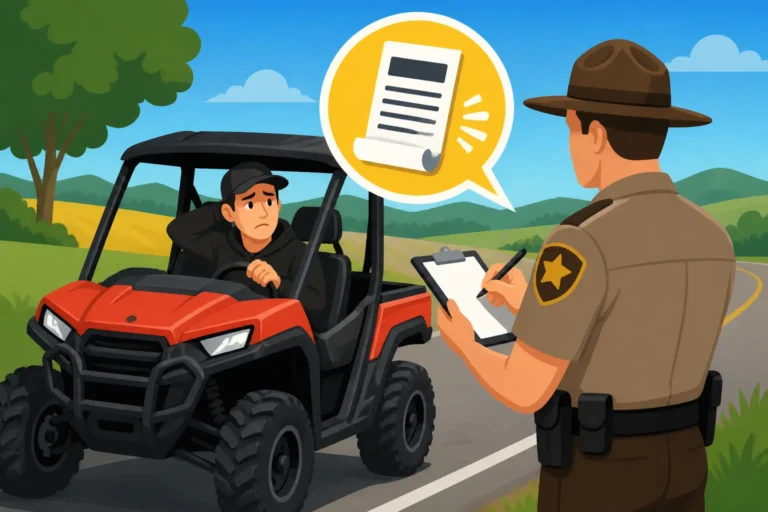
It's happened to all of us who love hitting the trails or just need to run down the gravel road to a neighbor's place on our ATV or UTV in Iowa. You’re riding along, minding your own business, maybe enjoying the crisp air, and then you see it: those flashing lights in your rearview mirror. Your heart sinks. Even if you think you’re doing everything right, that moment of uncertainty can be really unnerving. What exactly is an Iowa deputy looking for when they pull over an off-highway vehicle (OHV) on a public road? This guide is here to help you understand precisely what checks an Iowa deputy conducts during a roadside stop, so you can ride with confidence and keep yourself in the clear.
Understanding Iowa's Road Use Laws for ATVs and UTVs
Before we dive into what a deputy checks, it’s absolutely essential to grasp the framework of Iowa’s laws regarding ATV and UTV use on public roads. Iowa isn't like some states where OHVs are almost entirely banned from paved roads. We have specific, sometimes nuanced, rules that allow us to utilize certain road types for transportation, but always with strict conditions. It’s not a free-for-all, and understanding these fundamental principles is your first line of defense against a citation.
The "Most Direct Route" Principle
One of the most crucial concepts in Iowa's OHV road use laws is the "most direct route" principle. This isn't just a suggestion; it's a legal requirement. When you leave private property or an approved OHV park and enter a public road, you are expected to take the shortest, most efficient path to your destination – whether that's another piece of private land, a specific business, or an official trail system. You can't just be out for a joyride on the county gravel roads, aimlessly cruising. The deputy's primary concern might be to establish your intent. Are you genuinely using the road for permitted access, or are you just using it as your personal playground? Imagine you’re at your farm and need to get to a field two miles down the road. You can take your UTV, but you must take the most direct path. If you detour to show off your new SuperATV accessories to a friend three miles in the opposite direction, you've likely violated this rule. The intent is always to limit public road exposure to legitimate transportation needs, not recreational cruising. [The Most Direct Route to an Iowa OHV Park]
Permissible Road Types
Iowa law meticulously defines which types of roads are open to ATVs and UTVs and under what conditions. This is where a lot of riders get confused, and it’s a key area a deputy will scrutinize. Generally, unpaved secondary roads (our good old gravel and dirt county roads) are fair game, provided you adhere to other rules like the "most direct route." However, paved secondary roads and city streets are a different story entirely. For these, the county Board of Supervisors or the city council must have passed an ordinance specifically allowing OHV use. This means a paved road in one county might be legal, while an identical paved road just across the county line could land you a ticket. State highways are largely off-limits, with very few exceptions for crossing at intersections. A deputy will know their local ordinances inside and out. If you’re riding on a paved road, they’ll want to know if it’s authorized. It's on you, the rider, to know which roads are permitted in your area of travel, so don’t assume. [Unpaved County Secondary Roads in Iowa], [Paved Secondary Roads and County Authorization], [City Streets and Iowa Council Authorization]
Speed and Time Restrictions
Beyond the "where," Iowa also dictates the "how" and "when" you can operate an OHV on public roads. The speed limit for ATVs and UTVs on any public road where they are allowed is strictly 35 mph. This isn't just a suggestion; it's the law, regardless of the posted speed limit for cars. Exceeding this limit is a surefire way to catch a deputy's attention and receive a citation. Furthermore, while the law doesn't explicitly restrict all road use to daylight hours, your vehicle must be equipped with proper lighting if you're riding after sunset or before sunrise, or during periods of low visibility. For agricultural purposes, there's a specific exemption allowing operation from sunrise to sunset, and even beyond for tasks like moving between fields, but again, adequate lighting is paramount. A deputy pulling you over might observe your speed or question your route and lighting if it's dark, verifying you're within these operational constraints.
The Core Documents Every Rider Needs
When an Iowa deputy signals you to pull over, one of their immediate actions will be to request your documentation. This is standard procedure for any vehicle stop, and OHVs are no exception. Having your papers in order is non-negotiable and can often make the difference between a quick check and a prolonged, stressful interaction. Think of it like carrying your wallet – it just needs to be there.
Registration and Decals
Every ATV or UTV operated on public land, including roads, in Iowa must be registered with the state, unless it falls under a specific exemption like being used strictly as an implement of husbandry within a certain distance of the farm. For most recreational riders, this means you need a current Iowa registration. When the deputy approaches, they'll be looking for two key things: your physical registration certificate and the registration decal prominently displayed on your machine. The decal is usually placed on the rear of the machine, clearly visible. It's a quick visual check for them to see if your registration is up to date and if you're riding legally. If your decal is missing, expired, or improperly placed, it raises an immediate red flag. They will then ask for the physical certificate to verify the machine's ownership and ensure it matches the decal. Carrying this certificate with you, perhaps in a waterproof pouch on the machine, is vital. [Registering an ATV in Iowa], [A Decal on the Rear of an Iowa Machine], [Carrying the Certificate on an Iowa Ride]
Proof of Insurance
This is a big one. Just like any other motor vehicle, Iowa law mandates that any ATV or UTV operated on public roads must have liability insurance. This isn't a suggestion; it's a requirement designed to protect everyone in case of an accident. The minimum coverage limits are typically 20/40/15 (which refers to $20,000 for bodily injury per person, $40,000 for bodily injury per accident, and $15,000 for property damage). When a deputy asks for proof of insurance, you need to be able to provide it. This could be a physical insurance card, a digital copy on your phone, or a printout of your policy. If you cannot produce proof of insurance, you can face significant fines, and it can even lead to your machine being impounded. Don't risk it. Before you ever hit a gravel road, make sure your insurance is current and accessible. [Iowa ATV Insurance Requirement]
Your Driver's License
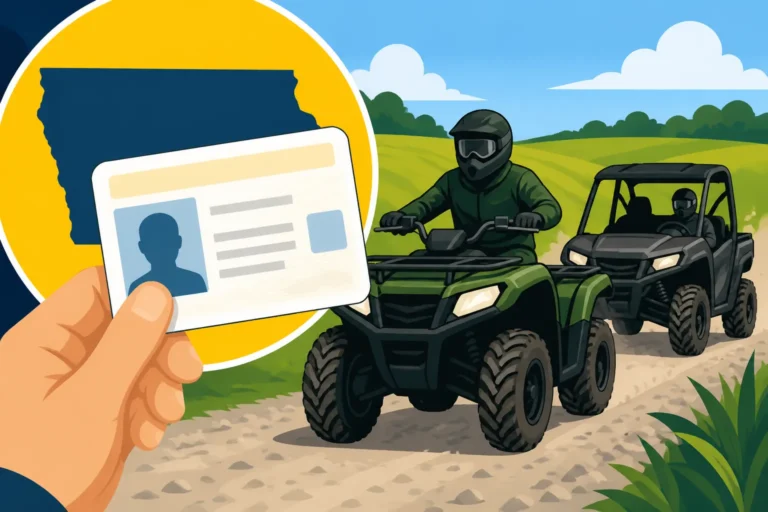
Operating an ATV or UTV on a public road in Iowa is not like riding on private land. It requires a valid driver's license. This means you must be at least 18 years old and possess a non-temporary, valid driver's license from Iowa or another state. A deputy will ask for your driver's license as a standard part of any traffic stop. This is how they confirm your identity and verify that you are legally authorized to operate a motor vehicle on public thoroughfares. If you're under 18 or don't have a valid license, you absolutely cannot operate an OHV on public roads, even if the machine is registered and insured. This rule often catches younger riders or those who primarily ride off-road where a license isn't always needed. Remember, the moment your tires touch a public road, the rules change significantly. [Iowa Driver's License Rules for ATVs], [Iowa Minimum Age to Ride a Road]
Machine Requirements: What Your ATV or UTV Needs to Have
Beyond your personal documents, the physical condition and equipment of your ATV or UTV are critical points of inspection for an Iowa deputy. These aren't just suggestions for safety; they are legal mandates designed to ensure your machine is visible and controllable on shared public roads, reducing the risk of accidents with other vehicles. Think of it as making sure your ride is 'road-worthy' by Iowa standards.
Lighting and Reflective Gear
If you're riding on public roads, your ATV or UTV needs to be clearly visible, especially during low light conditions or at night. This means functioning headlights, taillights, and brake lights are non-negotiable. The deputy will check to see that these lights are working properly. Headlights are required to be on even during daylight hours when riding on a public road. Additionally, your machine must be equipped with a slow-moving vehicle (SMV) triangle sign displayed on the rear. This bright orange and red triangle warns other motorists that your vehicle is traveling at a speed of 35 mph or less. It's a critical safety feature that deputies are trained to look for. If any of these lights are out or the SMV sign is missing or obscured, it's a clear violation and an easy reason for a stop and potential citation. This is a simple visual check that can prevent bigger headaches. [Iowa Lighting Requirements for ATVs], [Iowa Slow-Moving Vehicle Sign Rules]
Mirrors and Horns
Just like a car, an ATV or UTV operated on Iowa public roads needs to allow the driver to be aware of their surroundings. This means having at least one rearview mirror, typically mounted on the left side, that provides a clear view of the road behind you. The deputy will check for this. Without it, you lack a critical safety tool for merging or being aware of approaching traffic. Furthermore, a functional horn is required. This isn't for casually honking at friends; it's a vital safety device for signaling other drivers or pedestrians in potentially hazardous situations. Imagine needing to alert a deer on the road or signal another vehicle that's cutting you off – a horn could prevent an accident. These are standard equipment on most UTVs and many ATVs these days, but if you've modified your machine, ensure these remain present and functional. [Iowa Mirror Requirement for Road Use], [Iowa Horn Requirement for Road Use]
Other Essential Equipment
Beyond the obvious, there are a few other pieces of equipment that an Iowa deputy might look for or ask about. For instance, any off-highway vehicle must be equipped with a spark arrester if it’s being operated on public lands or trails. While not directly a "road-use" item, it's a standard safety requirement for environmental protection. Windshields are another area of interest; if your UTV has a windshield, it must meet specific visibility standards, meaning it cannot be excessively tinted to obscure your view. Aftermarket parts from companies like SuperATV are fantastic for enhancing your ride, but always ensure they comply with Iowa’s street legal requirements. You might have added lights or a new exhaust, but are they compliant? A deputy might check for things like proper tire tread, ensuring tires are not bald, which could be a safety issue on gravel. While less common, they might also briefly inspect the general condition of your machine, looking for obvious safety hazards like loose steering components or excessively loud exhausts that could indicate a missing muffler or spark arrester. [Iowa Spark Arrester Rules], [How Dark a Windshield May Legally Be]
Rider Requirements: Who Can Operate an ATV or UTV on Iowa Roads
It's not just about the machine; it's also about the person behind the handlebars or wheel. Iowa has distinct regulations concerning who is legally allowed to operate an ATV or UTV on public roads. These rules are in place for public safety and to ensure that only competent and authorized individuals are sharing the roadways with other traffic. A deputy will absolutely verify your qualifications as a rider.
Age Restrictions for Road Use
This is one of the most frequently misunderstood rules, and it can lead to immediate citations for underage riders. To operate an ATV or UTV on any public road in Iowa – whether gravel or paved – you must be at least 18 years old. There are no exceptions for younger riders with safety certificates when it comes to road use. Even if a 16-year-old has completed an OHV safety course and is legally allowed to ride on designated trails, they cannot legally drive an ATV or UTV on an Iowa public road. A deputy checking your ID will quickly determine if you meet this age requirement. This strict rule exists because public roads present different and often more complex hazards than off-road trails, requiring a higher level of maturity and driving experience. [Iowa Minimum Age to Ride a Road], [Why No Iowa Minor May Ride a Road]
Safety Certificates (or Lack Thereof for Road Use)
Another area of common confusion revolves around safety certificates. In Iowa, individuals aged 12 to 17 are typically required to possess a valid ATV safety certificate to operate an ATV or UTV on designated public OHV trails and public lands. However, when it comes to operating an OHV on public roads, a safety certificate is secondary to the requirement of holding a valid driver's license and being at least 18 years old. Essentially, if you are 18 or older and have a valid driver's license, the safety certificate is not required for road use. If you are under 18, even with a safety certificate, you cannot legally operate an OHV on a public road. A deputy might inquire about a safety certificate if they see a younger rider, but the core issue for road use will always revert to age and driver's license status. [Iowa ATV Safety Certificate Requirements], [Does an Iowa Adult Need a Certificate?]
Helmets (or Lack Thereof)
Here's a topic that varies greatly from state to state, but Iowa has a clear stance: helmets are generally not required for ATV or UTV riders aged 18 or older when operating on public roads. This often surprises people, as many states have strict helmet laws for OHV use. However, while Iowa doesn't legally mandate a helmet for adults on roads, it's always, always a smart idea to wear one. Safety equipment can significantly reduce the risk of serious injury in an accident. A deputy won't cite you for not wearing a helmet if you're an adult on a public road. However, designated OHV parks and certain organized events might have their own rules requiring helmets, regardless of age. So, while it's not a legal roadside check item for adults, consider it a personal safety imperative. [Iowa Helmet Law for ATV Riders], [Why Iowa Leaves Helmets to the Rider]
Navigating the Stop: What to Expect When Pulled Over
Being pulled over by law enforcement can be nerve-wracking, regardless of what you're driving. Knowing what to expect during an ATV or UTV stop can help you remain calm, comply with the officer's requests, and ensure the interaction proceeds smoothly. Your demeanor and understanding of the process can significantly influence the outcome.
Initial Interaction: Staying Calm and Complying
When you see those lights, the first thing to do is remain calm and pull over safely to the right side of the road, just as you would in any other vehicle. Turn off your engine, remove your helmet (if you're wearing one), and keep your hands visible, perhaps on the handlebars or steering wheel. Do not make any sudden movements or reach for anything until the deputy instructs you to do so. They're approaching an unfamiliar vehicle, and their primary concern is their safety and yours. A friendly, cooperative attitude goes a long way. Greet the deputy politely and wait for them to explain why they stopped you. Arguing or being confrontational from the outset will only escalate the situation and is unlikely to work in your favor. Remember, they are doing their job, and you are expected to comply with lawful commands.
Presenting Your Documents
Once the deputy approaches, they will typically ask for your driver's license, vehicle registration, and proof of insurance. Have these documents ready and easily accessible. Many riders keep them in a waterproof pouch on their machine, which is a great idea. Fumbling around for several minutes can create an impression of disorganization or even suspicion. Present them clearly and without hesitation. The deputy will take these back to their patrol car to run checks, verifying your identity, the vehicle's registration status, and your insurance coverage. While they are doing this, remain in your vehicle (or on your machine) unless instructed otherwise. This is the core of their verification process and where they confirm you meet all the basic legal requirements for road use. [Showing an Iowa Insurance Card]
Machine Inspection: What the Deputy Examines
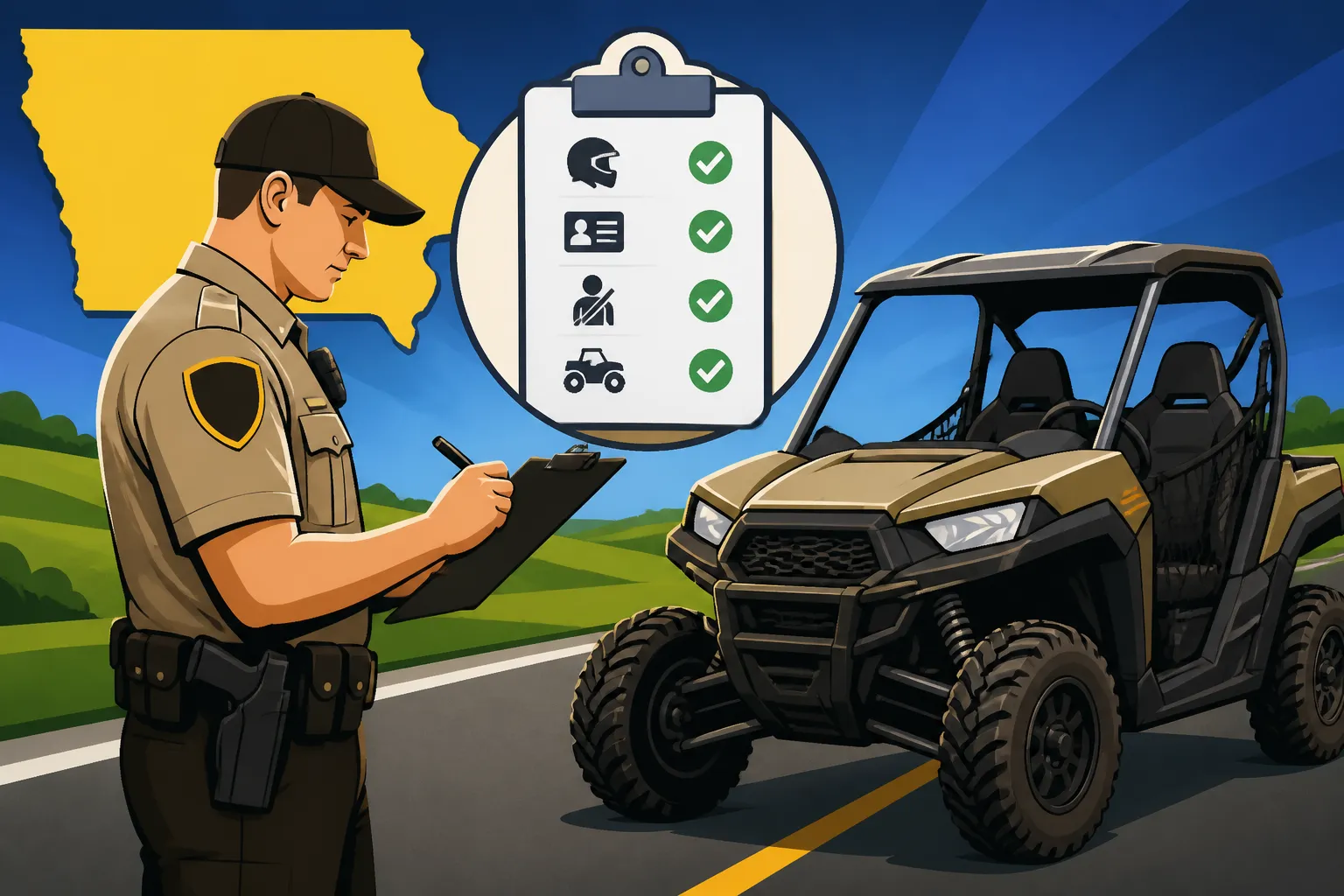
After checking your documents, the deputy may perform a quick visual inspection of your ATV or UTV to ensure it meets the necessary equipment requirements. They'll likely walk around your machine, paying attention to items like the SMV triangle, the presence and functionality of headlights and taillights, rearview mirrors, and a horn. They might ask you to demonstrate your brake lights. They'll also check for the current registration decal. If they have concerns about your route or speed, they might ask questions about where you came from, where you're going, and why you're using this particular road. This isn't just idle conversation; they are assessing whether your use of the road aligns with the "most direct route" principle and other restrictions. This inspection is a critical part of ensuring your machine is legally equipped and you are using it appropriately on public roads.
Common Misconceptions and Costly Mistakes
Iowa's OHV road use laws, while allowing some flexibility, are specific. Many riders, even those with good intentions, can fall victim to common misunderstandings that lead to citations. Being aware of these pitfalls can help you avoid making costly mistakes and keep your ride legal and enjoyable.
Assuming All Roads are Open
One of the biggest traps riders fall into is assuming that if some roads are open to ATVs and UTVs, then all similar roads must be open. This is simply not true, especially when it comes to paved roads or city streets. While unpaved secondary roads are generally open by state law (with the "most direct route" caveat), paved secondary roads require specific authorization from the county, and city streets require an ordinance passed by the city council. Just because you rode your UTV legally on a paved road in one county doesn't mean you can do the same in the next county over. It's an easy mistake to make, but ignorance of local ordinances is no excuse. Always check the specific rules for the county or city you plan to ride in. A quick call to the county sheriff's office or city clerk can save you a big headache and a hefty fine. [Paved Secondary Roads and County Authorization], [City Streets and Iowa Council Authorization], [Iowa Cities That Allow ATVs on Streets]
Riding Off the "Most Direct Route"
The "most direct route" rule isn't just for show; it's a fundamental aspect of Iowa's OHV road use. Many riders are tempted to take scenic detours, visit friends slightly off their path, or extend their ride on a particularly nice stretch of gravel. However, deviating from the most direct route to your legitimate destination is a violation. The law is intended to facilitate necessary travel, not recreational cruising on public roads. A deputy who observes you taking a circuitous path, or if you admit to just "taking a spin," will likely issue a citation. This rule highlights that public roads are for specific, legitimate transportation between points, not for unconstrained recreational riding. Always plan your route with the most direct path in mind, especially when you're on public roads. [The Most Direct Route Home in Iowa], [The Most Direct Route to Gypsum City the Short Way]
Ignoring Local Ordinances
Iowa law provides the overarching framework for OHV use, but local jurisdictions (counties and cities) have the authority to enact their own ordinances, particularly regarding paved roads and city streets. What might be legal in one town, like Waukon's open streets, could be completely illegal in a neighboring community. These local ordinances can also include specific hours of operation, noise restrictions, or other unique rules. It's a common misconception that statewide laws cover everything, but local rules can add additional layers of compliance. Before you embark on a ride through a new town or county, take the initiative to check their specific ordinances. A quick search online or a phone call to the local sheriff's department or city clerk can provide the clarity you need. Riding in an unfamiliar area without checking local rules is a gamble that rarely pays off. [Waukon's Open Streets and Alleys], [Why Iowa Publishes No List of City Ordinances]
Here’s a quick checklist to help you remember what an Iowa deputy will be looking for:
| Category | Item to Check | Specific Requirement |
|---|---|---|
| Documentation | Valid Driver's License | Must be 18+ years old and have a non-temporary license |
| Current Registration Certificate | Carried on the machine, matching the decal | |
| Current Registration Decal | Clearly displayed on the rear of the machine | |
| Proof of Liability Insurance | Meeting Iowa's minimum 20/40/15 limits | |
| Machine Equip. | Headlights | On and functional (even during daylight road use) |
| Taillights & Brake Lights | Functional | |
| Slow-Moving Vehicle (SMV) Triangle | Clearly displayed on the rear of the machine | |
| Rearview Mirror | At least one, typically on the left side | |
| Functional Horn | For signaling | |
| Spark Arrester | Required for public lands/trails (often checked) | |
| Windshield (if applicable) | Must meet visibility standards (not excessively tinted) | |
| Rider Conduct | Adherence to "Most Direct Route" | Using the shortest, most efficient path |
| Speed Limit | Maximum 35 mph on public roads | |
| Road Type Compliance | Riding only on authorized unpaved/paved roads or streets | |
| Local Ordinance Compliance | Adhering to specific city/county rules |
Disclaimer
This article is for general informational purposes only and does not constitute professional advice. Laws, prices and regulations vary by location and change over time. Consult a qualified professional for guidance on your specific situation.