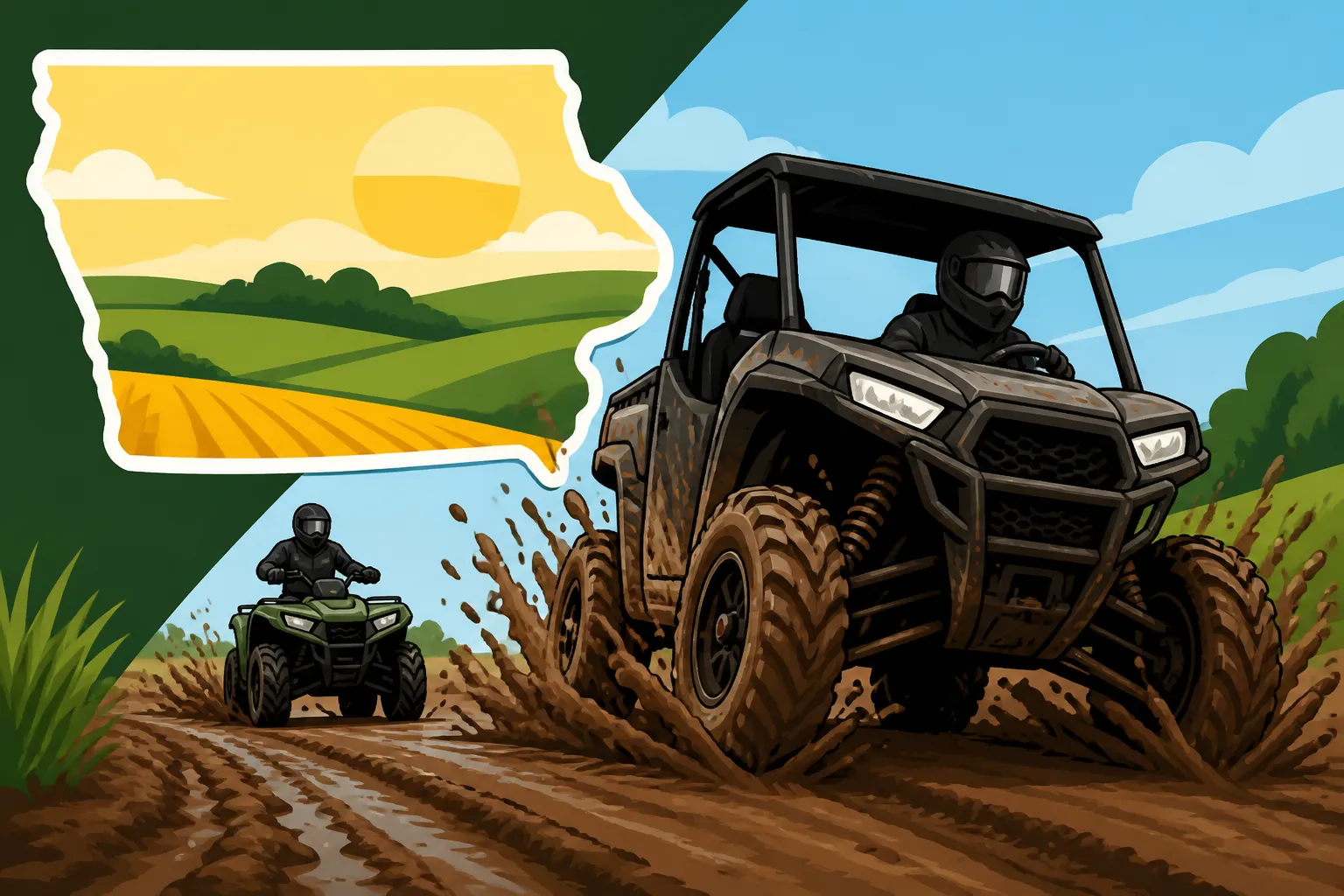
Mud on a Level B Road
There’s nothing quite like the allure of an Iowa Level B road after a good rain, is there? You picture the crisp air, the promise of a challenging ride, and then…bam! You’re faced with a soup of mud, ruts, and slippery clay that can turn a fun outing into a frustrating ordeal, or worse, a stuck situation. This guide will walk you through everything you need to know about navigating those infamous muddy Level B roads in Iowa, from understanding the legalities to advanced riding tips and essential post-ride care, helping you master the muck without breaking laws or your machine.
Understanding Iowa's Level B Roads and Their Challenges
Iowa’s landscape is crisscrossed with a unique network of roads, and among them are the legendary (or perhaps, notorious) Level B roads. These aren’t your typical well-maintained gravel paths or paved routes; they're in a league of their own, offering a distinct kind of riding experience that appeals to many ATV and UTV enthusiasts. But with that appeal comes a whole host of challenges, especially when the weather decides to make things interesting.
What Exactly is a Level B Road in Iowa?
A Level B road in Iowa is essentially a minimum maintenance road. Think of it as the road less traveled, often unpaved, sometimes grassed over in the middle, and typically maintained only to the bare minimum required to keep it passable for local traffic, which might be just a few farm vehicles a week. They aren't meant for high-speed travel or heavy commuting. Instead, they serve as access routes to fields, isolated properties, or simply as connectors between more significant roads. For ATV and UTV riders, these roads offer a taste of off-road adventure without technically being "off-road" in the traditional sense. They provide miles of varied terrain, from hard-packed dirt to loose gravel, and, quite frequently, deep mud. It's crucial to understand their classification because it dictates the expectations for their condition and, importantly, the rules for riding them.
Unlike paved or standard gravel roads, Level B roads receive very little attention from county road crews. This means they often lack proper drainage, have eroded sections, and can quickly become overgrown. What might be a dusty track in August can become a bog in April. Their charm lies in this rugged, untamed nature, but it also means riders need to approach them with a different mindset than they would a groomed trail. They are technically public roads, but their "minimum maintenance" status really sets the stage for the kind of riding conditions you're likely to encounter. Riders often seek out [Riding a Level B Road in Spring] specifically for the challenge these conditions provide.
Why Mud is Such a Pervasive Issue
The prevalence of mud on Iowa’s Level B roads isn't just bad luck; it’s a direct consequence of several factors inherent to the state’s geography and the nature of these roads. Iowa is famous for its rich, fertile topsoil, often a heavy clay loam. While fantastic for agriculture, this soil type turns into a sticky, slippery, and incredibly deep quagmire when it gets wet. It holds water, doesn't drain easily, and quickly becomes impassable for conventional vehicles. This is especially true during spring thaws when the ground is saturated from melting snow and frequent rain, or after prolonged periods of heavy summer rainfall.
Compounding this, the very definition of a Level B road means there's little to no engineering designed to manage water. You won't find extensive culverts, proper ditching, or a crowned road surface built to shed water efficiently. Instead, water tends to pool in low spots, creating standing puddles that quickly transform into deep mud holes as vehicles pass through them. Over time, these ruts deepen, trapping even more water and making the problem progressively worse. For riders, this means encountering everything from thin, slick mud that feels like ice to thick, viscous goo that can suck tires right off the beads. It's not uncommon to find areas where the mud is deep enough to cover your foot pegs or even reach the floorboards of a UTV, turning a simple ride into an epic struggle.
Legalities of Riding on Level B Roads
While the rugged nature of Level B roads makes them attractive for ATV and UTV riders, it’s important to remember that they are still public roads, and specific rules apply. The good news is that, unlike many paved roads, Iowa generally permits ATVs and UTVs on unpaved secondary roads, which includes most Level B roads. This permission, however, comes with a set of responsibilities and legal requirements that riders must adhere to. You can't just treat it like an open field.
Firstly, your machine must be properly registered with the state of Iowa. This means having an up-to-date registration decal displayed on the rear of your machine, signifying that you've paid your dues and are legally allowed to operate it on public access areas. [Registering an ATV in Iowa] is a straightforward process, typically done at your county recorder’s office. Without proper registration, even on a remote Level B road, you could face penalties. Secondly, the operator must be at least 18 years old and possess a valid driver's license to operate an ATV or UTV on any public road, including Level B roads. This isn't an arbitrary rule; it’s about ensuring that those operating these machines on shared public access have a foundational understanding of road rules and responsible driving.
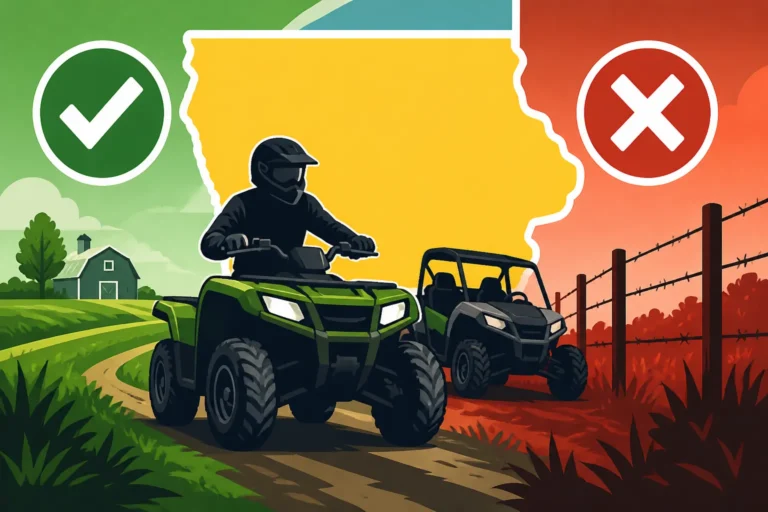
Beyond the registration and age requirements, there are also expectations regarding how you ride. While you're allowed on the road, leaving the actual roadway to ride in the ditch beside it, or worse, cutting across private property, is strictly prohibited without explicit permission. [Riding a Ditch Beside a Level B Road] might seem like an easy way around a particularly deep mud hole, but it can lead to trespassing charges and environmental damage. Iowa's laws are clear on what constitutes permissible use of public rights-of-way, and Level B roads fall under those regulations. Understanding these rules ensures that your muddy adventure stays legal and enjoyable.
Navigating Mud Legally and Safely on Level B Roads
Riding through mud on Level B roads can be incredibly thrilling, but it also demands a careful approach to ensure both your safety and adherence to Iowa's laws. It's not just about brute force; it's about smart preparation, skillful riding techniques, and a deep respect for the environment and other users. Going into a muddy situation unprepared can quickly turn a fun ride into a recovery mission, or even a hazardous one.
Pre-Ride Checks and Preparations for Muddy Conditions
Before you even think about tackling a mud-laden Level B road, a thorough pre-ride check and specific preparations for muddy conditions are non-negotiable. This isn't just about packing a snack; it's about making sure your machine and your gear are up to the task. Start with your tires. Aggressive mud tires are your best friend here, providing the bite and self-cleaning capabilities needed to claw through thick mud. Brands like SuperATV offer a fantastic range of tires specifically designed for extreme mud, with deep lugs and durable compounds that can make a huge difference in traction. Check your tire pressure; slightly lowering it can increase your tire's footprint, providing more grip, but don't go too low or you risk popping a bead.
Next, consider your recovery gear. A winch is practically mandatory if you plan on exploring truly challenging muddy sections. Ensure it's in good working order, with a strong rope or cable, and that you have appropriate anchor points and tree savers. Tow straps, a shovel, and even a set of traction boards can be lifesavers. It's also wise to check the weather forecast. If heavy rains have just passed or are expected, the mud will be at its worst. Knowing this allows you to adjust your plans, perhaps choosing a less challenging route or rescheduling your ride. Communication is key, too. If riding with a group, ensure everyone has working radios or cell phones. If riding solo, always let someone know your route and expected return time. This checklist becomes even more critical when planning to tackle a Mud on a Level B Road situation.
Riding Techniques for Muddy Terrain
Once you’re on a muddy Level B road, specific riding techniques will help you navigate the tricky conditions safely and efficiently. The cardinal rule of mud riding is momentum. You need enough throttle to keep your tires spinning and cleaning out the lugs, but not so much that you're just digging yourself deeper. It's a delicate balance that comes with practice. Approach mud holes cautiously, assessing their depth and consistency if possible. Look for the shallowest line, which often means avoiding the deepest ruts left by previous vehicles. These ruts can trap your tires and high-center your machine.
Body positioning is also crucial, especially on ATVs. Stand up and shift your weight to maintain balance and transfer traction as needed. On UTVs, maintaining a steady hand on the wheel and being prepared for sudden slips or pulls is vital. Don’t slam on the brakes in deep mud; this will usually just cause you to lose all momentum and get stuck. Instead, use controlled, gradual braking if absolutely necessary. If you start to feel stuck, sometimes a slight back-and-forth rocking motion, combined with careful throttle input, can help you gain traction and power through. Always be mindful of what's under the mud; hidden rocks, stumps, or fence posts can cause serious damage or throw you off balance. Never assume a mud puddle is just mud; always treat it with respect and caution.
The Importance of Staying on the "Road"
When faced with a particularly daunting mud hole on a Level B road, the temptation to veer off the path and find an easier way around can be incredibly strong. However, it is absolutely paramount to resist this urge and stay strictly on the designated roadway. While Level B roads are unpaved and less maintained, they still have a defined right-of-way. Deviating from this, whether by riding into the ditch, cutting through fields, or even driving onto what appears to be unused adjacent land, is illegal and can lead to severe consequences.
First and foremost, riding off the established road surface can constitute trespassing. Most land adjacent to Level B roads is privately owned, typically by farmers. Imagine the frustration of a landowner finding tire tracks tearing up their crops, disturbing livestock, or damaging their fences, all because a rider decided to bypass a muddy spot. This not only strains relations between riders and landowners but can also result in fines, property damage claims, and even legal action. Secondly, it contributes to environmental degradation. Riding off-road in wet conditions can cause significant erosion, destroy sensitive vegetation, and compact soil, which harms agricultural productivity and natural habitats. The very reason these roads are "Level B" is often due to their proximity to agricultural land or sensitive natural areas. Your actions impact these fragile ecosystems.
Finally, straying from the path can be incredibly dangerous. You might encounter hidden obstacles like old farm equipment, barbed wire fences, or irrigation systems that are completely obscured by tall grass or mud. There's also the risk of getting even more deeply stuck in an area not meant for vehicle traffic, far from any easy recovery points. Sticking to the established [Iowa Rules for Riding a Level B Road] is not just about avoiding a ticket; it's about respecting property, protecting the environment, and ensuring everyone's safety, including your own.
The Aftermath: Cleaning Up and Machine Care
So, you’ve conquered the mud on those challenging Iowa Level B roads, had a blast, and maybe even pushed your machine to its limits. But the adventure isn't truly over until you've taken care of your ATV or UTV. Neglecting post-ride cleaning and maintenance, especially after a muddy excursion, is a surefire way to shorten your machine’s lifespan and invite costly repairs. Mud isn't just dirt; it's often abrasive, corrosive, and can hide a multitude of sins that will cause problems down the line.
Post-Ride Cleaning Strategies for Mud-Caked Machines
The moment you get home, or even better, before the mud has a chance to fully dry and harden, you need to get that muck off your machine. A thorough cleaning is absolutely essential. Start by using a pressure washer, if available. This is the most effective way to blast away caked-on mud from every nook and cranny. Be careful, however, not to aim directly at seals, electrical components, or bearings with high pressure, as this can force water into sensitive areas. Instead, use a fan spray or keep a slight distance.
Work from the top down, dislodging large clumps of mud first. Pay close attention to the underside of fenders, the engine compartment, radiators, and suspension components – especially around the A-arms and CV boots. Mud packed in these areas can trap heat, rub on moving parts, and accelerate wear. For stubborn spots, a stiff brush and some automotive soap can work wonders. Rinse thoroughly to ensure all soap residue is removed. While cleaning, take the opportunity to visually inspect your machine for any obvious damage like bent components, ripped boots, or loose connections. Allowing mud to dry and harden on your machine not only makes it harder to remove later but also traps moisture and grit against metal surfaces, promoting rust and corrosion. You might even find some specialized cleaning products that help break down the specific clay content found in Iowa mud, making the job a bit easier.
Essential Maintenance After a Muddy Ride
Cleaning off the mud is just the first step; proper maintenance immediately after a muddy ride is equally crucial for the longevity of your machine. Mud, especially gritty Iowa clay, can get into everything and wreak havoc on moving parts. Start by inspecting all grease fittings. If you have them, give them a few pumps of fresh grease to push out any contaminants that might have worked their way in. Pay close attention to wheel bearings, suspension pivots, and drive shaft U-joints. These areas are particularly vulnerable to water and grit ingress, which can lead to premature failure. [Bearings After a Wet Iowa Spring] are a common casualty of neglected post-mud maintenance.
Next, check your air filter. Even if you didn't go through deep water, a very dusty or muddy ride can clog your filter, restricting airflow and potentially allowing fine particles into your engine. Clean or replace it as necessary. Inspect your brakes; mud can get between the pads and rotors, reducing braking effectiveness and accelerating pad wear. A quick rinse with a garden hose on the calipers can help, followed by a test ride to ensure full function. If you experienced any deep water crossings where water might have entered your differentials or transmission, it's wise to check your fluid levels and condition. Milky or discolored fluid is a clear sign of water contamination and means an immediate fluid change is required. Don't forget to inspect your belts (for UTVs) for fraying or damage, as mud and water can stress these components.
Why Protecting Your Machine Matters
Investing time and effort into protecting your ATV or UTV, especially when you know you'll be tackling muddy Level B roads, is not just about avoiding a chore; it's about smart ownership. The aggressive nature of mud, combined with the forces at play during a challenging ride, can cause significant wear and tear that quickly escalates into expensive repairs if left unchecked. Protecting your machine means prolonging its life, maintaining its performance, and preserving its value.
Consider adding protective accessories to vulnerable areas. Skid plates, for instance, are invaluable for shielding the underside of your machine, including engine cases, differentials, and suspension components, from impacts with hidden rocks or stumps lurking beneath the mud. A-arm guards are another excellent addition, preventing debris from damaging CV boots and suspension arms. Brands like SuperATV specialize in these types of heavy-duty protection accessories, engineered to withstand the rigors of off-road use. Keeping your machine clean and performing regular maintenance also directly impacts its resale value. A well-maintained machine, even one that has seen its share of mud, will always command a higher price than a neglected one. Furthermore, preventing breakdowns means more time riding and less time in the shop, which is what we all want, right? It's about being proactive rather than reactive, ensuring that your ATV or UTV remains a reliable companion for all your Iowa adventures.
| Pre-Muddy Ride Checklist | Post-Muddy Ride Maintenance Checklist |
|---|---|
| Machine Prep | Cleaning |
| Aggressive Mud Tires | Pressure wash thoroughly (avoiding seals) |
| Correct Tire Pressure | Focus on engine, suspension, radiators |
| Winch & Recovery Gear (straps, shovel) | Use stiff brush/soap for stubborn areas |
| Fuel & Fluids Checked | Visual inspection for damage while cleaning |
| Lights & Horn Functional | |
| Safety & Personal Gear | Maintenance |
| Helmet, Goggles, Gloves | Grease all fittings (wheel bearings, pivots) |
| Waterproof Riding Gear | Check/Clean/Replace Air Filter |
| First-Aid Kit | Inspect Brakes (pads, rotors, calipers) |
| Communication Device | Check all Fluid Levels (engine, diffs, trans) |
| Water & Snacks | Change fluids if water contaminated |
| Route & Conditions | Inspect Belts, Chains, Drive Shafts |
| Check Weather Forecast | Lubricate Cables and Levers |
| Know Your Route | Check Electrical Connections for corrosion |
| Inform Someone of Your Plan | Tighten any loose bolts/fasteners |
| Allow machine to dry thoroughly |
Respecting the Environment and Other Road Users
Riding Level B roads, especially when they're muddy, is a privilege, not a right. As responsible riders, we have a collective duty to not only enjoy these unique routes but also to protect them and ensure a harmonious relationship with the environment and other people who use these spaces. A single act of carelessness can have far-reaching negative consequences for the riding community as a whole.
Minimizing Environmental Impact
The very nature of Level B roads means they often traverse sensitive landscapes, from agricultural fields to natural habitats. When riding through mud, it's easy to inadvertently cause environmental damage if you're not careful. The most significant impact is often erosion. Spinning tires in deep mud, especially when veering off the established path, can rapidly degrade soil stability, leading to washouts and gullying that are difficult and costly to repair. This not only damages the road itself but can also lead to sediment runoff into nearby streams and rivers, harming aquatic ecosystems.
To minimize your impact, always stick to the designated road surface, even if it means getting a little (or a lot) muddier. Avoid creating new tracks or widening existing ones. When approaching water crossings, assess the depth and current to ensure you don't inadvertently churn up the streambed or leave behind contaminants. If a mud hole seems excessively deep or environmentally sensitive, sometimes the most responsible action is to turn back and find an alternative route. Remember the principle of "leave no trace." This extends beyond litter to the tracks you leave behind. By being mindful of your footprint, you help preserve these roads and the surrounding environment for everyone.
Being a Good Neighbor on Level B Roads
Level B roads are often shared spaces, especially in rural Iowa. You might encounter farmers on their tractors, locals driving pickups, equestrians, pedestrians, or even other recreational users. Being a good neighbor means demonstrating respect and courtesy to everyone you meet. When you encounter another vehicle, especially larger farm equipment like a combine or sprayer, always yield the right-of-way. These machines are often wide and slow, and it’s much easier for you to pull over safely. [Meeting a Combine on a Gravel Road] is a common occurrence, and giving them ample room shows respect for their work.
If you’re riding in dry, dusty conditions (which can happen quickly after mud dries!), slow down when passing homes or other vehicles to minimize dust clouds. When it's muddy, be mindful of splashing. While it might feel fun to throw mud, a sudden splash on a pedestrian, another rider, or a passing car can be genuinely frustrating and damaging. Keep noise levels down, especially in residential areas or near livestock. Excessive engine noise can disturb animals and local residents. A friendly wave and a courteous attitude go a long way in fostering positive relationships between the riding community and rural residents, ensuring that Level B roads remain accessible for everyone to enjoy.
When to Avoid Muddy Level B Roads Altogether
As much as we love the challenge of mud, there are times when the most responsible and practical decision is simply to avoid excessively muddy Level B roads altogether. While it might feel like you're missing out, sometimes discretion truly is the better part of valor. For instance, immediately after heavy rainfall or during spring thaw conditions, the mud on these roads can become exceptionally deep, thick, and treacherous. What might be a fun challenge in light mud can quickly become a dangerous recovery situation in axle-deep muck.
Riding in these extreme conditions significantly increases the risk of getting stuck, damaging your machine, or even causing harm to yourself or others. It also amplifies the environmental impact, creating deeper ruts and contributing more to erosion. If you arrive at a Level B road and find it looks more like a river of mud than a passable track, consider a different activity or seeking out a designated OHV park with managed trails. Iowa has excellent parks like Gypsum City, which are designed to handle off-road traffic and can be a much safer and more sustainable option during extreme weather. Waiting for the roads to dry out, even partially, allows for a more enjoyable and less impactful ride. Remember, the trails and roads will always be there, but your machine, and your safety, are not always guaranteed if you push too hard in conditions that are simply too extreme. It’s about making smart decisions that prioritize safety and sustainability.
Disclaimer
This article is for general informational purposes only and does not constitute professional advice. Laws, prices and regulations vary by location and change over time. Consult a qualified professional for guidance on your specific situation.