Keeping an ATV Under 35 mph on Gravel Roads
Anyone who's ever swung a leg over an ATV or settled into a UTV seat knows the sheer joy of hitting an open gravel road. The wind in your face, the roar of the engine, the feeling of freedom – it's invigorating. But here in Iowa, that feeling comes with a very specific, and sometimes frustrating, speed limit: 35 mph. It’s a rule that can feel restrictive when the road stretches out before you, but understanding why it's in place and how to navigate it safely is crucial for every rider who wants to explore our state's vast network of secondary roads without trouble. This guide will dive deep into Iowa's 35 mph speed cap for ATVs and UTVs on gravel roads, offering practical advice and insight into the rules that keep us all safe.
The Reality of Speed Limits on Iowa's Gravel Roads for ATVs
It’s a common scenario: you’re heading out to a local trail park, or maybe just using a gravel road to get to a friend's farm, and suddenly, that 35 mph sign feels like a heavy hand on your throttle. For many riders, especially those accustomed to the wide-open spaces of private land, adhering to this limit on public gravel roads can be a real adjustment. It’s not just a suggestion; it's a firmly enforced legal requirement that every off-highway vehicle (OHV) operator must follow when traveling on these public pathways in Iowa.
Understanding the 35 mph Cap
Iowa's law clearly states that when operating an ATV or UTV on a designated secondary road – which primarily includes the vast majority of our state's gravel roads – you cannot exceed 35 miles per hour. This isn't arbitrary; it's a speed deemed appropriate for the typical conditions and shared nature of these unpaved routes. Think about it: our gravel roads are often frequented by farm equipment, bicycles, pedestrians, and other vehicles, not all of whom expect a fast-moving OHV. It's a fundamental part of [Iowa Rules for Riding a Gravel Road].
For riders coming from states with different regulations, or even just those new to the Iowa OHV scene, this can feel like a significant curb on the fun. You might have a powerful machine, capable of much higher speeds, and seeing a long, straight stretch of gravel can be tempting. However, deputies and local law enforcement are well aware of this rule and are prepared to enforce it. Exceeding this limit isn't just about getting a ticket; it's about putting yourself and others at a much higher risk, something we’ll discuss more in a bit.
Navigating the Most Direct Route Rule
The 35 mph speed limit also ties directly into another important Iowa regulation: the "most direct route" rule. This rule permits ATVs and UTVs to operate on certain secondary roads only for the purpose of getting to or from a designated OHV park, a trail, or private land where riding is permitted. The catch? You must take the most direct route possible. Now, this rule can create a psychological pressure to hurry, to "get there" as fast as you can to minimize your time on the public road. However, it's absolutely critical to remember that "most direct" does not, under any circumstances, mean "fastest."
So, while you might be trying to shave off minutes from your journey to [The Most Direct Route to an Iowa OHV Park] or your favorite hunting spot, the 35 mph limit remains your steadfast companion. This means planning your route not just for efficiency, but for compliance. If your mapping app suggests a route that feels like it encourages speeding, you might need to adjust your mindset. The expectation is that you will travel safely and legally, even on the shortest path. It requires patience and a conscious effort to keep that throttle in check, ensuring you don't turn a convenient shortcut into a costly citation or, worse, an accident.
Why Iowa Imposes a Speed Cap on Off-Highway Vehicles
It’s easy to look at a regulation like the 35 mph speed cap and feel like it’s just another rule designed to make riding more difficult. But like most regulations pertaining to public safety, there’s a solid foundation behind it. Iowa’s unpaved secondary roads, while seemingly endless and inviting, present unique challenges and hazards that necessitate a more cautious approach, especially for off-highway vehicles.
Safety Concerns on Unpaved Surfaces
Riding an ATV or UTV at high speeds on gravel is inherently riskier than riding on pavement. The loose nature of gravel means significantly reduced traction, making it much easier to lose control, especially when braking suddenly or navigating a turn. Imagine hitting a patch of washboard gravel at 45 mph versus 30 mph – the difference in machine stability and rider control is stark. Dust clouds kicked up by your machine, or by oncoming traffic, can also drastically reduce visibility, creating blind spots that can hide hazards like potholes, wildlife, or even other slow-moving vehicles.
Furthermore, gravel roads are often narrower, lack shoulders, and can have unexpected dips, curves, and blind hills. These conditions, combined with the often-aggressive tires of an OHV, increase the likelihood of a rollover or a slide-out at higher speeds. The 35 mph cap, therefore, isn't just about preventing accidents, but about mitigating the severity of those that do occur. It provides a safer margin for error, allowing riders more time to react to changing conditions and maintain control of their machine. This protective measure extends not just to the ATV operator but to anyone else who might be sharing that road.
Protecting Road Infrastructure and Public Safety
Another crucial reason for the speed cap involves the very roads we ride on. Unpaved secondary roads are not designed for continuous high-speed traffic, particularly from vehicles like ATVs and UTVs that can exert significant force on the road surface. Excessive speed can accelerate the degradation of gravel roads, leading to more washboarding, deeper ruts, and greater dust production. This not only makes the roads less safe for everyone but also increases maintenance costs for local county authorities, who are responsible for their upkeep.
The rules that govern where and how you can ride your OHV on public lands and roads are often shaped by groups like [The Iowa DNR and Off-Highway Vehicles]. They consider not just the thrill of the ride, but the long-term sustainability of access and the impact on the environment and local communities. Adhering to the speed limit is a way of being a responsible steward of these shared resources, ensuring they remain open and accessible for all users for years to come. It's about finding a balance between recreational enjoyment and community well-being.
Consistency Across Jurisdictions
Iowa has 99 counties, and each one manages its secondary road system. Imagine the chaos if every county had a different speed limit for OHVs on gravel roads! It would be a nightmare for riders to keep track of, leading to constant confusion and unintentional violations. By establishing a uniform 35 mph speed cap, the state provides a clear, consistent expectation for all OHV operators, regardless of which county’s gravel roads they happen to be riding on.
This standardization simplifies enforcement for local sheriffs and conservation officers and makes it easier for riders to know exactly what’s expected of them. It’s part of a larger effort to ensure that when you're [Riding an ATV on Iowa Roads], the basic rules of engagement are the same everywhere you go. This predictability helps foster a safer riding environment, allowing riders to focus on the road and their surroundings rather than trying to decipher varying local ordinances.
Practical Tips for Staying Under the Limit and Staying Safe
Let’s be honest, consciously keeping your speed down on a wide-open gravel road requires discipline. It’s easy for the throttle to creep up without you even realizing it. But with the right mindset, a well-maintained machine, and a few smart riding practices, staying under 35 mph and enjoying your ride safely is entirely achievable.
Equipment and Machine Readiness
Your machine's condition plays a huge role in how safely and comfortably you can navigate gravel roads at any speed. First and foremost, ensure your brakes are in excellent working order. Being able to slow down smoothly and predictably is paramount. Check your tire pressure regularly; the right pressure improves handling and comfort on rough terrain. An underinflated tire can feel mushy, while an overinflated one can make for a jarring ride and less traction.
Consider your suspension setup. While the 35 mph limit means you won't be flying, a well-tuned suspension will absorb bumps and washboards more effectively, making the ride smoother and reducing rider fatigue. If you're frequently on gravel roads, investing in quality aftermarket suspension components can make a world of difference. Brands like SuperATV offer a range of heavy-duty control arms, shock upgrades, and other accessories designed to enhance your machine's stability and durability, which are beneficial when traversing unpredictable gravel surfaces. Good lighting is also essential, even during the day, as [Headlights On All Day in Iowa] is a requirement on public roads. Enhanced lights can help you see hazards and make you more visible to other traffic.
Rider Awareness and Technique
Staying safe on gravel roads isn't just about your machine; it's about your riding technique. The most important tip is to always look far ahead. This gives you time to react to changes in the road surface, upcoming turns, or unexpected obstacles. Avoid sudden, jerky movements with the throttle, brakes, or steering wheel. Smooth inputs are key to maintaining traction on loose surfaces.
When approaching turns, slow down before entering the curve and use a gentle, consistent throttle through the apex to help maintain stability. On straights, be mindful of "washboards" – those annoying rippled sections of road. They can cause your machine to chatter and become unstable. Sometimes, adjusting your speed slightly (either a little faster or a little slower) can help you "float" over them more smoothly, but always remember to stay within the 35 mph limit. And, of course, don’t forget that if you are 18 or older, you must be carrying your driver's license, and all riders must have their [Carrying the Certificate on an Iowa Ride] (registration certificate) on board.
Using Technology and Planning Your Ride
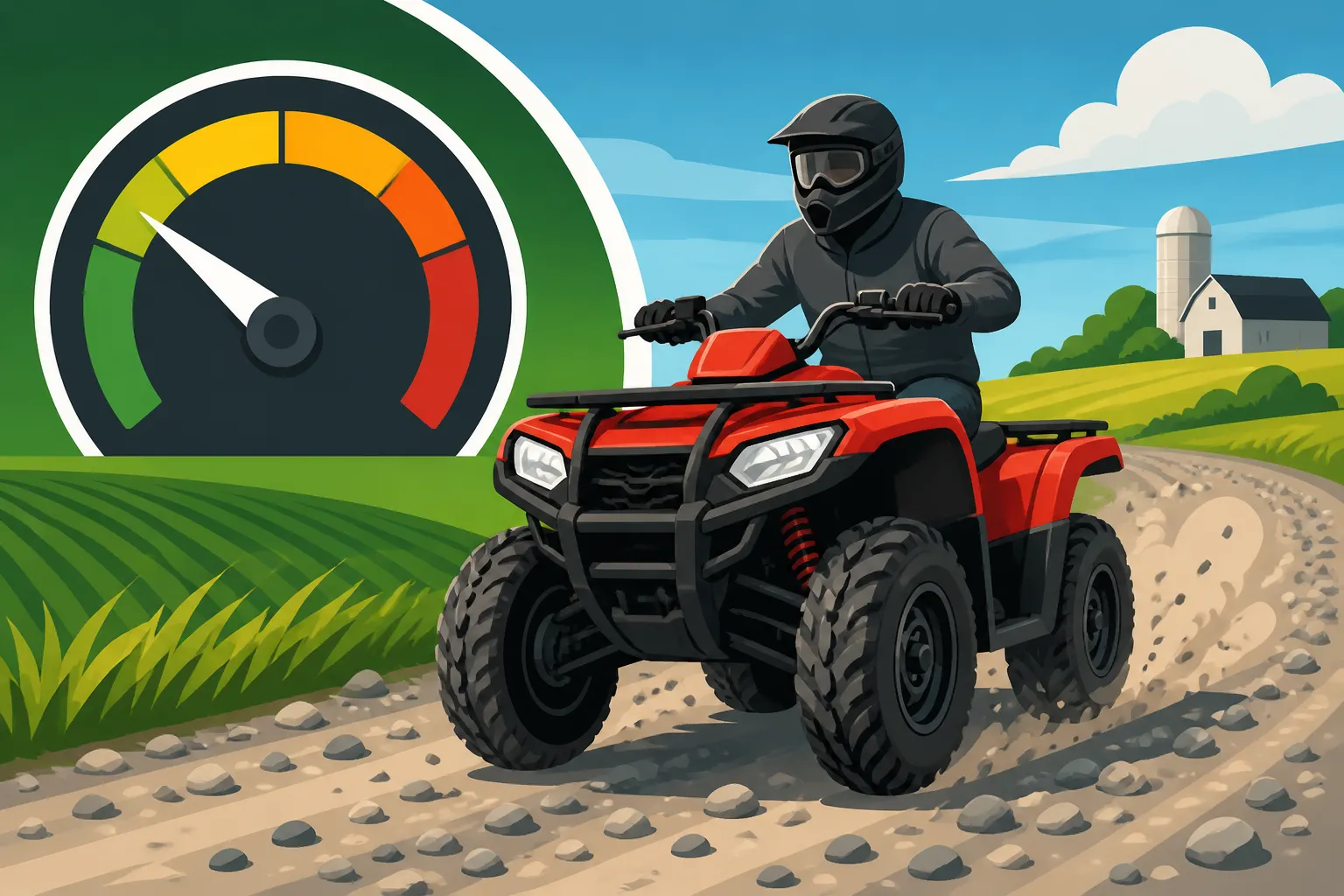
In this modern age, technology can be a huge helper. Most ATVs and UTVs come with a speedometer, but if yours isn't perfectly accurate or if you prefer a digital display, consider adding a GPS unit or a dedicated speed-tracking app to your phone. These can give you a precise, real-time readout of your speed, making it much easier to stay under the 35 mph limit without constantly glancing at your dash. Many smartwatches also offer GPS-based speed tracking.
Beyond monitoring your speed, good planning is invaluable. Before you even head out, take a moment to review your intended route. Understand where the gravel roads are, how long your stretches on them will be, and how the 35 mph limit will impact your overall travel time. Factor in a more relaxed pace. When you [Iowa Rules for Riding to an OHV Park] or a favorite spot, accepting that the journey on public roads will be at a slower pace can help reduce the temptation to speed. This proactive approach allows you to enjoy the scenery and the ride, rather than feeling rushed or stressed about your arrival time.
Consequences of Exceeding the 35 mph Speed Limit
It might seem like a minor infraction, but exceeding the 35 mph speed limit on Iowa's gravel roads for ATVs and UTVs carries more weight than just a casual warning. There are real legal, safety, and community-related repercussions that every rider should be aware of. Ignoring this rule can quickly turn a fun day out into a very regrettable experience.
Legal Penalties and Fines
Let's not sugarcoat it: if a law enforcement officer, whether a county sheriff's deputy or a DNR conservation officer, catches you exceeding the 35 mph limit, you will likely receive a citation. While I can't provide exact figures, fines for speeding can be substantial, and they often come with additional court costs and fees. This isn't just a hypothetical scenario; deputies are out there, especially on routes known for OHV traffic, and they are authorized to enforce this rule strictly. It's similar to the consequences you might face for [Getting Cited for Riding Without a Recorder Decal], showing that officials take ATV regulations seriously.
A speeding ticket isn't just about the immediate financial hit. Depending on the severity and frequency, it could potentially impact your driving record, and while OHV operations are distinct from road vehicles in some ways, such violations contribute to a perception of irresponsible riding. The legal system in Iowa aims to ensure that all users of public roads, including OHVs, adhere to established safety protocols. Disregarding a clearly posted or defined speed limit is a direct challenge to those protocols.
Increased Risk of Accidents and Injury
Beyond the legal ramifications, the most significant consequence of speeding on gravel roads is the exponentially increased risk of accidents and serious injury. As we discussed earlier, gravel provides less traction, and at higher speeds, it becomes far more unforgiving. A sudden patch of loose gravel, an unexpected rut, or a quick evasive maneuver at 40 mph is far more likely to result in a loss of control, a slide, or a rollover than at 35 mph or less.
Accidents involving ATVs and UTVs at speed on public roads often lead to severe injuries, not just to the operator but potentially to passengers. The machine itself can also suffer significant damage. If an accident does occur, [Iowa ATV Accident Reporting Requirements] stipulate that you must file a report if there's significant damage or injury, and if it's found that speeding was a contributing factor, that can have further legal and insurance implications. The goal of the speed limit is to reduce the chances of these devastating outcomes, making your ride safer for you, your machine, and everyone else on the road.
Impact on Public Perception and Future Access
Every time an ATV or UTV rider is seen speeding or riding irresponsibly on public roads, it creates a negative impression that affects the entire OHV community. Local residents, other motorists, and even elected officials often form their opinions about OHV use based on these visible interactions. Widespread disregard for speed limits and other road rules can lead to increased complaints, more stringent enforcement, and, in some cases, calls for further restrictions or even the closure of roads to OHV traffic.
Responsible riding, including strict adherence to the 35 mph speed limit, is essential for maintaining and expanding access for OHVs in Iowa. When the public sees riders respecting the rules and sharing the roads responsibly, it fosters a more positive relationship and helps ensure that these riding opportunities continue to exist. We, as riders, are ambassadors for our sport, and our actions directly influence whether we gain more access or lose what we already have. Being a good neighbor and a safe rider is crucial for the future of Iowa's OHV trails and road access.
| Aspect | Safe Riding (Under 35 mph) | Risks of Speeding (Over 35 mph) |
|---|---|---|
| Control & Traction | Enhanced control, better traction on loose gravel. | Increased risk of losing control, sliding, or rolling over. |
| Visibility | More time to react to dust, obstacles, and oncoming traffic. | Reduced reaction time, potential for dust to obscure vision. |
| Road Conditions | Easier to navigate washboards, potholes, and uneven surfaces. | Bumps and ruts become jarring, increasing instability. |
| Legal Consequences | Compliance with law, avoiding fines and citations. | High probability of significant fines and legal penalties. |
| Accident Risk | Significantly lower chance of accidents and severe injuries. | Much higher risk of accidents, severe injuries, and machine damage. |
| Public Perception | Fosters positive community relations, supports continued access. | Creates negative perception, risks future access restrictions. |
| Machine Longevity | Less wear and tear on suspension and components. | Increased stress on components, leading to faster wear and damage. |
Disclaimer
This article is for general informational purposes only and does not constitute professional advice. Laws, prices and regulations vary by location and change over time. Consult a qualified professional for guidance on your specific situation.