Headlights Burning at Noon
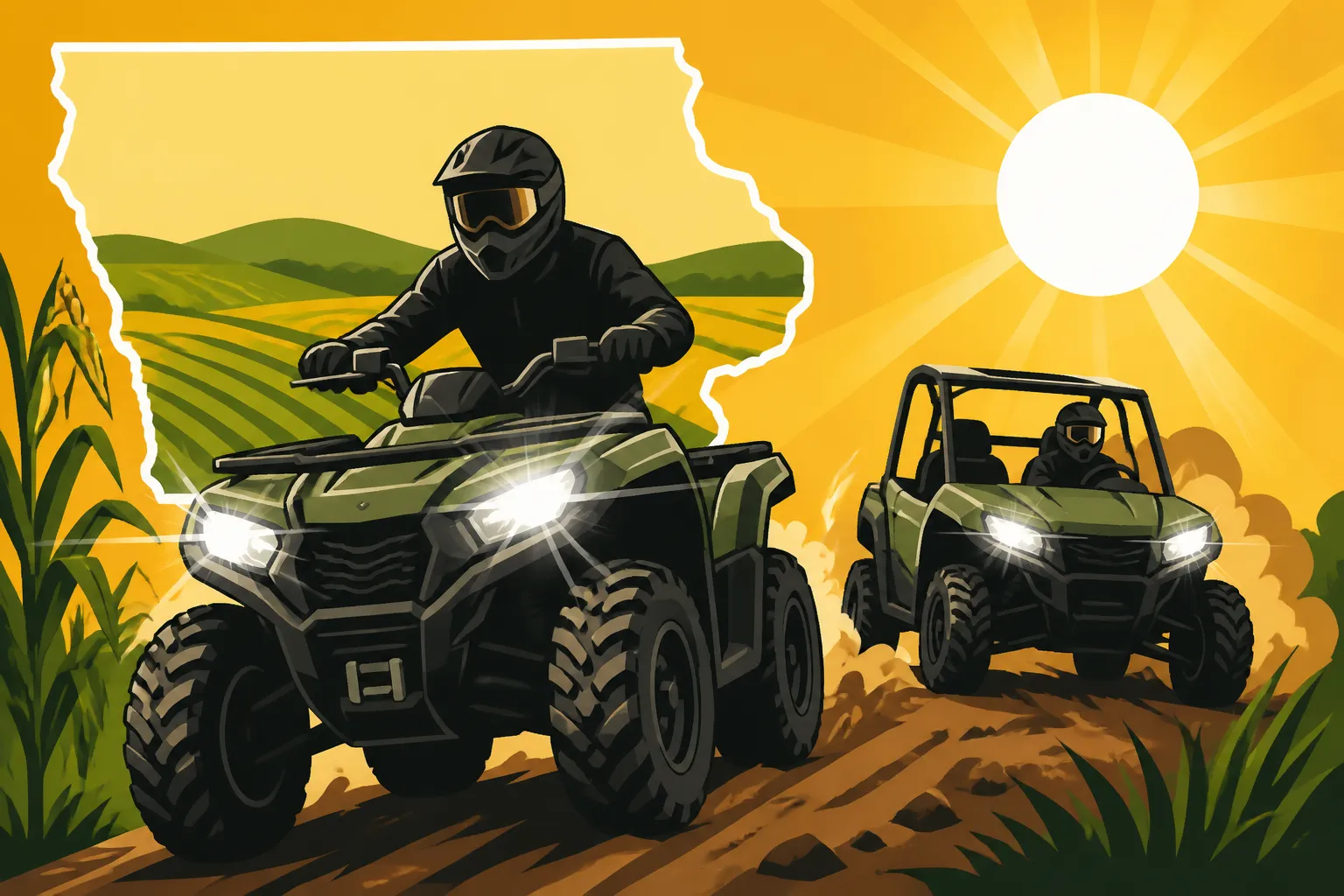
It's a bright, sunny Iowa afternoon, the kind where you can see for miles across the fields, and the last thing on your mind might be turning on your ATV's or UTV's headlights. Yet, if you're venturing onto public roads in Iowa, even a sun-drenched day demands your lights be on. This often-misunderstood rule can lead to confusion, frustration, and even fines for riders who just want to enjoy the open road. This guide will thoroughly explain Iowa's requirements for daytime headlight use for off-highway vehicles, ensuring you understand not just what to do, but why it's so critical for your safety and legal compliance.
Understanding Iowa's Daytime Headlight Mandate for ATVs and UTVs
For many ATV and UTV enthusiasts, the idea of having their headlights blazing at noon seems counterintuitive. After all, the sun is out, visibility is excellent, and you can clearly see the road ahead. However, Iowa's laws concerning off-highway vehicles (OHVs) on public roads are designed with a very specific kind of safety in mind: being seen by others. It’s not just about your ability to navigate; it’s about the visibility of your machine to oncoming traffic, vehicles approaching from behind, and even pedestrians or cyclists sharing the route.
When you transition your ATV or UTV from private land or a dedicated trail to a public road, you enter a different legal landscape. Cars, trucks, and even motorcycles are governed by rules designed for their specific characteristics and typical operating environments. ATVs and UTVs, while capable of road travel under certain conditions in Iowa, are still relatively small, often less conspicuous, and their profile can blend in more easily with the background, especially on dusty gravel roads or against a busy rural landscape. The requirement for headlights to be on at all times on public roads, regardless of daylight, acts as a crucial safety beacon, helping other drivers spot you sooner and react accordingly. It's a proactive measure to prevent accidents, rather than simply a rule about seeing your way in the dark.
The Logic Behind "Lights On" in Broad Daylight
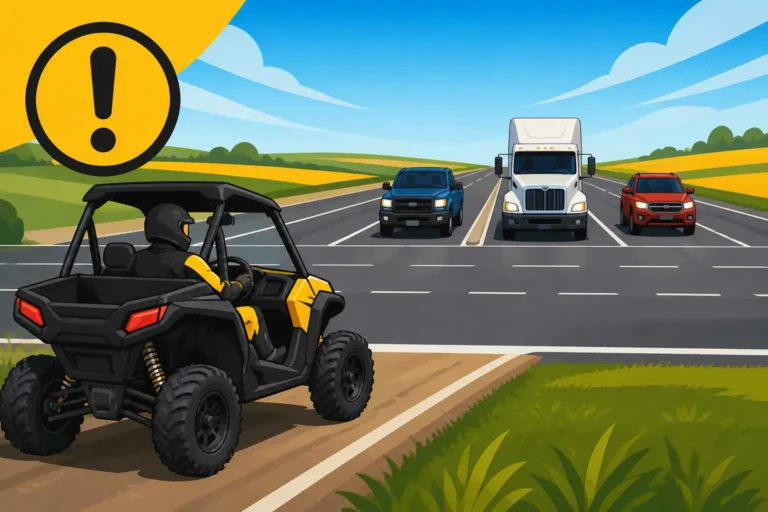
Think about it from the perspective of someone driving a pickup truck coming over a slight rise on a gravel road, or a semi-truck making a turn onto a paved county road. An ATV or UTV, even one with a vibrant color, can sometimes disappear into the visual clutter of the environment. The bright beam of a headlight, especially a well-maintained one, cuts through that clutter. It creates a distinct, moving point of light that immediately draws attention. This is essentially the same principle behind daytime running lights (DRLs) that are standard on many modern automobiles. While ATVs and UTVs don't necessarily have dedicated DRLs, the continuous headlight mandate serves the same purpose: enhanced conspicuity.
This rule is rooted in the state's efforts to ensure the safety of all road users. ATVs and UTVs, by their nature, often travel at lower speeds than other vehicles on the road, particularly on gravel or secondary roads where they are most commonly permitted. This speed differential can create hazards if other drivers don't spot them in time. A headlight burning brightly at noon can provide those crucial extra seconds of recognition, allowing other drivers to adjust their speed, give you a wider berth, or simply be aware of your presence. It's a small action – flipping a switch – that has a significant impact on reducing the risk of a collision. Iowa's commitment to road safety extends to all vehicles, and your ATV or UTV is no exception when it's on public thoroughfares.
Comparing ATV/UTV Road Rules to Other Vehicles
It’s easy to feel like ATVs and UTVs are singled out with specific rules, but many regulations are simply adaptations of broader road safety principles. For instance, motorcycles in many states are required to have their headlights on at all times. This isn't because motorcycles can't see in daylight, but because their smaller profile makes them inherently less visible to other drivers. ATVs and UTVs share some of these characteristics, often being smaller than cars and having a different visual footprint. The "lights on" rule for OHVs on Iowa roads brings them into closer alignment with this established safety practice.
The difference, of course, lies in the type of road use. While a car can travel on almost any public road, ATVs and UTVs in Iowa are generally restricted to [Unpaved County Secondary Roads in Iowa] or certain paved secondary roads where authorized by the county. They are also subject to specific speed limits, such as [Iowa's 35 mph Cap], and operator age requirements. These restrictions highlight that OHV road use is a privilege with specific conditions, and operating your machine with all required safety features activated, including your headlights, is part of upholding that privilege. Failing to do so can not only jeopardize your safety but also lead to a roadside check by a deputy, resulting in potential fines for non-compliance.
What Exactly Does "Lights On" Mean for Your OHV on Iowa Roads?
So, you understand why your headlights need to be on during the day. But what does "lights on" actually entail? It’s not just about having a light source; it's about having functional, properly aimed, and sufficiently bright lights that meet Iowa's legal standards for off-highway vehicles on public roads. This includes your main headlights, but also extends to other crucial lighting components that ensure your machine is fully visible from all angles.
The Iowa rules are quite clear that when operating an ATV or UTV on a public road, you must comply with specific lighting requirements. This isn't a suggestion; it's a mandate. Neglecting these requirements, even accidentally, can put you in violation of the law. A deputy at an [A Deputy at an Iowa Roadside Stop] will be checking for all of these elements.
Headlights: More Than Just Seeing in the Dark
Your ATV or UTV must be equipped with at least one headlight that emits a white light, visible from a distance of at least 500 feet to the front. While many machines come with one or two headlights as standard, it's crucial that these lights are in good working order. This means no burnt-out bulbs, no cracked lenses significantly obscuring the light, and no excessive dirt or mud caked over them. The light needs to be effective in making your presence known.
For riders who frequently use their machines on roads, upgrading to brighter or more durable headlights can be a smart move. Companies like SuperATV offer a range of aftermarket lighting solutions, from LED replacement bulbs that provide a crisp, intense white light to full light bar systems that greatly enhance forward visibility and conspicuity. While a full light bar might be overkill for simply meeting the minimum legal requirement for daytime use, a robust pair of LED headlights from a reputable brand can significantly improve how well you're seen, making your "headlights burning at noon" more effective. Remember, the goal is not just to comply, but to maximize your safety. You want your headlights to be impossible to miss, whether it's dawn, dusk, or midday.
Tail Lamps, Brake Lights, and Turn Signals
The "lights on" mandate isn't solely about what's happening at the front of your machine. Visibility from the rear is equally vital. Iowa law requires your ATV or UTV to have at least one tail lamp emitting a red light visible from 500 feet to the rear. This tail lamp must be burning whenever your headlights are on, which means all day if you're on a public road. Additionally, a functional brake light, or stop lamp, is essential. This light must emit a red or amber light to the rear upon application of the brake, signaling your intentions to anyone following you.
While turn signals are not universally required for all ATVs or UTVs under Iowa law for road use, many riders choose to install them for enhanced safety, especially on paved secondary roads where traffic may be faster. If your machine does have turn signals, they must be functional and used appropriately. For UTVs, which often resemble small cars, turn signals can be particularly beneficial for clear communication with other drivers. Ensuring all your rear lighting is clean, functional, and visible will help prevent rear-end collisions and ensure smooth interactions with other vehicles on [Iowa Rules for Riding a Gravel Road] or other authorized routes.
The Role of Reflectors and Slow-Moving Vehicle Signs
Beyond active lighting, passive visibility aids also play a critical role. Iowa requires ATVs and UTVs operating on public roads to be equipped with specific reflectors. Generally, this means at least two red reflectors on the rear, visible from a distance of 100 to 600 feet when illuminated by the headlights of another vehicle. These are especially important in low-light conditions or if your active lighting were to fail.
Furthermore, if your ATV or UTV is traveling at a speed of 25 mph or less on a public road, it must display a slow-moving vehicle (SMV) emblem on the rear. This is that distinctive fluorescent orange triangle with a dark red reflective border. This sign is a universal signal to other drivers that your machine is operating at reduced speeds, giving them ample warning to slow down and pass safely. This is a non-negotiable safety item that complements your [Iowa Slow-Moving Vehicle Sign Rules] active lighting, ensuring you are visible and your speed differential is clearly communicated to everyone else on the road.
Equipping Your Machine for Maximum Visibility and Legal Compliance
So, you've grasped the importance of the "headlights burning at noon" rule and the comprehensive lighting requirements in Iowa. Now, let's talk about making sure your machine is truly road-ready. This isn't just about avoiding a ticket; it's about proactively enhancing your safety and the safety of everyone around you.
The process involves regular checks, potential upgrades, and a mindset of continuous vigilance. Many riders treat their ATVs and UTVs primarily as off-road machines, and while that's their primary purpose, the moment you put rubber to public asphalt or gravel, you need to think differently. The investment in time and perhaps a few dollars for quality components is a small price to pay for peace of mind and protection on the open road. From ensuring your existing lights are working to considering aftermarket enhancements from companies like SuperATV, there are concrete steps you can take.
Pre-Ride Checks: Don't Leave Without This
Before you even think about pulling onto an Iowa road, make it a habit to perform a quick pre-ride check of your lighting system. This simple routine can save you from a fine or, more importantly, a dangerous situation.
Here’s a basic checklist:
- Headlights: Turn them on. Do both (if applicable) illuminate brightly? Are they clean and free of mud or debris? Are they aimed correctly, not blinding oncoming traffic or pointing uselessly at the sky?
- Tail Lamps: Walk behind your machine. Is the red tail light burning steadily?
- Brake Lights: Have a friend or family member stand behind you, or back up to a reflective surface. Apply the brakes firmly. Do the brake lights illuminate?
- Turn Signals (if installed): Test both left and right indicators. Do they flash clearly and consistently?
- Reflectors: Quickly wipe down any reflectors on your machine to ensure they are visible.
- SMV Emblem: Is your slow-moving vehicle triangle securely mounted and clean? Is it faded or damaged? If so, replace it.
These checks take mere moments but are invaluable. Imagine getting pulled over for a burnt-out headlight you didn't even know about; the conversation with the deputy would be a lot smoother if you could say you just noticed it and are heading to get it fixed, rather than being completely unaware. Staying on top of these small details is part of being a responsible Iowa rider. [What Iowa Requires of an ATV on a Public Road] is comprehensive, and a quick check covers many of the main points.
Upgrading for Safety and Compliance
While your factory lighting might meet the minimum legal requirements, sometimes "minimum" isn't "optimal." The road environment can be unpredictable, and enhancing your visibility can significantly improve your safety margin. This is where aftermarket upgrades come into play, offering riders options to go beyond the basics.
- LED Conversions: Many older ATVs and UTVs come with incandescent bulbs, which are less bright and draw more power. Swapping these out for LED bulbs is a popular upgrade. LEDs provide a brighter, whiter light, consume less power, and last longer. You can often find plug-and-play LED replacement headlights that dramatically increase your forward projection and overall conspicuity, making your "headlights burning at noon" truly stand out.
- Auxiliary Lighting: While not typically required for legal road use, auxiliary lights (such as small fog lights or ditch lights) can further enhance your profile, especially when you encounter changing light conditions or want to be extra visible in specific scenarios. Just ensure any auxiliary lights comply with local ordinances regarding their use on public roads.
- Reflective Tape: Adding some discreet, DOT-approved reflective tape to strategic points on your machine can dramatically increase side and rear visibility, especially at dawn, dusk, or night. Companies like SuperATV offer robust accessories that not only improve functionality but also contribute to a safer ride. When you're thinking about a [A Headlight Aimed for an Iowa Gravel Lane], consider how well your entire machine is lit.
| Lighting Component | Iowa Road Requirement | Recommended Upgrade/Check |
|---|---|---|
| Headlights | At least 1, white, visible 500 ft front | Replace with brighter LEDs, check aim, clean lens |
| Tail Lamp | At least 1, red, visible 500 ft rear (with headlight) | Replace with brighter LEDs, clean lens |
| Brake Light | At least 1, red/amber, activates with brake | Ensure quick activation, clean lens |
| Turn Signals | Not universally required, but if present, must work | Install if not present, upgrade to LED |
| Rear Reflectors | At least 2, red, visible 100-600 ft rear | Ensure clean, consider adding more DOT-approved tape |
| SMV Emblem | Required if <= 25 mph | Check for fading/damage, securely mounted |
What a Deputy Checks Roadside
When you encounter law enforcement on an Iowa road, they're not just looking for speeding. A deputy conducts a thorough check to ensure compliance with all OHV road regulations. If you're pulled over for a [Iowa Fines for Illegal ATV Road Use], one of the first things they'll likely verify is your lighting. They'll look for:
- Headlights On: This is the primary focus of the "Headlights Burning at Noon" rule. If your lights are off, that's an immediate violation.
- Functionality: Are all your required lights (headlights, tail lights, brake lights) actually working? A burnt-out bulb is a violation, even if you didn't realize it.
- Visibility: Are the lights obscured by mud, dirt, or aftermarket modifications that block their output?
- Other Required Equipment: Beyond lights, they'll check for your [Iowa Horn Requirement for Road Use], [Iowa Mirror Requirement for Road Use], and the SMV emblem. They'll also verify your age and that you possess a valid driver's license if you're [What an 18-Year-Old Needs to Ride an Iowa Road].
- Registration: And of course, they will confirm your machine has valid Iowa registration and decal, which are critical for any OHV on public land.
Being prepared means having all your ducks in a row. It means that when a deputy performs [A Deputy at an Iowa Roadside Stop], they see a compliant, safely operated machine. This not only avoids fines but also contributes to the positive perception of ATV and UTV riders as responsible members of the Iowa road-sharing community. The purpose of these rules is always safety, and adhering to them is the best way to protect yourself and others. Whether you're riding a gravel road to a nearby trail or making a quick trip home after an [Riding Home After an Iowa Sunset], your lights are your best friend.
Disclaimer
This article is for general informational purposes only and does not constitute professional advice. Laws, prices and regulations vary by location and change over time. Consult a qualified professional for guidance on your specific situation.