Blaze Orange on an Iowa November Ride
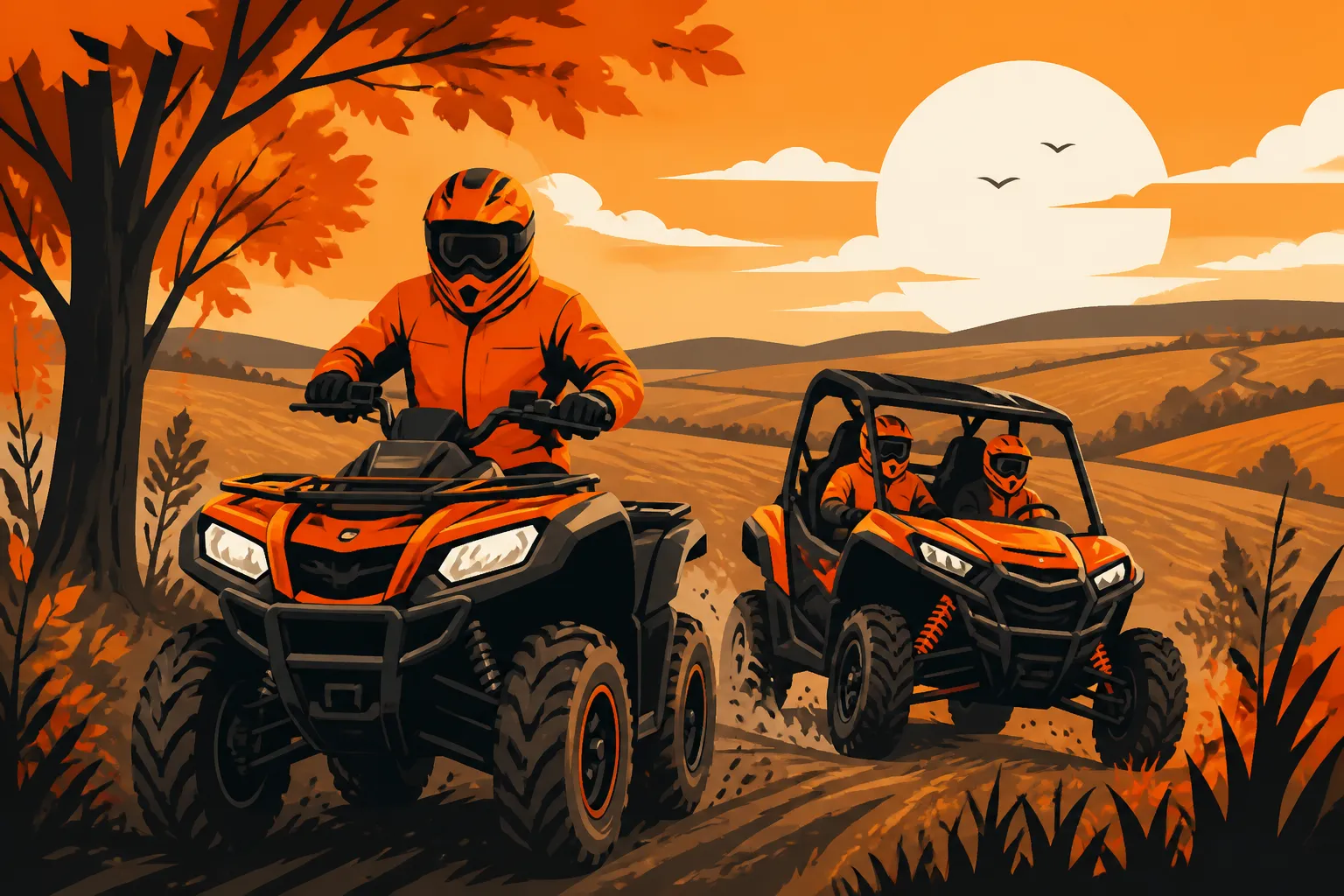
There's nothing quite like hitting the trails or cruising a gravel road on your ATV or UTV in Iowa during a crisp November morning. The air is fresh, the leaves are gone, and the landscape is wide open, offering breathtaking views. But with that beauty comes a critical responsibility, especially when you consider that November is prime hunting season across our great state. This guide will help you understand why blaze orange isn't just a good idea, but an essential part of your riding gear, ensuring you stay safe and seen when sharing the land with hunters, or even if you're hunting yourself.
The Unseen Dangers: Why November Riding Demands More Vigilance in Iowa
Iowa's landscape transforms in November. The vibrant greens of summer have faded, replaced by the muted browns and grays of winter, punctuated by the occasional flash of autumn's last gasp. It's a beautiful time to ride, but it's also a time when you're far more likely to encounter hunters in fields, timber, and even along roadsides. This overlap creates a unique set of challenges and demands a heightened sense of awareness from all ATV and UTV operators. It's not about fear, but about being proactive in ensuring everyone's safety.
Understanding Iowa's Hunting Seasons and ATV/UTV Overlap
November in Iowa is a bustling time for hunters. Deer seasons, especially shotgun seasons, often dominate the calendar, drawing thousands of hunters into the timber and fields. Pheasant and other small game seasons are also in full swing. Hunters are often focused, moving slowly and deliberately, and might not expect to encounter an off-road vehicle in certain areas. Conversely, many ATV and UTV riders use their machines specifically for hunting, whether it's for transport, retrieving game, or setting up blinds. This means you might be riding where hunters are actively positioned, or you might be a hunter yourself, needing to blend safety with your hunting activities.
Imagine you're cruising a level B road that borders a timberline, enjoying the quiet hum of your UTV. Unbeknownst to you, a deer hunter has set up a stand just inside that timber, his focus intently on a field edge. Your presence, especially if you're not easily visible, could create a dangerous situation. It's crucial for riders to recognize that these areas, which might be open for riding, are also active hunting grounds. Understanding the basic rhythm of hunting season—dawn and dusk are peak times, for instance—can help you anticipate where and when you might encounter others, allowing you to adjust your riding plan accordingly. You might find yourself needing to ride on a [Snow-Covered Gravel Road] as well, adding another layer of challenge.
The Critical Role of Blaze Orange: Standing Out in the Woods and Fields
Blaze orange, often called hunter orange, isn't just a fashion statement; it's a life-saving tool. Its specific shade of fluorescent orange is highly visible against natural backgrounds, even in low light conditions or dense foliage. The human eye is incredibly good at detecting this specific color, making it an unmistakable signal that "I am here." In a state where hunters often wear camouflage designed to help them blend in, an ATV or UTV rider needs to do the exact opposite. Your goal is to stand out as much as possible, leaving no room for doubt about your presence.
Think about it from a hunter's perspective. They are scanning the woods, looking for movement, for the outline of an animal. Any unexpected movement or shape could be misinterpreted, especially if light conditions are poor. A flash of blaze orange immediately breaks that pattern, signaling "human" and allowing the hunter to correctly identify you. This simple act of wearing proper visibility gear dramatically reduces the risk of being mistaken for game, a tragic scenario that is entirely preventable. It's a silent agreement between riders and hunters: "I see you, and you see me." This is especially vital when riding in areas where visibility might be limited, like thick brush or rolling terrain.
Gearing Up: Specifics for Your Blaze Orange ATV or UTV Ride
Simply having "something orange" isn't always enough to ensure maximum safety during Iowa's hunting seasons. There are specific guidelines and best practices that riders should adopt to ensure they are adequately visible, not just to passing vehicles on a road, but to hunters who might be concealed in the landscape. This proactive approach shows respect for all users of Iowa's outdoors and helps to prevent accidents.
What Counts as "Enough" Blaze Orange for Riders and Machines
Iowa's hunting regulations often specify minimum amounts of blaze orange for hunters, such as a certain number of square inches visible from all directions. While these specific measurements aren't typically mandated for ATV/UTV riders unless they are actively hunting, adopting a similar standard is incredibly wise. A blaze orange vest or jacket should be your minimum. This isn't just about covering your torso; it's about ensuring visibility from the front, back, and sides. A blaze orange hat is also a great addition, adding visibility at a higher point, which can be seen over terrain or brush.
Consider layering your blaze orange. If you're wearing a jacket, make sure it's bright orange. If you take the jacket off, ensure you have a blaze orange shirt or vest underneath. The goal is continuous visibility. For your machine, think about adding blaze orange flags or streamers, particularly on the rear, or even covering parts of your machine with temporary blaze orange material. While your machine might be an interesting color, it's often not the specific, highly visible hue of blaze orange. This is especially important if you're riding through taller vegetation or on trails where your machine might be partially obscured.
Beyond the Vest: Other Visibility Enhancements for Your Machine
Your personal attire is the first line of defense, but your ATV or UTV can also be equipped to maximize visibility. Modern machines already come with some lighting, but for November riding, consider supplementing it. Upgrading your headlights to brighter LED options can help you see better in the shorter daylight hours and make your machine more noticeable. Adding additional lighting, like auxiliary light bars or work lights, can also increase your overall footprint of light, making your machine stand out. Brands like SuperATV offer a fantastic range of aftermarket LED light bars and pods that can dramatically improve your visibility, both for you to see the terrain and for others to see your machine from a distance.
Beyond lighting, think about high-visibility accents. Reflective tape in blaze orange or other bright colors can be applied to fenders, racks, and even your helmet. These reflective elements catch and return light, making you much more visible to headlights or flashlights in low-light conditions. If you're using your machine for hunting, consider a tall, bright flag mounted to a rear rack. This flag can extend above your machine, making you visible even when cresting hills or moving through depressions. Don't forget, when you're riding, you should always be carrying the [Carrying the Certificate on an Iowa Ride] for your machine.
| Safety Practice | General Riding | November Riding (Hunting Season) |
|---|---|---|
| Personal Attire | Comfortable, weather-appropriate | Blaze Orange Jacket/Vest/Hat (Mandatory for safety) |
| Machine Visibility | Headlights on, brake lights functional | Enhanced lighting (LEDs), blaze orange flags/accents |
| Route Planning | Check weather, trail conditions | Check hunting calendars, avoid peak hunting times/areas if possible |
| Noise Awareness | Mindful of others | Extra mindful of noise near active hunting areas |
| Speed | Appropriate for conditions | Reduced speed, especially in areas bordering timber/fields |
| Communication | Group signals, cell phone | Inform others of your route, carry charged cell phone |
| Respect for Others | Yield right-of-way, be courteous | Acknowledge hunters, give wide berth, respect private land |
Navigating Iowa's Roads and Lands During Hunting Season
Riding an ATV or UTV in Iowa often involves a mix of trails, private land, and public roads. During hunting season, each of these environments presents unique considerations for safety and etiquette. Understanding how to responsibly navigate these spaces is key to a smooth and safe November ride, ensuring you minimize any potential conflicts or hazards. Knowing the rules for [Iowa Rules for Riding Public Land] is always a good idea.
Responsible Road Use: Sharing the Pavement and Gravel with Hunters
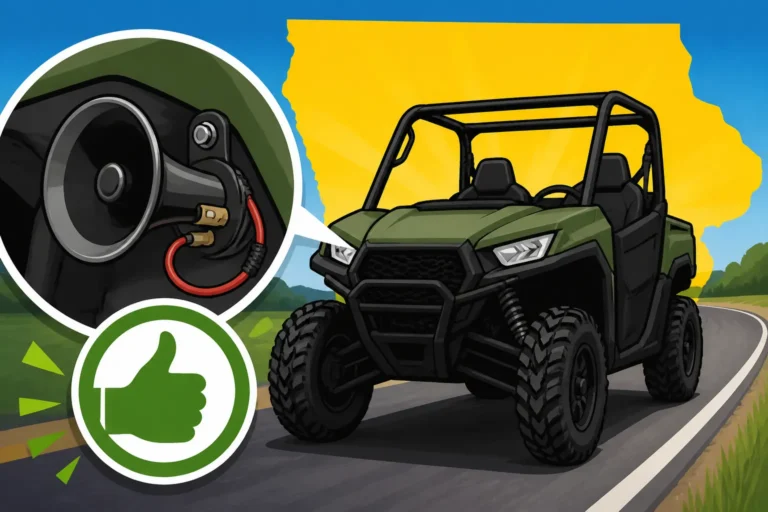
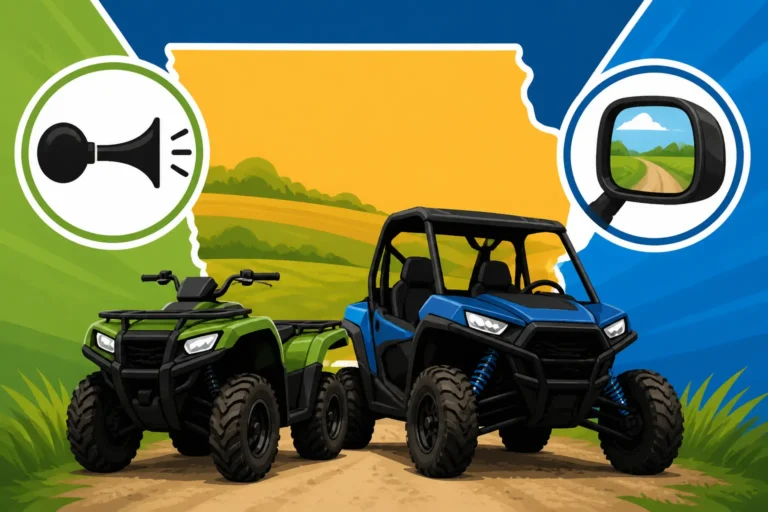
Iowa allows ATVs and UTVs on certain public roads, primarily unpaved secondary roads, under specific conditions. When you're utilizing these roads, whether paved or gravel, during hunting season, your awareness needs to be dialed up significantly. Hunters often park vehicles along secondary roads, and they might be walking along road shoulders to access hunting land. You could also encounter hunters moving game or simply scouting. Ensure your machine is legally equipped for road use, including proper lighting, mirrors, and a horn. Remember that [Headlights On All Day in Iowa] is a good practice, and often a requirement, especially as daylight wanes early in November.
When you see parked vehicles with trailers or signs of hunting activity, slow down considerably. Give pedestrians a very wide berth. Your machine's noise can travel quite a distance, so be mindful of disturbing hunters who may be actively waiting for game. While you have a right to use these roads, exercising courtesy and caution goes a long way. This includes minimizing dust on gravel roads and being aware of other vehicles and individuals who might be less accustomed to seeing ATVs or UTVs on public roadways. Always adhere to the [Iowa's Unpaved Secondary Road Rule] and other road use regulations.
Respecting Boundaries: Public, Private, and Level B Roads
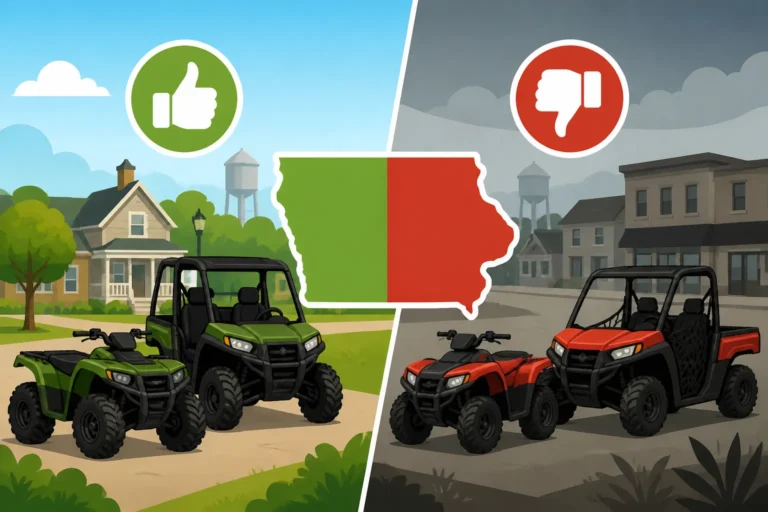
Iowa's diverse landscape means you'll encounter a variety of land classifications. Public lands, such as state forests or wildlife management areas, are often heavily utilized by hunters. If you're riding on public land, especially during deer season, assume hunters are present. Stay on marked trails and designated riding areas. Going off-trail not only risks trespassing but could also inadvertently lead you into a hunter's line of sight or disturb their setup.
Private land is even more critical. You absolutely must have explicit permission from the landowner to ride an ATV or UTV on private property. During hunting season, this permission often carries additional stipulations, such as specific dates or times you can ride, or areas to avoid. Always clarify these details with the landowner beforehand. Never assume that because a gate is open, you have permission. For [Riding Private Ground in Iowa], clear communication is paramount. Level B roads, those unmaintained county roads, often cut through or border private land. While you may have a right to travel these roads, avoid venturing off them onto adjacent property without permission. Being visible with blaze orange is important on all these land types, reinforcing your presence as a human operator, not a target.
Comprehensive Safety: Beyond the Orange for Your Fall Rides
While blaze orange is undeniably crucial for November riding in Iowa, a truly safe and enjoyable experience requires a more holistic approach to preparedness. Beyond visibility, riders need to consider the unique challenges of fall and early winter conditions, ensuring both themselves and their machines are ready for anything the Iowa landscape might throw at them. This means thinking about everything from mechanical readiness to personal survival.
Planning Your Route and Sharing Your Intentions
Never head out for an extended ride, especially in remote areas or during hunting season, without a solid plan. Before you even load up your machine, map out your intended route. Consider the terrain, potential obstacles, and any known hunting areas. If you plan to use any county or secondary roads, be sure you understand [Iowa Rules for Riding a Gravel Road] or [Iowa Rules for Riding a Paved Secondary Road], and know how far you're allowed to go on them. Share this route with someone trustworthy who isn't riding with you, and give them an estimated return time. This simple step can be a lifesaver if you encounter an unexpected breakdown, injury, or get lost.
Beyond the route, consider the timing of your ride. If you're not hunting, try to avoid dawn and dusk, which are peak hunting hours. Mid-day riding generally has fewer hunters actively moving. Also, check the weather forecast meticulously. November weather in Iowa can be unpredictable, shifting rapidly from mild to freezing, or bringing unexpected rain or snow. Prepare for the coldest conditions you might encounter, even if the forecast seems pleasant at the start of your ride.
Essential Gear and Preparedness for Cold Weather and Remote Riding
Your machine needs to be in top condition for fall and winter riding. Perform a thorough pre-ride inspection: check tire pressure, fluid levels, brakes, and all lights. Cold weather can be hard on batteries, so ensure yours is fully charged and in good health. Carry a small tool kit, a tire repair kit, and a portable air pump. Even with the best preparation, things can go wrong. Having a winch on your ATV or UTV, especially if you're venturing into muddy or challenging terrain, can be an absolute game-changer. Brands like SuperATV offer robust winches that can help you self-recover from a sticky situation, saving you from a long, cold walk.
For yourself, beyond the blaze orange, layer your clothing. Insulated, waterproof outerwear is essential. Carry extra gloves, a hat, and a scarf. A first-aid kit is non-negotiable. Pack high-energy snacks and plenty of water, even in cold weather, as dehydration can still be a risk. A fully charged cell phone is important, but don't rely on it exclusively, as cell service can be spotty in rural Iowa. A whistle, a compass, and a small flashlight or headlamp are also wise additions. Being prepared for an unexpected overnight stay, even if it's just a small emergency blanket, can provide crucial peace of mind. Remember, if you do get into an accident, there are specific [Iowa ATV Accident Reporting Requirements] you'll need to follow.
Disclaimer
This article is for general informational purposes only and does not constitute professional advice. Laws, prices and regulations vary by location and change over time. Consult a qualified professional for guidance on your specific situation.