Iowa Rules for Riding a Bike Trail
It's completely understandable to look at a network of bike trails winding through Iowa's beautiful landscapes and wonder, "Can I take my ATV or UTV on that?" The thought of exploring new paths, seeing different scenery, and just enjoying the ride is a powerful draw. However, when it comes to riding your off-highway vehicle (OHV) on an Iowa bike trail, the answer is almost universally a resounding no. This guide will clarify why these trails are off-limits, what the law says, the potential repercussions, and importantly, where you can legally and safely enjoy your ATV or UTV in the Hawkeye State.
Why Bike Trails and OHVs Just Don't Mix in Iowa
The fundamental reason ATVs and UTVs are typically prohibited from bike trails isn't just about fun versus rules; it's deeply rooted in safety, trail design, and the very purpose for which these trails were created. It’s a bit like trying to drive a semi-truck on a pedestrian-only boardwalk—it’s simply not designed for that.
Safety Concerns for All Users
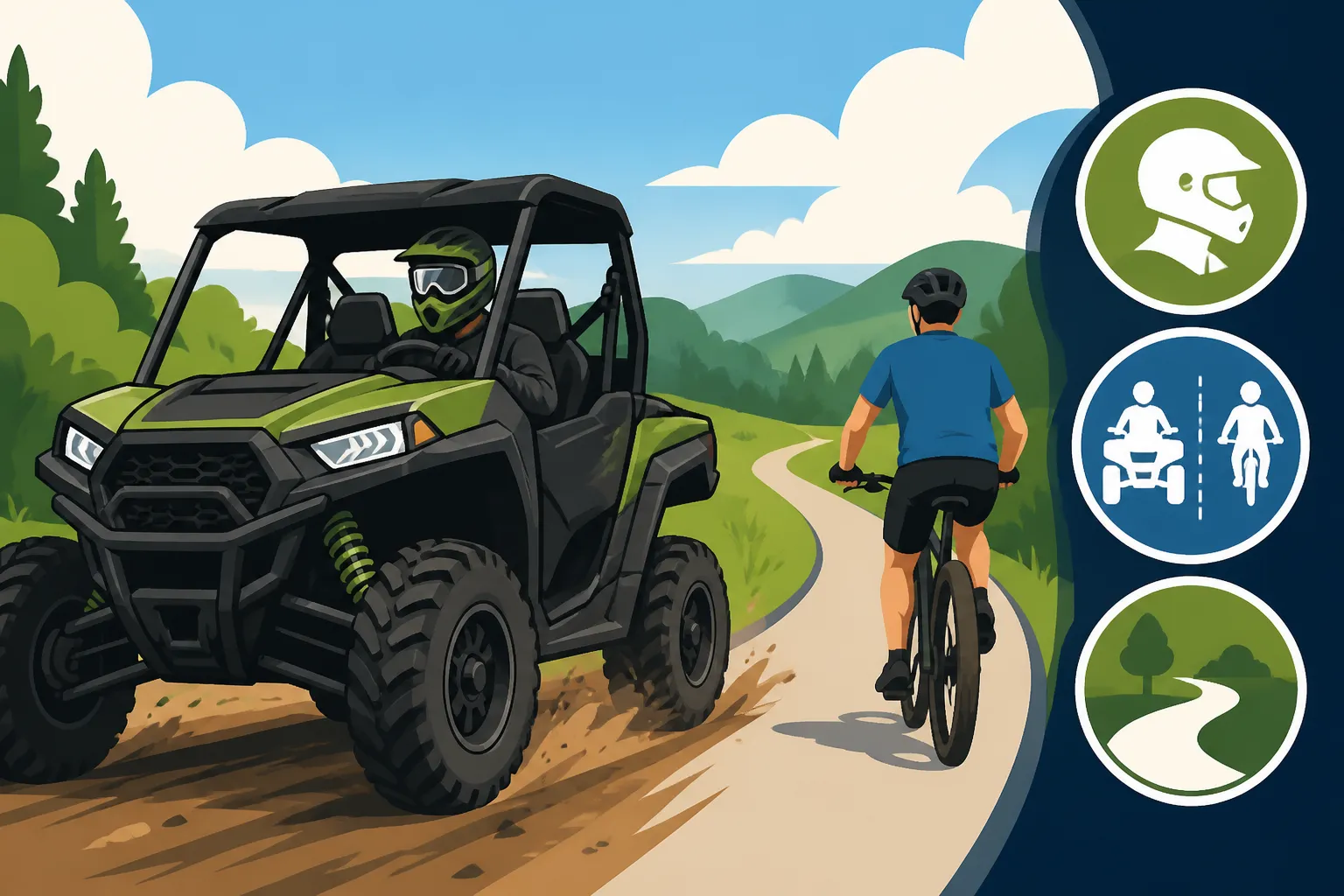
Imagine riding your ATV, even at a slow speed, around a blind corner on a paved trail. Suddenly, you're face-to-face with a family on bicycles, or a group of runners, or even someone walking their dog. The size, weight, and speed capabilities of ATVs and UTVs are vastly different from bicycles or pedestrians. A minor collision for a bike can be a major incident for an OHV, and vice-versa, with potentially devastating consequences for the unprotected trail users. Bike trails often weave through residential areas, parks, and natural spaces, placing vulnerable users in close proximity to traffic that simply isn't anticipated. It creates an unnecessary and dangerous hazard that goes against the very idea of a safe, shared-use path for non-motorized recreation.
Think about the response time needed. A cyclist can often swerve or stop quickly, and they anticipate other slow-moving, similarly agile users. An ATV or UTV, especially some of the larger side-by-sides, requires more braking distance and turning radius. Even if you're an incredibly careful rider, the sheer difference in mass and momentum between your machine and a bicycle or person means any accident has a much higher potential for serious injury or worse.
Trail Design and Wear-and-Tear
Iowa's extensive network of bike trails, often paved or finely graveled, is specifically engineered to handle the lighter loads and narrower footprints of bicycles, runners, and walkers. They're built for low-impact, non-motorized traffic. When ATVs and UTVs are introduced, even occasionally, the impact can be significant. The weight and knobby tires of an OHV can quickly degrade the surface, chewing up soft shoulders, creating ruts, and accelerating the breakdown of asphalt or compacted gravel.
Furthermore, these trails often have features like narrow bridges, tight turns, or gates designed to prevent larger vehicles from entering, which can be challenging or impossible for many ATVs and UTVs to navigate safely. The wear and tear isn't just an aesthetic issue; it can lead to costly repairs for the organizations and communities that maintain these trails, diverting funds that could be used for expansion or other recreational programs. It's not just about what you can physically drive on, but what the surface and infrastructure are truly built to withstand without falling apart. Many riders rely on durable parts, and while SuperATV might offer fantastic upgrades for legitimate off-road use, even the toughest components won't change the fundamental design limitations of a bike path.
Noise, Exhaust, and Environmental Impact
Bike trails are often cherished for their peaceful, natural settings, providing an escape from the hustle and bustle of motorized traffic. The noise from ATV and UTV engines, even well-maintained ones, can disrupt this tranquility for other users and potentially disturb wildlife in adjacent natural areas. Imagine a quiet morning jog being interrupted by the roar of an engine – it completely changes the experience for someone seeking solitude.
Beyond noise, the exhaust fumes from gasoline-powered OHVs, while regulated, are still a factor in areas meant for fresh air and close human interaction. Introducing these emissions into spaces designed for clean recreation goes against the environmental principles often upheld by trail development. The dust stirred up on gravel sections by even a single ATV can also be a nuisance, coating vegetation and impacting air quality for those behind you. These factors contribute to why communities often have very clear rules about separating motorized and non-motorized recreational spaces.
Iowa's Legal Landscape: What the Law Says About Bike Trails
When it comes to motor vehicles, Iowa law is quite specific about where different types of machines can and cannot operate. Bike trails fall squarely into the category of areas not intended for ATVs and UTVs, unless explicitly stated otherwise by local ordinance or signage, which is exceedingly rare.
Defining an Off-Highway Vehicle (OHV) in Iowa Law
Iowa law defines an off-highway vehicle (OHV) as including all-terrain vehicles (ATVs), off-road motorcycles, and off-road utility vehicles (UTVs). These machines are generally designed for off-road use, though there are specific, limited exceptions for road use under strict conditions. Crucially, these definitions and the regulations that follow them do not include "bike trails" as permissible riding areas. The intent of the law is to manage these vehicles in designated areas or on specific types of public roads, not on paths designed for bicycles and pedestrians.
The state views these different types of machines as requiring separate infrastructure and regulatory frameworks. Your machine's [Iowa ATV Registration Cost] includes fees that support the creation and maintenance of approved OHV trails, not bike paths. Using an OHV on a bike trail would be diverting its intended use, much like driving a car on a sidewalk. The law simply doesn't make provisions for it.
Bicycle Trails and Multi-Use Paths
Iowa's bicycle trails and multi-use paths are typically governed by state code and local ordinances that designate them exclusively for non-motorized traffic, or very specific types of low-speed electric-assist vehicles (like e-bikes), but almost never for gasoline-powered ATVs or UTVs. These paths are often funded through grants and initiatives aimed at promoting active transportation and recreation, explicitly excluding internal combustion engine vehicles.
Consider a multi-use path that connects two towns. While it might look like a convenient shortcut, these paths are extensions of the non-motorized transportation network. County and city councils work hard to develop these resources, and they are typically very clear about what vehicles are allowed. Even if a section of a bike trail seems deserted, you are still bound by these designations. Always assume that unless you see very clear, official signage explicitly allowing OHVs (which, again, is highly unlikely on a bike trail), you are prohibited from riding there. For information on where you can take your machine, refer to resources like [Where to Ride an ATV in Iowa].
Local Ordinances and Their Impact
While state law sets the general framework, individual cities and counties in Iowa have the authority to create their own ordinances regarding vehicle use within their jurisdictions. Some municipalities have opened specific low-speed roads or parts of their street systems to OHVs, often with strict rules regarding speed, time of day, and insurance. However, these ordinances almost never extend to opening bike trails to ATVs or UTVs. In fact, many local ordinances specifically prohibit motorized vehicles on bike trails, solidifying the state's general stance.
It's a common frustration to see a beautiful paved path and not be able to ride it. If you're ever in doubt, the best course of action is to contact the local city or county parks and recreation department or the county sheriff's office to inquire about specific rules for a particular trail. Never assume that the absence of a "No ATVs" sign means permission is granted. Silence in this area typically means "no" when it comes to OHVs on non-motorized trails.
Consequences of Riding on Prohibited Trails
Ignoring the rules and taking your ATV or UTV onto a designated bike trail in Iowa can lead to a host of unpleasant consequences, ranging from fines to damaged property and a tarnished reputation for the entire OHV community. It's simply not worth the risk.
Fines and Legal Penalties
The most immediate consequence of riding an OHV on a prohibited trail is the potential for a citation and a fine. Law enforcement, whether it's a local police officer, county sheriff's deputy, or a state conservation officer, will not hesitate to issue tickets for unauthorized vehicle use. These fines can vary depending on the jurisdiction and the specific ordinance violated, but they can quickly add up. For example, [Iowa Fines for Illegal ATV Road Use] often includes significant penalties, and similar fines can apply to off-limit trails.
Beyond the initial fine, you could also face charges for property damage if your machine caused any degradation to the trail surface or surrounding landscape. If an accident occurs and you are found to be on a prohibited trail, your liability could increase dramatically, potentially impacting your insurance and leading to civil lawsuits. It’s not just a slap on the wrist; it’s a serious legal matter that can cost you a lot of money and cause significant hassle. Many riders invest in durable accessories from companies like SuperATV for their machines, but no amount of aftermarket parts will protect you from a legal infraction.
Damage to Property and Environmental Impact
As mentioned earlier, ATVs and UTVs can cause significant damage to trails not designed for them. This might include cracking asphalt, rutting soft gravel, or eroding shoulders. If you're caught, you could be held financially responsible for these repairs, which can be far more expensive than any fine. Beyond the direct physical damage, there's the environmental impact. Driving off-trail, even slightly, can damage sensitive vegetation, disturb wildlife habitats, and contribute to soil erosion, especially in areas adjacent to bike paths that are often part of green corridors or nature preserves.
This kind of behavior also jeopardizes future opportunities for OHV enthusiasts. When riders are seen misusing trails, it fuels negative public perception and makes it harder for local clubs and the DNR to secure funding and approval for new, legitimate OHV parks and trails. It's a lose-lose situation that impacts everyone who loves to ride.
Community Backlash and Reputation Damage
Perhaps less tangible but equally significant is the damage to the OHV community's reputation. One rider making a poor decision on a bike trail can create a negative image for all ATV and UTV owners. This can lead to increased scrutiny, stricter regulations, and heightened opposition when proposals for new OHV riding areas come before local councils. We've all heard the complaints about "those noisy ATVs" or "them tearing up trails." Unfortunately, incidents on bike paths only reinforce these stereotypes, making it harder for the vast majority of responsible riders to gain acceptance and new opportunities.
A strong, positive relationship with the community is vital for the growth of OHV recreation. Adhering to rules, respecting designated areas, and being a responsible ambassador for the sport helps build goodwill and opens doors for future trail development. Conversely, violating these spaces creates animosity and closes them.
Where You Can Ride Your ATV/UTV in Iowa
Now that we've covered where you cannot ride, let's focus on the many fantastic places where you can legally and safely enjoy your ATV or UTV in Iowa. The state has invested in designated areas, and there are specific rules for road use that provide legitimate avenues for riding.
Designated Off-Highway Vehicle (OHV) Parks
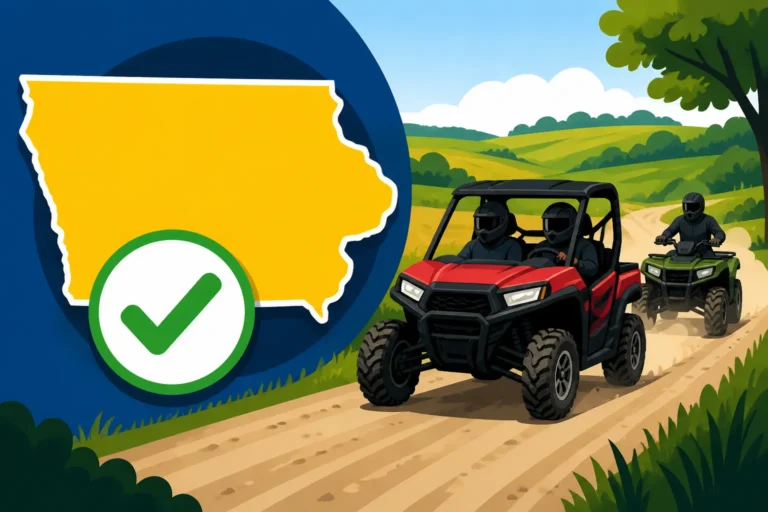
Iowa boasts a network of excellent, designated OHV parks that are specifically designed for ATVs, UTVs, and off-road motorcycles. These parks offer a variety of terrain, from challenging mud holes and hill climbs to winding wooded trails and open riding areas. They are the primary and best places to experience off-roading legally in Iowa. Places like Gypsum City OHV Park near Fort Dodge, Bluff Creek OHV Park in Eddyville, and Paul Huting Recreation Area near Waterloo are prime examples.
These parks are often managed by the Iowa Department of Natural Resources (DNR) in partnership with local clubs and counties, ensuring they are maintained and offer a great riding experience. Your [Iowa ATV Registration Cost] helps fund these very parks, so you're already contributing to their upkeep! Before you head out, always check the park's specific rules and operating hours, as trail conditions and closures can change, especially after heavy rain. Resources like [Iowa's Eight Designated OHV Parks] can provide more details on what each park offers. Many riders equip their machines with robust accessories from SuperATV to tackle the demanding terrain found in these parks, ensuring their vehicle is ready for whatever the trail throws at them.
Iowa's Unpaved Secondary Roads (Gravel Roads)
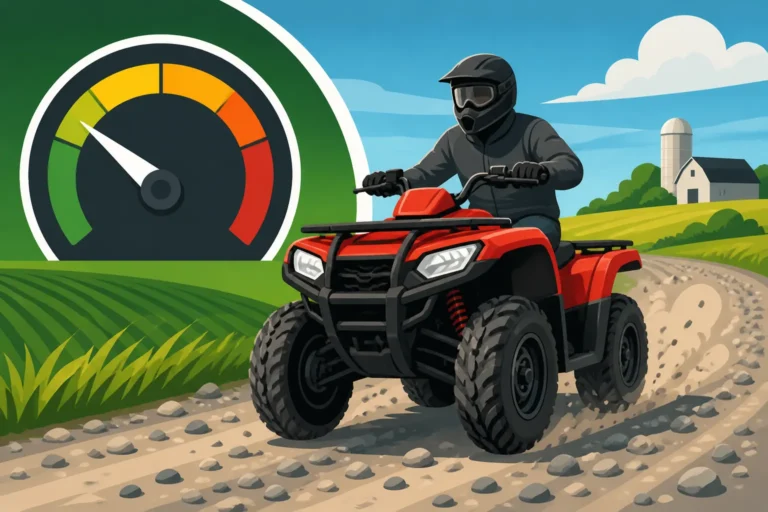
Iowa law does permit ATVs and UTVs to be ridden on certain unpaved county secondary roads (gravel roads), with specific rules and restrictions. This is a popular option for many Iowa riders, allowing them to connect between properties or simply enjoy a scenic ride through the countryside. However, it's not a free-for-all, and you must adhere strictly to the regulations.
Key requirements for riding on these gravel roads include:
- Registration and Titling: Your ATV or UTV must be properly registered and titled with the Iowa DNR through your county recorder. This includes displaying your current registration decal.
- Driver's License: The operator must be at least 18 years old and possess a valid driver's license. [Iowa Driver's License Rules for ATVs] provides more information on this.
- Insurance: You must carry liability insurance with minimum coverage amounts (typically 20/40/15). [Iowa ATV Insurance Requirement] details these minimums.
- Safety Equipment: Your machine needs headlights (on at all times), a tail lamp, a horn, a mirror, and a slow-moving vehicle triangle on the rear.
- Speed Limit: You cannot exceed 35 mph on these roads.
- Most Direct Route: If you're using a gravel road to access an OHV park or private property, you must take the most direct route.
Always check with the specific county's secondary roads department or sheriff's office for any local nuances or additional restrictions. While you can use some gravel roads, remember that these are shared with other vehicles, including large farm equipment and cars, so always ride defensively and courteously. For a full breakdown of the rules, check out [Iowa Rules for Riding a Gravel Road].
Private Land (With Permission)
One of the most common and enjoyable places to ride an ATV or UTV in Iowa is on private land, whether it's your own property or land owned by a friend or family member. If you're on private property with the landowner's explicit permission, the state registration requirements are generally waived, as you are not operating on public land or public rights-of-way.
However, even on private land, common sense and safety rules still apply. Always wear appropriate safety gear, be mindful of noise levels, and avoid disturbing neighbors or wildlife. If you’re riding on someone else’s property, make sure you understand the boundaries and any specific requests they have regarding your riding. Respecting private property is crucial for maintaining good relationships and ensuring continued access for recreational riding. [Do You Need to Register an ATV on Private Land in Iowa?] explains this exemption in more detail.
Permissible vs. Prohibited Riding Areas in Iowa
To help clarify, here's a quick comparison of typical riding areas in Iowa:
| Area Type | ATV/UTV Use Status | Typical Restrictions/Requirements |
|---|---|---|
| Designated OHV Parks | Permitted | Iowa registration, safety certificate (ages 12-17), helmet (often mandatory), spark arrestor, specific park rules, potential closures. |
| Unpaved Secondary Roads (Gravel) | Permitted (Conditional) | Iowa registration, 18+ with valid driver's license, insurance, headlights/taillights, horn, mirror, SMV triangle, 35 mph speed limit. |
| Private Land | Permitted (Conditional) | Landowner permission required. Iowa registration generally NOT required (but machine still needs to be titled for ownership proof). |
| Paved Bicycle Trails/Multi-Use Paths | Prohibited | Designed for non-motorized traffic; motorized vehicles are typically excluded by state law and local ordinance. High fines possible. |
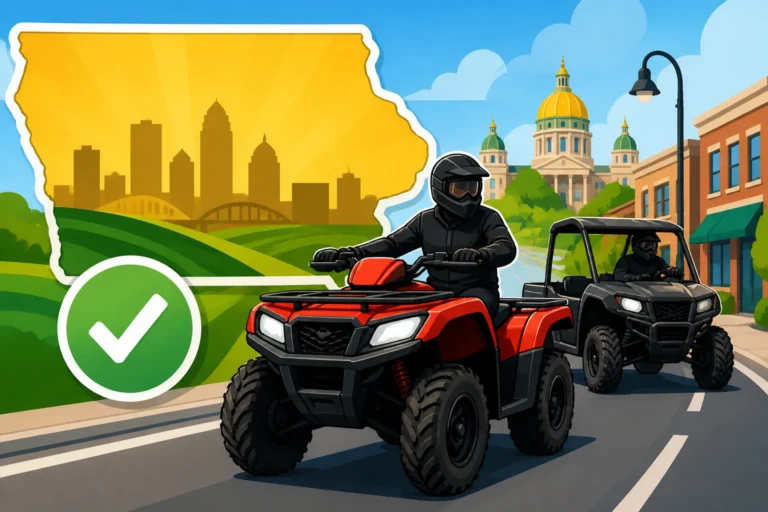
| Paved City Streets/Primary Highways | Prohibited (Limited exceptions) | Generally prohibited unless a city/county ordinance specifically allows it, often for limited routes. Very strict rules apply. |
| Level B Roads | Prohibited (Often) | Unmaintained roads, frequently closed to all motorized traffic or have very specific seasonal rules. Always check local signs. |
This table provides a general overview, but remember that specific local ordinances and park rules can always add nuances. Always verify the rules for your intended riding area before you load up your machine.
Disclaimer
This article is for general informational purposes only and does not constitute professional advice. Laws, prices and regulations vary by location and change over time. Consult a qualified professional for guidance on your specific situation.