Riding Public Ice in February
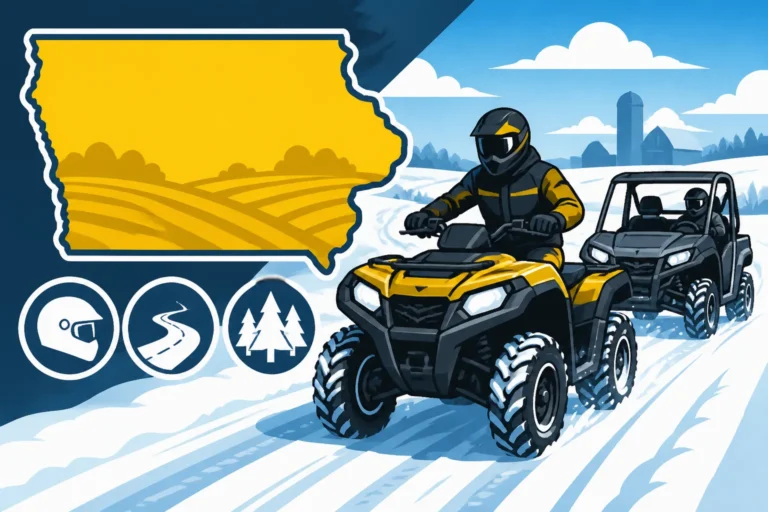
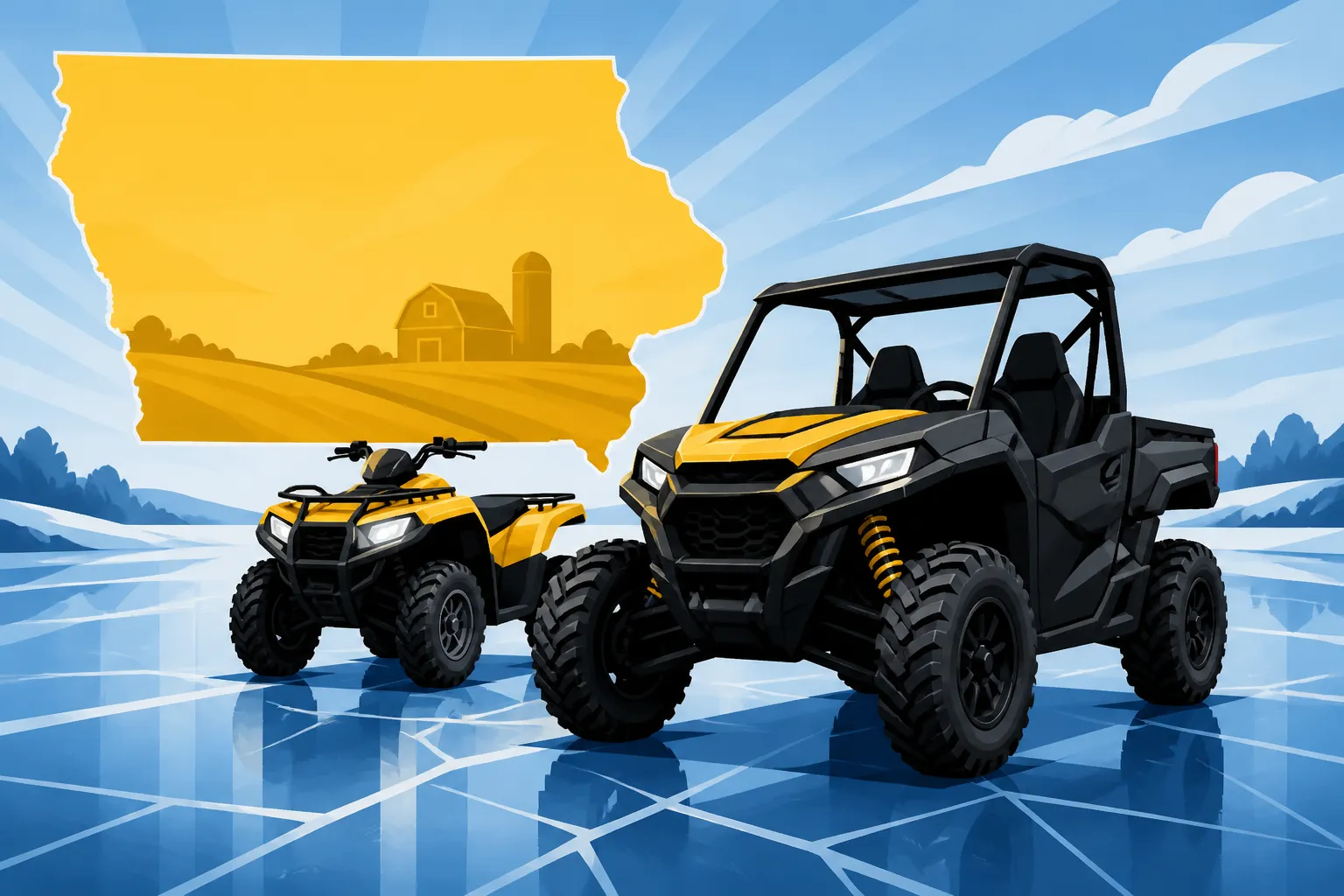
February in Iowa can be a breathtaking time, offering a unique opportunity for ATV and UTV enthusiasts to explore a landscape transformed by ice and snow. The thought of gliding across a vast, frozen lake or river on your machine is undeniably alluring, a true winter adventure that many Iowans dream of. But let's be real: this isn't just another trail ride. Riding on public ice comes with its own set of thrills and, more importantly, very serious risks that simply can't be ignored. This guide is here to walk you through everything you need to know to make sure your February ice riding experience is as safe and enjoyable as possible, covering the rules, the risks, and the essential gear to keep you out of trouble.
Navigating Iowa's Rules for Riding on Public Ice
While the idea of wide-open frozen expanses might conjure images of pure freedom, riding an ATV or UTV on public ice in Iowa is still subject to a specific set of rules and regulations. It's not a free-for-all, and understanding these parameters is the first step toward a responsible and safe winter adventure.
Understanding Public Access and Legalities
Generally speaking, if a body of water is considered public in Iowa, its frozen surface is also often open for recreational use. This usually applies to state-managed lakes, larger rivers, and some county conservation areas. However, "public" doesn't automatically mean "unrestricted." The Iowa Department of Natural Resources (DNR) oversees many of these waterways, and while they permit recreational use, individual areas or counties might have specific ordinances or advisories in place. It's crucial not to assume that just because a lake is public, every inch of its frozen surface is fair game, or that rules don't apply.
No matter where you're riding—be it a designated OHV park or the frozen surface of a lake—your ATV or UTV still needs to be properly registered with the state. This isn't just a formality; it's a legal requirement that helps fund trail maintenance and safety initiatives across Iowa. Trying to save a few bucks by skipping this step could lead to significant fines if you're stopped by a conservation officer or local law enforcement. You can find detailed information on the process, including current costs, in our guide on [Iowa ATV Registration Cost]. For our friends visiting from out of state, don't forget that Iowa has specific requirements for you too; a nonresident permit is often necessary to legally operate your machine on public lands and waters here. You can learn more about this in [Iowa's Nonresident User Permit].
Beyond state-level regulations, local authorities often have the power to implement additional rules or temporary closures. A county sheriff's office or a local conservation board might issue warnings about unsafe ice conditions or even outright prohibit vehicle access on certain waterways if conditions are deemed too dangerous. For instance, a small lake managed by a county might have different access points or restrictions compared to a large state-owned reservoir. Before you head out, especially if you're exploring a new area, it's always a good idea to check with the local county conservation board or the sheriff's department in that specific area. A quick phone call can save you a lot of hassle and potential danger.
Finally, while the ice might seem like an extension of open land, private property lines still exist, even when covered by snow and ice. It's easy to lose track of boundaries when everything looks like a continuous white sheet. Always be mindful of where you're riding and avoid venturing onto private land without explicit permission from the landowner. Trespassing laws apply on frozen surfaces just as they do on dry ground. If you're unsure about property lines, it's best to err on the side of caution or consult a map. For a deeper dive into these specifics, check out [Iowa Landowner Permission Rules].
Essential Safety Certifications and Operational Guidelines
For younger riders, Iowa has specific requirements regarding ATV and UTV operation on public lands, and this extends to public ice. If you or someone in your riding group is between the ages of 12 and 17, they are generally required to possess an ATV Safety Certificate issued by the Iowa DNR. This certification ensures that young operators have a foundational understanding of safe operating practices, rules of the trail, and emergency procedures. While adults (18 and older) are typically exempt from this certificate requirement, understanding and adhering to safe practices is paramount for everyone on the ice. Information on obtaining this certificate can be found in [Iowa ATV Safety Certificate Requirements].
Beyond certification, general safe operating principles for ATVs and UTVs are amplified when you're on a frozen surface. This means no reckless driving, no excessive speeds, and absolutely no operating under the influence of alcohol or drugs. Conservation officers and local deputies are on patrol on Iowa's frozen waterways, just as they are on land, and they take these violations very seriously. The consequences for operating an ATV or UTV while intoxicated are severe, mirroring those for cars on public roads. Your safety, and the safety of others, depends on sober, responsible decision-houldered decision-making.
Speed is another critical factor that demands extra attention on ice. While your machine might feel capable of reaching higher speeds on a wide-open frozen lake, the traction can be unpredictable, and stopping distances dramatically increase. Unlike dirt trails or paved roads, ice can be inconsistent – a perfectly smooth patch can quickly give way to slush, ruts, or snow drifts. Maintaining a moderate, controlled speed allows you to react to changing conditions, avoid sudden impacts, and maintain better control of your machine. It also reduces the risk of hydroplaning or losing control if you hit an unexpected patch of water or thin ice. Think slow and steady, especially in unfamiliar territory.
Assessing Ice Conditions: Your Primary Safety Measure
When it comes to riding an ATV or UTV on public ice in Iowa, no amount of preparation, gear, or skill can compensate for unsafe ice conditions. The single most critical factor in determining whether a frozen body of water is safe to ride on is the thickness and quality of the ice itself. Ignoring this fundamental principle is not just risky; it's potentially catastrophic.
The Absolute Importance of Ice Thickness
Let's be unequivocally clear: ice thickness is the golden rule, the non-negotiable standard that dictates whether you should even think about putting your machine on a frozen lake or river. It's not about how confident you feel or how many other people you see out there. The raw, scientific measurement of ice thickness directly correlates to its weight-bearing capacity. Thin ice isn't just a minor inconvenience; it's a direct threat to life and limb. Every year, we hear heartbreaking stories of individuals and their machines falling through ice, often because this simple, yet vital, rule was disregarded.
The Iowa DNR, along with other safety organizations, provides clear guidelines for minimum ice thickness required for various activities. While these are general recommendations and actual safety can vary based on ice quality, they serve as an essential benchmark. For individual foot travel, about 4 inches of clear, solid ice is typically recommended. However, for a single ATV or snowmobile, you're looking at a minimum of 5-7 inches, and for a UTV or a small car, it jumps to 8-12 inches. These numbers are for clear, new ice. If the ice is cloudy, old, or has been subjected to freeze-thaw cycles, you need to double these figures. For specific recommendations, it's always best to check the most current guidelines, often summarized in resources like [Ice Thickness Before a February Ride].
Several factors can drastically influence ice thickness and integrity, even on the same body of water. Strong currents, particularly in rivers or near inlets and outlets of lakes, can erode ice from underneath, creating dangerously thin spots that are invisible from the surface. Underwater springs can also create localized areas of thin ice. Heavy snow cover, while seemingly harmless, acts as an insulating blanket, slowing down the freezing process and preventing existing ice from thickening. Conversely, periods of warm weather, even a few sunny days in February, can significantly degrade ice quality, turning solid ice into a weak, honeycombed structure. Always consider these variables, not just the thermometer reading from a week ago.
How do you accurately check ice thickness? You don't just guess or rely on anecdotal reports from others. The most reliable method is to use an auger or spud bar to drill or chip holes at regular intervals as you venture out, especially in new or unfamiliar areas. Start close to shore and work your way out, checking every few yards. Pay attention to the color and texture of the ice you're checking – clear, blue ice is generally strongest, while cloudy, white, or slushy ice is weaker. Never assume that the ice is uniform across the entire surface. Your own active, vigilant ice checks are your personal safety net.
Identifying and Avoiding Hazardous Ice Areas
While a minimum ice thickness is your primary guideline, it's equally important to visually identify and steer clear of specific types of ice that are inherently dangerous. Not all ice is created equal, and some formations are clear indicators to turn around or find an alternative route. Cloudy or white ice, for instance, often contains trapped air bubbles or layers of refrozen snow, making it significantly weaker than clear, blue ice. Honeycombed ice, which appears porous and crystalline, is another huge red flag, often forming after a thaw and refreeze cycle, lacking the structural integrity of solid ice. Slushy areas, naturally, indicate water on or just under the surface, a clear sign of rapidly deteriorating conditions.
Certain geographical features on a frozen body of water are notorious for hiding thin or unstable ice. Inlets and outlets of lakes, where water flows in or out, are prime examples. The moving water prevents consistent freezing and can quickly erode ice from below. Similarly, areas around bridges, docks, pilings, and other permanent structures often have thinner ice due to heat absorption or altered current patterns. Pressure ridges, which are jagged formations where ice sheets have buckled and pushed against each other, can also conceal dangerous cracks and weak spots. Always give these areas a wide berth; the fish might be biting there, but your safety isn't worth the risk.
February in Iowa can be a fickle month, weather-wise. We often experience periods of deep freeze followed by sudden thaws, sometimes even reaching above-freezing temperatures for a day or two. These temperature swings are incredibly detrimental to ice integrity. Even if the ice appeared thick and safe after a prolonged cold spell, a sudden warm front can rapidly weaken it, especially near the surface. What looks like a solid, frozen expanse after a day of thawing might actually be a thin crust over slush or even open water. Always check the recent weather history, not just the current temperature. When in doubt, it's always better to stay off the ice entirely. Remember, the ice might look inviting, but its condition after a warm spell can be deceivingly dangerous.
Equipping Yourself and Your Machine for Ice Safety
Riding on public ice demands a heightened level of preparedness compared to typical trail riding. The environment is unforgiving, and the consequences of an oversight can be severe. Equipping both yourself and your machine with the right gear isn't just about comfort; it's about survival.
Critical Gear for Rider and Machine
When you're out on the ice, your personal safety gear needs to go beyond the basics. Think about what would happen if you did go through the ice. Having a pair of ice picks, easily accessible and worn around your neck, could be the difference between pulling yourself out and succumbing to hypothermia. Beyond that, dressing in layers is crucial, but consider a specialized floatation suit or a cold-weather survival suit. These suits are designed to provide buoyancy if you fall in, and offer excellent insulation against the brutal Iowa winter wind and cold. Good quality, insulated, waterproof boots, gloves, and a warm hat are also non-negotiable. While Iowa doesn't legally mandate helmets for ATVs on roads, many still wear them, and for ice riding, the potential for a serious head injury from a fall on a slick surface or in a collision makes a helmet a very wise choice. You can consider various helmet options, even those specifically designed for extreme cold, as outlined in [Iowa ATV Helmet Law for ATV Riders].
Your machine also needs to be outfitted for the unique challenges of ice riding. A strong recovery rope and a throwable flotation device are essential. The rope can be used to pull a buddy out of a sticky situation (or for them to pull you), and the throwable device can be deployed to someone who has fallen through the ice without putting yourself in further danger. A fully charged cell phone in a waterproof case is a must, but understand that signal can be spotty in remote areas. A GPS unit or a GPS app on your phone, with downloaded maps of the area, can be invaluable for navigation, especially if whiteout conditions or fog roll in. Consider durable aftermarket accessories from reputable brands like SuperATV. Their heavy-duty winches, for example, can be a lifesaver for self-recovery or assisting others, especially if your machine gets stuck in deep snow or slush pockets on the ice.
Beyond immediate rescue gear, a well-stocked survival kit should always accompany you. This means extra dry clothes, sealed in a waterproof bag, to change into if you get wet. A basic fire starter, a multi-tool, and a first-aid kit can address minor injuries or help sustain you until help arrives. Packing high-energy snacks and a thermos of hot coffee or soup can help maintain body temperature and morale during long rides or unexpected delays. These items are not just for worst-case scenarios; they enhance your overall comfort and preparedness, making the experience more enjoyable and less stressful.
Finally, consider the practical tools for navigating the ice itself. A small, collapsible shovel can be incredibly useful for digging out if you get stuck in a snowdrift or a slushy patch. Ensuring all your machine's lights—headlights, taillights, and any auxiliary lighting—are fully functional is critical, especially in low light, during whiteouts, or if you find yourself out on the ice after sunset. Visibility is key, both for seeing where you're going and for being seen by others. Enhancing your lighting with aftermarket options can significantly improve safety in these challenging conditions.
Pre-Ride Checks and Machine Preparation
Before you even think about loading your ATV or UTV for an ice riding adventure, a comprehensive pre-ride inspection is non-negotiable. Start with your tires: while you'll want to slightly lower your tire pressure for better traction on the ice, ensure they are in good condition with no significant wear or damage. Check all fluid levels—engine oil, coolant, brake fluid—as cold temperatures can exacerbate any existing issues. Test your brakes thoroughly, paying attention to any sponginess or unusual sounds. All lights, as mentioned before, need to be fully operational. Also, ensure your spark arrestor is intact and clean; this is not only an environmental and fire safety measure but a legal requirement for riding in many public areas, as detailed in [Iowa Spark Arrester Rules].
Adjusting your tire pressure is a subtle but effective way to improve traction on ice and snow. Slightly deflating your tires increases their contact patch with the surface, providing more grip. However, be cautious not to underinflate too much, as this can lead to bead leaks or damage to your tires. Experiment with a few pounds less than your usual trail pressure to find the sweet spot for the conditions you're encountering. Remember that icy conditions demand a softer touch on the throttle and brakes, regardless of tire pressure, but optimizing your tires gives you an edge.
Cold February temperatures can be brutal on your machine's battery. Before any cold-weather ride, ensure your battery is fully charged and in good health. A weak battery can struggle to start your engine in sub-freezing conditions, leaving you stranded far from shore. If your battery is older, consider replacing it. Many riders also use a battery tender when their machine is stored between rides to keep the battery topped off and ready. It's a small investment that can prevent a major headache in the cold.
Ultimately, robust maintenance is your best friend when you're venturing onto frozen water. Being far from shore with a broken-down machine in freezing temperatures is a serious situation. Ensure all bolts are tight, suspension components are in good working order, and nothing is rattling or loose. If you're running aftermarket parts, especially crucial ones like A-arms or tie rods, investing in heavy-duty components from trusted brands like SuperATV can provide peace of mind regarding durability and reliability in demanding winter conditions. A machine that runs smoothly and reliably is not just a convenience; it's a critical safety feature when you're miles from solid ground.
Responsible Riding and Emergency Preparedness on Ice
Riding on public ice is a privilege that comes with significant responsibilities, both to your fellow outdoor enthusiasts and to the environment. Being prepared for emergencies, understanding ethical practices, and respecting the unique nature of this winter playground are paramount for a safe and enjoyable experience for everyone.
Ethical Riding Practices and Environmental Respect
When you head out onto a frozen lake or river, remember that you're sharing that space with a diverse group of people. Ice fishers might be quietly enjoying their solitude, snowmobilers could be zipping across a designated trail, and cross-country skiers might be taking in the scenery. Each group has a right to enjoy the outdoors safely. Be mindful of your speed and noise levels, especially when passing ice fishing shacks or groups of people. A loud, fast-moving ATV or UTV can quickly disrupt someone's peaceful day or even be perceived as a safety hazard. A simple wave or a polite nod goes a long way in fostering a positive shared environment.
Beyond human interaction, our impact on the natural environment demands careful consideration. Any trash you bring onto the ice, from snack wrappers to broken parts, must be packed out with you. Leave no trace. The ecosystem under the ice is still active, and pollution can have lasting effects once the thaw comes. Also, be aware of wildlife. While animals might not be as active in February, disturbing wintering birds or other creatures can cause unnecessary stress. [Iowa Rules for Riding Public Land] generally emphasize responsible use and minimal impact, and these principles apply strongly to ice riding.
Staying on established paths, if they exist and are deemed safe, is often a good practice. This helps to minimize your impact on the broader ice surface and any potential hidden hazards. Avoid venturing into sensitive areas, such as known fish spawning grounds (even if frozen over) or protected wildlife habitats, unless specifically authorized. If you're unsure about an area, it's always best to choose a more established or clearly public route. Err on the side of caution and preservation; our winter landscapes are beautiful, and it's our shared responsibility to keep them that way for generations to come.
Perhaps one of the most critical "ethical" rules for ice riding is one for your own safety: never ride alone. Riding with a buddy or in a small group is a non-negotiable rule, especially in the depths of an Iowa winter. If you were to fall through the ice, get stranded with a broken machine, or suffer an injury, having someone there to help, or to call for help, could literally save your life. Ensure your riding partners are also prepared and understand the risks. Develop a communication plan and agree on a route before heading out. This kind of mutual support is fundamental to [Iowa Rules for Riding in Winter], and it cannot be overstated when facing the inherent dangers of frozen water.
What to Do If the Unthinkable Happens
Despite all precautions, accidents can happen. If you find yourself in the terrifying situation of falling through the ice, your immediate actions are crucial. The first instinct is often panic, but fight it. Focus on getting back onto solid ice. Use your ice picks, if you have them, to gain purchase on the edge of the ice. Kick your legs vigorously, almost like you're swimming, to propel yourself forward and up. Once you get your chest onto the ice, roll, don't stand. Rolling distributes your weight over a larger area, reducing the chance of breaking through again. Continue rolling until you're well away from the hole and onto more stable ice, then crawl back to shore.
If a riding partner or another person falls through the ice, the cardinal rule is to never put yourself in direct danger. Do not run or walk towards the hole. Instead, remember "Reach, Throw, Go." Reach out with a branch, a pole, or your recovery rope if you can safely do so from a stable position. Throw a rope, a life preserver, or even a spare tire (if safe) to the person, allowing them to pull themselves out. If neither of those is possible and you have to Go, use a boat, canoe, or a rescue board to safely approach the hole, distributing your weight. Call for emergency services (911) immediately, providing them with your exact location. Remember, a double rescue is a tragic outcome.
Once out of the water, for yourself or someone else, the immediate priority is to address hypothermia. Get to a warm, dry place as quickly as possible. Remove all wet clothing and replace it with dry, warm layers. Huddle with others for body heat. If available, consume warm, non-alcoholic, non-caffeinated beverages. Seek medical attention, even if you feel fine, as the effects of hypothermia can be delayed. For your machine, if it can be recovered, it will need immediate attention to prevent further damage from water and cold. This usually means a complete fluid change, drying out electrical components, and thoroughly cleaning any contaminants. Do not attempt to start it until it has been properly serviced.
Ultimately, thorough preparation, adherence to safety guidelines, and a strong sense of personal responsibility are your best defenses against the dangers of riding on public ice. Enjoy the unique beauty and thrill of Iowa's frozen landscapes, but always do so with the utmost respect for the conditions and the environment.
Disclaimer
This article is for general informational purposes only and does not constitute professional advice. Laws, prices and regulations vary by location and change over time. Consult a qualified professional for guidance on your specific situation.