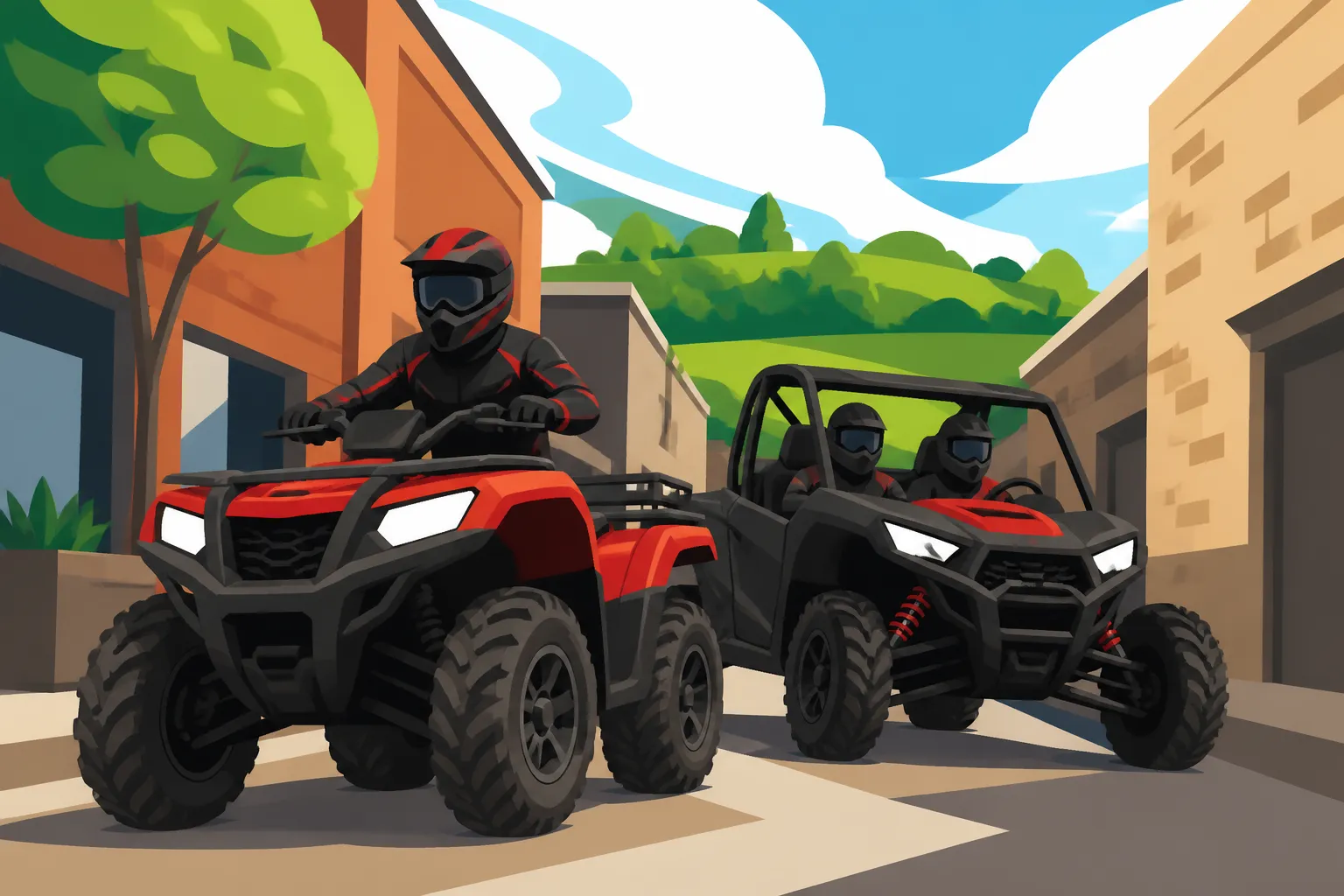
Waukon’s Open Streets and Alleys
It's completely understandable to feel a bit lost when trying to figure out where you can legally ride your ATV or UTV in Iowa, especially when it comes to city streets. While the state has its general rules, individual communities often have their own specific ordinances that can either open up new riding opportunities or create unexpected restrictions. This guide is here to shed light on exactly what that means for riders in Waukon, Iowa, breaking down the local rules that make its streets and alleys accessible to your off-highway vehicles.
Understanding Iowa's General ATV/UTV Road Rules
Before we dive into the specifics of Waukon, it’s crucial to grasp the broader landscape of ATV and UTV use on Iowa’s public roads. The state has a foundational set of rules that apply across the board, and these serve as the baseline for any local ordinances. Without understanding these basics, it's easy to get confused about what's permitted and what's not, leading to potential fines or even accidents. Many riders assume that if they can ride on a gravel road in one county, they can do so everywhere, but that's simply not the case, especially when pavement is involved.
The State's Stance on Paved vs. Unpaved Roads
Iowa's approach to ATVs and UTVs on public roads has always been a point of discussion among riders. Generally speaking, the state has been more permissive with unpaved secondary roads, often referred to as gravel roads, compared to paved surfaces. The thinking here is often tied to traffic volume and speed. Gravel roads typically see less traffic and lower speeds, which many argue makes them a safer environment for off-highway vehicles than busy asphalt. However, even on these roads, there are specific conditions that must be met. For instance, you can't just hop on any gravel road; generally, they must be county secondary roads, and even then, your access might be limited by factors like distance or the purpose of your travel. This distinction between paved and unpaved roads is a critical one that shapes much of the discussion around ATV and UTV street legality across Iowa. For more on this, you might find our guide on [Iowa Rules for Riding a Gravel Road] particularly helpful.
When it comes to paved roads, the state's stance is considerably stricter. While you might occasionally see an ATV or UTV crossing a paved road to get to another trail or piece of private property, riding on paved state highways or primary roads is generally prohibited. This is where local ordinances come into play, as they are the only mechanism by which paved roads, particularly those within city limits, can be opened to off-highway vehicles. Without a specific city or county ordinance, those paved roads are off-limits. This is why many riders find themselves trailering their machines long distances, even if their destination is just a few miles away on what looks like a perfectly safe paved route. The legal framework can feel a bit like a patchwork quilt, with different rules applying depending on where you are and what type of surface you're on, making it essential to do your homework before you ride.
General Requirements for Road Use in Iowa
Even if you're riding on a road where ATVs and UTVs are permitted, whether it's a gravel road or an open city street, you're not entirely free to do as you please. Iowa has a set of universal requirements that apply to all off-highway vehicles operating on public roadways. These rules are designed to ensure the safety of both the ATV/UTV operator and other motorists. Ignoring these can lead to significant penalties, even if you’re otherwise riding legally. The state takes these requirements seriously, understanding the potential for accidents if these powerful machines aren't operated safely and appropriately on shared roadways.
First and foremost, the operator must be at least 18 years old and possess a valid driver's license. This is a non-negotiable requirement for road use in Iowa, a clear departure from rules on private land or designated OHV parks where younger, certified riders might be allowed. The idea here is that anyone operating a vehicle on a public road needs to have the experience and knowledge that comes with being a licensed driver. Beyond the operator, the machine itself needs to be properly equipped. This includes having functional headlights, taillights, and brake lights, which should be on at all times, even during daylight hours. A horn is also required, along with at least one rearview mirror. These aren't just suggestions; they are legal necessities for making your machine road-ready. You can learn more about this in our article on [Iowa Lighting Requirements for ATVs].
Perhaps one of the most critical requirements, and one that often catches riders off guard, is insurance. Iowa mandates that any ATV or UTV operating on a public road must be covered by liability insurance, meeting specific minimum coverage limits (often referred to as 20/40/15, for $20,000 for one person's injury, $40,000 for two or more, and $15,000 for property damage). This is not just a recommendation; it's the law, and failing to have proof of insurance can result in hefty fines. Finally, while not always strictly enforced for ATVs, UTVs are often encouraged, and in some cases, required, to display a slow-moving vehicle triangle on the rear when operating on public roads, especially if their top speed is limited. This is a clear indicator to other drivers that your machine may be traveling slower than typical road traffic, allowing them to adjust their speed and approach accordingly. All of these requirements highlight the state's commitment to integrating off-highway vehicles into the public road system as safely as possible.
Waukon's Specific Ordinance: What Makes It Different?
Many Iowa towns keep their streets strictly off-limits to ATVs and UTVs, citing concerns about safety, noise, and traffic. So, when a community like Waukon takes the step to open its streets and alleys, it's a significant development that offers riders a welcome opportunity. However, it's never a blanket "anything goes" situation. These local ordinances are carefully crafted, often with specific conditions and limitations, designed to integrate off-highway vehicles without disrupting the everyday flow of town life or compromising safety. Understanding these nuances is key to enjoying Waukon's unique riding privileges without running afoul of the law.
The Scope of Waukon's Open Streets and Alleys
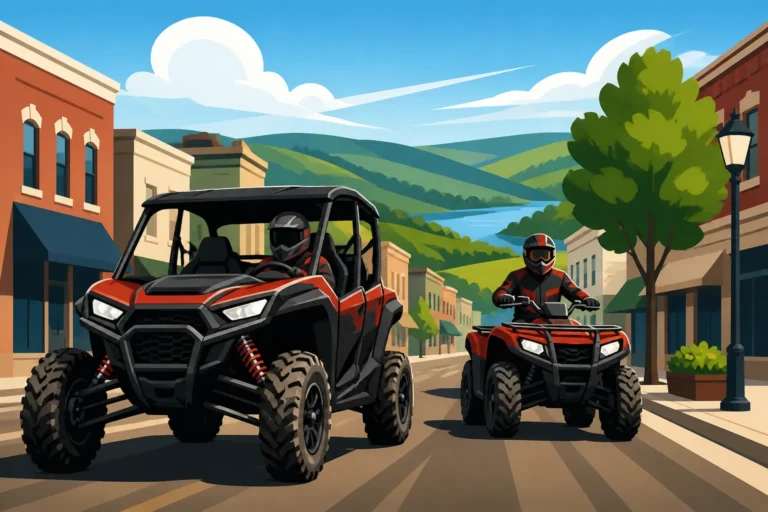
What's really exciting about Waukon's ordinance is its expansive nature: it opens up nearly all of the city's streets and alleys to ATVs and UTVs. This isn't just a single designated route or a few blocks; it's a comprehensive approach that allows riders to traverse the community, access local businesses, and connect with various points within the town. This kind of widespread access is a rarity in Iowa, making Waukon a notable exception for off-highway vehicle enthusiasts. For many, it means they can finally ride from their home directly to a local restaurant, shop, or even just take a leisurely cruise through town without the need to trailer their machine everywhere.
However, this broad access comes with a few important caveats. While "nearly all" means exactly that, there might be very specific exceptions, such as state-maintained highways that pass through the city, or perhaps certain very busy thoroughfares that remain closed due to state regulations or specific safety concerns identified by the city council. These specific limitations are usually clearly spelled out in the ordinance itself. It's always a good idea to consult the city clerk's office or the full text of the ordinance for the most precise details on which roads might be excluded. Nevertheless, the spirit of Waukon's ordinance is one of inclusion, offering a level of freedom to riders that's largely unmatched in many other Iowa communities, recognizing the growing popularity of ATVs and UTVs and their potential contribution to local commerce and recreation.
Time Restrictions and Special Conditions in Waukon
While Waukon embraces ATVs and UTVs on its streets, it does so with a mindful eye on community impact, particularly regarding noise and residential peace. To strike this balance, the ordinance includes specific time restrictions that riders must adhere to. This isn't unusual for city-level regulations concerning vehicles that might generate more noise than a standard car; it's a common way for communities to manage quality of life for their residents. For instance, our guide on [Waukon's Midnight to Five Ban] explains a key part of this ordinance.
Specifically, Waukon typically prohibits the operation of ATVs and UTVs on its streets and alleys between midnight and 5:00 AM. This early morning ban is designed to ensure that residents can enjoy undisturbed sleep, preventing potential noise complaints during hours when most people are trying to rest. While it might mean cutting your evening ride a little short, it's a small concession for the privilege of riding within city limits at all. Beyond these time restrictions, riders are also expected to operate their machines responsibly, adhering to posted speed limits, which are often lower in residential and commercial areas, and generally being courteous to pedestrians and other motorists. These common-sense rules are not always explicitly detailed in the ordinance but are implicit in the privilege of street access. Responsible riding during the allowed hours helps ensure that the community continues to support the ordinance, allowing riders to enjoy Waukon's open streets for years to come.
Essential Equipment for Riding in Waukon
Operating an ATV or UTV on public streets, even in a rider-friendly town like Waukon, means your machine needs to be more than just capable of tackling trails. It must also meet certain safety and visibility standards designed to make it compatible with road traffic. These requirements aren't just arbitrary rules; they're in place to ensure you can be seen, heard, and controlled effectively alongside cars, trucks, and pedestrians. Many riders, especially those new to street-legal riding, might overlook these details, but they are absolutely non-negotiable for anyone planning to take their machine onto Waukon's thoroughfares.
Iowa's Mandatory Safety and Visibility Gear
As we touched on earlier, Iowa has a set of basic equipment requirements for any ATV or UTV venturing onto public roads. These apply uniformly across the state, including in Waukon, and are the foundation of safe road operation. The aim is to bridge the gap between an off-road machine and a street-legal vehicle, ensuring it has the minimum features necessary for shared road use. Without these, you're not just risking a ticket; you're risking your safety and the safety of others.
First up, lighting is paramount. Your machine must be equipped with working headlights, taillights, and brake lights, and these must be illuminated at all times when operating on Waukon's streets, even in broad daylight. This dramatically increases your visibility to other drivers, especially at intersections or when making turns. Beyond illumination, audible warnings are crucial. A functional horn is required, allowing you to alert pedestrians or other drivers to your presence when necessary. Mirrors are another essential safety feature; at least one rearview mirror is mandated to help you keep an eye on traffic approaching from behind. Many riders opt for two for better visibility. While helmets are not universally required for adults operating ATVs or UTVs on Iowa roads, some riders still choose to wear them for their own safety, especially given the increased risk of interacting with vehicle traffic. For UTVs, seat belts are a must, and all occupants must wear them. These combined features transform your off-road machine into a more predictable and visible presence on public roads, aligning with what other drivers expect from street-legal vehicles. For a detailed rundown of what an Iowa Deputy will check, our guide on [What an Iowa Deputy Checks Roadside] can provide further insights.
Customizing Your Machine for Waukon's Roads
Beyond the absolute mandatory equipment, many riders find that a few strategic customizations can significantly enhance their experience and safety when riding their ATV or UTV on Waukon's streets. While your machine might be a beast on the trails, road riding presents different challenges, and a few thoughtful additions can make all the difference in comfort, handling, and compliance. This is where companies like SuperATV come in, offering a wide array of products specifically designed to bridge the gap between off-road prowess and on-road legality and convenience.
One common upgrade is a turn signal kit. While not explicitly mandated by Iowa law for ATVs or UTVs, turn signals are standard on virtually all other road vehicles and greatly improve communication with other drivers. A universal turn signal kit from SuperATV, for example, can be a game-changer for signaling your intentions clearly and safely on city streets. Another practical consideration is your tires. Aggressive mud tires, while fantastic for slop, can be loud, wear quickly, and offer less predictable handling on pavement. Many riders opt for a more all-terrain or even dedicated road tire for machines that spend significant time on asphalt, improving ride comfort and tire longevity. Furthermore, many machines benefit from additional reflective tape or even an illuminated license plate bracket to ensure maximum visibility, especially if riding in the twilight hours (though remember Waukon's midnight to 5 AM ban). Enhancements like improved windshields or even wipers can also make a big difference, keeping your vision clear from dust and debris often encountered on paved and unpaved secondary roads alike. These customizations not only make your machine more road-friendly but also contribute to a more enjoyable and safer riding experience for both you and those around you on Waukon's public ways.
Navigating Waukon: Tips for a Safe and Legal Ride
Riding your ATV or UTV through Waukon's streets and alleys is a privilege, and like any privilege, it comes with the responsibility to ride safely and legally. It’s not just about knowing the rules; it’s about applying them with good judgment and courtesy. The way riders conduct themselves directly impacts the community's perception of off-highway vehicles, and ultimately, the longevity of these open street ordinances. Taking a few extra precautions and adopting a mindful approach can make all the difference, ensuring that both you and Waukon continue to enjoy this unique riding environment.
Staying Compliant with Local Law Enforcement
The last thing any rider wants is to have a pleasant cruise through town interrupted by a law enforcement officer. While Waukon's ordinance makes riding legal, officers are still responsible for ensuring that all riders are adhering to the rules, both state and local. Understanding what officers are looking for and how to interact with them respectfully can ensure a smooth experience. It really boils down to preparation and a good attitude.
First, always have your documentation readily accessible. This includes your valid driver's license, proof of ATV/UTV registration, and your insurance card. If you're stopped, being able to quickly and politely provide these documents will go a long way. Make sure your machine's registration decal is properly displayed, typically on the rear of the machine, as explained in our article on [A Decal on the Rear of an Iowa Machine]. Officers will also be checking for compliance with the mandatory equipment we discussed: working lights, a horn, and a mirror. They'll confirm you're of legal age (18 or older) to operate on the road and that you're riding during the permitted hours (outside of the midnight to 5 AM ban). Remember, even if you’re legal, an officer might stop you simply to verify compliance or to provide information. A polite and cooperative demeanor can de-escalate any potential tensions and reflects well on the entire riding community. Knowing what to expect and being prepared can turn a potentially stressful situation into a quick verification check.
Being a Responsible Rider in a Community Setting
Riding an ATV or UTV on city streets means you are sharing the road with a diverse group of users: cars, trucks, cyclists, and pedestrians. Being a responsible rider in this mixed environment goes beyond simply following the letter of the law; it involves exercising common sense, courtesy, and defensive riding techniques. The goal is to minimize your impact and maximize safety for everyone, ensuring that Waukon remains a welcoming place for off-highway vehicles.
Always adhere to posted speed limits, which are often considerably lower in urban settings than on open rural roads. Slow down significantly in residential areas, near parks, or where children are present. Be mindful of noise, especially in quiet neighborhoods; avoid excessive revving or aftermarket exhausts that are overly loud. Maintain a safe following distance from other vehicles and be prepared to stop quickly. Always use hand signals or, ideally, your turn signals (especially if you've installed a SuperATV turn signal kit) well in advance of a turn. Pay extra attention to crosswalks and intersections, yielding to pedestrians and other traffic as required. Remember that an ATV or UTV might not be as visible as a larger vehicle, so assume other drivers might not see you and ride defensively. Parking your machine legally and respectfully, avoiding blocking sidewalks or driveways, also contributes to a positive impression. By riding responsibly and courteously, you contribute to a positive perception of ATV and UTV riders in Waukon, helping to preserve the privilege of street access for everyone.
| Feature | General Iowa Road Rules (Paved) | Waukon Specific Ordinance (Paved) |
|---|---|---|
| Road Access | Generally prohibited; specific county authorization needed for paved secondary roads. | Nearly all city streets and alleys open. |
| Age Requirement | 18+ with valid driver's license. | 18+ with valid driver's license. |
| Insurance | Mandatory (20/40/15 minimums). | Mandatory (20/40/15 minimums). |
| Lighting | Headlights, taillights, brake lights (on at all times). | Headlights, taillights, brake lights (on at all times). |
| Horn | Required. | Required. |
| Mirrors | At least one rearview mirror required. | At least one rearview mirror required. |
| Time Restrictions | No statewide general restrictions; varies by local authorization. | Prohibited between midnight and 5:00 AM. |
| Decal | Iowa registration decal required. | Iowa registration decal required. |
| Speed Limit | Max 35 mph on authorized roads; always follow posted limits. | Follow posted city speed limits; generally lower than 35 mph on streets. |
Why Local Ordinances Matter to Every Rider
The existence of a place like Waukon, with its open streets for ATVs and UTVs, isn't just a happy accident; it's the result of local governance responding to the needs and interests of its community members. For riders, understanding how these local rules come about, and why they're so crucial, goes beyond just knowing where you can ride. It delves into the very fabric of rider advocacy and community engagement. Every rider, whether they live in Waukon or are just visiting, benefits from these local decisions and has a stake in their continued success.
The Power of Local Governance in Off-Highway Vehicle Use
In Iowa, a significant amount of control over off-highway vehicle (OHV) use on roads falls to local city councils and county boards of supervisors. While the state sets the overarching framework, it's these local bodies that have the authority to decide whether specific paved roads within their jurisdiction can be opened to ATVs and UTVs. This decentralized approach means that what's legal in one town might be strictly prohibited just a few miles down the road. This power dynamic often surprises riders who are used to more uniform state laws for things like car registration or driver's licenses.
This local control is a double-edged sword. On one hand, it allows communities like Waukon to tailor rules to their specific needs, traffic patterns, and community sentiment, potentially opening up new riding areas. On the other hand, it means there's no single statewide answer to "Are ATVs street legal in Iowa?", leaving riders to do their homework for each specific location. This is why you won't find a comprehensive list of every city's ordinance from the Iowa DNR; instead, it's often a matter of [Calling a City Clerk About ATVs] or consulting local county offices. The decisions made by these local governments are influenced by public opinion, safety data, and the advocacy efforts of riders themselves. When a community opens its roads, it’s a testament to a successful dialogue between riders and local officials, demonstrating how powerful local decision-making can be in shaping our riding opportunities.
The Importance of Staying Informed and Advocating for Rider Rights
Given the patchwork nature of ATV and UTV road laws in Iowa, actively staying informed about local ordinances is not just a good idea; it's an absolute necessity for every responsible rider. What might be valid today could change tomorrow, and new opportunities might arise in communities that previously had restrictions. For example, if you plan to visit Waukon, knowing its specific ordinance is crucial, but if you then travel to a neighboring town, you'll need to research their rules too.
Beyond merely knowing the rules, active engagement in rider advocacy is vital for preserving and expanding riding opportunities. This isn't about protesting or demanding changes; it's about respectful dialogue, showcasing the positive aspects of the riding community, and offering solutions to potential concerns. Attending local council meetings, joining local ATV/UTV clubs that advocate for rider rights, or simply being a visible, responsible rider in your community are all ways to contribute. For instance, the very existence of Waukon's open streets is likely a reflection of local riders demonstrating their commitment to safe and responsible operation. When riders continuously prove they can share the road safely and courteously, it builds trust within the community and with local officials. This positive interaction is key to maintaining current privileges and perhaps even inspiring other towns to consider similar ordinances, fostering a more rider-friendly environment across Iowa.
Disclaimer
This article is for general informational purposes only and does not constitute professional advice. Laws, prices and regulations vary by location and change over time. Consult a qualified professional for guidance on your specific situation.