Two Machines at One Recorder Visit
It’s a scenario many Iowa ATV and UTV enthusiasts know all too well: you’ve added another machine to the fleet, or perhaps you've bought a couple of quads for the kids, and now you’re facing the dreaded trip to the county recorder's office. The thought of multiple visits, gathering different sets of paperwork, and juggling various fees can feel overwhelming. This guide is here to walk you through the process of handling registration and titling for two or more machines in a single, efficient visit, saving you time and stress.
Why Consolidating Your ATV/UTV Paperwork Makes Sense in Iowa
Let’s be honest, life in Iowa keeps us busy, whether it’s farm work, family commitments, or just enjoying our incredible outdoor spaces. The last thing anyone wants is to spend precious free time running back and forth to the county recorder's office for every single off-highway vehicle (OHV) in their shed. When you’ve got multiple ATVs, UTVs, or even dirt bikes that all need their Iowa registration and perhaps a new title, planning a single, comprehensive visit just makes good sense.
Saving Time and Avoiding Extra Trips
Imagine this: it's a beautiful Saturday morning, the trails are calling, and you've just realized that both your work UTV and the sport quad you just bought are unregistered. The thought of making two separate trips to the county recorder, battling traffic, finding parking, and waiting in line twice just kills the morning vibe. For many Iowans, the county recorder’s office isn't just a quick hop down the street. It might involve a 30-minute drive or more, especially if you live in a rural area. Doubling that travel time, not to mention the time spent inside the office, quickly eats up half your day.
By consolidating your visits, you turn what could be two or three fragmented errands into one focused task. You get all the driving, all the waiting, and all the paperwork done at once. This frees up your remaining time for what really matters – actually riding those machines or tackling other weekend projects. It's about respecting your own time and making the administrative side of OHV ownership as painless as possible. Think of all the extra daylight you’ll have for riding or just relaxing if you only have to go once. Plus, fewer trips mean less gas burned and less wear and tear on your vehicle, too.
Streamlining Your Documentation Process
When you're dealing with multiple machines, the paperwork can quickly become a tangled mess if you're not organized. Each ATV or UTV will have its own title history, its own bill of sale, and its own registration needs. Trying to keep track of what’s what for each separate trip could lead to forgetting a crucial document for one machine while focusing on another. Having all of your machines' documentation in one folder, prepared for one visit, helps you mentally organize the entire process.
It forces you to create a clear checklist for each vehicle and ensure every single piece of paper is accounted for. This structured approach significantly reduces the chance of forgetting an essential item, like a properly signed title from a seller or the correct vehicle identification number (VIN) for a newly acquired machine. You can stack the paperwork for Machine A, then Machine B, and so on, presenting it to the recorder in an organized fashion. This not only makes your life easier but also helps the county recorder's staff process your request more efficiently. After all, they’re used to seeing organized customers, and it helps everyone when the process runs smoothly. For a general idea of what you'll need, check out [Iowa ATV Registration Paperwork].
Essential Documents for Multiple Machines at the Recorder's Office
Okay, so you're committed to making one glorious, efficient trip to the county recorder's office. Now, what do you actually need to bring? The key here is to remember that for each machine you plan to register or title, you’ll essentially need a complete set of documentation. Think of it as preparing for multiple individual transactions, but happening simultaneously.
The Core Paperwork for Each Machine
Let's break down the typical documents you'll need for each ATV or UTV you're bringing in:
- The Title: This is arguably the most critical document. If you're buying a new ATV or UTV from a dealer, you’ll likely have a Manufacturer’s Statement of Origin (MSO) that acts as the initial title document. If you're buying a used machine, you'll need the previous owner's Iowa title, properly signed over to you. That means the seller needs to have filled out the "Assignment of Title" section on the back, including their signature, printed name, the sale date, and the purchase price. Make sure this is done correctly before you even leave their property! If a machine has never been titled in Iowa (for instance, if it’s an older model from a state that didn’t title ATVs), you'll go through a different process to apply for an initial Iowa title. You might also need the original bill of sale from when they bought it.
- Bill of Sale: While the title assignment often includes the purchase price, a separate, detailed bill of sale is highly recommended, especially for private party transactions. This document legally establishes the terms of the sale, including the buyer's name, seller's name, VIN, make, model, year, and the final purchase price. This is crucial for calculating Iowa sales tax, which the county recorder collects on behalf of the state. Having a clear, accurate bill of sale prevents headaches down the line and ensures you pay the correct amount of tax. If you're not sure how to draft one, a service like LawDepot can provide professional, customizable bill of sale templates that ensure all the necessary legal information is included, giving both buyer and seller peace of mind. For more on what to include, read [Iowa ATV Bill of Sale Requirements].
- Iowa DNR Off-Highway Vehicle Registration Application: This is the form where you provide your personal information as the owner, details about the machine (VIN, make, model, year), and declare whether it's a new registration or a renewal. You can often find these forms on the Iowa DNR website or pick them up at the county recorder’s office. It’s always a good idea to fill out as much of this form as possible before you arrive to save time at the counter.
- Proof of Identity: Don’t forget your valid Iowa driver's license or state-issued identification card. The county recorder needs to verify your identity as the person registering the machine.
- Payment: Be prepared for the combined fees. This will include the registration fee for each machine, the title fee for each machine (if applicable), and the sales tax on each purchase price. Most county recorders accept cash, checks, and often credit/debit cards, but it's wise to check with your specific county beforehand.
Special Considerations for Different Scenarios
Not every machine’s paperwork journey is the same. Be aware of these nuances when preparing for your multi-machine visit:
- New Purchase vs. Renewal: If you're simply renewing existing registrations for machines you already own, the process is usually much simpler. You'll typically only need the expiring registration card (or your previous year's decal number), your ID, and payment for the renewal fee. If you're registering a newly acquired machine, whether new or used, that's when you'll need the title and bill of sale documents.
- Used Machines: When buying a used ATV or UTV privately, ensure the title is free and clear. It's a smart move to ask the seller for the VIN beforehand and consider doing an [Iowa ATV Lien Check Before Buying] with the county recorder to ensure there are no outstanding liens on the machine that could transfer to you. This is a common pitfall that can cause significant headaches later on.
- Machines from Out-of-State: If you're bringing an ATV or UTV into Iowa from another state, it will generally need an initial Iowa title issued, even if it was titled in your previous state. You’ll present the out-of-state title and a bill of sale, and the recorder will process an application for an Iowa title and a new Iowa registration. The process is straightforward but does require these extra steps to establish its Iowa bona fides. For more details on this, check out [Buying a Used ATV in Iowa].
- Inherited Machines: If you've inherited an ATV or UTV, you might need additional legal documents like a probate court order or a small estate affidavit to prove your legal right to the machine before it can be titled and registered in your name. It's best to call the county recorder's office in advance if you're in this situation to confirm their specific requirements.
By carefully gathering all these documents for each machine, you'll be well on your way to a successful and efficient visit to the recorder's office.
Navigating the Recorder's Office with Multiple Registrations
You’ve got all your paperwork squared away, a mental checklist for each machine, and your payment method ready. Now, let’s talk about the actual visit to the county recorder's office. A little preparation and understanding of the process can make a world of difference, especially when you're registering more than one off-highway vehicle.
Preparation is Key: Before You Go
Before you even get in the car, take a few moments to organize and confirm everything. This isn't just about having the documents, but about making them easily accessible and understandable for both you and the recorder's staff.
- Create a Master Checklist: Write down every document you need for each individual machine. For example:
- Machine 1 (Sport Quad): Title (signed by seller), Bill of Sale (LawDepot generated), DNR Reg Form, ID, Payment.
- Machine 2 (Work UTV): Renewal Card, DNR Reg Form, ID, Payment.
- Organize Your Documents: Use separate folders, envelopes, or paper clips to keep the paperwork for each machine distinct. Don't just dump everything into one big pile. This prevents confusion and allows the recorder to process each machine's transaction without sifting through unrelated papers.
- Call Ahead: It's always a good idea to call your specific county recorder’s office to confirm their hours of operation, accepted payment methods (do they take credit cards, or is it cash/check only?), and any specific requirements they might have for multiple transactions. This simple step can prevent a wasted trip.
- Fill Out Forms in Advance: If possible, download and fill out the DNR registration application forms for each machine before you go. This saves valuable time at the counter and reduces the chance of errors under pressure. Just make sure you leave signature lines for the recorder blank, of course. For guidance on where to go, see [Registering at an Iowa County Recorder].
What to Expect During Your Visit
When you arrive at the recorder’s office, remember that you’re essentially initiating several separate transactions, even if they happen concurrently.
- Presenting Your Documents: When it's your turn at the counter, calmly present your organized stacks of documents. Explain to the clerk that you're here to register/title multiple machines. This upfront communication helps them understand the scope of your visit and allocate their time accordingly.
- Verification and Calculation: The recorder's staff will meticulously go through the paperwork for each machine. They’ll verify VINs, check that titles are properly assigned, confirm bill of sale details, and ensure all forms are completely filled out. This is where the importance of accurate information, especially on the bill of sale, comes into play for sales tax calculation. They will then calculate the total fees for each machine – the annual registration fee, any title fees, and the sales tax on newly purchased machines. Don't be surprised if this takes a bit longer than a single transaction; it's simply a reflection of the increased amount of data they need to process.
- Understanding the Fees: You'll be paying a combination of fees for each machine. This often includes a base registration fee, a small writing fee, and an agent fee that helps cover the county's costs. If you're titling a machine, there will be a separate title fee. And for any machine you've purchased, the Iowa sales tax will be collected. It's truly a case of [Three Fees Rolled Into One County Recorder Bill] when it comes to the registration component, plus the title and sales tax on top. The total [Iowa ATV Registration Cost] will, of course, be the sum of these individual costs for all your machines.
- Receiving Your Proof: Once all the paperwork is processed and fees are paid, the recorder will provide you with a temporary registration receipt for each machine. This serves as your immediate proof of registration until the physical decals and permanent registration certificates arrive in the mail. They’ll also stamp and return your new titles or provide you with a receipt for the title application if it's a new title being issued.
By being prepared and understanding the steps involved, your multi-machine visit can be smooth and efficient, getting you back to the trails sooner rather than later.
Common Pitfalls and How to Avoid Them When Registering Multiple Machines
Even with the best intentions and meticulous planning, registering multiple ATVs or UTVs at once can sometimes hit a snag. Knowing the common pitfalls ahead of time can help you sidestep them entirely and ensure your visit is a success.
Missing or Incomplete Paperwork
This is, without a doubt, the number one reason people have to make a second trip to the recorder's office. When you’re dealing with multiple machines, the chances of a minor error or omission increase.
- The Signature Trap: Did the previous owner sign the title in the correct spot? Did they print their name? Is the date of sale accurate? A missing signature, an incorrectly filled-out odometer statement (if applicable, though less common for ATVs), or a mismatch between the printed name and the signature can instantly halt the titling process. Double-check every single signature line and information field before you leave the seller’s presence.
- Bill of Sale Blunders: An incomplete bill of sale can cause problems, especially when it comes to sales tax calculations. Ensure the VIN, make, model, year, and especially the purchase price are clearly and accurately stated for each machine. If you used a generic online form, sometimes they omit critical details specific to Iowa’s requirements. Using a reputable template from a service like LawDepot can help immensely here, as these templates are designed to cover all the necessary legal and administrative bases, minimizing the chance of an error that would send you back home. Remember, the county recorder needs precise figures to collect [Iowa ATV Sales Tax Rate].
- VIN Verification: The VIN on the title or bill of sale must exactly match the VIN on the machine itself. While the recorder usually doesn't physically inspect your machine, they rely on your paperwork. A typo can mean the difference between a successful registration and a very frustrating delay. Cross-reference those numbers multiple times. For a comprehensive list of what information Iowa typically requires on registration forms, check out [What Iowa's Registration Form Asks For].
Payment Issues and Unexpected Costs
You might have budgeted for one machine, but when you're doing two or more, those fees add up quickly. It’s easy to underestimate the total outlay.
- Sales Tax Surprise: Many people forget that Iowa collects sales tax on every ATV or UTV purchase, even private sales. This isn't just on the initial purchase from a dealer; if you bought a used quad from a neighbor, you’re still liable for the sales tax on that transaction, typically collected by the county recorder when you title and register it. This tax is usually a percentage of the purchase price, and it can add a significant amount to your total bill, especially if you're buying multiple machines.
- Multiple Fees: Remember that each machine will incur its own registration fee (which includes the base fee, writing fee, and agent fee), its own title fee (if you're titling it), and potentially a lien notation fee if you’ve financed the purchase. These aren’t cumulative discounts; they're individual charges per machine. For example, you’ll pay [The $15 Base Fee Inside an Iowa Registration] for each ATV or UTV you register.
- Payment Method: Always confirm with your county recorder what payment methods they accept. Some smaller county offices might be cash or check only, while larger ones might accept credit/debit cards (sometimes with an additional processing fee). Bringing multiple payment options or sufficient cash to cover the entire amount for all machines is a wise move to avoid an embarrassing delay.
Decal and Certificate Delivery for All Machines
Once you’ve successfully completed your transactions, the immediate relief is wonderful! But there's still a small waiting period for the physical proof of your registration.
- The Waiting Game: After your visit, the county recorder will process your applications, and your official decals and registration certificates will typically be mailed to you. The standard turnaround time is usually around [Two Weeks Before an Iowa Decal Arrives], but this can vary depending on the time of year and the volume of requests.
- Temporary Proof is Key: Before your official decals arrive, you'll have a temporary paper receipt. It's crucial to keep this receipt with you when you operate your machines, especially if you plan to ride on public trails or areas where registration is checked. This receipt serves as your proof of registration until your permanent decal and card arrive.
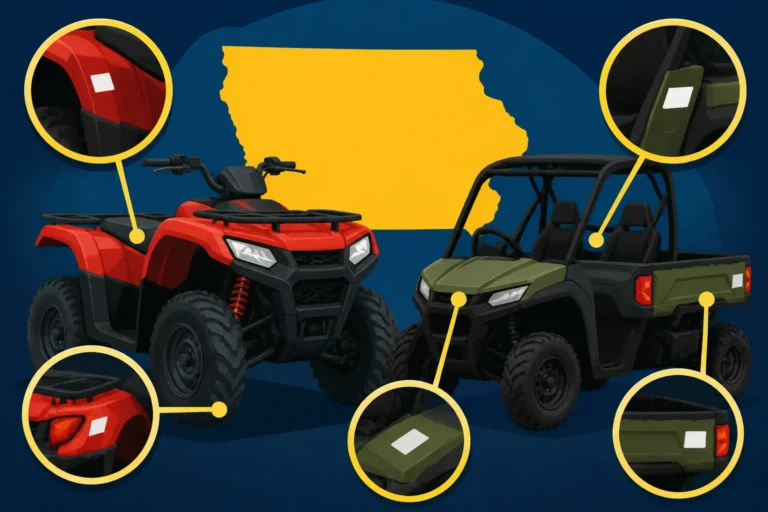
- Placement of Decals: Once they arrive, remember that Iowa law dictates specific placement for your registration decal. It must be prominently displayed on the rear of the machine. Failing to properly display your decal, even if registered, could potentially lead to questions from law enforcement. You can find more information about this at [A Decal on the Rear of an Iowa Machine].
By being mindful of these potential pitfalls and preparing thoroughly, you can ensure your trip to the county recorder's office for multiple machines is as smooth and successful as possible, getting you and your family out on the trails without unnecessary delays.
Disclaimer
This article is for general informational purposes only and does not constitute professional advice. Laws, prices and regulations vary by location and change over time. Consult a qualified professional for guidance on your specific situation.