Where Iowa Registration Fees Go
It's a familiar feeling, isn't it? You dutifully head to the county recorder's office, or maybe hop online, to get your ATV or UTV registered. You pay your fees, get your shiny new decal, and wonder, "Where does all that money actually go?" It can feel like just another bill, but those Iowa ATV registration fees are actually the lifeblood of our state's off-highway vehicle (OHV) program. This guide is all about pulling back the curtain, showing you precisely how your registration dollars are put to work to benefit riders like us across Iowa.
Understanding the Iowa OHV Fund: More Than Just a Sticker
When you pay for your ATV or UTV registration in Iowa, that money doesn't just vanish into a general state fund. Instead, it’s specifically earmarked for the off-highway vehicle program, forming what's known as the OHV Fund. This is a crucial distinction, as it means the funds you contribute are directly invested back into the riding community and infrastructure. It's a system designed to be self-sustaining, ensuring that those who enjoy off-road recreation are the ones helping to fund its future.
The Journey of Your Registration Dollar
Every time you renew your registration or register a new machine, a portion of those fees contributes to the overall OHV Fund. Think of it like a collective pot, where small contributions from thousands of riders across the state accumulate into a substantial resource. While the total cost might seem like one lump sum, it's actually composed of several smaller fees, such as a base fee, a writing fee, and an NRC administration fee, among others. These individual components are all tallied, and a significant portion is channeled directly into the dedicated OHV fund. This ensures that the essential costs of processing your registration are covered, while also building up the pool of money dedicated to improving your riding experience.
The system is designed with a specific purpose: to funnel funds into initiatives that directly support the OHV community. This isn't just about covering administrative costs; it’s about investing in the very fabric of off-road riding in Iowa. From the moment you hand over your payment, that money is on a journey to empower trail development, promote safety, and maintain the riding areas we all love. It's a testament to how Iowa values its outdoor enthusiasts, ensuring their contributions create tangible benefits.
The Legislative Mandate for OHV Funds
One of the most reassuring aspects of the Iowa OHV Fund is that its purpose is enshrined in law. These funds aren't subject to the whims of annual budget debates in the same way general tax revenues might be. Instead, they are legally earmarked, meaning they must be used for off-highway vehicle programs and related activities. This legislative mandate provides a strong layer of protection, ensuring that the money collected from riders genuinely goes back to the riders. It prevents the funds from being diverted to other state programs, maintaining the integrity of the system.
The Iowa Department of Natural Resources (DNR) plays a pivotal role in managing this fund and overseeing its distribution. They are the custodians of these dedicated resources, tasked with ensuring the money is spent wisely and effectively to meet the needs of the OHV community. The DNR sets guidelines for how the funds can be accessed and used, creating a transparent process for clubs, counties, and other organizations to apply for grants. This oversight guarantees accountability, helping riders understand that their fees are managed by a dedicated state agency committed to improving their sport. [The Iowa DNR and Off-Highway Vehicles] work closely with various stakeholders to make these decisions.
Powering Trails and Riding Areas: Where the Bulk Goes
Perhaps the most direct and impactful use of your registration fees is in the development and maintenance of Iowa's off-highway vehicle trails and riding areas. This is where the rubber meets the dirt, literally. Without a dedicated funding source, the incredible network of trails we enjoy across the state simply wouldn't exist, or they would quickly fall into disrepair. These funds are the engine that keeps our OHV parks vibrant and accessible, providing the challenging and enjoyable terrain that riders seek.
Grants for Development and Maintenance
The primary mechanism for putting OHV funds to work on the ground is through a comprehensive grant program. Local clubs, county conservation boards, and even cities can apply for these grants, which cover a wide array of projects essential for maintaining and expanding our riding opportunities. Imagine new land acquisitions to create entirely new riding parks, or the construction of challenging new trail sections. These grants also fund critical ongoing maintenance, like repairing bridges that span creeks, controlling erosion on steep climbs, or replacing worn-out signage to keep riders safely oriented.
These grants ensure that our existing parks, like [Gypsum City OHV Park at Fort Dodge] or Bluff Creek OHV Park, remain top-notch destinations. They can cover the cost of heavy equipment needed for trail grooming, the purchase of materials for building safe crossings, or even the installation of vital amenities like new parking lots, modern restroom facilities, or picnic areas. Every year, clubs and counties submit proposals outlining their needs, and the DNR allocates funds to the most impactful and sustainable projects. [Grants Paid From the Registration Fund] are crucial for these efforts.
Supporting OHV Parks and Designated Riding Areas
Your registration fees are directly responsible for the continued operation and improvement of Iowa's designated OHV parks. When you visit places like Bluff Creek or Paul Huting Recreation Area, you're experiencing the direct benefits of these funds. These parks aren't free to operate; they require ongoing investment in infrastructure, land management, and basic services. The fees ensure that these spaces are not only maintained but continually enhanced to meet the evolving demands of the riding community.
Without the consistent inflow of registration fees, these cherished riding spots would struggle to keep their gates open, or the quality of the trails would inevitably decline. The fund covers everything from the day-to-day operational costs to long-term strategic improvements. It means that when you ride, you can trust that the trails are as safe and enjoyable as possible, thanks to a system funded by fellow riders. The very fact that [Why Bluff Creek Costs Nothing to Ride] in terms of a separate day-use fee is because your registration decal acts as your admission ticket, funded by the collective pool.
Community and Safety Initiatives: Broader Benefits
Beyond the direct impact on trails, your Iowa ATV registration fees also foster a stronger, safer, and more connected OHV community. These funds are used to support the grassroots efforts of local riding clubs and to promote crucial safety education, ensuring that riders of all ages can enjoy their machines responsibly. It's about building a culture of safety and camaraderie that benefits everyone who hits the trails.
Supporting Local Clubs and Organizations
A significant portion of the OHV Fund is allocated to support local riding clubs and organizations. These groups are often the unsung heroes of the riding community, made up of passionate volunteers who dedicate countless hours to trail advocacy, maintenance, and organizing events. Organizations like the Trailblazers Off-Road Club, who are instrumental in maintaining specific trails, can apply for grants from the OHV Fund to purchase necessary equipment, acquire materials for trail repairs, or even help lease private land to expand riding opportunities. [How a Club Applies for DNR Trail Money] is a rigorous but rewarding process.
Applying for substantial grants often requires clubs to have their organizational house in order, complete with formal operating agreements or bylaws. Many clubs leverage tools, even online platforms like LawDepot, to ensure their foundational documents are professionally prepared when seeking funding. This kind of structural integrity is vital not just for grants, but for the long-term sustainability and credibility of the club within the community. These funds empower these local champions, multiplying their efforts and ensuring that our riding areas are not only built but lovingly cared for by those who use them most.
Promoting Safety and Education Programs
Your registration fees also play a vital role in promoting safety and education across the state. This means funding for ATV safety courses, educational materials, and outreach programs aimed at riders of all ages and experience levels. Iowa is committed to safe riding, and these funds help ensure that new riders, especially youth, have access to the knowledge and skills necessary to operate their machines responsibly. The safety certificate requirement for young riders, for instance, is directly supported by these initiatives.
These educational efforts go beyond just basic operation; they cover important topics like environmental stewardship, proper trail etiquette, and the legal aspects of riding in Iowa. By investing in education, the OHV Fund helps to reduce accidents, minimize environmental impact, and foster a more positive public perception of off-road riding. It's a proactive approach to ensuring the longevity and enjoyment of the sport for generations to come.
The Wheels of Administration and Enforcement
While it might not be as exciting as a new trail, a portion of your Iowa ATV registration fees also supports the essential administrative and enforcement aspects of the OHV program. These are the behind-the-scenes components that keep the entire system running smoothly, ensuring accountability, compliance, and the safety of all riders. It’s about more than just paperwork; it’s about maintaining the integrity and structure of our riding opportunities.
Covering Operational Costs of the DNR
Administering a statewide off-highway vehicle program is a complex undertaking, and a portion of the OHV Fund is allocated to cover the Iowa DNR's operational costs directly related to this program. This isn't for general DNR expenses, but specifically for the personnel and resources dedicated to managing the OHV Fund, reviewing grant applications, conducting site inspections of potential or existing trails, and overseeing the overall framework of OHV recreation in Iowa. Think of it as the overhead that ensures your money is being spent effectively and transparently.
These costs ensure that there are dedicated professionals working to make our riding experiences better. They are the ones who assess project proposals, track expenditures, and ensure that grant recipients are meeting their obligations. This administrative backbone is crucial for maintaining the accountability that riders expect and deserve. It means that there's a system in place to make sure every dollar from your registration is directed towards its intended purpose, creating a reliable and well-managed program.
Law Enforcement and Conservation Officer Support
To ensure that everyone plays by the rules and that our trails remain safe and accessible, some of the OHV funds also contribute to law enforcement and conservation officer support. This means that local county sheriffs and Iowa DNR conservation officers have the resources they need to patrol OHV parks and other designated riding areas, enforce registration laws, and ensure compliance with safety regulations. These officers are on the front lines, protecting both riders and the natural environment.
Whether it's checking for proper [Where the Iowa Decal Mounts], ensuring riders are adhering to age restrictions, or investigating accidents, their presence helps maintain order and deter irresponsible behavior. This enforcement component is vital for the long-term health of the OHV program, as it protects the trails from misuse and ensures a positive experience for all. Ultimately, this means safer rides for you and your family, knowing that there's a system in place to address issues and maintain a high standard of conduct.
A Look at Accountability and Transparency
Understanding where your money goes is one thing, but knowing that the process is transparent and accountable is another entirely. The Iowa OHV program is designed with mechanisms to ensure that fund usage is reported publicly and that the grant process is clear. This commitment to transparency allows riders to see the direct impact of their contributions and to trust in the management of the OHV Fund.
Public Reporting and Grant Cycles
The Iowa DNR maintains public records and reports on how the OHV Fund is utilized, often detailing the projects that receive grant funding. This transparency is key to building trust within the riding community. Riders can often find information about specific grant cycles, including when applications open (for example, [Applying for an ATV Grant by February]), the types of projects that are being funded, and the organizations that receive support. This open reporting allows you to see the tangible results of your registration fees in action, from a new bridge on a favorite trail to improved facilities at an OHV park.
This clear reporting also allows for public scrutiny and feedback, which helps the DNR and local clubs continually refine their priorities and ensure funds are allocated to the most impactful projects. It creates a feedback loop where rider needs and community input can help shape future investments. This public window into the fund's activities is a cornerstone of the program, demonstrating a commitment to responsible stewardship of rider contributions.
Why Every Dollar Matters to Iowa Riders
Ultimately, every dollar you spend on your Iowa ATV or UTV registration is an investment in the future of off-road riding in our state. It's not just a fee; it's a contribution to a shared resource that directly funds the trails you ride, the parks you visit, and the safety education that protects our community. Without these collective contributions, the vibrant OHV scene in Iowa would simply not be what it is today.
From the detailed work of [The Grant That Paid for a Webster County Trail] to the ongoing upkeep of [Iowa's Eight Designated OHV Parks], your fees are put to work where it matters most. It empowers local clubs, supports conservation efforts, and ensures that generations of riders can continue to enjoy the thrill of off-road adventure. So, the next time you see that decal on your machine, remember the network of trails, the safety initiatives, and the dedicated people who benefit from your continued support.
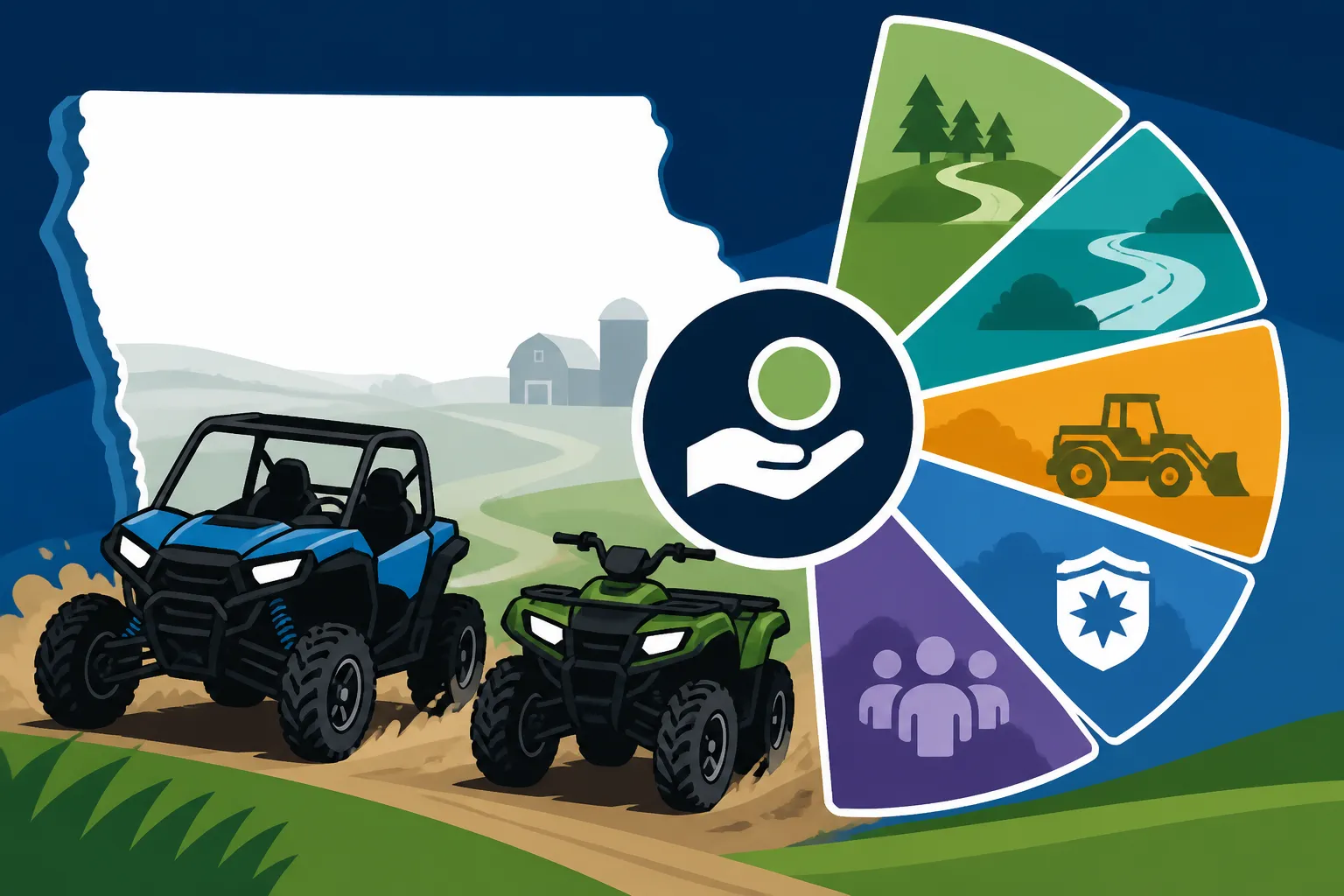
| Category | Description of Use | Examples of Impact |
|---|---|---|
| Trail Development & Maintenance | Land acquisition, new trail construction, bridge repairs, erosion control | New trails at [Gypsum City OHV Park at Fort Dodge], improved signage and surface repairs at Bluff Creek, expansion of riding areas in various counties. |
| OHV Park Operations | Staffing, utilities, facility upkeep at designated riding areas | Clean restrooms, well-maintained staging lots, regular trail grooming, and necessary repairs at parks like Paul Huting Recreation Area and Lakeview OHV Park. |
| Community & Club Support | Grants to local clubs for trail work, equipment, volunteer efforts | Volunteer-led trail cleanups, acquisition of specialized equipment for maintenance, support for local rider events, club-managed trail leases. |
| Safety & Education | Funding for safety courses, educational materials, outreach | Accessible online safety courses, distribution of riding guides, community safety clinics, resources for young riders to obtain their safety certificates. |
| Administration & Enforcement | DNR oversight of the OHV program, law enforcement patrols on trails | Accountable fund management, efficient grant application processing, enforcement of riding regulations, increased safety presence on public riding lands. |
Disclaimer
This article is for general informational purposes only and does not constitute professional advice. Laws, prices and regulations vary by location and change over time. Consult a qualified professional for guidance on your specific situation.