Helmets Required at the Paul Huting Gate
A helmet can feel like one more thing to pack when you are loading machines for a ride near Waterloo, but arriving without one can stop your day at the gate. At Paul Huting Recreation Area, plan on wearing a helmet while riding and bring one for every rider. This guide explains how to prepare, what to check before unloading, and why trail rules can differ from road rules.
What the helmet requirement means at Paul Huting
Plan to wear a helmet before you reach the gate
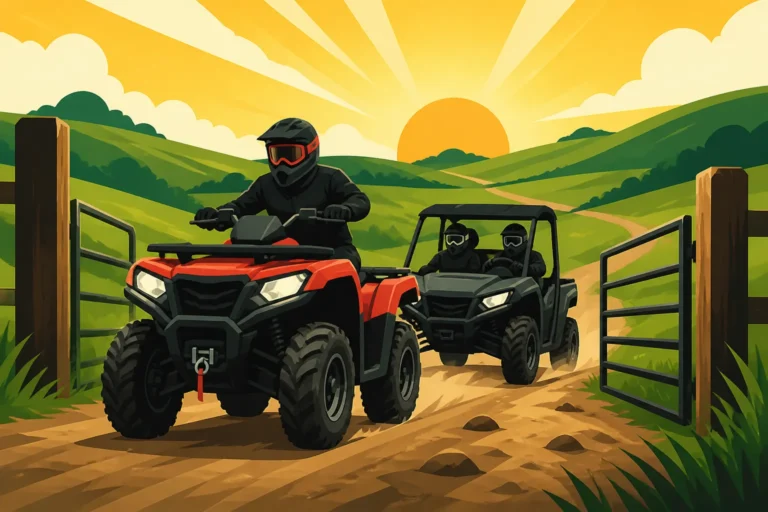
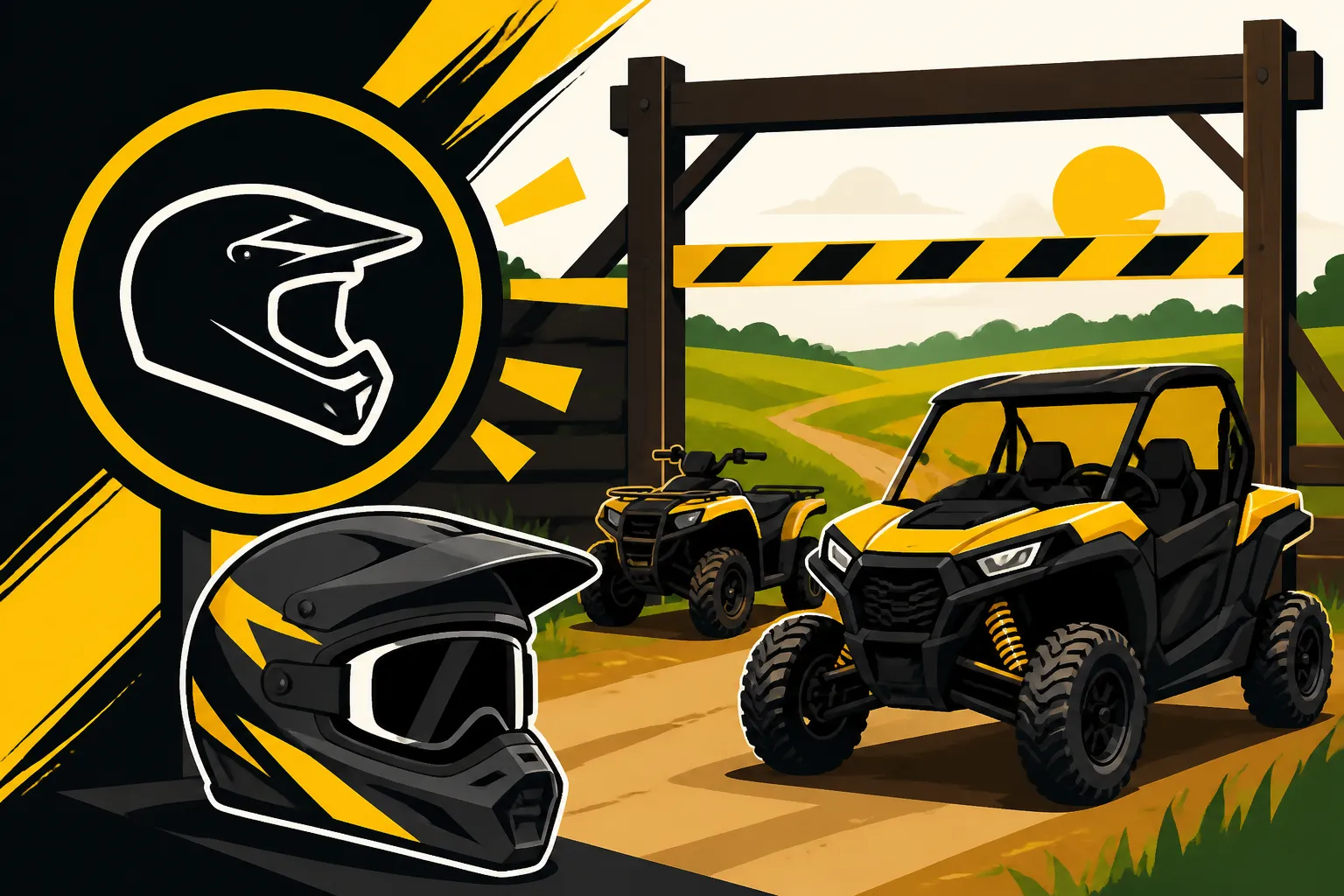
Treat a helmet as required riding gear at Paul Huting Recreation Area, not as an optional item you can decide about after you arrive. Pack one for every person who will operate or ride as a passenger on a machine. If you are riding with a group, make sure each person has their own helmet before you leave home.
That small check can spare you an annoying change of plans. Imagine towing in from Cedar Falls or driving across Waterloo with several machines, only to find that one rider forgot a helmet. The group may have to wait while someone makes a trip to find one, or the person without a helmet may not be able to ride. Either way, sorting it out in your driveway is much easier than sorting it out at the park.
The helmet rule is one part of planning a visit to [Paul Huting Recreation Area at Waterloo](Paul Huting Recreation Area at Waterloo), the riding area beside the Cedar River. If you are new to the site, also read [Riding Paul Huting at Waterloo](Riding Paul Huting at Waterloo) and [Two Tracks Beside the Cedar River](Two Tracks Beside the Cedar River) for broader planning context. Check the park’s current posted instructions before you unload, since the gate and trail information is the place to confirm what applies on the day you visit.
A park rule is not the same as a road rule
Riders sometimes hear that Iowa does not require every adult to wear a helmet in every situation and assume the same choice applies at an off-highway vehicle park. That is a risky assumption. A rule that applies to road riding does not automatically replace a recreation-area rule, and a park can require protective equipment as a condition of riding there.
For a road-law overview, see [Iowa Helmet Law for ATV Riders](Iowa Helmet Law for ATV Riders) and [Why Iowa Leaves Helmets to the Rider](Why Iowa Leaves Helmets to the Rider). Keep the settings separate in your mind: riding on a public road, riding on private land, and riding inside a designated OHV area may involve different rules and expectations. A helmet that is optional in one context may still be mandatory at the Paul Huting gate.
The practical answer is simple: do not use a road-law exemption as a reason to leave your helmet at home. Bring one for every rider, wear it while riding, and follow the instructions posted by the park or given by staff. If a sign or attendant gives a more specific direction, follow that direction rather than relying on what you remember from another trail system.
Choosing and checking a helmet before the ride
Pick a helmet that fits securely
A helmet only helps if it fits the rider wearing it. It should sit level on the head, feel snug without causing pain, and stay in place when the rider moves their head. The chin strap should fasten securely; if the helmet shifts around, slides toward the eyes, or tips back easily, it may be too loose or the wrong shape.
Fit is especially easy to overlook when families share gear. A helmet that fits an adult may be unsafe for a child, and a youth helmet handed down from an older sibling may no longer fit the younger rider properly. Have each person try on their own helmet before the trip. Check that the padding is in good condition and that the strap and buckle work as intended.
Before buying or using a helmet, check its labels and manufacturer instructions for the type of riding it is intended for. Do not assume that every helmet sold for cycling, casual recreation, or another activity is suitable for ATV or UTV riding. When you are unsure, ask a qualified retailer or the helmet manufacturer for guidance, and confirm any equipment requirements with the park.
Inspect the helmet and pack it so it arrives ready
Give each helmet a quick inspection before you load the trailer. Look for cracks, deep dents, damaged straps, loose hardware, or padding that has come apart. A helmet that has taken a hard impact may need replacement even if damage is not obvious, so follow the manufacturer’s guidance after a crash or significant drop.
Transport helmets in a way that protects them from being crushed under tools, fuel cans, or loose equipment. Keep them clean and dry, and avoid leaving them in a place where they can roll off the trailer or get damaged during unloading. If you carry spare gear, store it where riders can reach it without unloading half the truck.
A useful pre-trip check is to have each rider put on their helmet and fasten it before the machines are started. That catches missing or poorly fitting gear while you are still in the staging area. For a wider look at equipment and trail preparation, [Iowa Helmet Rules at an OHV Park](Iowa Helmet Rules at an OHV Park) is a relevant companion topic.
Make helmet checks part of your Paul Huting ride plan
Use a repeatable pre-ride routine
A simple routine reduces the chance that someone is left at the gate because of forgotten equipment. Before leaving home, count riders and helmets. At the park, check that each helmet fits, the strap is fastened, and everyone understands where to meet if the group gets separated. If a child is riding, have an adult check the fit rather than relying on the child to judge it alone.
| When to check | What to do | Why it helps |
|---|---|---|
| Before leaving home | Count riders and helmets | Catches missing gear before the drive |
| At the staging area | Check fit, straps, and visible damage | Finds problems before riding begins |
| Before each ride | Confirm every rider has a helmet on | Prevents a rushed departure without required gear |
| After a fall or impact | Inspect the helmet and follow manufacturer guidance | Helps identify gear that may need replacement |
Helmet checks should sit alongside the rest of your trip planning, not replace it. Check park access, trail conditions, and any closure notices before hauling out. [Iowa Trail Conditions Before You Ride](Iowa Trail Conditions Before You Ride) and [Iowa Trail Closures to Check First](Iowa Trail Closures to Check First) can help you build that habit. If you use onX Offroad to plan routes or keep track of ride areas, treat it as a planning aid and confirm access and current rules with the park’s own information.
This is particularly useful when you are coordinating a mixed group. One person may be focused on fuel, another on tie-downs, and a parent may be trying to keep track of snacks, water, and a child’s gear. A short written checklist—or a shared message sent the night before—makes the helmet check someone’s responsibility rather than something everyone assumes someone else handled.
Take extra care when riding with children
A child’s helmet should fit the child now, not simply be available in the truck. Check the fit each time, especially if the child has grown since the last outing or is borrowing a helmet. Children can be eager to get moving and may say a helmet feels fine even when it rocks or slides; an adult should check the fit and fastening.
Explain the rule in plain language before reaching the gate: helmets are part of the ride, just like fastening a seat belt before a drive. That expectation helps avoid an argument when everyone is excited to start. For more family-focused planning, see [Riding With Children at an Iowa Park](Riding With Children at an Iowa Park). Follow any additional age, supervision, and machine-specific rules that apply to the child’s ride.
If a helmet does not fit, do not solve the problem by loosening the strap or letting the child ride without one. Pause and find an appropriate helmet before the ride begins. It may feel frustrating to delay a trip, especially after loading the machines, but that is far better than discovering the problem after someone is already on a trail.
Common mistakes that can derail a ride
Assuming the rules are identical at every riding area
A rider who has visited other parks may assume Paul Huting follows the same equipment policy. That can lead to a preventable surprise. Park rules can vary, and even a familiar riding area may update its posted instructions or apply different requirements to different activities. Check Paul Huting’s information specifically rather than relying on what was allowed at another location.
The same goes for online maps and trip-planning tools. onX Offroad can be useful for organizing a route or keeping riding areas in one place, but it should not be treated as the final word on whether a particular trail is open or what gear the park requires. Verify park access, closures, and equipment rules with the park’s current guidance before you travel.
Another common mistake is treating a helmet as something to wear only if the trail looks difficult. A familiar loop, a short ride, or a quick test around the staging area can still involve a fall or collision. The safer approach is to wear the required equipment every time you ride, not only when you expect challenging terrain.
Forgetting passengers or leaving the helmet behind
When people pack for a UTV, it is easy to count the driver and overlook a passenger. Count every person who might ride, including someone who plans to take only one short trip. If you bring an extra rider unexpectedly, make sure there is a properly fitting helmet available before that person gets on a machine.
A helmet left at home is not the same as a helmet left in the truck. Keep helmets accessible, and make sure each rider puts theirs on before heading out. If you have spare helmets, check their fit rather than assuming a spare is suitable for anyone who needs it. A backup that is too large or damaged does not solve the problem.
Finally, do not let the excitement of an open riding day make you skip the gate instructions. Read signs, ask park staff if a requirement is unclear, and check for other rules that may affect your group. A few minutes spent confirming helmets and conditions can prevent a long drive from turning into a frustrating trip home.
Disclaimer
This article is for general informational purposes only and does not constitute professional advice. Laws, prices and regulations vary by location and change over time. Consult a qualified professional for guidance on your specific situation.