Booking a Gypsum City Campsite
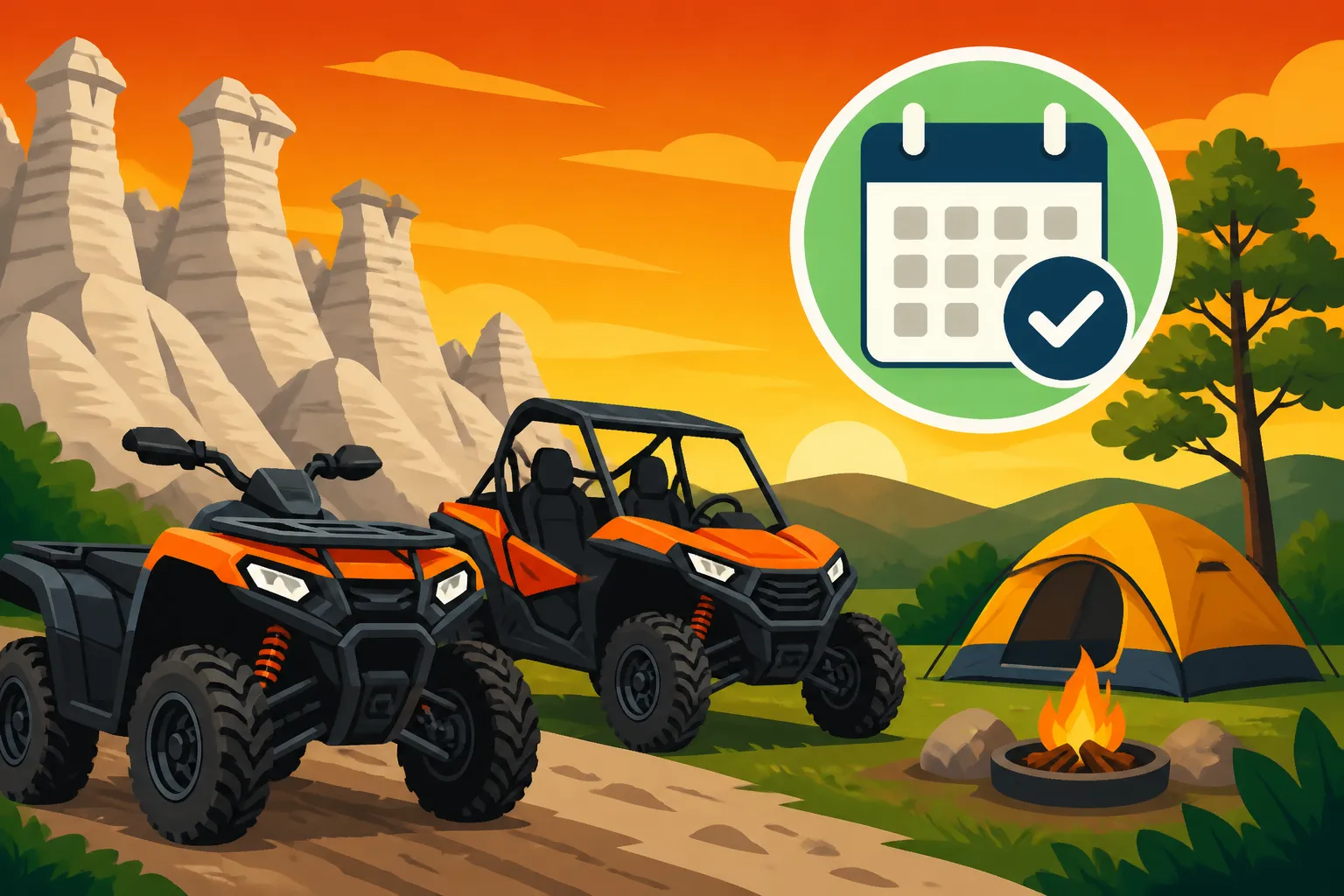
Booking a Gypsum City campsite takes a little more planning than simply picking a weekend and loading the trailer. The campground is part of a popular off-highway riding area near Fort Dodge, and availability, access, and park conditions can affect the trip. This guide explains how to check campsite options, prepare for arrival, and make a backup plan if your preferred dates are full.
How to check campsite availability at Gypsum City
Start with the park’s official information
Gypsum City OHV Park is outside Fort Dodge in Webster County. Its campground and trail area operate seasonally, so first confirm that your intended dates fall within the park’s operating period. The park information listed for Gypsum City gives a season from April 15 to October 15, but do not assume every facility is open for the full period or that campsites are available every night. Check the park’s current information before you commit to travel.
Look for the park’s own reservation instructions or contact the operator responsible for campground bookings. The official channel is the best place to confirm whether reservations are accepted, how a site is held, what payment methods are accepted, and what rules apply to cancellations or changes. Those details can change, and an old social media post or an informal comment from another rider may not reflect the current process.
When you make contact, have your dates, arrival time, party size, and equipment details ready. Mention whether you are bringing a motorhome, travel trailer, tent, or more than one vehicle. A site that suits a small tent may not work for a long trailer, and the campground’s rules may distinguish between camping equipment and extra parking.
Ask the practical questions before you book
A booking confirmation does not always answer the questions that matter on arrival. Before paying or finalizing plans, ask what the site includes and what is shared. Confirm the available hookups, if any, the location of restrooms or water, whether a fire ring is provided, and whether there are limits on the size or number of camping units. Do not assume amenities based on photos or on a previous visit.
It is also worth asking how check-in works. Find out where to go when you arrive, whether there is a gate or office to check in at, and what to do if you reach the park after staff hours. If you expect to arrive late, ask whether the site will still be held and whether there are instructions for locating it in the dark. A simple call can prevent the unpleasant surprise of towing a trailer around an unfamiliar campground while trying to find a site number.
Use a short checklist when you contact the park:
- Are my dates open, and is the campground operating then?
- Do I need to reserve, or are sites assigned when I arrive?
- What equipment can fit at the site?
- What services and shared facilities are available?
- What are the check-in and quiet-hour rules?
- What is the cancellation or date-change process?
- Are there separate riding, vehicle, or park-access requirements?
For a broader picture of the campground itself, see [Gypsum City's Thirty-Three Site Campground]. If you are deciding whether to make the drive at all, [Riding Gypsum City for a Weekend] can help you think through the riding portion of the trip as well as the overnight stay.
Choose dates with the riding season in mind
A campsite is only one part of the plan. Check whether the trails are expected to be open and suitable for riding during your dates. Gypsum City’s operating season does not guarantee that every trail is open every day; weather, maintenance, and ground conditions can affect access. After heavy rain, Iowa soil can become slick and vulnerable to rutting, and a closure may be put in place to protect the trails.
This matters especially when a campsite is booked well in advance. If the trails close shortly before your trip, you may still be able to camp, but the main reason for travelling could be affected. Before you leave home, check park notices and contact the operator if the forecast has been wet or if a closure alert appears. The guide [Iowa Trail Conditions Before You Ride] covers the kinds of checks that help avoid arriving to a closed riding area.
If your dates are flexible, consider building a little room around busy weekends and holidays. A midweek stay may be easier to arrange, while a popular weekend can fill more quickly. There is no reliable substitute for checking actual availability, so avoid booking transportation or making nonrefundable plans until the campground details are clear.
Pick a campsite that works for your group and equipment
Match the site to your trailer or tent
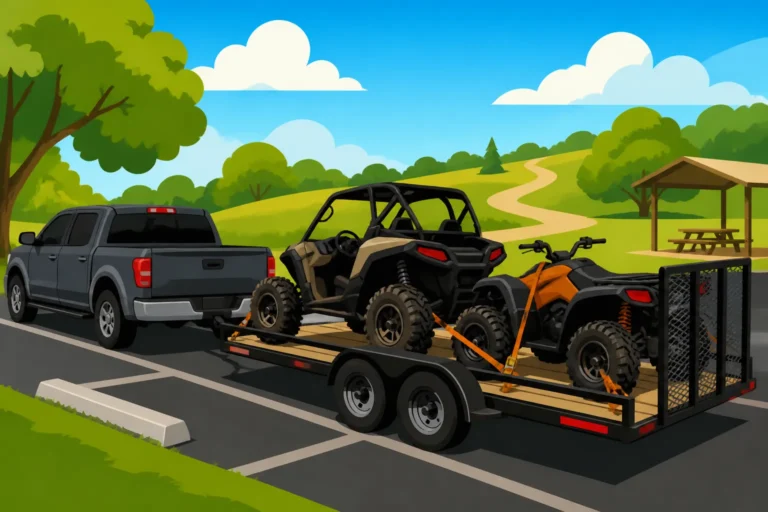
Before requesting a site, think about the full footprint of your setup. A trailer’s length is only part of the equation. You also need room to park the tow vehicle, unload machines, open doors or ramps, and move around safely. If you are bringing two machines, a second vehicle, or a larger camper, describe the whole arrangement rather than asking only whether the trailer fits.
For example, a family hauling a side-by-side on a separate trailer may need more space than a couple arriving with one ATV and a tent. A site that looks adequate on a map could feel cramped once the tow vehicle, camping gear, and riding equipment are all in place. Ask whether extra vehicles can be parked elsewhere and whether you need to reserve more than one site for a larger group.
If you are tent camping, ask about the surface and the distance to shared facilities. A spot that works well for a camper may be less comfortable for a tent, especially after rain. Bring a groundsheet and plan for changing conditions rather than assuming the campsite will be dry and level.
Understand what is and is not included
Confirm whether camping costs and riding access are handled together or separately, and ask what proof of registration or permits riders should carry. The campground reservation should not be treated as a guarantee that every machine in your party is ready to ride. Check the requirements for your own vehicle type, residency, and riding situation before departure.
For riders who live outside Iowa, the relevant rules may differ from those for Iowa residents. Review [Iowa ATV Registration for a Nonresident] and [Iowa's Permit for a Visiting Machine] if you are unsure what documentation may be required. Also check what the park expects you to display or carry, rather than relying on a friend’s experience with a different machine or visit.
Pack with the campground’s actual facilities in mind. If you have not confirmed that potable water, electrical service, showers, or a dump station are available, do not plan your whole stay around those amenities. Bring drinking water, charging options, and basic cleanup supplies as needed. If the park confirms that a facility is available, ask where it is and whether there are access restrictions or operating hours.
Plan your layout for a comfortable stay
Once you know the site type and dimensions, make a simple arrival plan. Keep the riding gear you will need first near the trailer door, and secure loose equipment before leaving home. When you arrive, park and unload without blocking campground lanes or neighboring sites. If you have children or a group of riders, set a clear meeting point so nobody is wandering around looking for the correct campsite.
Do not assume that the campsite is a place to repair or wash a machine. Ask what the campground permits, and bring a small tool kit for ordinary adjustments rather than planning a major repair on site. For muddy rides, carry a contained cleanup option and follow park instructions about washing machines. Clay and grit can be hard on equipment, but runoff and mess can also affect other campers.
A map app can help with the drive and with keeping track of nearby roads, but it should not replace official park directions or posted rules. Some riders use onX Offroad to plan their route and orient themselves around riding areas; check the app’s coverage and map details before relying on it. Keep the park’s official map or directions available as well, especially if mobile reception is weak.
Prepare for arrival and a smooth riding weekend
Confirm directions, access, and current conditions
Gypsum City is near Fort Dodge, but the last part of a trip with a trailer can take longer than expected. Confirm the entrance location and approach route before you leave. A navigation app may choose a route that is technically passable but inconvenient for a large rig, so compare its directions with the park’s official instructions. If you are towing, check for tight turns, road work, and places where you can safely stop without blocking traffic.
Check the park’s status close to departure, not only when you make the reservation. Rain can change riding conditions quickly, and closures may be announced after you have already planned your trip. The park’s official notices should take priority over older maps or posts. You can use onX Offroad as a supplementary planning tool to review your general route, but confirm trail access and closure information with the park before unloading.
Pack a paper or saved copy of the reservation details, the park’s contact information, and the campground map if one is provided. That way, you are not depending on a strong cell signal to find your site or prove your booking. This is particularly useful if the group arrives in separate vehicles or if one person is towing while another is already at the campground.
Bring what the campground may not provide
Even a well-equipped campground may not have everything your group needs. Pack bedding, food, cooking supplies, drinking water, lighting, weather-appropriate layers, and a basic first-aid kit. Bring gloves and footwear that can handle mud, gravel, and wet grass. Iowa weather can shift during a weekend, so have rain gear and a dry change of clothes ready rather than buried under the machines.
For the riding part of the trip, prepare the machines before you arrive. Check fuel, tires, brakes, lights, and tie-downs at home. A breakdown in the campground can disrupt the stay and create a safety issue for nearby campers. Carry the tools and spare items appropriate to your machine, and do not rely on the campground to have repair supplies.
onX Offroad may be useful for reviewing a planned route and keeping orientation information handy, but do not treat a phone map as a substitute for carrying required documents or following trail markers. Download or save any maps you expect to use before reaching an area where reception may be limited. Also keep the park’s own trail map close at hand; the people maintaining the area and posting its rules are the authority on where riders may go.
Have a backup plan if your first choice is unavailable
If your preferred dates or site type are full, ask whether the park keeps a cancellation list or whether availability changes closer to the weekend. Do not assume a cancellation will happen, and do not travel without a confirmed place to stay if camping is essential to your trip. Ask whether a different site can accommodate your setup before accepting it.
You can also look for lodging or campgrounds in the Fort Dodge area, but check how far they are from the park and whether they allow machines and trailers. A nearby place to sleep may not permit trailer parking, early departures, or muddy equipment. Get permission and confirm the practical details before you count on it.
If you choose another riding area, check its campground rules, riding access, and current trail conditions separately. The same assumptions do not apply everywhere. [Iowa's Weather-Driven Trail Closures] explains why conditions can affect plans, while [Iowa OHV Parks With Electric Sites] may help if electrical service is a key requirement for your group. Use onX Offroad to compare general locations and plan the drive if helpful, then verify the alternative park’s rules directly before changing your reservation or loading the trailer.
A simple booking and trip-planning checklist
Use this sequence to reduce last-minute surprises:
- Choose tentative dates that fit Gypsum City’s operating season.
- Check the park’s official campground information and contact the booking operator.
- Confirm availability, site size, services, rules, and check-in instructions.
- Describe every vehicle, trailer, and camping unit in your party.
- Ask how campsite charges and riding access are handled.
- Confirm machine documentation and any visitor requirements.
- Save the booking confirmation, directions, contact details, and park map.
- Recheck weather, trail notices, and closures shortly before departure.
- Keep a nearby lodging or campground option in mind if your plans change.
| Planning detail | What to confirm | Why it matters |
|---|---|---|
| Dates | Campground operation and site availability | The riding season and campground availability may not match your assumptions |
| Site fit | Trailer, tow vehicle, tent, and extra parking space | A site may not accommodate the full setup |
| Amenities | Water, power, restrooms, and other facilities | Avoid arriving without supplies you expected to find |
| Check-in | Arrival location, timing, and late-arrival instructions | Makes towing in and locating the site easier |
| Riding access | Current trail status and required documentation | A campsite booking does not settle riding eligibility |
| Weather | Rain, closures, and changing trail conditions | Helps protect both your trip and the trails |
A little checking before you leave can make a Gypsum City weekend feel much easier. Confirm the campsite details directly, size the site to your equipment, and check the park’s trail status close to departure. Most importantly, keep your camping reservation, riding requirements, and trail access as separate items to verify. That way, if one part of the plan changes, you will know exactly what needs adjusting.
Disclaimer
This article is for general informational purposes only and does not constitute professional advice. Laws, prices and regulations vary by location and change over time. Consult a qualified professional for guidance on your specific situation.