65 Miles in Webster County
Gypsum City OHV Park near Fort Dodge is often described by its 65 miles of trails, but that number can make planning feel easier than it is. The open mileage, route choices, and riding conditions can change, and a long trail network is not automatically a simple day out. This guide explains how to plan a practical ride in Webster County, from checking conditions to choosing a pace and packing for the park.
What the 65 miles at Gypsum City really mean
Think of it as a network, not one long route
The 65 miles refer to the trail network at Gypsum City OHV Park, not a single, marked 65-mile loop that every rider can follow from start to finish. You’ll want to approach the park as a set of riding options and decide how much ground to cover based on your group, machine, and the trails open that day. For general park background, see Gypsum City OHV Park at Fort Dodge and Iowa's Largest Park at 800 Acres.
That distinction matters when you’re planning fuel, food, and a return time. A group that stops often, has newer riders, or includes children may cover less ground than a group riding steadily. Even experienced riders can lose time to trail intersections, regrouping, changing conditions, or taking a wrong turn and backtracking. Treat the mileage as the scale of the opportunity, not a promise about how far you’ll ride in a session.
It also helps to resist the urge to “complete” the park on your first visit. Pick a manageable part of the network, learn how the trail markings work, and leave yourself room to adjust. If everything goes smoothly, you can explore farther next time. If the trails are muddy, crowded, or more demanding than expected, a shorter ride can still be a satisfying one.
Match the ride to the people and machines in your group
A trail network is useful only if the group can ride it safely and comfortably. Before loading up, talk through the experience level of each rider and the capabilities and width of each machine. A route that feels straightforward to one person may be tiring for a child, a beginner, or someone operating a larger vehicle for the first time.
For a mixed group, agree on a conservative pace and regrouping plan before leaving the staging area. Choose recognizable meeting points, and make sure everyone knows what to do if the group becomes separated. Don’t assume the fastest rider will automatically be able to guide everyone else back; communication can be difficult once machines are spread out or engines are running.
If you’re new to OHV parks, look over Iowa Trails for Beginners before choosing your first route. The most enjoyable first ride is often not the longest one. A comfortable pace gives everyone time to learn the trail layout, watch for other riders, and build confidence without feeling pressured to keep up.
Plan your route before you unload
Check maps and closures together
A map can help you understand the park’s layout, but it should be one part of your preparation rather than the only source you rely on. Review Iowa Trail Maps From the DNR before heading out, then check Iowa Trail Closures to Check First and Iowa Trail Conditions Before You Ride. A route that looks available on a map may be affected by a closure or changing trail conditions.
This is especially important after rain. Iowa clay can become slick and deeply rutted, and riding on a wet trail can be difficult even for people who know the park. Conditions may vary across the network, too: one section might be firm while another has standing water or soft ground. If the park or trail manager asks riders to stay off an area, respect the closure rather than trying to find a way around it.
Digital mapping tools such as onX Offroad can help you think through a route and keep your ride organized. Use them as a planning aid alongside official park information, not as a substitute for posted signs or current closure notices. Before you ride, make sure the group understands how it will navigate if cell service is weak or someone’s phone battery runs low.
Plan for a shorter ride than you think you can do
A common planning mistake is estimating the day by mileage alone. The actual time you spend riding depends on pace, stops, trail difficulty, traffic, and how often the group needs to regroup. Build in a generous turnaround point instead of assuming you can cover a particular distance and still be back by a precise time.
| Planning question | Why it matters | A practical approach |
|---|---|---|
| How much of the network is open? | Closures can change the routes available | Check current park information before leaving and again before unloading |
| Who is riding? | Skill and comfort levels affect pace | Plan around the least experienced rider |
| What machines are in the group? | Width and handling can shape route choices | Review the park’s rules and posted guidance for your machine |
| How long do you have? | Stops and navigation take time | Set a turnaround time, not just a mileage goal |
| What happens if the group separates? | Riders may not have dependable cell service | Choose meeting points and agree on a regrouping plan |
A route-planning app such as onX Offroad can be useful for discussing options before the trip, particularly when you want the group to agree on a general direction. Still, don’t build a plan that depends on every rider having a strong signal or being able to check a phone while riding. Talk through the plan on foot at the staging area and keep the ride flexible.
Make the day work at the park
Prepare the machine and the people
Before you leave home, do a basic check of each machine: tires, brakes, lights where required, controls, fuel, and anything that may have loosened since the last ride. Bring the tools and supplies you realistically know how to use. A small problem is often easier to handle when you notice it in the parking area than when it interrupts the group farther along a trail.
The rider’s setup matters just as much. Wear appropriate protective gear, carry water, and dress for the weather rather than the temperature you expect to feel while standing beside the truck. A long ride can mean changing conditions and less time near your vehicle than you planned. If children are coming along, make sure their gear fits properly and that the day includes breaks before fatigue becomes a safety issue.
Take care with food, fuel, and other items you bring into the park. Follow park rules, and don’t leave trash behind. A clean staging area and respectful trail use make the experience better for the next group—and help protect access for everyone.
Be considerate around other riders
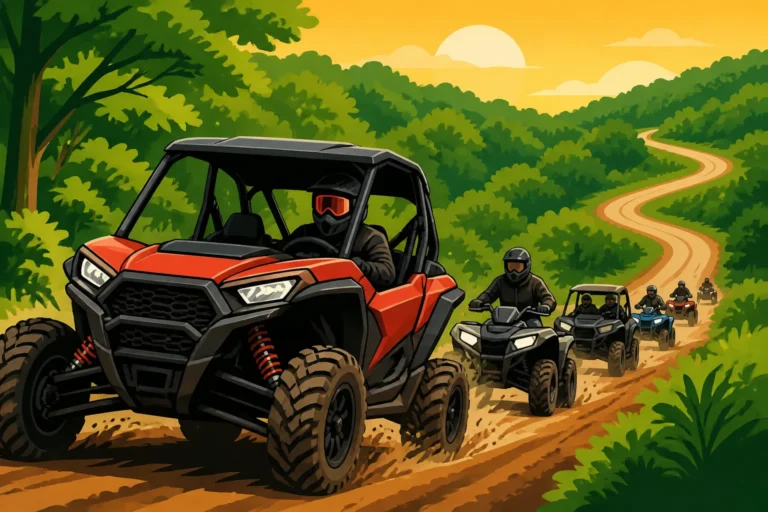
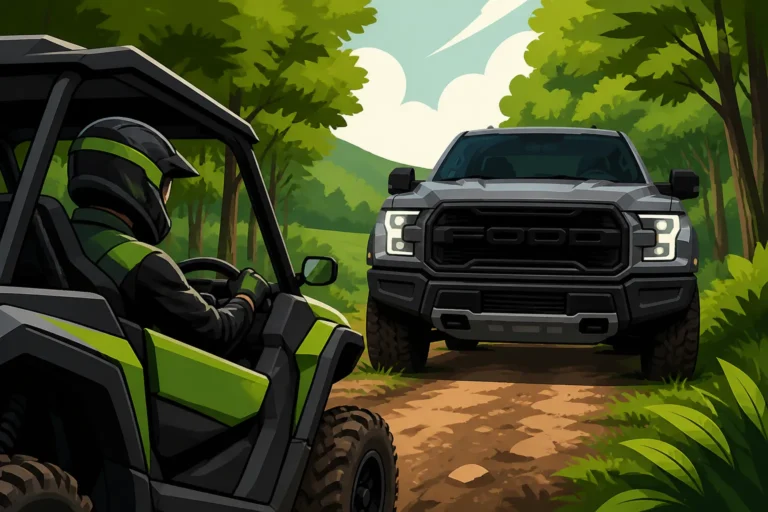
Gypsum City’s network is used by different kinds of off-road machines, so expect that the trail may not feel the same in every direction or section. Stay alert, ride at a pace that leaves you time to react, and follow park signs and right-of-way instructions. When you approach another group, slow down and give people room to pass safely rather than assuming they have seen you.
Before heading out, review [Sharing Gypsum City With Full-Size Rigs] if your group includes different machine sizes. Agree on how to handle encounters and regroup afterward. A large group can take longer to get through a trail junction or pass another group, so keep the line organized and avoid blocking the route while you wait.
If you use onX Offroad or another navigation tool, pause somewhere safe before checking it. A phone screen can distract you from trail traffic, changing surfaces, or signs. The simplest habit is to decide where you’re going before setting off, then stop in a safe place if the group needs to review the map.
Build a realistic first-trip plan
Keep the first outing simple
For a first visit, aim to get familiar with the staging area, trail markings, and general layout rather than trying to ride every available section. [Staging Early at Gypsum City] can help you get settled without feeling rushed. Once parked, check the day’s posted information, sort out helmets and other gear, and make sure each rider understands the basic plan.
Start with a conservative outing and reassess after the first stretch. Ask the group how the trail feels, whether anyone needs a break, and whether the pace is working. If the route is more challenging than expected, turn around or choose an easier option when allowed. There is no prize for pushing through a ride that has stopped being fun or manageable.
It’s also sensible to agree on a simple fallback plan: where to regroup if someone misses a turn, who carries essential supplies, and what the group will do if a machine has a problem. These conversations may feel overly cautious in the parking lot, but they’re much easier there than when everyone is separated and frustrated.
Check practical details before driving to Webster County
A great ride can be spoiled by discovering at the gate that conditions or access have changed. Check park information before setting out, and recheck it if the weather shifts during the day. If your trip involves camping, review Camping at Gypsum City in May for planning considerations and confirm the details that apply to your intended visit directly with the park.
Make sure your machine has the registration or permit required for your situation, and read the park’s posted rules before riding. Don’t assume that a previous visit, a familiar sticker, or a route shown in an app replaces current requirements. If you’re bringing a visitor’s machine, or you’re unsure which paperwork applies, sort that out before the trip rather than at the trailhead.
Finally, set expectations with your group. A 65-mile network does not mean everyone needs to ride 65 miles. A successful day may mean a few enjoyable loops, a safe return to the staging area, and enough energy left to load up without rushing. Plan around the conditions and the people who came with you, and Webster County’s trail network is much easier to enjoy.
Disclaimer
This article is for general informational purposes only and does not constitute professional advice. Laws, prices and regulations vary by location and change over time. Consult a qualified professional for guidance on your specific situation.