Appealing an Iowa ATV Citation
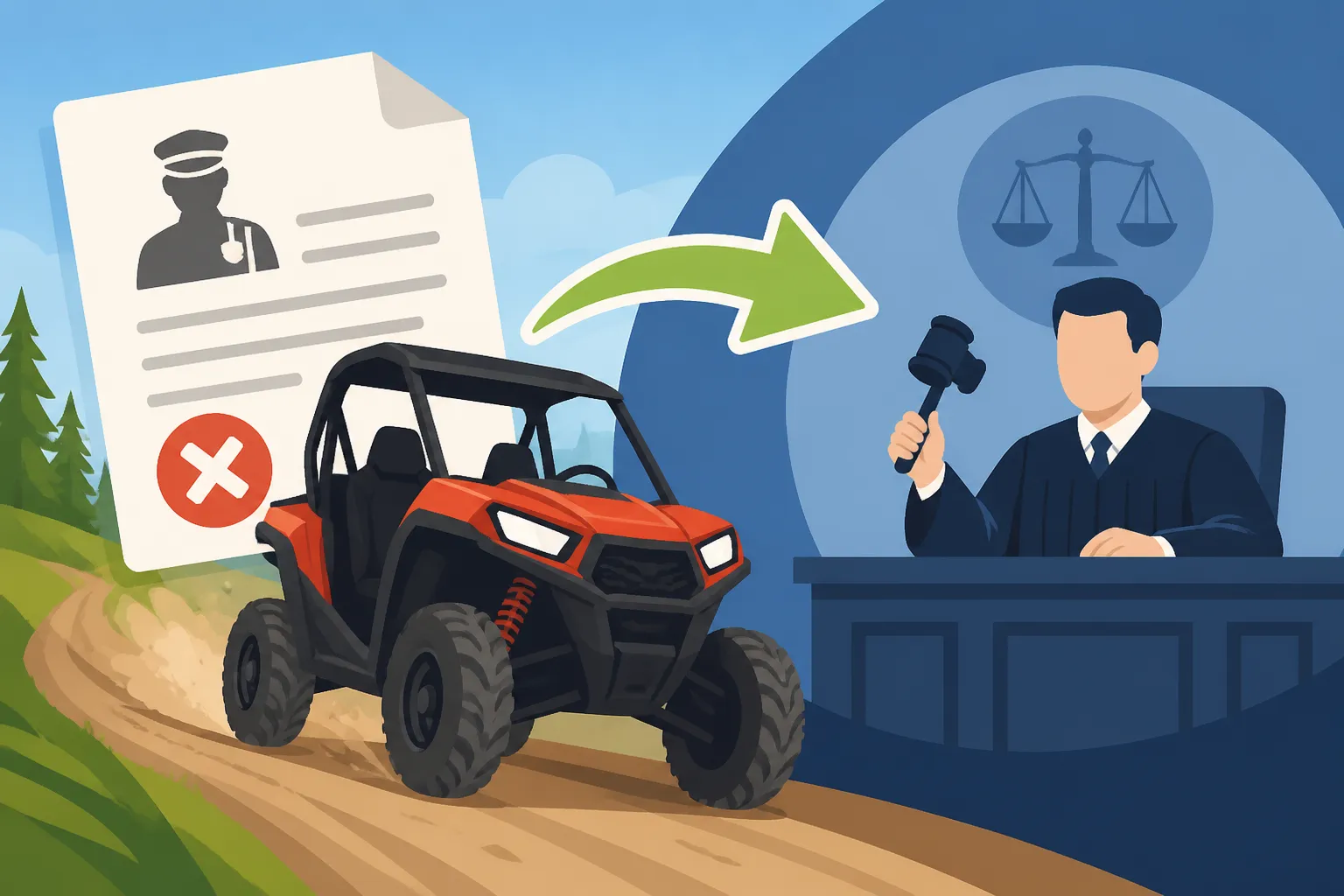
There's nothing quite like the sudden, sinking feeling in your stomach when a conservation officer or sheriff's deputy hands you an ATV or UTV citation out on an Iowa trail or gravel road. One moment you're enjoying the freedom of the ride, and the next you're holding a piece of paper that feels like a judgment, often accompanied by a hefty fine or a court date. It can be incredibly frustrating, especially if you feel you were following the rules, or perhaps misunderstood a complex regulation. This guide is here to help you navigate the often-confusing process of appealing an Iowa ATV citation, breaking down your options and what steps you can take to challenge it.
Understanding Your Iowa ATV Citation
When you receive a citation for an ATV or UTV violation in Iowa, it's more than just a piece of paper; it's a formal accusation of a legal infraction. These citations can range from minor equipment violations to more serious offenses like riding in restricted areas or operating under the influence. Understanding the specifics of what you've been cited for is the crucial first step in deciding how to proceed.
Common Reasons for Iowa ATV & UTV Citations
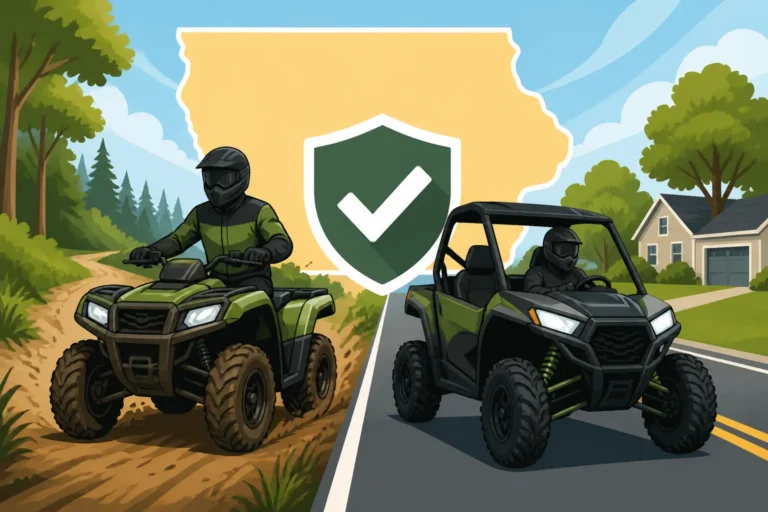
Iowa has a comprehensive set of rules governing off-highway vehicles, and a citation can stem from many different situations. Often, riders get caught unaware by nuances in the law. For example, [Getting Cited for Riding Without a Recorder Decal] is a common one, as some riders might not realize their registration expired on December 31st, or perhaps they've just purchased a machine and haven't completed the transfer. [Iowa Fines for Illegal ATV Road Use] are also prevalent, particularly if you're caught riding on a paved road that isn't explicitly authorized by the county or city, or if you're not following the "most direct route" rule to reach an approved trail.
Other common citations include not having the proper safety certificate if you're between 12 and 17 years old, operating an unregistered machine, or failing to carry proof of insurance if you're on a public road. We've all seen those riders who modify their machines with loud exhausts or don't have proper lighting. While many aftermarket parts are great for performance and utility, like heavy-duty axles or lift kits from SuperATV, it's important to ensure your machine still meets Iowa's legal requirements, especially if you plan to operate it anywhere beyond private land. Sometimes, a citation might even involve something as simple as improper decal placement, where your valid registration decal isn't mounted correctly on the rear fender.
Deciphering the Citation Details
That citation isn't just a fine; it's a document loaded with important information. Take a moment, maybe after you've cooled down a bit, to carefully read every line. You'll typically find details like the specific Iowa Code section you're accused of violating, the date, time, and location of the alleged offense, and the issuing officer's name and agency. It should also clearly state whether you're required to appear in court or if you can simply pay a fine.
Understanding the specific code section is paramount. For instance, if you're cited under Iowa Code section 321I, you know it pertains to off-highway vehicles. If it's a chapter related to traffic laws, it might mean the officer considered your ATV or UTV a vehicle operating on a public roadway. This detail will guide your research into the specific law and whether you have grounds for an appeal. Don't be afraid to look up that code section online or visit your local public library for assistance. The more you know about the alleged violation, the better equipped you'll be to challenge it.
Deciding Whether to Appeal Your Citation
Receiving an ATV citation in Iowa can be a stressful and confusing experience. Before you decide to simply pay the fine or accept the consequences, it's crucial to weigh your options and determine if appealing the citation is the right path for you. This decision isn't always clear-cut, as it involves considering the potential costs, the time commitment, and the strength of your case.
Factors to Consider Before Appealing
The first thing to assess is the nature of the violation. Was it a minor equipment issue that you genuinely didn't know about, or a more serious offense? For example, if you were cited for [Iowa Fines for No Proof of Insurance] while riding on a public gravel road, and you do actually have current insurance, then appealing might be a straightforward process of presenting that proof. However, if you were caught riding on a highway clearly marked as off-limits, the chances of a successful appeal might be slimmer.
Another critical factor is the potential impact on your record. While many ATV citations are considered non-moving violations and might not affect your driver's license points, some, especially those related to operating under the influence or reckless behavior, could have more severe consequences. If you're concerned about a mark on your record or potential future implications for your insurance rates, an appeal could be worth pursuing. Think about the long-term effects beyond just the immediate fine.
Finally, consider the time and effort involved. An appeal isn't just a quick phone call; it often means gathering evidence, potentially attending court hearings, and preparing your case. Do you have the time to dedicate to this process, or is it simply easier to pay a smaller fine and move on? This is a very personal decision, and there's no right or wrong answer for everyone.
Pros and Cons of Appealing an Iowa ATV Citation
It's helpful to lay out the advantages and disadvantages before making your final decision.
| Pro of Appealing | Con of Appealing |
|---|---|
| Possible dismissal/reduction | Time commitment |
| Avoids fine and other penalties | Potential for higher fines/costs |
| Keeps your record clean | Stress and emotional toll |
| Opportunity to present your side | Requires research and preparation |
| Ensures justice if wrongly cited | No guarantee of success |
| Prevents insurance rate hikes | May require legal representation |
On the "pro" side, a successful appeal means you won't have to pay the fine, and the violation won't go on your record. This can be a huge relief, especially if you truly believe you were wrongly cited or if there was a misunderstanding. It also provides an opportunity to explain your side of the story, which can be incredibly validating. For instance, if a deputy pulled you over, mistaking your modified trail machine with aftermarket components from SuperATV for something prohibited, you might have a strong case to clarify the legality of your setup.
However, the "con" side is significant. Appealing takes time away from your work, family, and riding. You might need to make multiple trips to the courthouse, gather documentation like your registration certificate or photos of the scene, and potentially even consult with legal counsel. There's also the risk that the court might uphold the original citation or even impose a higher penalty, though this is less common for minor infractions. Ultimately, your decision should balance the potential benefits against the investment of your resources and emotional energy.
The Iowa ATV Citation Appeal Process
So, you've decided to challenge that ATV or UTV citation. It's certainly a proactive step, but navigating the legal system can feel like trying to find your way through a dense timber without a map. Don't worry, we'll break down the typical steps involved in appealing an Iowa ATV citation. Remember, while I'm offering guidance, this isn't legal advice, and specific situations may require consulting with an attorney.
Initial Steps After Receiving the Citation
The very first thing you need to do is carefully read your citation again, especially any instructions about appearing in court or responding to the ticket. Many citations will have a deadline for response, typically within a few weeks. Missing this deadline can result in additional penalties, or even a warrant for your arrest in some cases, so mark your calendar!
Next, you'll generally have two choices: plead guilty and pay the fine, or plead not guilty and request a court hearing. To appeal, you must plead not guilty. This is usually done by signing the appropriate section on the citation itself and mailing it back, or by appearing at the courthouse on the date indicated to formally enter your plea. If you have any doubts, call the clerk of court for the county where the citation was issued. For example, if you were cited near Gypsum City OHV Park in Webster County, you'd contact the Webster County Clerk of Court. They can often clarify the exact procedure for your specific citation.
Gathering Your Evidence and Building Your Case
Once you've pleaded not guilty, the real work of building your case begins. This is where you'll collect anything that supports your defense. Think about what happened leading up to and during the citation.
- Photos and Videos: Did you take pictures of the area where you were cited, or of your machine's setup? For instance, if you were cited for improper lighting, but your SuperATV LED light bar was fully operational, a photo could be crucial. If you were cited for riding in a prohibited area, photos of signage (or lack thereof) could be helpful.
- Documentation: Collect your ATV's current registration certificate, proof of insurance (especially if you were cited for [Iowa ATV Insurance Requirement]), and your ATV safety certificate if you're a youth rider. Also, any written permission from a landowner if you were on private property and cited for trespass.
- Witnesses: Were there any passengers or other riders with you who can corroborate your story? Get their contact information.
- Research: Look up the exact Iowa Code section you were cited under. Understand what the law says and how it applies to your situation. Sometimes, the officer might have misinterpreted the nuances of a specific rule, like the [Iowa Rules for Riding a Gravel Road] or the specific conditions under which [Iowa's Farm License Exemption] applies.
Organize all this information. A clear, chronological account of events will be very useful when you present your case.
Presenting Your Case in Court
When your court date arrives, dress appropriately – business casual is usually best. Arrive early to find parking and locate the courtroom. When your name is called, you'll approach the bench. The judge will typically ask how you plead, and you'll reiterate "not guilty."
The officer who issued the citation will often be present and will give their account of what happened. This is your opportunity to listen carefully. Once they've finished, you'll usually have the chance to cross-examine them, asking questions to clarify points or highlight inconsistencies. This is not the time to be confrontational, but rather to politely and respectfully ask questions that support your case.
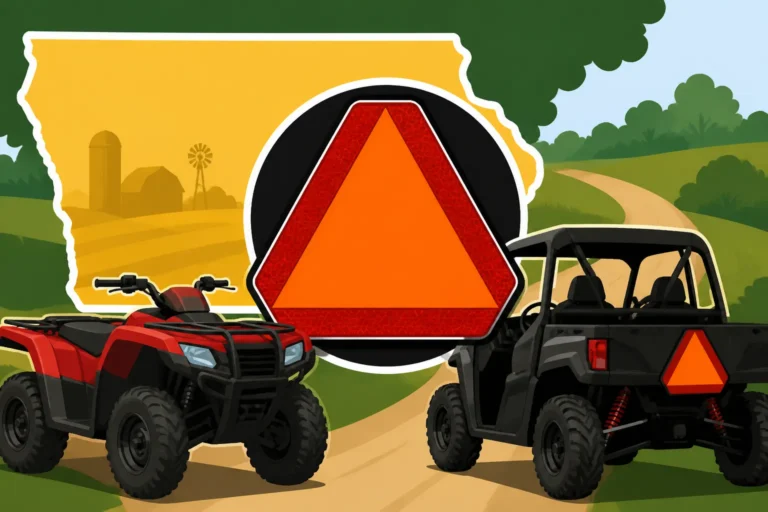
Then, it's your turn to present your defense. Clearly and concisely tell your side of the story. Use your evidence to back up your claims. For example, if you were cited for not having a [Slow-Moving Vehicle Triangle] on a road-legal machine, but you did, clearly state that and present a photo. If the citation was due to an expired registration, but you renewed it online and were simply waiting for the decal to arrive, explain that and show proof of your online renewal. Be respectful of the judge and the court process, even if you're feeling frustrated. A calm, well-prepared presentation significantly increases your chances of a favorable outcome.
What to Expect After You Appeal
Appealing an ATV citation in Iowa can feel like you've done your part, but the process doesn't always end with a definitive "guilty" or "not guilty" ruling on your court date. There are several potential outcomes, and understanding them can help you prepare for whatever comes next. The legal system sometimes moves at its own pace, and patience is definitely a virtue here.
Potential Outcomes of Your Appeal
Once you've presented your case to the judge, a few things could happen:
- Dismissal: This is the best-case scenario. The judge may agree with your argument, find insufficient evidence to support the citation, or determine that the law was misapplied. If your citation is dismissed, you're off the hook – no fine, no penalty, and no mark on your record. This often happens in cases where there's a clear misunderstanding, such as presenting valid proof of insurance when the officer thought you didn't have any.
- Reduction of Charges/Fine: Sometimes, the judge might not dismiss the citation entirely but may reduce the charge to a lesser offense or lower the associated fine. This can be a good compromise, especially if there were mitigating circumstances or if your arguments highlighted some ambiguities in the situation.
- Plea Bargain: In some cases, the prosecutor (if one is involved) might offer you a plea bargain before or during your hearing. This typically involves pleading guilty to a lesser charge in exchange for dropping the original, more serious one, or reducing the fine. It's a strategic decision whether to accept a plea bargain, and you should consider it carefully.
- Upheld Citation: The judge might find that the evidence and legal arguments support the original citation. In this case, you'll be found responsible for the violation and will be ordered to pay the full fine and any associated court costs. While disappointing, it's important to remember that you still had the opportunity to present your side.
- Continuance: Less common for simple ATV citations, but sometimes the case might be continued to a later date if more information is needed, or if one party requests it.
The outcome largely depends on the strength of your evidence, the clarity of your presentation, and the specific circumstances of the citation.
Post-Appeal Steps and Further Options
If your citation is upheld, you'll typically be given a deadline to pay the fine and any court costs. Make sure you understand exactly what you owe and when it's due to avoid further penalties.
However, if you feel there was a significant legal error in the trial, you might have the option to appeal the judge's decision to a higher court. This is a much more complex and costly process, almost always requiring the assistance of a legal professional. An appeal to a higher court isn't about re-presenting your original evidence; it's about arguing that there was a mistake in how the law was applied or interpreted during your initial hearing. For most standard ATV citations, this level of appeal is rarely pursued due to the time and expense involved compared to the potential fine.
Regardless of the outcome, take it as a learning experience. Review the rules for riding in Iowa, paying particular attention to details like [Iowa Rules for Riding Public Land] versus private land, or the specific requirements for different types of roads. If you've been considering modifications to your machine, perhaps some sturdy bumpers or a new winch from SuperATV, always double-check that they comply with Iowa law for wherever you plan to ride. Staying informed and prepared is the best way to prevent future citations and keep your riding adventures enjoyable.
Disclaimer
This article is for general informational purposes only and does not constitute professional advice. Laws, prices and regulations vary by location and change over time. Consult a qualified professional for guidance on your specific situation.