Twenty Thousand for One Injury
It's an exciting prospect to take your ATV or UTV beyond the confines of dedicated trails and explore the vast network of Iowa's unpaved secondary roads. However, the thrill can quickly turn to dread if you're not properly prepared for the legalities involved, especially when it comes to insurance. Many riders don't realize the serious financial and legal risks they expose themselves to and others if they hit the pavement without adequate coverage. This guide is here to unravel the often-confusing world of Iowa's ATV and UTV insurance requirements for road use, specifically detailing what "Twenty Thousand for One Injury" truly means for you and your riding adventures.
Understanding Iowa's Minimum Liability for Road-Legal ATVs and UTVs
So, you've heard whispers about "Twenty Thousand for One Injury" when it comes to riding your off-highway vehicle (OHV) on Iowa's public roads. It might sound like a riddle, but it's actually a crucial piece of information that directly impacts your legal and financial well-being. This isn't just some abstract number; it's the bare minimum liability coverage Iowa requires you to carry to protect others if you're deemed at fault in an accident involving your ATV or UTV on a public road. Without this, you're not only breaking the law but also setting yourself up for potentially life-altering financial repercussions.
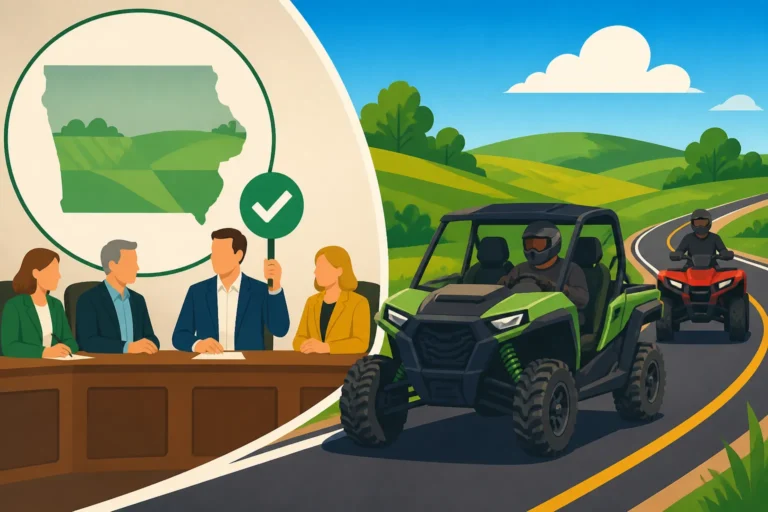
Iowa recognizes that while these machines are primarily for off-road fun, there are legitimate reasons for them to be on certain public roadways. But with that privilege comes responsibility. The state isn't just asking you to have some insurance; it's mandating specific minimums to ensure that victims of accidents caused by an OHV operator have a baseline level of financial recourse. This applies whether you're just crossing a paved road to get to a gravel path, or if you're taking advantage of your county's permission to ride on [Unpaved County Secondary Roads in Iowa].
What "Twenty Thousand for One Injury" Truly Means
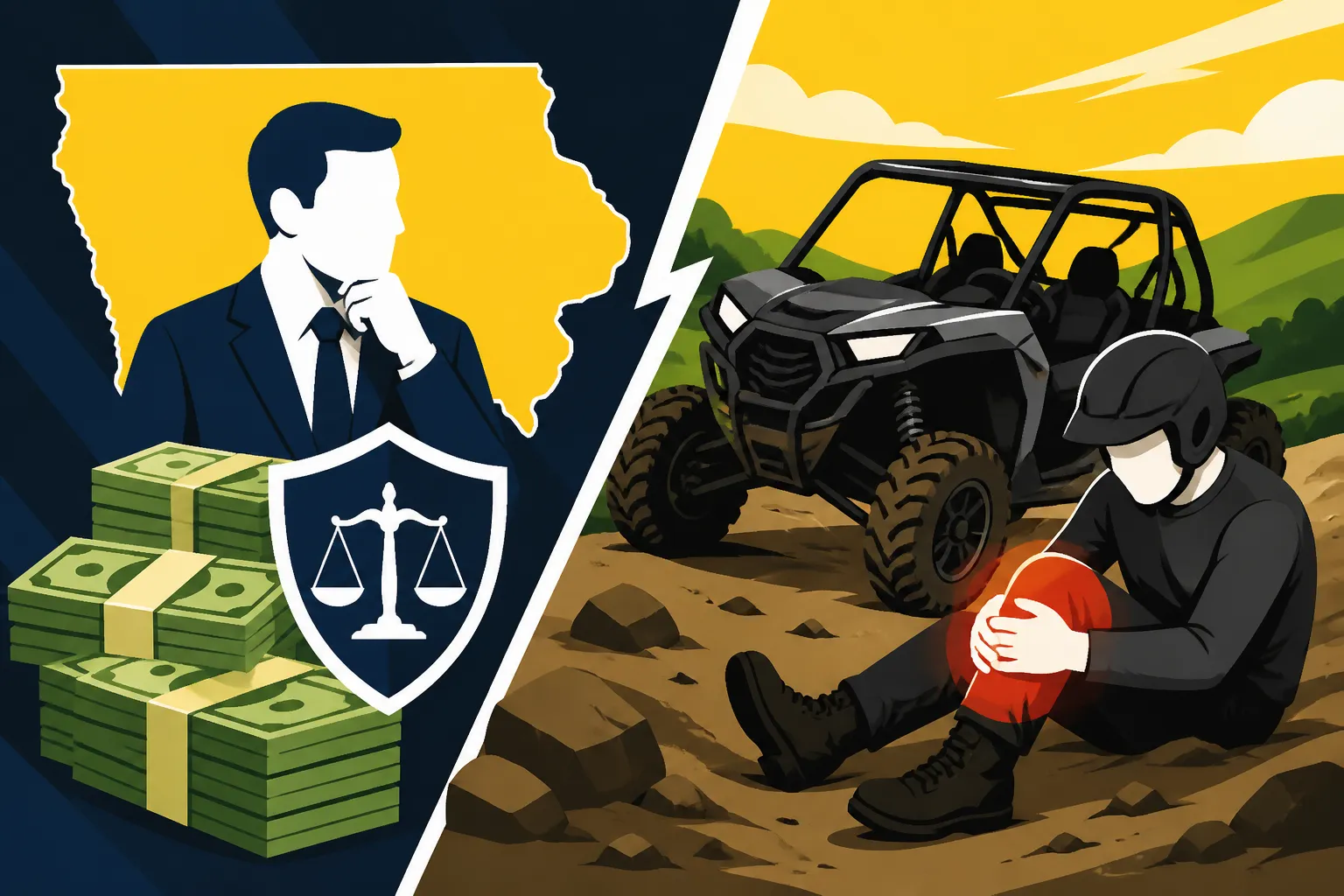
At its heart, "Twenty Thousand for One Injury" refers to the minimum amount of bodily injury liability coverage required per person for an accident where you are found to be at fault. Imagine you're riding your UTV on an approved gravel road, and due to an oversight, you accidentally collide with another motorist, causing them serious injury. If you're deemed responsible for that accident, your insurance company would be obligated to pay up to $20,000 for the medical bills, lost wages, and pain and suffering of that single injured person.
This isn't just about a broken arm or a few stitches; serious injuries can quickly rack up tens of thousands of dollars in hospital stays, surgeries, physical therapy, and even long-term care. If the damages exceed that $20,000 limit, the injured party can then come after your personal assets to recover the difference. This is why understanding this number isn't just about ticking a box for legal compliance; it's about safeguarding your own financial future. It's easy to dismiss these figures until you're faced with a real-world scenario, but trust me, it's a conversation you want to have with your insurance agent before you hit the road. This also directly relates to the broader [Iowa ATV Insurance Requirement].
Why Iowa Demands Specific Coverage from Riders
Iowa's requirement for specific insurance coverage when operating an ATV or UTV on public roads stems from the simple fact that these machines, while incredibly fun, can cause significant damage and injury in a collision, especially with larger, heavier passenger vehicles. The state's primary concern is public safety and ensuring that innocent parties are not left to bear the financial burden of someone else's negligence. Think about it from the perspective of a family whose car is hit by an ATV. Without adequate insurance, they could be facing massive medical bills and vehicle repair costs with no way to pay for them, even if the ATV rider was clearly at fault.
These minimums are a form of consumer protection, not just for the other drivers, but indirectly for you as well. While it might seem like just another expense, that insurance policy is your first line of defense against potentially bankrupting lawsuits. It shields your savings, your home, and your future earnings from being seized to pay for damages. Iowa wants to make sure that everyone who shares the road, regardless of their vehicle type, takes responsibility for the potential harm they could inflict. This foundational principle is woven into all of Iowa's vehicle laws, including specific rules for [What Iowa Requires of an ATV on a Public Road].
Beyond the Minimum: The "Forty Thousand" and "Fifteen Thousand" Explained
While "Twenty Thousand for One Injury" is a critical starting point, Iowa's full minimum liability requirement actually encompasses three numbers, commonly expressed as 20/40/15. These numbers represent different aspects of your financial responsibility in an accident. Let's break them down:
- $20,000 for Bodily Injury per Person (The "Twenty Thousand for One Injury"): As we discussed, this is the maximum your insurance will pay for injuries to one individual in an accident you cause.
- $40,000 for Total Bodily Injury per Accident: This is the maximum your insurance will pay for all bodily injuries sustained by all parties in a single accident that you cause, regardless of how many people are injured. So, if two people are injured, and one has $25,000 in damages and the other has $20,000, your insurance would only pay out a maximum of $40,000 total, leaving you personally responsible for the remaining $5,000. It's easy to see how quickly even a minor accident with multiple occupants in another vehicle could exceed this limit.
- $15,000 for Property Damage per Accident: This refers to the maximum your insurance will pay for damage to other people's property in an accident you cause. This could be their vehicle, a fence, a mailbox, or even a building. In today's world of increasingly expensive vehicle repairs, $15,000 can be quickly exhausted, especially if you hit a newer model car or truck.
It's crucial to understand these distinctions. Many riders, especially those new to road-legal operations, might assume that once they have the basic "20" covered, they're fully protected. But as you can see, both the per-accident bodily injury and property damage limits can leave you exposed. Always aim for more than the minimum if you can afford it. It's a small investment for massive peace of mind. For a full breakdown, check out [Iowa ATV Insurance Minimum Coverage].
Navigating the Consequences of Uninsured Road Riding in Iowa
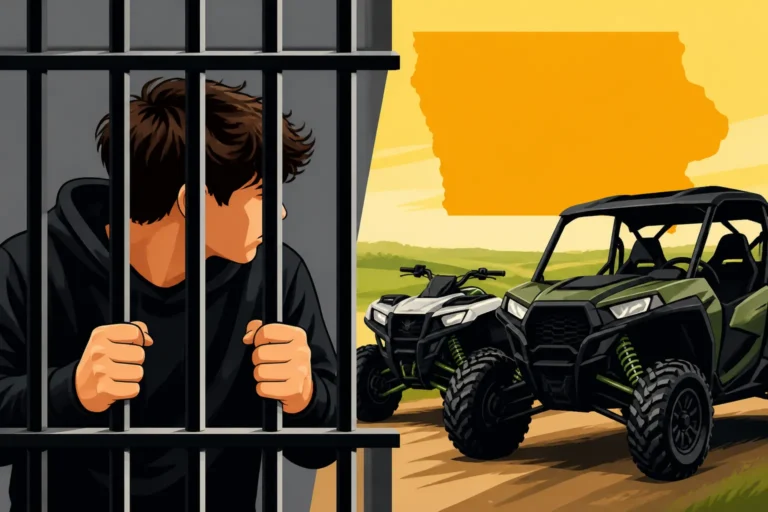
Taking your ATV or UTV onto Iowa's public roads without the proper insurance isn't just a minor infraction; it's a serious gamble with potentially devastating consequences. It's tempting to think you'll never be in an accident, or that you're such a careful rider that it won't matter. But accidents, by their very nature, are unexpected. They happen to good, experienced riders every day, often due to factors completely outside their control. The decision to ride uninsured is a choice that puts everything you own at risk.
The state of Iowa is clear on its stance: if you're operating an OHV on a public road, you must be insured. Law enforcement officers, from county deputies patrolling [Gravel Roads You May Ride Without Asking Anyone] to state troopers on certain paved secondary roads, are trained to check for proof of insurance during routine stops or accident investigations. Don't be caught off guard.
The Immediate Impact of No Insurance
Imagine this scenario: You're enjoying a beautiful fall day, riding your UTV on an authorized secondary road, perhaps heading to a friend's farm. A deer jumps out, you swerve, and unfortunately, you collide with another vehicle. When law enforcement arrives, the first thing they'll ask for, after your driver's license, is proof of insurance. If you can't provide it, the immediate consequences can be harsh:
- Fines and Penalties: Iowa law carries significant penalties for operating an uninsured vehicle on public roads. These aren't just a slap on the wrist; they can be substantial and hit your wallet hard. [Iowa Fines for No Proof of Insurance] are designed to deter riders from this risky behavior.
- Impoundment: In some cases, your ATV or UTV could be impounded on the spot, meaning additional costs for towing and storage, further compounding your financial woes.
- Suspension of Driving Privileges: Depending on the severity of the situation, your driver's license or OHV operating privileges could be suspended, preventing you from legally riding or driving any vehicle.
- Personal Liability for Damages: This is perhaps the most immediate and terrifying impact. If you're at fault in an accident and uninsured, you are personally on the hook for all damages and injuries. This means medical bills, vehicle repairs, lost wages, and pain and suffering for the other parties. Without insurance to cover these costs up to the policy limits, everything you own could be fair game.
Even if you're just stopped for a minor traffic infraction, like improper lighting (despite having installed a great light bar from SuperATV), the lack of insurance can turn a simple warning into a much more serious legal headache.
Long-Term Repercussions: Financial Ruin and Legal Battles
The immediate consequences are just the beginning. The long-term repercussions of riding uninsured can be truly devastating and last for years, even decades. This is where the initial "Twenty Thousand for One Injury" conversation truly hits home.
- Lawsuits and Judgments: If you're at fault in an accident and don't have insurance, the injured parties will almost certainly sue you directly. If they win, a court judgment can be levied against you. This judgment legally obligates you to pay the damages.
- Wage Garnishment: A court judgment can lead to wage garnishment, where a portion of your paycheck is legally withheld and sent directly to the injured party or their attorney.
- Lien on Assets: Your home, your bank accounts, and other valuable assets could have liens placed against them, preventing you from selling them or using them as collateral until the judgment is satisfied.
- Damaged Credit Score: A significant judgment against you will severely impact your credit score, making it difficult to secure loans, mortgages, or even rent an apartment in the future.
- Emotional and Mental Stress: Beyond the financial strain, the emotional toll of constant legal battles, debt, and the guilt of potentially harming others without adequate protection can be immense. It can impact your family, your work, and your overall quality of life.
Nobody wants to live under the shadow of overwhelming debt and legal battles because of a single decision to ride uninsured. This is precisely why Iowa insists on [Iowa ATV Insurance Requirement] for road use. It's a safety net, not just for others, but ultimately for you too.
Finding the Right Policy for Your Iowa Ride
Finding the right insurance policy for your ATV or UTV that covers road use in Iowa doesn't have to be complicated, but it does require a bit of homework. The key is to be proactive and thorough. Don't just settle for the cheapest policy; ensure it actually meets Iowa's specific minimum requirements and provides you with the protection you need.
Here’s a breakdown of how to approach it:
- Start with Your Current Insurer: If you already have car or home insurance, your current provider is often the best place to start. They might offer multi-policy discounts, and it simplifies managing your coverage. Ask specifically about adding your ATV or UTV and ensuring it's covered for road use in Iowa, confirming the 20/40/15 minimums are met or exceeded.
- Shop Around: Don't be afraid to get quotes from several different insurance companies. Some insurers specialize in recreational vehicles and might offer more competitive rates or better coverage options. Compare not just the premium, but also the deductible, coverage limits, and any additional features offered.
- Understand What's Covered (and What Isn't):
- Liability: This is the core requirement, covering damages and injuries you cause to others.
- Collision: This covers damage to your own ATV or UTV if you're in an accident, regardless of who is at fault. This is optional but highly recommended.
- Comprehensive: This covers damage to your OHV from non-collision events like theft, vandalism, fire, or natural disasters. Also optional but valuable.
- Uninsured/Underinsured Motorist: This protects you if you're hit by a driver who doesn't have insurance or doesn't have enough to cover your damages. Given the risks, this is a smart addition.
- Consider Higher Limits: While Iowa mandates 20/40/15, these are truly minimums. In today's economic climate, even a moderate accident can easily exceed these figures. Opting for higher liability limits, such as 50/100/25 or even 100/300/50, offers significantly more protection for a relatively small increase in premium. This extra layer of security can prevent you from facing financial ruin after a serious incident.
- Ask About Discounts: Many insurers offer discounts for safety courses (like the [Iowa ATV Safety Course Cost]), multi-vehicle policies, anti-theft devices, or even for riding less often.
- Equip Your Machine Safely: While insurance covers the financial aspect, preventative measures are key. Ensuring your ATV or UTV has proper lighting, a working horn, and mirrors not only makes it road-legal but also significantly reduces your risk of an accident. Companies like SuperATV offer a wide range of accessories, from enhanced LED light bars to sturdy windshields and rearview mirrors, that can improve visibility and overall safety when you're sharing the road. A well-equipped machine is a safer machine, potentially reducing the likelihood of needing to use that insurance policy.
Taking the time to secure the right insurance policy is an investment in your safety, your finances, and your ability to continue enjoying your machine on Iowa's roads. It’s part of responsible ownership, just like ensuring your machine has all the necessary [Iowa Lighting Requirements for ATVs] for legal road use.
Practical Steps to Ensure You're Covered on Iowa Roads
Getting insurance is one thing, but consistently ensuring you're covered, carrying proof, and knowing what to do in an accident are equally vital. It's not a "set it and forget it" task. Life changes, machines change, and sometimes even regulations can evolve. Being prepared and informed means you can ride with confidence, knowing you've done everything in your power to protect yourself and others.
Remember, the goal is to make your road-legal ATV or UTV experience as seamless and worry-free as possible. This means understanding not just the letter of the law, but also the spirit of responsible riding that underpins it. When you’re venturing out onto [Iowa's Unpaved Secondary Road Rule], every precaution counts.
Proof of Insurance on Your ATV: What to Carry
It's one thing to have insurance; it's another to be able to prove you have it when asked. Just like with your car, Iowa law requires you to carry proof of insurance whenever you're operating your ATV or UTV on public roads.
- Physical Card: Your insurance company will typically provide you with an insurance card. This is the most common and accepted form of proof. Make sure it's current and clearly legible.
- Digital Proof: Many insurance companies now offer digital insurance cards that you can access on your smartphone. While generally accepted, always ensure your phone is charged and accessible. However, considering the rough and sometimes wet conditions of off-road riding, a physical card is often a safer bet.
- Placement: Keep your proof of insurance in a secure, waterproof location on your ATV or UTV. A small, waterproof bag attached to the handlebars, in a storage compartment, or even in a secure pocket of your riding jacket are good options. Avoid placing it somewhere it could easily fall out, get wet, or be lost.
- Accompanying Documents: While not strictly proof of insurance, it's also a good idea to carry your ATV's registration certificate. [Carrying the Certificate on an Iowa Ride] is a smart practice, as both documents are often requested during a roadside stop.
During a routine stop, an Iowa deputy will be checking for your driver's license, registration, and proof of insurance. Being able to quickly and clearly provide these documents will make the encounter much smoother. If you've accessorized your machine with a durable storage bag from a brand like SuperATV, that's an ideal spot to keep your documents safe and dry.
Regular Policy Reviews: Why Your Coverage Needs to Keep Up
Your insurance policy isn't static; it should evolve with your riding habits, your machine, and your life circumstances. What might have been adequate coverage when you first bought your ATV could be woefully insufficient a few years down the road.
- Machine Upgrades and Modifications: Have you added expensive accessories like a lift kit, new tires, a winch, or an enhanced roll cage from SuperATV? These modifications increase the value of your machine, and your collision and comprehensive coverage might need to be adjusted to properly protect that investment.
- Changes in Riding Frequency or Location: If you start riding more frequently on roads, or venture into more challenging public areas, your risk profile might change.
- Life Changes: Marriage, new children, buying a home – these all increase your personal assets, making it even more critical to have higher liability limits to protect what you've worked hard for. A judgment against you can impact everything you own.
- Inflation and Rising Costs: The cost of medical care and vehicle repairs constantly rises. What $20,000 covered five or ten years ago is likely far less today. Regularly reviewing your bodily injury and property damage limits ensures you're still adequately protected against current costs.
- New Riders in the Household: If a new, younger rider (who meets the [Iowa Minimum Age to Ride a Road] requirement) starts operating your ATV or UTV on public roads, you'll need to inform your insurer. Their age and experience level can impact your rates and coverage needs.
Make it a habit to review your policy with your insurance agent at least once a year, or whenever you make significant changes to your machine or personal life. This simple conversation can prevent a huge headache down the road and ensure your [Iowa ATV Insurance Cost per Year] is providing the best value.
What to Do After an Accident: Steps to Take If You're Involved
Even with the best preparation and the safest riding habits, accidents can happen. Knowing what to do in the immediate aftermath can make a significant difference in how smoothly the claims process goes and how well you're protected.
- Safety First: Check for injuries. If anyone is hurt, call 911 immediately. Move your ATV/UTV and any other vehicles to a safe location if possible and if it won't cause further harm.
- Contact Law Enforcement: Even if it seems like a minor fender bender, it's always wise to call the police or sheriff's department, especially if there's any property damage or injury. A police report provides an official, unbiased account of the incident, which is invaluable for your insurance claim. Iowa has specific [Iowa Accident Reporting on Form 542-8093] rules.
- Exchange Information: Get the other driver's name, contact information, insurance company, policy number, driver's license number, and license plate number. Provide them with yours. Avoid admitting fault or engaging in arguments.
- Document the Scene: If you're able, take photos or videos of the accident scene from various angles. Capture damage to all vehicles, any skid marks, road conditions, traffic signs, and any relevant surroundings.
- Identify Witnesses: If there are any witnesses, ask for their names and contact information. Their testimony can be crucial.
- Do NOT Admit Fault: Let the insurance companies and law enforcement determine fault. Anything you say at the scene can be used against you.
- Contact Your Insurance Company: Report the accident to your insurance provider as soon as possible, ideally within 24 hours. Provide them with all the information you've collected. The sooner you report, the smoother the process.
- Seek Medical Attention (Even if You Feel Fine): Adrenaline can mask injuries. It's always best to get checked out by a medical professional, even for seemingly minor aches, as some injuries can manifest days or weeks later.
Being prepared for an accident is never fun to think about, but it's a critical part of being a responsible rider. Your insurance policy is there for these moments, so use it. It’s what protects you from the very real threat of going from "Twenty Thousand for One Injury" to personal financial ruin.
Disclaimer
This article is for general informational purposes only and does not constitute professional advice. Laws, prices and regulations vary by location and change over time. Consult a qualified professional for guidance on your specific situation.