Iowa Helmet Law for ATV Riders
It's easy to get tangled up in the various laws and regulations surrounding ATV and UTV riding, especially when it comes to something as vital as safety gear. Many riders in Iowa often assume a universal helmet law for all off-highway vehicles, much like motorcycles, and then feel confused or frustrated when they hear conflicting information. This guide will cut through the noise and clarify the precise helmet laws for ATV and UTV riders in Iowa, breaking down the rules for different age groups and riding environments, so you can ride confidently and legally, knowing exactly when a helmet is required and when it's a personal choice.
Understanding Iowa's General Helmet Law for Off-Road Use
One of the most common misconceptions among ATV and UTV enthusiasts in Iowa is that helmets are always mandatory, regardless of age or where you're riding. It's a natural assumption, given the safety benefits and the prevalence of helmet laws in other states or for different types of vehicles. However, Iowa's specific statutes for off-road vehicles on public lands, like designated OHV parks, can be a bit surprising for adult riders.
The Statewide Rule: No Universal Mandate for Adults (Off-Road)
Here's the often-overlooked truth that catches many riders off guard: Iowa's state law, for the most part, does not mandate helmet use for adult operators (those 18 years and older) of ATVs and UTVs when riding on public off-road trails and designated riding areas. This means if you're an adult out enjoying the loops at Gypsum City OHV Park or navigating the terrain at Bluff Creek, the state itself isn't requiring you to strap on a helmet. This can feel counter-intuitive to those used to stricter regulations elsewhere, or even to what feels like common sense when riding an exposed machine.
This particular aspect of Iowa law stands in contrast to many neighboring states and the general push for safety. It's a point of frequent discussion within the riding community, with some advocating for stricter laws and others appreciating the freedom of choice. But as it stands, for adult riders enjoying the vast majority of Iowa's off-road offerings, a helmet is a strong recommendation, not a legal requirement from the state's perspective. The choice often comes down to individual risk assessment and a commitment to personal safety.
Why This Differs from Motorcycle Laws
The distinction between ATV/UTV helmet laws and motorcycle helmet laws in Iowa is a critical one to grasp. While motorcyclists in many jurisdictions face mandatory helmet requirements, off-highway vehicles are often categorized differently under state law. This separate categorization impacts everything from registration to safety equipment. When the legislature crafted the laws for off-highway vehicles, they considered them distinct from street-legal motorcycles, leading to different sets of rules regarding protective gear.
This differentiation doesn't diminish the inherent risks of ATV or UTV riding. A rollover or collision on a trail can be just as dangerous as an incident on the road, if not more so due to unpredictable terrain. The legal framework simply reflects how lawmakers chose to classify and regulate these machines decades ago. It's why you can legally operate an ATV off-road as an adult without a helmet, while someone on a motorcycle might have different obligations depending on state law. This nuance is precisely why riders often feel confused, trying to apply one set of rules to another type of vehicle.
Helmet Requirements for Riding ATVs and UTVs on Iowa Roads
Stepping off the dirt trails and onto public roads introduces a whole new layer of rules for ATV and UTV riders in Iowa. Many assume that if helmets aren't required off-road for adults, they certainly must be on public thoroughfares. However, Iowa's approach to helmets for OHVs on roads maintains a surprising consistency with its off-road stance for adults. This section will clarify what you need to know before you take your machine on an approved Iowa road.
Public Roads vs. Designated Trails: A Critical Legal Distinction
When it comes to helmet laws, the distinction between riding your ATV or UTV on a designated trail and operating it on an authorized public road in Iowa is often less about the helmet itself, and more about who is riding. For operators 18 years of age or older, Iowa law generally does not require a helmet even when you're legally operating your ATV or UTV on an unpaved county secondary road or crossing a state highway at an intersection. This often bewilders riders who expect a stricter stance once they hit pavement or gravel.
The primary requirements for road use for adult riders usually revolve around age (18 or older), having a valid driver's license, and ensuring your machine meets specific equipment standards like lights, mirrors, and a slow-moving vehicle sign. You can find more details on these rules in our article about [What Iowa Requires of an ATV on a Public Road]. The helmet, however, for an adult, remains a personal safety choice rather than a state-mandated item in these scenarios. This means you could be riding an ATV on an Iowa road, fully compliant with all the necessary vehicle and operator requirements, without a helmet, if you choose.
Why OHV Road Laws Differ from Other Vehicles
The reason for this apparent leniency on helmet use for adult ATV/UTV operators on Iowa roads often comes down to the legislative categorization of these vehicles. Unlike motorcycles, which are generally categorized alongside cars and trucks for road use but with specific helmet mandates in many states, ATVs and UTVs are often treated under a separate set of "off-highway vehicle" rules, even when permitted to temporarily operate on public roads. These rules are distinct and don't automatically align with traditional motor vehicle laws.
When you're riding your ATV on an Iowa road, whether it's navigating [Iowa Rules for Riding a Gravel Road] or simply using the [The Most Direct Route to an Iowa OHV Park], the focus of the law shifts to ensuring you're operating safely within the defined parameters for OHVs on those specific types of roads. This includes aspects like speed limits, time of day restrictions, and having proper insurance. While all these factors contribute to overall safety, the state legislature has not, to date, included a mandatory helmet provision for adult OHV operators on roads, making it a unique aspect of Iowa's off-highway vehicle regulations.
Special Circumstances and Exceptions to Helmet Rules
While Iowa's state law might seem surprisingly hands-off regarding helmets for adult ATV and UTV riders, there are absolutely critical exceptions and special circumstances that riders must be aware of. Ignoring these can lead to fines, legal trouble, and most importantly, serious injury. This is where the nuanced understanding of the law truly comes into play, especially for younger riders and those visiting specific riding areas.
Youth Riders and the Safety Certificate Requirement
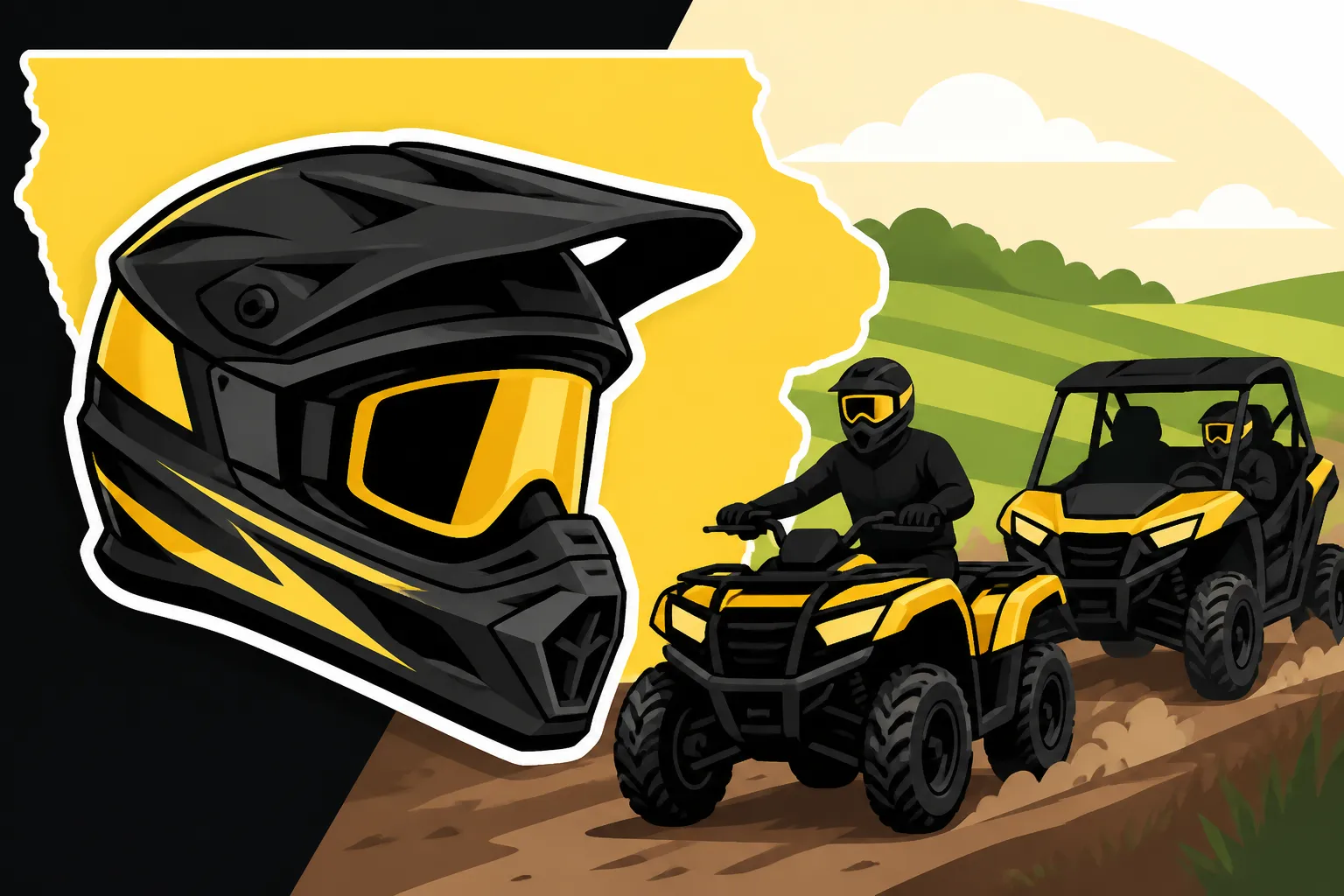
This is perhaps the most important exception to remember: Iowa law is very clear when it comes to minor operators. Any person under 18 years of age must wear a helmet when operating an ATV or UTV on public land or designated OHV trails. This rule is strictly enforced and is a cornerstone of youth rider safety. It's not just a recommendation; it's a legal obligation designed to protect our youngest riders who may have less experience and quicker reaction times.
This helmet requirement for minors goes hand-in-hand with Iowa's ATV safety certificate program. Riders aged 12 to 17 are required to complete a safety course and obtain a [Iowa ATV Safety Certificate Requirements] before operating an OHV on public land. The helmet is an integral part of this safety protocol. For children under 12, who are generally prohibited from operating ATVs/UTVs on public land without direct, licensed adult supervision, the helmet requirement is equally stringent when they are riding. Parents and guardians bear the responsibility to ensure their young riders are properly equipped, not just with a helmet, but with other protective gear like goggles, gloves, and sturdy boots, making sure they are riding a machine appropriate for their age and size.
Specific OHV Park Rules and Organized Events
Even where state law gives adults a choice, individual OHV parks, land managers, or organized events can, and often do, implement their own stricter helmet rules. It's a vital point that many riders overlook, assuming that if the state doesn't require it, no one else will. This isn't the case. For instance, while the state might not mandate an adult helmet at Bluff Creek OHV Park, another park might. Take the [Paul Huting Recreation Area at Waterloo], for example; its managing body or specific events held there might make helmets mandatory for all riders, regardless of age, due to insurance requirements, specific terrain challenges, or a general commitment to a higher safety standard.
Before you load up your machine and head out for a day of riding, especially to an unfamiliar park or an organized event, always check their specific rules and regulations. A quick visit to the park's website or a call to the event organizer can save you from being turned away at the gate or facing a citation. These park-specific rules are often clearly posted at entrances and staging areas, highlighting the importance of being prepared. Never assume that the state's baseline rule is the only rule that applies; local regulations and event stipulations often add another layer of requirements designed for your safety and the safety of others. This is also true for clubs that manage trails on private land; they may require helmets as part of their membership or usage agreements.
Why Helmets Matter: Beyond Legal Requirements
Even if Iowa's laws don't always mandate a helmet for adult ATV and UTV riders, choosing to wear one is always a wise decision. The law sets minimum standards, but personal safety often calls for exceeding those minimums. Riding an ATV or UTV inherently carries risks, and a helmet is your first line of defense against head injuries, which can be devastating.
The Unspoken Protection and Enhanced Safety
A helmet offers protection that goes far beyond simply complying with a rule. It shields your head from impacts with the ground, trees, rocks, or other vehicles in the event of a crash or even a minor tip-over. Helmets are designed to absorb and distribute impact forces, drastically reducing the risk of concussions, skull fractures, and other traumatic brain injuries. Think of it as an insurance policy for your brain, offering peace of mind every time you hit the trail or an authorized road.
Modern helmets also offer benefits beyond impact protection. Many designs include features like visors or goggles to protect your eyes from dust, debris, branches, and glare. A good quality helmet, perhaps one from a brand known for its commitment to rider safety like SuperATV, will also provide better ventilation to keep you cool, and a snug, comfortable fit that won't distract you from the ride. They can reduce wind noise and buffeting, making your ride more enjoyable and less fatiguing, allowing you to focus on the trail ahead. This enhanced focus itself contributes to safer riding, reducing the likelihood of an accident occurring in the first place.
Real-World Scenarios Where Helmets Make the Difference
It's easy to think "it won't happen to me" or that you're just going for a slow, easy cruise. But accidents can occur in the blink of an eye, often when least expected. Imagine cresting a small hill on a [Iowa Trail Difficulty Ratings] trail, only to find an unexpected washout on the other side. Or perhaps a sudden, unavoidable swerve to avoid wildlife, leading to an unexpected tumble. Even a low-speed fall in a muddy section of Bluff Creek can result in your head hitting hard-packed dirt or a hidden rock.
Consider a scenario where you're out with friends, navigating some light timber. A branch, seemingly out of nowhere, could whip back and strike your head. Without a helmet, that could be a serious cut or concussion. With a quality helmet, it might just be a loud thud against the shell. Or, if another rider misjudges a turn and makes contact, the impact protection a helmet provides can mean the difference between walking away rattled versus a trip to the emergency room. These aren't far-fetched scenarios; they are the realities of off-road riding, and a helmet is the single most effective piece of gear to mitigate their most severe consequences. Even if you're riding cautiously, the unpredictability of terrain and other riders means preparing for the worst is always the smartest approach.
Here's a quick overview of Iowa's helmet requirements:
| Rider Age Group | Riding Location | State-Mandated Helmet Required? | Notes |
|---|---|---|---|
| Under 18 | Public Lands/OHV Parks | Yes | Absolutely required by state law. |
| Under 18 | Authorized Public Roads | Yes | Absolutely required (though minors generally restricted from roads). |
| 18 and Over | Public Lands/OHV Parks | No | State law does not mandate; highly recommended; park rules may override. |
| 18 and Over | Authorized Public Roads | No | State law does not mandate; highly recommended. |
| Any Age | Private Land | No | At the discretion of the landowner/rider; highly recommended. |
Disclaimer
This article is for general informational purposes only and does not constitute professional advice. Laws, prices and regulations vary by location and change over time. Consult a qualified professional for guidance on your specific situation.