Tail Lamps and Signal Lamps in Iowa
There’s nothing quite like the freedom of hopping on your ATV or UTV and hitting the open trail, or even just using it to get around your property. But when the desire strikes to take your machine onto Iowa’s public roads, a common snag many riders hit is the confusing tangle of lighting requirements. It’s not just about seeing where you’re going in the dark; it’s about making sure everyone else sees you, too, especially from behind and when you’re changing direction. This guide is here to untangle the specifics of tail lamps and signal lamps, ensuring your ride is legal and safe on Iowa roads.
Understanding Iowa's Core Lighting Requirements for Road-Legal ATVs and UTVs
When you start thinking about making your off-highway vehicle (OHV) road-legal in Iowa, your mind probably jumps straight to "can I even do this?" The good news is, in many parts of Iowa, you absolutely can ride on certain public roads. But with that privilege comes the responsibility to ensure your machine meets specific safety standards, and lighting is right at the top of that list. It’s not just an arbitrary rule; it’s about preventing accidents and keeping everyone safe on the road, whether you're cruising down a gravel lane or making a quick hop to the gas station.
Why Tail Lamps Aren't Just for Night Riding on Public Roads
It’s easy to assume that tail lamps are solely for after sunset, right? You flip on your lights when the sky darkens, and you're good to go. But Iowa's regulations for road-legal ATVs and UTVs require functional tail lamps at all times, not just after dark. Think about it: a bright, clear tail lamp isn't just a beacon in the gloom; it's a vital safety indicator even in broad daylight. The purpose is to make your machine visible from the rear to other drivers, regardless of lighting conditions.
Consider a sunny, dusty afternoon on a remote Iowa gravel road. You're kicking up a plume of fine dust, and another vehicle is approaching from behind. Without a visible tail lamp, that driver might not see you until they're right on top of you, especially if their vision is already obscured by the dust cloud. A working tail lamp cuts through that, providing an unmistakable signal of your presence and position. It’s about contrasting with the environment and ensuring you don't become an unseen hazard, even when the sun is high in the sky. This requirement underscores that safety on public roads is a continuous effort, not just a nocturnal concern.
The Mandate for Functional Signal Lamps: More Than Just a Courtesy
Beyond simply being seen, you also need to communicate your intentions to other drivers. This is where signal lamps, or turn signals, come into play. Many ATVs and UTVs come from the factory without these, as they're not typically needed for off-road use. However, for road legality in Iowa, they are absolutely mandatory. This isn't just a polite gesture; it's a legal necessity that mirrors the requirements for cars and trucks. Imagine you're approaching an intersection in a small Iowa town like Waukon or Denison, ready to make a turn. Without a clear, flashing signal, the driver behind you, or worse, an oncoming vehicle, has no idea if you're going straight, turning left, or turning right.
This ambiguity creates a dangerous situation, leading to sudden braking, swerving, or even collisions. Iowa law explicitly requires these signals to ensure smooth traffic flow and prevent accidents. It's about predictability on the road. Just as you expect a semi-truck to signal before changing lanes, other drivers expect you to signal your intentions on your ATV or UTV. Trying to use hand signals on an OHV, especially at speed or in bad weather, can be awkward, unstable, and easily missed by other motorists. Reliable, visible signal lamps remove that guesswork and significantly reduce the risk of misunderstanding on public thoroughfares.
Specific Requirements for Tail Lamps in Iowa
Getting your ATV or UTV ready for Iowa roads involves more than just slapping on some lights. There are specific guidelines regarding their function, appearance, and placement. It’s these details that often trip up riders who are otherwise eager to comply. Thinking about tail lamps might seem straightforward – "they just glow red, right?" – but the state has precise expectations to ensure maximum visibility and safety for everyone sharing the road.
Visibility, Color, and Placement Standards
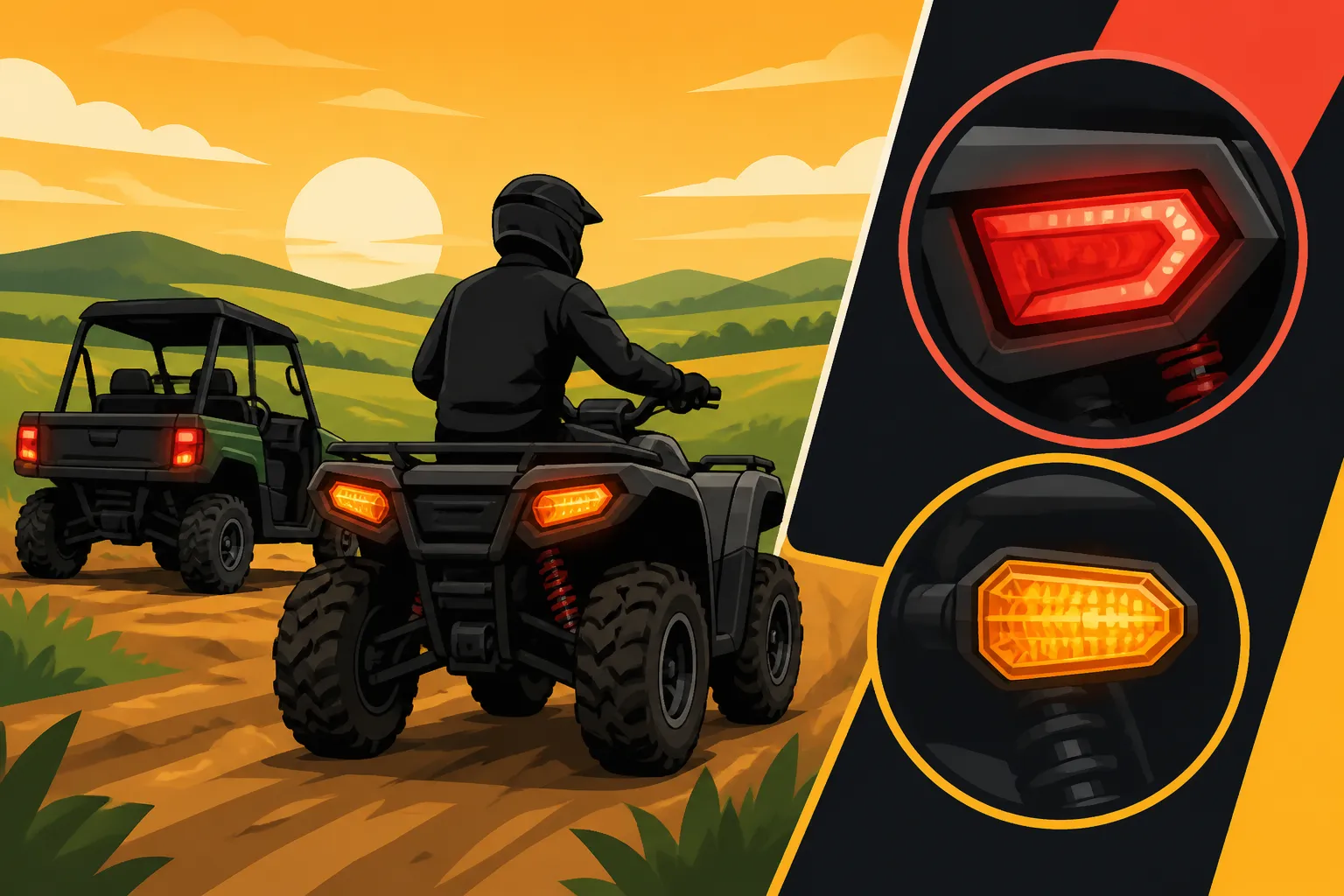
Iowa law is quite clear about the characteristics of your tail lamps. First and foremost, they must emit a red light to the rear. This isn't just tradition; red is universally recognized as a rear-facing warning and presence indicator. The intensity is also important: they need to be visible from a certain distance, ensuring that someone approaching from behind has ample time to react to your presence. While specific brightness figures can vary, the general expectation is that they should be easily seen from at least 500 feet under normal atmospheric conditions.
Placement is another key factor. Tail lamps must be mounted at a height that makes them easily observable, typically not too low to be obscured by terrain or vehicle design, and not so high as to be confused with overhead signals. Usually, they are situated symmetrically on the rear of the machine, or as a single, centrally located unit, to provide a clear indication of the vehicle's width and position. Before you head out, do a quick check: can a friend easily spot your tail lamps from a distance behind your machine? Are they both functioning, and is the red light strong and clear? If you're looking to upgrade or add new tail lights to your UTV for improved visibility and compliance, companies like SuperATV offer a range of durable and bright options that can help meet these standards. Checking your machine's rear lighting is a crucial part of any pre-ride inspection, especially if you plan on traversing [Unpaved County Secondary Roads in Iowa].
Brake Lights: A Critical Component of Your Tail Lamp System
While often integrated into the same housing as your standard tail lamps, brake lights serve a distinctly separate and equally critical function. These are the lights that illuminate much brighter when you apply the brakes, signaling to following traffic that your machine is slowing down or coming to a stop. In Iowa, just like with cars, functional brake lights are absolutely mandatory for any ATV or UTV operating on public roads. It's not enough for your tail lamps to simply glow red; they must increase in intensity when the brake pedal or lever is engaged.
Imagine you're cruising down a county road, and suddenly a deer darts out from the tree line. Your immediate reaction is to hit the brakes. If your brake lights don't flash brightly, the driver of the pickup truck behind you, who might be enjoying the scenery for a split second, won't get that crucial visual cue. This delay in their reaction time could mean the difference between a safe stop and a rear-end collision. Therefore, when you're checking your tail lamps, always make sure to test your brake lights specifically. Have someone stand behind your machine while you apply the brakes to confirm they activate properly and are noticeably brighter than your running tail lamps. This vital signaling component is a cornerstone of safe road operation.
Navigating Signal Lamp Regulations in Iowa
Turn signals might seem like a minor detail, but they are a huge part of being a responsible and legal road user in Iowa. Off-road, you might point a finger or just commit to a turn, but on public roads, clear communication of your intentions is paramount. The state doesn't just say "have turn signals"; it dictates specific colors, visibility, and functionality to ensure they are effective in all driving conditions.
Amber Front, Red or Amber Rear: Decoding Color and Visibility
Iowa law specifies distinct color requirements for your ATV or UTV's turn signals, depending on whether they are front or rear-mounted. For signals mounted on the front of your machine, they must emit an amber light. This bright, yellowish-orange hue is universally recognized as a directional indicator from the front and avoids confusion with headlights. For the rear signals, you have a bit more flexibility: they can be either red or amber. Many manufacturers integrate amber turn signals into the tail light housing, or use separate amber lamps, while some aftermarket kits might offer red flashing signals. The key is consistency and clarity.
Beyond color, visibility is once again paramount. Your signal lamps must be capable of being seen from a specified distance – typically around 500 feet in normal conditions – from both the front and rear, respectively. This means they need to be bright enough to cut through sunlight, dust, or even light fog. Think about signaling a left turn onto a busy paved road at dusk; a dim or poorly placed signal could easily be missed by an approaching car, creating a dangerous scenario. Ensuring both the color and intensity meet these standards is critical for road-legal operation. If you're in the market for a comprehensive street legal kit, companies like SuperATV provide options that often include both front amber and rear red/amber signal lamps designed for easy installation and compliance.
The Importance of Indicator Functionality and Placement
It's not enough for your signal lamps to simply glow the correct color; they must function reliably as indicators of direction. This means they need to flash consistently and at an appropriate rate. A light that stays constantly lit isn't signaling a turn; it's just another running light, which can confuse other drivers. The flash rate should be neither too fast (like a dying bulb) nor too slow (which can delay recognition), but a steady, noticeable cadence.
Placement is also vital for effective communication. Signal lamps need to be positioned where they are clearly visible from various angles, not just directly behind or in front. This often means having them mounted on the outermost edges of your machine, or at least far enough apart to clearly indicate a left or right turn. If a deputy pulls you over on an Iowa road, they’ll be looking for clear, functional signals. Imagine a situation where your rear signal is obscured by a cargo box or mud; it effectively renders the signal useless to a following driver. Proper installation ensures these lights are both conspicuous and unmistakable. For detailed guidelines on placement and functionality, referencing [Iowa Lighting Requirements for ATVs] can offer additional clarity.
Ensuring Compliance and Avoiding Common Pitfalls
Making your ATV or UTV road-legal in Iowa is a commitment that goes beyond the initial installation of lights. It requires ongoing vigilance to ensure everything remains in proper working order. Neglecting even a small component can lead to safety hazards or, at the very least, an unwanted conversation with a law enforcement officer. Being proactive about maintenance and understanding your options are key to a smooth and legal riding experience.
Pre-Ride Checks and Regular Maintenance
Just like you’d check the oil or tire pressure before a long trip, performing a quick lighting check should become a routine part of your pre-ride ritual when taking your ATV or UTV onto Iowa roads. This isn't just about avoiding a ticket; it's fundamentally about your safety and the safety of others. Before you even put the machine in gear, walk around it. Turn on your headlights, tail lamps, and then activate each turn signal individually. Have you got brake lights? Make sure to hit the brakes and confirm they brighten appropriately.
Common issues include burnt-out bulbs or LEDs, loose wiring connections from vibration, or simply dirty lenses that significantly diminish light output. Imagine discovering a burnt-out tail lamp as the sun is setting, just as you're about to head home down a busy county road. A simple five-minute check beforehand could prevent that stressful situation. Regular maintenance, such as cleaning muddy or dusty lenses, checking wiring harnesses for chafing, and ensuring all mounting hardware is secure, will go a long way in keeping your lighting system reliable. These small habits ensure that your investment in road-legal modifications continues to pay off in safety and compliance.
Aftermarket Options and Installation Considerations
For many ATVs and UTVs, becoming road-legal requires adding or upgrading lighting components that weren't standard from the factory. Thankfully, the aftermarket is robust, offering a wide array of solutions. Companies like SuperATV specialize in street legal kits that often include everything you need: turn signals, horn, mirrors, and even wiring harnesses designed to integrate seamlessly with your machine. These kits are a fantastic way to ensure you're getting components that are designed to work together and meet legal standards.
When choosing aftermarket parts, don't just go for the cheapest option. Look for quality, durability, and clear instructions. A well-designed kit will not only make installation easier but will also ensure long-term reliability against the vibrations and elements that OHVs are exposed to. Proper installation is critical. If you're not comfortable with electrical work, it's always wise to have a qualified mechanic or dealership handle the installation. Incorrect wiring can lead to blown fuses, non-functional lights, or even damage to your machine's electrical system. For example, upgrading an older quad with a new SuperATV street legal kit not only ensures compliance but can also significantly improve your overall visibility and signaling capability, making your rides on Iowa roads much safer.
Beyond Lamps: Other Essential Iowa Road-Legal Requirements
While effective tail lamps and signal lamps are absolutely crucial for road-legal ATV and UTV operation in Iowa, they are just one piece of a larger puzzle. For your machine to be fully compliant and for you to ride with confidence and legality, there are several other essential requirements you need to be aware of. Overlooking any of these can lead to fines, safety risks, or the unpleasant experience of being pulled over.
Mirrors, Horns, and Slow-Moving Vehicle Signs
Think of your ATV or UTV as a mini-vehicle on public roads. Just like a car, it needs certain basic safety features to interact predictably with other traffic. This means you'll need at least one functional mirror, typically mounted on the left side, to give you a clear view of traffic approaching from behind. Without it, changing lanes or even making a wide turn becomes a guessing game. Similarly, a working horn is mandatory. It's not just for startling wildlife; it's a critical safety device for alerting other drivers or pedestrians to your presence in emergency situations. [Iowa Horn Requirement for Road Use] outlines the specifics here.
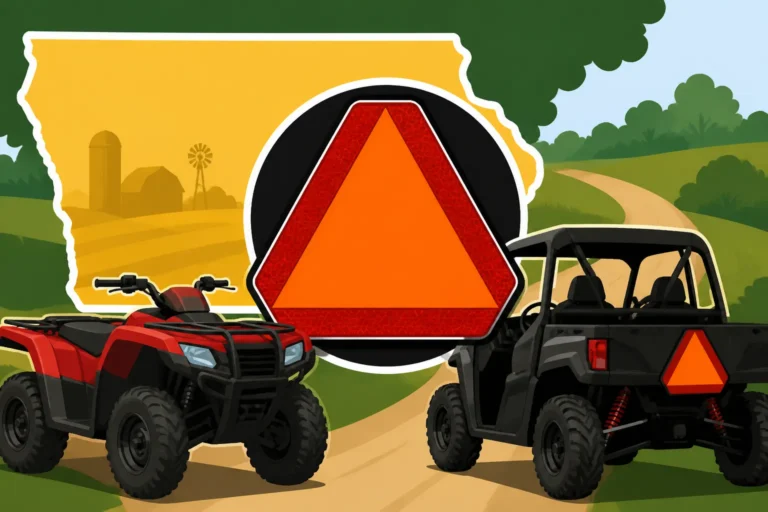
Furthermore, because ATVs and UTVs often travel at speeds lower than typical road traffic (Iowa limits OHVs to [Iowa's 35 mph Cap] on public roads), a slow-moving vehicle (SMV) triangle is required on the rear of your machine. This bright, fluorescent orange triangle with a dark red reflective border is a universally recognized symbol indicating that the vehicle ahead is traveling at 25 mph or less. Attaching it securely and ensuring it's clearly visible from the rear is paramount. Together, these items – mirrors, horn, and SMV sign – combine with your lighting to create a much safer and more communicative presence on Iowa's roadways. Make sure to check [Iowa Slow-Moving Vehicle Sign Rules] for proper placement and visibility.
| Requirement | Purpose | Typical Specification in Iowa (for road-legal OHVs) |
|---|---|---|
| Tail Lamps | Rear visibility, night and day | Red, visible 500 ft to rear, always on |
| Brake Lights | Signal deceleration/stopping | Brighter red, activates with brake pedal/lever |
| Front Signals | Indicate turns | Amber, visible 500 ft to front, flashes |
| Rear Signals | Indicate turns | Red or Amber, visible 500 ft to rear, flashes |
| Horn | Audible warning | Audible from 200 ft, working |
| Mirror | Rearward view | At least one left-side, provides clear view |
| SMV Sign | Warns of slow speed | Fluorescent orange triangle on rear |
Insurance, Age, and Route Restrictions
Beyond the physical modifications to your machine, there are significant operational and legal requirements you, as the operator, must meet. First off, having proper insurance is non-negotiable. Iowa law requires specific minimum liability coverage for ATVs and UTVs operating on public roads, just as it does for cars. Riding without it can lead to hefty fines and puts you at severe financial risk in the event of an accident. It's a critical piece of the puzzle that often gets overlooked in the excitement of getting lights installed. You can find more specific information on [Iowa ATV Insurance Requirement].
Secondly, there are age and licensing restrictions. To operate an ATV or UTV on public roads in Iowa, you must be at least 18 years old and possess a valid driver's license. This isn't like riding on private land where age rules differ; public roads demand an experienced and licensed operator. Finally, remember that even with all the proper equipment and licensing, you can't just ride anywhere. Iowa has specific [Iowa Rules for Riding a Gravel Road] and restrictions on where ATVs and UTVs are permitted, often limited to unpaved county secondary roads or specific routes authorized by county or city ordinance. Always check local regulations before you ride, because crossing a county or city line might mean a different set of rules. Understanding these combined requirements ensures you’re not only visible but also legally authorized to be on the road.
Disclaimer
This article is for general informational purposes only and does not constitute professional advice. Laws, prices and regulations vary by location and change over time. Consult a qualified professional for guidance on your specific situation.