Iowa Open Container Rules on an ATV
Riding your ATV or UTV across Iowa's beautiful landscapes or even just down a gravel road can be an incredible way to experience the outdoors, but it’s crucial to understand all the rules that apply, especially when it comes to alcohol. Many riders don't realize that the same open container laws that apply to cars also extend to off-highway vehicles (OHVs) when they're on public roads or public land. This guide will meticulously break down Iowa's open container rules specifically for ATVs and UTVs, helping you navigate the regulations so you can enjoy your rides safely and legally, avoiding any unexpected fines or legal troubles.
Decoding Iowa's Open Container Laws: What Every Rider Needs to Know
It's easy to assume that because an ATV or UTV feels less formal than a car, some of the stricter road rules might not apply. Unfortunately, that's a common misconception that can lead to real headaches. Iowa's laws are quite clear, and they don't make many exceptions for the type of vehicle you're operating when you're on public ground. Understanding the fundamental definition of an "open container" and where these laws come into play is your first line of defense against an unnecessary citation.
The Core Definition: What Counts as an "Open Container"?
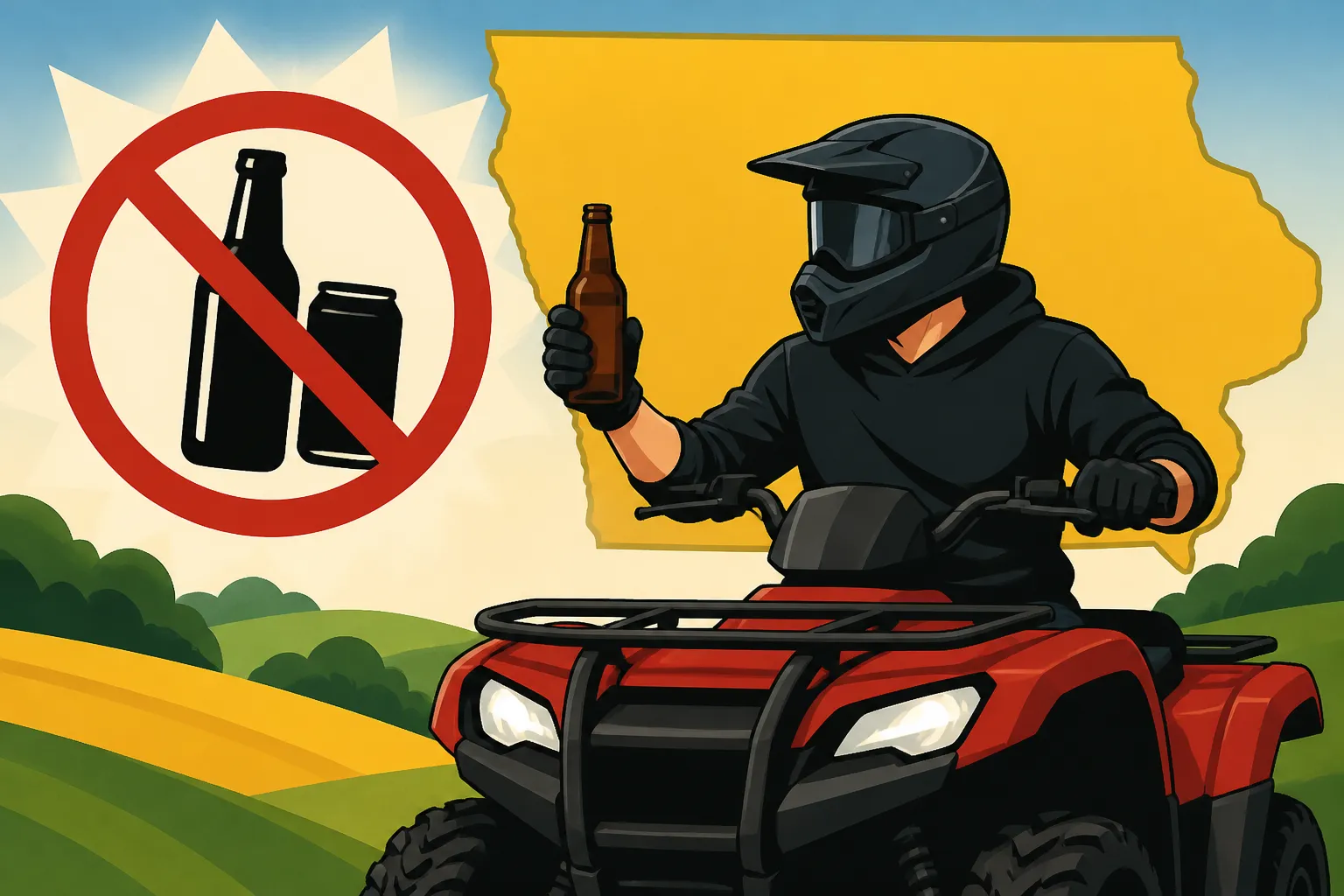
Let’s get down to brass tacks: what exactly does Iowa consider an "open container"? It’s more than just a can of beer or a mixed drink sitting in your cup holder. In Iowa, an "open container" generally refers to any container of alcoholic beverage that has been opened, has a broken seal, or has had its contents partially removed. This includes beer bottles with the cap off, wine bottles with the cork pulled (even if it's reinserted), or liquor bottles with the seal broken. It also applies to any beverage that was once an alcoholic drink, even if it's poured into a regular cup or water bottle, if an officer can reasonably determine it contains alcohol. The key here is accessibility – if it's open and available for consumption, it's typically considered an open container. This rule exists to discourage immediate consumption of alcohol while operating a vehicle.
For instance, imagine you’re heading out for a ride, and you've got a cooler packed with some cold drinks. If you pop open a beer at a scenic overlook on a public gravel road, and then put the half-empty can back in the cooler without sealing it completely, that would qualify as an open container. It’s not just about actively drinking; it's about the state of the container itself and its presence within reach of anyone in the vehicle on public land. This applies equally whether you're in a full-size pickup or behind the handlebars of your quad.
Why These Rules Apply to ALL Motor Vehicles in Iowa
Iowa's open container laws are designed to promote public safety by reducing impaired driving and consumption of alcohol in vehicles on public roadways. The state's definition of a "motor vehicle" for these laws is broad and encompasses virtually anything motorized that moves on public roads, including ATVs and UTVs. While you might associate open container laws primarily with cars and trucks on paved highways, the moment your ATV or UTV crosses onto public land—be it a designated OHV park, a county gravel road, or even a public ditch beside a road—these laws typically come into effect. This isn't about singling out ATV riders; it's about a consistent application of traffic safety rules across all vehicle types that share public spaces.
Think of it this way: if you're on a county road, even an unpaved one, you're sharing that space with other vehicles, pedestrians, and cyclists. The potential for accidents and public safety concerns remains, regardless of whether you're in a car or on a side-by-side. The law doesn't differentiate based on the number of wheels or how open-air your vehicle is; it focuses on the act of consuming or having accessible open alcohol in a moving vehicle on public land. This is particularly relevant given that [What Iowa Requires of an ATV on a Public Road] includes many of the same rules for other vehicles. The expectation is that all operators on public roads adhere to the same standards of responsible conduct.
The Penalties for Violating Open Container Laws
Nobody wants to deal with a citation, and an open container violation can definitely put a damper on your riding day. In Iowa, violating the open container law typically results in a simple misdemeanor. While it's not a felony, it can still come with a range of penalties. You're generally looking at fines, which can add up significantly, especially after court costs and other fees. Beyond the financial hit, a conviction for an open container violation can appear on your record, which could have implications down the line, depending on your profession or other circumstances.
Perhaps even more importantly, an open container violation can be a "red flag" for law enforcement, potentially leading to further investigation. If an officer spots an open container, it might prompt them to look for signs of impairment, which could escalate to a much more serious charge like Operating While Intoxicated (OWI). [Iowa OWI Rules for ATV Riders] are extremely strict, and an OWI carries severe penalties, including hefty fines, loss of driving privileges, potential jail time, and mandatory substance abuse evaluation. So, while an open container ticket itself might seem minor compared to an OWI, it can easily lead down a path to much greater legal difficulties. It's always better to avoid even the appearance of impropriety.
Open Container Rules When Riding Your ATV or UTV in Iowa
Navigating the landscape of Iowa's open container laws for ATVs and UTVs can feel a bit like traversing a tricky trail—you need to know where the boundaries are. The key distinction often comes down to where you are riding. The rules change dramatically depending on whether you're on private land or public roads and trails. This section aims to clarify those crucial differences and provide specific scenarios that riders frequently encounter.
The Critical Distinction: Public Roads vs. Private Property
This is perhaps the most important rule to grasp: Iowa's open container laws apply primarily when you are operating your ATV or UTV on public roads or public lands. This includes county gravel roads, designated OHV parks, state and county-managed trails, and even the ditches adjacent to public roadways. If the general public has access to the area, then the open container laws are likely in effect for anyone operating a motor vehicle, including your quad or side-by-side. [Iowa Rules for Riding a Gravel Road] are a perfect example of where these rules kick in.
However, if you are riding exclusively on private property where you have permission to be, such as your own land, a friend's farm, or a leased hunting ground, the state's open container laws generally do not apply. On private land, the property owner sets the rules regarding alcohol consumption. Of course, even on private land, you still have a responsibility to ride safely and legally, and local ordinances or specific landowner rules might still restrict alcohol. But from a state law perspective, the open container statute is primarily concerned with public spaces. It's crucial to always know exactly where you are riding. If there's any doubt, err on the side of caution. For more information, you can also review [Iowa Rules for Riding Private Land].
Scenarios Where ATVs & UTVs Fall Under the Law
Let's look at some common situations where open container laws would apply to ATV and UTV riders in Iowa:
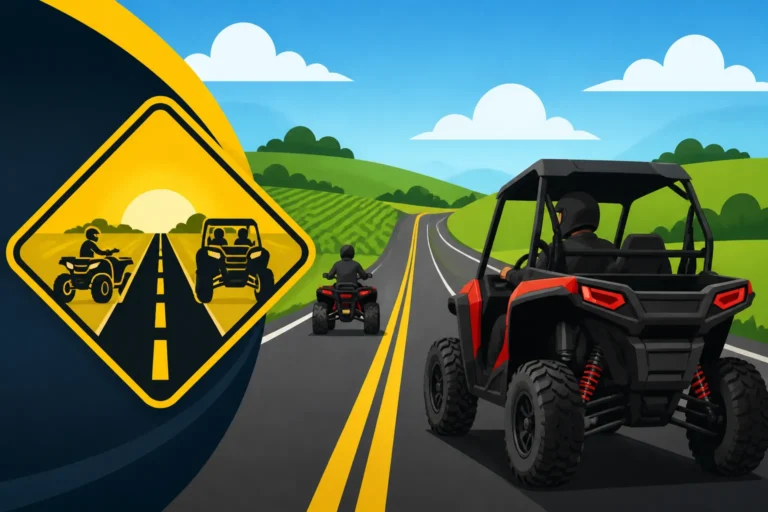
- Riding on County Gravel Roads: This is probably the most frequent scenario. Many Iowa counties permit ATVs and UTVs on their unpaved secondary roads, but once you're on these public roads, you're subject to all traffic laws, including open container rules. Having an open beer in your cup holder while cruising down a gravel road is a definite no-go. Even if you're just using the road to get from one private field to another, [What an Iowa Deputy Checks Roadside] will include open containers.
- Operating in Designated OHV Parks: Iowa's OHV parks, like Gypsum City or Bluff Creek, are public recreational areas. While they're designed for off-road fun, they are still public land. Open container laws typically apply within the park boundaries, especially in staging areas, parking lots, or any areas designated for vehicle operation. You're usually welcome to enjoy adult beverages at your campsite after your ride and in areas where vehicles are parked, but not while actively riding. For rules on how to get to these parks, check [Iowa Rules for Riding to an OHV Park].
- Crossing a Public Road: Even if you're primarily riding on private land, if you have to cross a public road or use a public ditch to get from one section of property to another, the open container laws would likely apply during that brief public transit. The safest bet is to ensure all alcohol is sealed and stored out of reach during any public road interaction.
- Riding Home From a Trail: After a great day of riding, you might be heading back to your truck or campsite. If this involves any public road use, even a short stretch, remember the rules still apply. It's often easiest to wait until your machine is parked and secured to enjoy a refreshment. Take a look at [Iowa Rules for Riding Home From a Trail] for more context.
| Location Type | Open Container Laws Apply? | Key Considerations |
|---|---|---|
| Public Roads (Gravel/Paved) | Yes | This includes any county road, state highway (where permitted), or city street. Applies to driver and passenger. |
| Designated OHV Parks | Yes | Generally applies when operating the machine within park boundaries. Consumption usually restricted to campsites or non-riding areas. |
| Public Ditch Lines | Yes | If the ditch is adjacent to a public road, it is typically considered part of the public right-of-way. |
| Private Land (with permission) | No (State Law) | State open container laws usually do not apply here, but landowner rules, local ordinances, and OWI laws still do. Always confirm with the landowner. |
| Parking Lots (Public) | Yes | If it's a public parking lot (e.g., at an OHV park trailhead), open container laws apply when operating or occupying a vehicle. |
Beyond the Driver: Open Container Rules for Passengers
It’s not just the driver of the ATV or UTV who needs to be mindful of open container laws; passengers are also subject to these regulations. In Iowa, an open container violation can be issued to any occupant of a motor vehicle on a public road, regardless of whether they are the driver or a passenger. This means if your buddy in the passenger seat of your side-by-side has an open beer while you're driving down a county road, both of you could potentially face an open container citation.
This rule is consistent with how open container laws are applied in cars and trucks. The intent is to prevent the consumption of alcohol within the vehicle itself while it's operating on public ways. So, even if the driver is completely sober and has no open containers, a passenger's open beverage can still lead to legal trouble for them, and sometimes, indirectly, for the driver as well. Always ensure that everyone on your machine understands and abides by these rules. After all, if you're carrying passengers, you're responsible for their conduct as well, especially concerning the legality of the ride. [Iowa Rules for a Passenger on a Road] delve into other rules that passengers should also be aware of.
Smart Strategies for Responsible ATV/UTV Riding and Alcohol in Iowa
Being a responsible ATV or UTV rider in Iowa means more than just wearing a helmet and knowing how to handle your machine. It also means understanding and respecting the laws, especially those concerning alcohol. You can absolutely enjoy your time outdoors and still incorporate alcohol into your plans safely and legally. It's all about forethought and making smart choices before you even hit the trails or gravel roads.
Transporting Alcohol Legally on Your Machine
So, if you can't have an open container on public roads, how can you transport alcohol on your ATV or UTV to your campsite, cabin, or private property? The key is to ensure the alcohol is sealed and inaccessible for immediate consumption.
Here’s what that generally means:
- Sealed Containers: All bottles, cans, or other containers of alcohol must be factory-sealed. If it's a bottle of wine, the cork must be intact and unbroken. If it's a six-pack of beer, the plastic or cardboard wrapping should be unbroken.
- Original Packaging: Keeping alcohol in its original packaging (e.g., a six-pack holder or a sealed box) helps demonstrate it's not intended for immediate consumption.
- Inaccessible Location: The ideal place to store alcohol is in a trunk, a secured cargo box, or a sealed cooler that is not easily accessible to the driver or passengers while the machine is in motion. For many UTVs, the storage compartment under the seat or in the bed works perfectly. On an ATV, a secured cargo box on the front or rear rack, like those offered by SuperATV, is an excellent option. The goal is to make it clear that the alcohol is being transported, not consumed.
- Out of Reach: The alcohol should be out of the immediate reach of anyone in the vehicle. This removes any ambiguity about its purpose during transit.
For example, if you're bringing a case of beer to a friend's farm for a gathering, make sure it's in its original, unopened packaging, and secure it in a cargo box on your UTV. Don't just toss a loose, unsealed cooler with open cans into the bed. This simple step can prevent an open container citation during your journey on public roads.
Avoiding Impaired Riding and the Risks of an OWI
Beyond open containers, the most critical aspect of alcohol and ATV/UTV riding is preventing impaired operation. Simply put, if you've been drinking, do not operate your machine on public land. Iowa has very strict [Iowa OWI Rules for ATV Riders], and these apply to ATVs and UTVs just as they do to cars. The legal blood alcohol concentration (BAC) limit is the same – typically 0.08%. However, you can still be charged with an OWI if your driving is impaired, even if your BAC is below that limit.
Riding an ATV or UTV requires significant skill, quick reflexes, and sound judgment. Alcohol severely impairs all these abilities, increasing your risk of an accident dramatically. An accident while impaired can lead to serious injury or death for yourself, your passengers, or others. The legal consequences of an OWI are far more severe than an open container violation and can include:
- Substantial fines and court costs.
- Mandatory substance abuse evaluation and treatment.
- Loss of your driving privileges (for both your OHV and your regular vehicle).
- Potential jail time, especially for repeat offenses.
- Increased insurance rates. [Iowa ATV Insurance Requirement] can be impacted severely.
Always plan ahead. If you intend to drink, ensure you have a designated sober operator or arrange for alternative transportation. Many riders will park their machines and enjoy refreshments at a campsite or private gathering, making sure they're completely sober before getting back on the machine. This isn't just about avoiding a ticket; it's about safeguarding lives and upholding responsible outdoor recreation.
Planning Your Post-Ride Celebrations Safely
After a thrilling day of conquering trails or exploring gravel roads, it’s natural to want to relax and celebrate with friends. The key is to separate your riding activities from your alcohol consumption. Here are some ways to plan for safe and enjoyable post-ride celebrations:
- Designated Campsite or Private Property: The safest place to consume alcohol is at a private campsite, a cabin, or private land where your machine is parked and will not be operated again until you are sober. Many Iowa OHV parks offer camping facilities, allowing you to ride during the day and enjoy a social evening without the risk of an OWI.
- Separate Transportation: If your post-ride celebration involves alcohol away from where your ATV/UTV is parked, arrange for separate transportation. This could mean a friend driving a truck, a taxi, or a ride-sharing service. Never try to operate your ATV or UTV on public roads or even on trails if you’ve been drinking.
- Pace Yourself: Even in a safe, stationary environment, responsible alcohol consumption is key. Over-indulgence can lead to other issues, even if you’re not operating your machine.
- Utilize Storage Solutions: If you're bringing alcohol to a gathering, ensure it's transported legally in a sealed, inaccessible container as discussed earlier. Quality cargo boxes and storage bags, perhaps from a brand like SuperATV, can help keep your beverages secure until you reach your destination.
By making responsible choices regarding alcohol and your ATV or UTV, you not only comply with Iowa law but also contribute to a safer, more enjoyable riding experience for everyone. It shows respect for the law, for other riders, and most importantly, for your own well-being and that of your companions.
Disclaimer
This article is for general informational purposes only and does not constitute professional advice. Laws, prices and regulations vary by location and change over time. Consult a qualified professional for guidance on your specific situation.