Iowa Multi-Day Trail Rides
A multi-day Iowa ATV or UTV trip can look simple on a map, then get complicated when you realize the riding areas are separate, trails may close after rain, and overnight options vary from park to park. This guide helps you choose ride areas, plan transport and camping, and build a flexible itinerary without assuming Iowa’s trails connect.
Plan a trip around separate riding areas
Treat each park as its own destination
Iowa’s OHV riding areas are not one continuous trail network. A multi-day ride usually means spending more than one day at a park or trail area, or hauling your machine to another destination between riding days. That distinction matters: a road or public trail that appears to connect two places on a map is not automatically a legal ATV route.
Start with the state’s designated riding areas, then decide how much time you want to spend on each one. Parks such as Gypsum City near Fort Dodge, Bluff Creek near Eddyville, Rathbun near Plano, Lakeview near Solon, Nicholson-Ford near Marshalltown, and Paul Huting near Waterloo offer different settings and trip logistics. Use [Iowa's Eight Designated OHV Parks] to identify possible stops, then check the rules and conditions for each destination individually.
For a first multi-day outing, staying in one area for two days can be easier than moving every morning. You avoid repeatedly loading and unloading, and you have time to learn a park’s trail layout instead of feeling pressured to cover everything before closing. If your group has already ridden a park and wants variety, a second destination can make sense—but plan for the tow between sites rather than expecting a trail connection.
Choose a route that fits your group
A useful itinerary begins with the riders, not the mileage. A family with newer riders may be happier taking two short days at a familiar park than trying to fit two parks and a long drive into one weekend. Experienced riders may prefer a park change for variety, while a mixed group might want one destination with room for different comfort levels.
Before committing, compare each location’s riding experience, access, camping or lodging options, and transport needs. Don’t rely on a general map view to settle trail access questions. onX Offroad can help you orient yourself and sketch a rough trip plan, but confirm park boundaries, legal access, and current closures through official park or Iowa DNR information. A route line on a screen is a planning aid, not permission to ride.
Keep a backup plan within reach. If the destination you picked is closed or too wet, you may be able to switch parks, shorten the trip, or turn the weekend into a one-area stay. [Checking Two Iowa Parks Before You Drive] is a useful habit when your plans depend on trail conditions. It is much less frustrating to make that check at home than after the trailer is packed and everyone is already in the truck.
Build a practical multi-day itinerary
Decide whether to stay put or move between parks
A two-day stay at one park is often the simplest itinerary. Choose a base near your riding area, unload once, and use the first day to get familiar with the trails. On the second day, revisit favorite sections or explore more of the park if conditions and group energy allow. This approach is especially helpful when you’re riding with children, newer operators, or people who don’t want every hour of the trip scheduled.
A park-to-park trip adds variety, but also adds chores. You’ll need to check the drive between destinations, allow time to load machines securely, and confirm that each stop is open to your machine type and group. A short-looking drive can still take longer when you’re hauling a trailer, stopping for fuel, or navigating a busy weekend. Plan the move as a travel block, not as riding time.
| Trip style | Best fit | Main planning task | Common drawback |
|---|---|---|---|
| Two days at one park | Families, newer riders, relaxed weekends | Confirm trail access, hours, and overnight options | Less variety |
| Two parks with a travel day | Groups wanting a change of scenery | Check both parks and allow time to haul | More loading and driving |
| One full riding day plus a flexible day | Weather-sensitive plans | Choose a backup activity or destination | The second day may change at short notice |
| Base lodging near several destinations | Riders who prefer not to camp | Check drive times and trailer parking | More daily travel to the trailhead |
If you use onX Offroad to compare distances or organize candidate stops, treat the result as a draft itinerary. Check the actual access route and the park’s current information before leaving. It’s also smart to pick a cutoff time for the second park: if the first ride runs late, you can skip the move rather than rushing onto the road tired and behind schedule.
Give each day a realistic rhythm
A riding day is not just time on the trail. It includes unloading, equipment checks, orientation, breaks, lunch, refueling, and loading again. Groups often underestimate how long these pieces take, especially when everyone is sharing a staging area or someone needs help with gear.
Plan the first morning conservatively. Give the group time to check tire pressure, lights, brakes, and tie-downs, then review where you’ll regroup if riders get separated. Make a simple rule for the day: for example, stop at trail junctions and wait until the last person in the group arrives. That reduces the anxiety of trying to keep up with faster riders or wondering whether someone took a different loop.
Build in recovery time, too. Iowa clay can become slick when wet, and a day of steering, standing, and handling bumps can tire out riders who felt fine at breakfast. If the group is exhausted, it’s okay to call the ride early. An extra hour at camp or lodging is better than pushing into poor decisions near the end of the day.
Sort out transport, camping, and supplies
Plan the haul as carefully as the ride
If you’re bringing machines from home, confirm that the tow vehicle and trailer can handle the load, and leave room for helmets, riding gear, tools, and supplies. Secure every machine according to its tie-down points and the trailer manufacturer’s guidance. Recheck straps after the first part of the drive, especially if you’ve hit rough pavement or stopped for fuel.
For a trip involving more than one park, sketch the transport day before you go. Note where you can stop safely, where you’ll fuel the tow vehicle, and whether your destination has a suitable staging area. Keep registration paperwork and any other required documents accessible rather than buried beneath camp gear. [Trailering an ATV Across Iowa] covers the hauling side of the trip in more detail.
Bring basic tools and common items suited to your machine, but avoid packing as if you’re setting up a repair shop. A tire repair kit, compact hand tools, spare fuses, and a way to contact the group can be practical, depending on the machines and trip. Tell someone who is not riding where you plan to be and when you expect to check in.
Confirm overnight arrangements instead of assuming
Camping can make a multi-day ride feel relaxed, but facilities and rules differ by location. Check whether the riding area has camping, what kind of sites are available, and whether reservations or specific arrival procedures apply. Ask about quiet hours, fires, generator use, trailer space, and whether camping is available during the dates you have in mind. [Camping Near an Iowa OHV Park] can help you think through the options.
Gypsum City near Fort Dodge is one destination riders may consider for an overnight stay; its campground and operating details should be checked before travel. Other riders may choose a nearby public or private campground, motel, or vacation rental instead. Make sure the option you select can accommodate your trailer and tow vehicle, not just the number of people in your group.
Pack for the overnight plan you actually have. Campers may need bedding, food storage, water, weather-appropriate layers, and a way to keep riding equipment dry. Riders staying elsewhere should still think about where helmets and muddy gear will go at the end of the day. A simple plastic tote for boots, gloves, and wet clothing can keep the vehicle or room from becoming a muddy gear pile.
Check conditions, rules, and safety before departure
Verify trail status close to your ride date
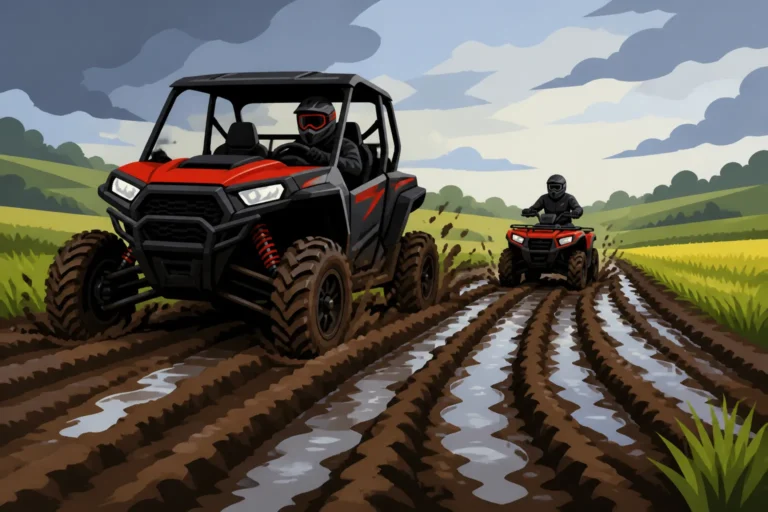
Wet-weather planning is especially important in Iowa. Clay soil can hold water and become slippery, and riding a wet trail can damage the surface for everyone who follows. A park may close some or all trails when conditions are unsuitable, so don’t treat last weekend’s ride report as a guarantee for this weekend. Read [Iowa Trail Conditions Before You Ride] and [Iowa Trails Closed After Rain] as part of your planning.
Check the park’s official information shortly before departure and again if heavy rain is in the forecast. If a closure is announced, respect it rather than driving to the gate in hopes that conditions have improved. Riding closed or damaged trails can create ruts, worsen erosion, and put future access at risk. Be prepared to delay, choose another open destination, or switch to a non-riding activity.
Use mapping tools thoughtfully. onX Offroad can help you keep track of planned destinations and understand the area around a route, but always compare what you see with current park notices and posted signs. For an additional planning reference, review [Iowa Trail Maps From the DNR]. At the park, follow the signs and marked routes even if an app suggests another way through.
Review the rules for your machines and riders
Before leaving, confirm that each machine meets the requirements for the places you plan to ride. Iowa registration and decal requirements may apply, and nonresidents should check whether they need a permit. Don’t assume that a machine’s home-state paperwork automatically answers every Iowa riding-area requirement. [Iowa ORV Permits Explained] is a helpful starting point for understanding the visitor-permit question.
Check the age, supervision, and safety-certificate requirements that apply to the riders in your group. If younger riders are coming, confirm the rules for their age and machine type before the trip rather than trying to sort it out at the trailhead. Also check local park rules covering helmets, passengers, noise, and trail use. The details can differ by rider or vehicle category.
Plan for basic group safety even when everyone is experienced. Agree on a lead rider and a sweep rider, set a regrouping point, and make sure each person knows what to do if the group gets separated. Carry water, a charged phone, and any medications someone may need, while remembering that service can be unreliable in some areas. A multi-day ride is more enjoyable when the group has a plan for small problems—not just the best-case version of the weekend.
Keep the itinerary flexible
A good multi-day plan has structure without being brittle. Pick the primary park, identify an alternative, and decide in advance what conditions would make you change course. If the trails are wet, a rider is worn out, or a tow problem changes the schedule, you should be able to adjust without feeling that the whole trip has failed.
Keep the decisions simple: confirm the park is open, make sure the group and machines meet the requirements, and choose the day’s plan based on conditions. With those pieces handled, you can focus on the reason you made the trip in the first place—riding together, seeing a new area, and having enough time to enjoy it rather than racing the clock.
Disclaimer
This article is for general informational purposes only and does not constitute professional advice. Laws, prices and regulations vary by location and change over time. Consult a qualified professional for guidance on your specific situation.