Nicholson-Ford OHV Park at Marshalltown
Nicholson-Ford OHV Park near Marshalltown can make a rewarding ride, but a smooth day depends on more than loading the machine and heading out. Trail conditions, park access, machine fit, and current rules can all affect the trip. This guide covers how to plan a visit, what to check before you leave, and how to ride responsibly once you arrive.
Planning a Ride at Nicholson-Ford OHV Park
Confirm access and conditions before you drive
Trail access can change with weather and maintenance. After rain, Iowa soil may become slick or rut easily, and a park may close trails to prevent damage. A sunny forecast in Marshalltown does not necessarily mean every route is ready to ride, especially if the ground has stayed wet for several days. Check the park’s current notices before loading your machine, and call ahead if an important detail is unclear.
This check is especially worthwhile if you are hauling from farther away. A closed gate, temporary trail restriction, or change in permitted machine types can turn a planned day into a long drive with nowhere to ride. Keep a nearby alternative in mind and confirm its access as well. The guide to [Iowa Trail Conditions Before You Ride] offers a useful checklist for the questions to ask before setting out.
Get the practical details straight
Before you leave home, confirm the park’s address, entrance, access rules, hours, and any restrictions that apply to your machine. Do not assume a place to park a trailer, overnight access, or a particular trail layout just because another Iowa OHV park offers those things. Facilities and rules differ from park to park, and details can change.
Also check what documentation and equipment you need. Iowa registration and permit rules can depend on where you live, the machine you are riding, and the type of riding area. If you are visiting from outside Iowa, review [Iowa ATV Registration for a Nonresident] rather than relying on a friend’s recollection of what was accepted on a previous trip. Keep required documents accessible and check whether the park has additional rules beyond state requirements.
| Before you leave | What to check | Why it matters |
|---|---|---|
| Park access | Open status, hours, entrance, and any temporary restrictions | Prevents a wasted trip or arriving after access has ended |
| Trail conditions | Recent rain, closures, maintenance notices, and muddy sections | Helps avoid unsafe riding and trail damage |
| Machine rules | Permitted machine types, size limits, and local requirements | A machine that suits one park may not suit another |
| Registration and permits | Iowa requirements for residents or visitors | Helps you arrive with the correct documentation |
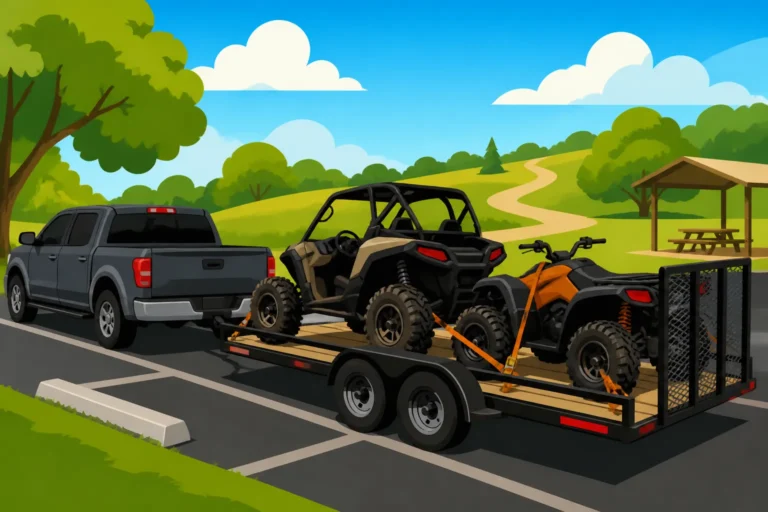
| Trailer and supplies | Parking arrangements, tie-downs, fuel, water, and basic tools | Reduces avoidable problems at the trailhead |
| Backup plan | Another open riding area within a reasonable drive | Gives you options if conditions change |
Choosing a Machine and Preparing Your Gear
Match your machine to the trail and your group
A machine that feels comfortable on a broad gravel road can feel cumbersome on a narrow, winding trail. Before you go, consider your vehicle’s width, turning radius, tires, ground clearance, and how confidently the rider can handle uneven ground. A side-by-side may be a good fit for some groups, while a smaller ATV or dirt bike may be easier to manage on tighter routes. Confirm which machine types the park permits rather than guessing from the entrance sign or online photos.
The rider matters just as much as the vehicle. Someone new to off-road riding may appreciate an easier pace, room to stop, and a route that does not demand steep climbs or rapid decisions. More experienced riders should still leave space for others and adjust their speed to visibility and trail conditions. For a broader look at what to expect from different riding areas, see [Iowa Trails for Beginners] and [Iowa Trails for a Wide Machine].
Pack for a day that may take longer than expected
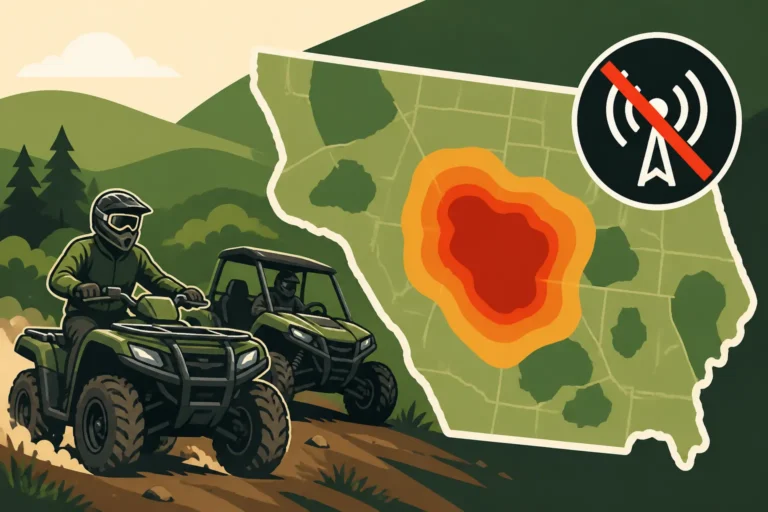
A short ride can stretch out when someone needs a break, a trail is slower than expected, or a machine develops a minor problem. Bring water, weather-appropriate clothing, a basic first-aid kit, and any machine-specific tools or supplies you know how to use. A charged phone is useful, but do not rely on it as your only navigation or emergency plan; signal can be inconsistent in rural areas and wooded terrain.
Before unloading, check tire condition, brakes, lights, fuel level, and visible fluid leaks. Secure loose cargo and make sure everyone knows where the group plans to stop if riders become separated. If you are riding with children or newer riders, agree on simple signals and a pace that lets the least experienced person stay comfortable. The goal is not to prove how much ground you can cover. It is to finish the ride with everyone and every machine in good shape.
Riding Responsibly on the Park Trails
Start slowly and learn the trail layout
At the beginning of a visit, take time to understand the posted rules and trail markers. Do not assume a trail’s direction, difficulty, or machine access from its appearance. Follow signs and stay on designated routes. If a marking is unclear, stop somewhere safe and check the map or ask park staff if available instead of riding farther in the hope that the trail will explain itself.
Ease into the ride rather than starting at full speed. A careful first loop gives you a sense of surface, visibility, traffic, and how the machine responds. On unfamiliar ground, a dip or turn can hide a changing surface just beyond the point you can see. Keep enough distance from the rider ahead to respond safely, especially where dust, vegetation, or uneven terrain limits visibility. Review [Iowa Rules for Riding a Club Trail] for general reminders about staying on permitted routes and respecting trail boundaries.
Adjust your riding when the ground is wet
Wet soil can be deceptively slippery. A machine may lose traction while climbing, slide through a turn, or dig a rut that remains after the weather clears. If the trail is soft enough that tires are cutting deeply into the surface, slow down and consider turning back rather than trying to power through. Spinning tires rarely solve the problem; they can make the trail harder for everyone who follows.
Protecting the trail is part of being a welcome visitor. Avoid riding around a muddy patch to create a new track, and do not leave marked routes to find a drier line. If the park has closed a section, treat that closure as a safety and maintenance boundary, not a suggestion. The article [Why Iowa Closes Parks for Wet Trails] explains why waiting for better ground can be the right call even when the weather has cleared.
Navigation, Safety, and Riding With Others
Plan how your group will stay together
Groups often spread out without noticing. One rider stops to check a sign, another continues around a bend, and suddenly the people in front cannot see those behind them. Agree on a simple regrouping plan before riding: choose clear stopping points, decide what the lead rider will do at a junction, and make sure the last rider knows not to leave anyone behind. A slower, predictable group is usually easier to manage than one that tries to keep pace with the fastest person.
A map can help you understand where you are and plan a route before you unload. Some riders use a mapping app such as onX Offroad to review routes and save trip information, but check that the map matches the park’s posted trail system and current rules. Do not treat a phone map as permission to ride an unmarked trail or cross a closed area. If the app and park signage differ, follow the park’s posted directions and ask for clarification when possible.
Use practical safety habits throughout the day
Wear protective gear appropriate to your machine and riding conditions, and make sure each rider knows how to operate the controls before joining the group. Keep speed low enough to stop within the distance you can see. Blind corners, loose gravel, dust, and sudden changes in elevation all reduce the time available to react. If you are tired or distracted, take a break rather than trying to finish one more loop.
A minor mechanical issue is easier to handle before it becomes a breakdown. Stop if you notice unusual noises, steering changes, a warning light, or a problem with braking. Choose a safe place away from the trail before checking the machine, and keep the rest of the group together. For additional preparation ideas, [Breaking Down Deep in an Iowa OHV Park] covers the kind of problems that are easier to manage when you have thought them through in advance.
Making the Most of a Marshalltown-Area Visit
Build a realistic schedule
A good riding day does not need to be packed from sunrise to the last possible minute. Allow time to arrive, read posted information, unload, inspect the machines, and give newer riders a chance to get comfortable. Build in breaks and leave enough time to load safely before access ends. A rushed departure can lead to missed gear, loose tie-downs, or a tired rider making avoidable mistakes.
If you are traveling with a mixed-experience group, plan around the person who needs the most time rather than the rider who wants the longest loop. That may mean fewer miles, more stops, or an earlier return to the staging area. Check the weather again before leaving, and keep a backup plan in case conditions shift. Guides such as [Iowa Riding Areas Near a City] can help you think about combining a riding day with nearby services without assuming that the park itself provides every amenity.
Leave the site ready for the next riders
Before loading, account for everyone and check the machines for damage, loose parts, or items left behind. Secure fuel and equipment for the trip home, and keep muddy gear contained so it does not spread through the vehicle. If you notice a downed branch, damaged marker, or unsafe area, report it to the appropriate park contact rather than trying to repair something beyond your ability.
Take out everything you brought in, including food wrappers, bottles, and broken straps. Stay within designated parking and staging areas, and follow posted instructions about noise, fires, camping, or other activities. Respectful use helps keep riding areas available and makes it easier for staff and volunteers to maintain them. For park-specific information and condition-checking habits, see [Calling a Park Before You Load] and [Iowa Trail Closures to Check First].
A Simple Checklist for Your First Visit
The day before the ride
Confirm that Nicholson-Ford OHV Park is open and that conditions are suitable for your planned machine and group. Check the address and entrance, review the posted rules, and verify registration or permit requirements that apply to you. If you are traveling with a side-by-side, dirt bike, or youth machine, confirm that it is allowed and that any size or rider-specific rules are clear.
Prepare the machines at home when possible. Check tires, brakes, fuel, lights, and tie-downs, and pack water, weather layers, basic tools, and a first-aid kit. Save a map or trip plan for reference, but use it alongside park signs rather than instead of them. If rain is expected or the ground has been wet, have a backup plan before you start the drive.
At the park and on the way home
On arrival, take a few minutes to read the current signs and orient your group. Start with a conservative pace, stay on marked trails, and make sure the least experienced rider is comfortable. Stop to regroup at agreed points, and turn around if the trail becomes unsafe or visibly vulnerable to damage.
Before leaving, check that all riders and equipment are accounted for, secure the load, and follow any instructions for the staging area. If the day went well, remember what worked: the machine fit, the pace, the supplies, and the route choices. Those notes make the next visit easier to plan and help you avoid repeating the small frustrations that can otherwise spoil an otherwise good ride.
Disclaimer
This article is for general informational purposes only and does not constitute professional advice. Laws, prices and regulations vary by location and change over time. Consult a qualified professional for guidance on your specific situation.