Iowa Admin Code 571-46.7 and Decal Placement
One of the most common headaches for Iowa ATV and UTV enthusiasts isn't tearing up a trail or getting stuck in a mud bog; it's navigating the seemingly endless maze of state regulations, especially when it comes to something as simple as where to stick that annual registration decal. You've gone through the trouble of registering your machine, you've paid your fees, and now you're holding that little sticker, wondering exactly where it's supposed to go to keep you out of trouble with the DNR or local law enforcement. This guide is here to untangle the specifics of Iowa Admin Code 571-46.7, ensuring your decal is placed correctly so you can focus on riding, not worrying about compliance.
Demystifying Iowa Admin Code 571-46.7 for Your ATV Decal
Let's face it, wading through administrative codes can feel like trying to ride a quad through quicksand – slow, confusing, and potentially disastrous if you don't know what you're doing. But for Iowa off-highway vehicle (OHV) riders, understanding Iowa Admin Code 571-46.7 is crucial because it dictates precisely where your registration decal must be displayed. This isn't just bureaucratic red tape; it's about ensuring that your machine is properly identified and that you're contributing to the upkeep of the very trails and programs you enjoy. Ignoring it can lead to frustrating conversations with peace officers, or worse, citations, which nobody wants when they're out having fun.
What the Code Actually Says About Decal Placement
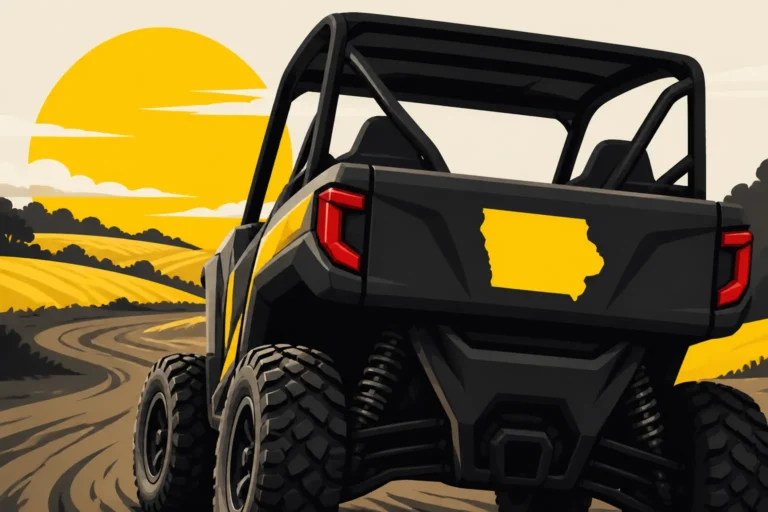
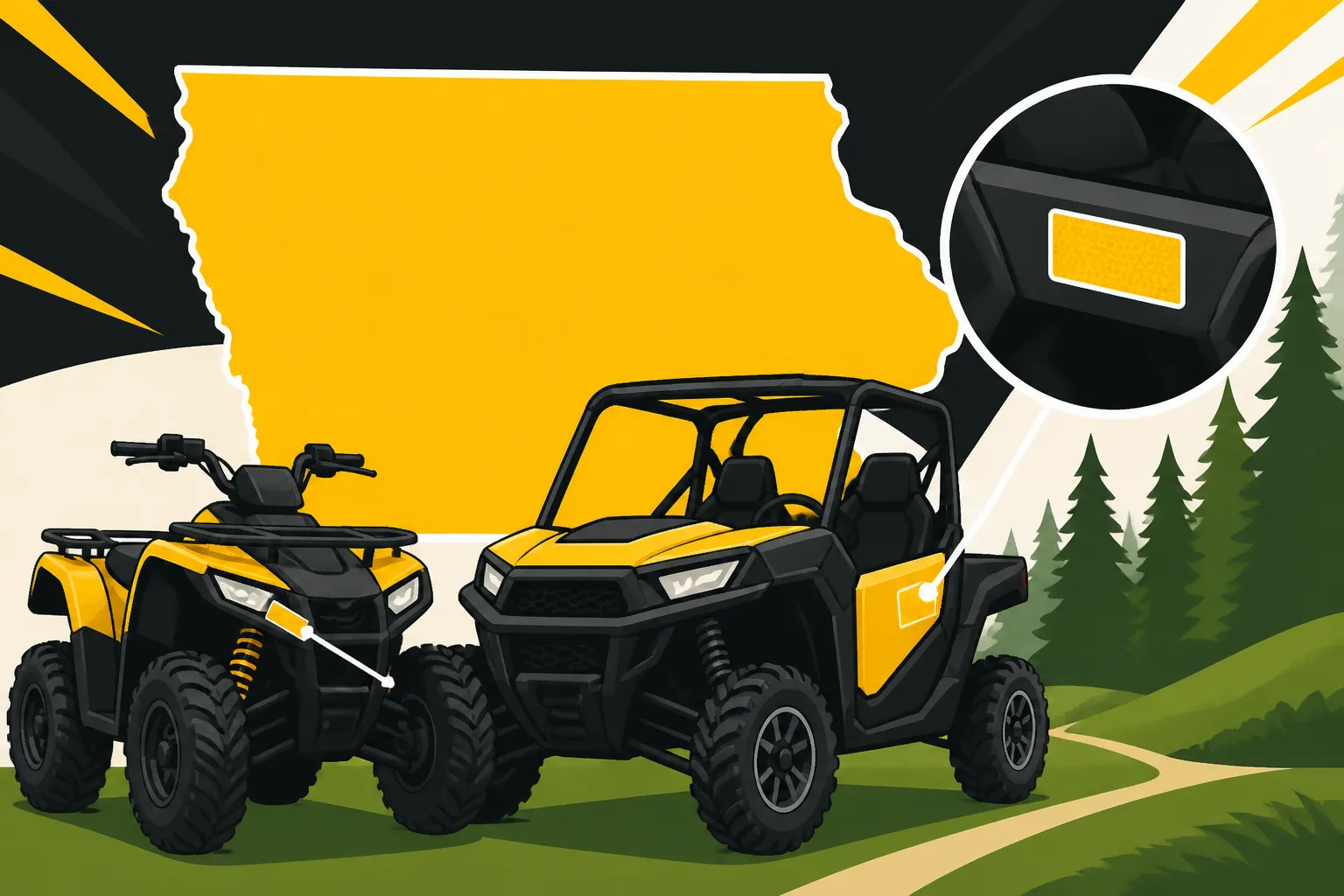
Iowa Admin Code 571-46.7 is quite specific, leaving little room for guesswork. It states that the current registration decal must be displayed on the rear half of the machine, on the left side, and must be clearly visible. Now, that might sound straightforward on the surface, but let's unpack what "rear half," "left side," and "clearly visible" truly mean in the real world of ATVs and UTVs. It’s not just slapping it anywhere; it's about positioning it in a way that an enforcement officer can quickly and easily verify your registration without having to play hide-and-seek with your sticker. Think of it as your machine's license plate, but for the off-road world.
For many riders, especially those with machines that have various racks, bags, or aftermarket accessories, finding that sweet spot can be a challenge. The intent is to place the decal so that it isn't obscured by mud, equipment, or even the rider's leg when seated. On a typical ATV, this often means somewhere on the rear fender, perhaps near the taillight, but definitely on the left side when viewed from behind the machine. For UTVs, the rear cargo bed area, again on the left, is usually the designated spot. The key is visibility from a reasonable distance, ensuring that the numbers and year on the decal are legible without needing to get up close and personal with your ride.
Why Specificity Matters in Off-Highway Vehicle Regulations
You might wonder why the state bothers with such precise instructions for a small sticker. Couldn't "somewhere visible" suffice? The truth is, that level of specificity is born out of necessity and practical experience. Imagine a conservation officer trying to check registrations on a busy trail day or at an OHV park like Gypsum City. If every rider chose a different "visible" spot—some on the handlebars, some on the front fender, some tucked away on the frame—it would create chaos and make enforcement nearly impossible. The specific placement standardizes the process, making it efficient for everyone involved.
Moreover, these regulations tie directly into funding and accountability. The fees collected from [Iowa ATV Registration Cost] and renewals go directly into the Off-Highway Vehicle Fund, which helps pay for trail maintenance, land acquisition for new riding areas, and OHV safety programs across the state. When decals are easily verifiable, it ensures that only registered machines are using these resources, and that those who benefit are also contributing their fair share. It's a system designed to protect the sport and ensure its future for all riders, and proper decal placement is a small but vital cog in that machine.
The Practicalities of Mounting Your Iowa ATV Registration Decal
Once you understand the "where" from the administrative code, the next step is the "how." Correctly mounting your decal isn't just about sticking it on; it involves a bit of preparation to ensure it stays put and remains legible throughout the riding season. After all, these machines endure harsh conditions—mud, dust, water, vibrations, and sometimes even a little branch scraping. You don't want your new decal peeling off after its first muddy adventure, forcing you to go through the hassle of ordering a replacement.
Locating the Designated Rear Quarter
As Iowa Admin Code 571-46.7 instructs, your decal needs to be on the rear half of the machine, on the left side, and clearly visible. For most ATVs, this means the flat or slightly curved surface of the rear fender, just behind the seat, on the rider's left. Try to avoid areas that will be consistently caked in mud or directly impacted by exhaust heat. You want a relatively clean, smooth surface that won't distort the decal or cause it to peel prematurely. Thinking about the path of mud spray from your tires is a good strategy here; choose a spot slightly out of the direct line of fire if possible.
When it comes to UTVs or side-by-sides, the options might be a bit more varied. Many UTVs have a dedicated flat panel on the rear bed or fender area, often near the taillight, that is perfect for decal placement. Again, consider the left side. If your UTV has a bed liner or protective coating, make sure the decal adheres well to that surface. In some cases, riders might apply it to a plastic panel just above the rear wheel well. The main takeaway is consistency: choose a spot that’s easily identifiable as "the decal spot" for law enforcement, rather than tucking it away in a hidden corner. This is why the code is precise, and why you should be too.
Preparing Your Machine for Proper Adhesion
This is perhaps the most overlooked, yet critical, step in decal application. A clean surface is paramount for long-lasting adhesion. Before you even think about peeling off the backing, thoroughly clean the chosen area on your ATV or UTV. Start with a good wash using soap and water to remove dirt, mud, and grime. After rinsing, use a degreaser or rubbing alcohol to remove any oily residue, wax, or silicone-based protectants that could prevent the decal from sticking properly. You'd be surprised how much unseen residue can be on plastic surfaces, even on a seemingly clean machine.
Once cleaned, ensure the surface is completely dry. Any moisture trapped underneath the decal will prevent it from adhering and can lead to bubbles or peeling. It's also a good idea to apply the decal in a warm, dry environment, like a garage, rather than in direct sunlight or freezing temperatures, as extreme temperatures can affect the adhesive. When you're ready to apply, slowly peel the backing paper, aligning the decal carefully before pressing it down firmly. Use a credit card or a squeegee to smooth out any air bubbles, working from the center outwards. Taking these extra few minutes for preparation can save you a lot of headache down the trail.
Common Mistakes to Avoid During Application
It's easy to rush the application process, especially when you're eager to get out and ride. However, making a few common mistakes can lead to problems. One frequent error is applying the decal to a dirty or greasy surface, which almost guarantees it will peel or fall off prematurely. Another is trapping air bubbles, which not only looks unsightly but can also compromise adhesion, making the decal vulnerable to water and debris. When a decal lifts at the edges, it's practically inviting the elements to finish the job.
Sometimes, riders also inadvertently place the decal in a spot where it's easily damaged—like directly in the path of a boot or where luggage straps often rub. Think about how you use your machine and what areas see the most wear and tear. Furthermore, ensure the decal isn't obscured by aftermarket accessories like large fender bags, toolkits, or even overloaded cargo racks. The "clearly visible" requirement is non-negotiable. If an officer has to climb over your gear to see the sticker, it's not considered clearly visible. Take a step back and look at your machine from a few feet away; if you can't easily spot and read the decal, it needs to be repositioned.
Understanding the Purpose Behind Iowa's Decal Rules
It’s easy to view regulations as arbitrary hurdles, but Iowa's specific decal rules are actually quite pragmatic. They serve several important functions that benefit riders, law enforcement, and the overall OHV community. These aren't just rules for rules' sake; they're designed to keep things running smoothly and safely for everyone who enjoys hitting the trails or heading out into the backcountry.
Ensuring Visibility for Law Enforcement
The primary reason for precise decal placement, particularly the emphasis on the "rear half, left side, clearly visible," is for ease of enforcement. Imagine a conservation officer or a sheriff's deputy trying to quickly identify registered machines on a busy trail or at an event. If decals were placed randomly, they would spend an inordinate amount of time trying to find and verify each one. This slows down patrols, frustrates riders who are compliant, and makes it harder to identify those who aren't.
By standardizing the location, officers know exactly where to look. This allows them to quickly scan machines as they pass by, or as they conduct routine checks at staging areas or trailheads. A quick glance can confirm whether a machine is properly registered for the current year. This efficiency is crucial, especially in situations where officers might be observing multiple machines or need to make a rapid assessment. It's a simple system that streamlines the job of ensuring everyone is playing by the rules, which ultimately makes the riding experience safer and more enjoyable for the entire community.
Simplifying Compliance Checks and Enforcement
Beyond just visibility, the consistent placement of the decal simplifies the entire compliance check process. When an officer pulls up to a group of riders at a [Gypsum City OHV Park at Fort Dodge] staging area, they can efficiently confirm current registrations. This reduces the need for lengthy stops and investigations, allowing officers to spend more time on other important aspects of public safety and resource management. It also reduces the chances of misidentification or confusion, as the location acts as a universal signifier for "Iowa OHV registration."
Moreover, these consistent rules mean less ambiguity for riders. You don't have to guess where your decal goes; the administrative code clearly states it. This helps riders comply proactively, reducing the likelihood of receiving a [Iowa Fines for an Unregistered ATV] or a warning for improper decal display. The clarity of the rule benefits everyone by setting a clear expectation and providing a straightforward path to meeting it. It’s about creating a predictable environment where riders know what’s expected of them and officers can effectively carry out their duties.
Contributing to Trail Funding and Accountability
It's easy to think of a decal as just a sticker, but it represents your contribution to the Iowa OHV Fund. Every registration fee, from the base amount to the various administrative costs, is pooled to support the very places you love to ride. This fund is vital for maintaining existing trails, developing new ones, providing educational programs, and covering administrative costs associated with OHV management. When you see new signage, improved staging areas, or well-maintained trails, you're seeing the results of those registration fees in action.
The visible decal serves as proof that you've paid your share. It's a direct link to accountability: if you're riding on public lands or designated OHV parks, you're expected to contribute to their upkeep. Without a clear and easily verifiable decal, it would be difficult to ensure that all users are contributing. This system helps prevent "free riders" who benefit from the trails without financially supporting them, ensuring that the burden of maintenance and development is shared equitably among the riding community. It’s a small sticker with a big impact on the future of Iowa's OHV opportunities.
When Your Iowa ATV Decal Needs Replacement or Renewal
Life on the trails isn't always kind to a little sticker. Between the mud, sun, branches, and general wear and tear, your Iowa ATV registration decal can take a beating. Knowing when and how to replace it, as well as understanding the annual renewal process, is crucial for staying compliant and avoiding unexpected issues. Just like changing the oil in your machine, these administrative tasks are part of responsible OHV ownership.
Dealing with Faded, Damaged, or Lost Decals
It happens to the best of us: you look at your decal one day and realize the numbers are barely legible, or a corner has peeled away, leaving it vulnerable to falling off completely. A decal that is no longer "clearly visible" or intact, even if technically still current, can still lead to questions from law enforcement. The expectation is that the decal is readable and securely attached. If your decal becomes faded, torn, or goes missing entirely, you'll need to order a replacement. This usually involves contacting your county recorder's office, where you originally registered the machine. There is typically a small fee for a [Iowa ATV Decal Replacement], which covers the cost of printing and mailing.
The process is generally straightforward, but it's important not to delay. Riding with a damaged or missing decal, even if your registration is current in the system, could still result in a citation because you lack the visible proof required by code. Think of it like driving with a broken license plate – even if your vehicle is registered, the plate needs to be intact and readable. Once you order a replacement, be prepared to wait a short period for it to arrive, usually within [Two Weeks of Post Before a Decal Lands]. In the meantime, carrying a copy of your registration certificate, which we'll discuss shortly, can be helpful if you must ride before the new decal arrives.
The Annual Renewal Cycle and Decal Timelines
Unlike some vehicle registrations that might align with your birthday, Iowa ATV and UTV registrations operate on a fixed annual cycle. All registrations expire on December 31st of each year. This means that no matter when you originally registered your machine, come January 1st, your decal from the previous year is expired. The good news is that the renewal window opens early, typically starting in September, giving riders ample time to renew before the new year. This [Iowa's September to December Renewal Window] is designed for your convenience.
When you renew your registration, you'll receive a new decal for the upcoming year. It's vital to replace the old decal with the new one as soon as it arrives, usually after you complete the renewal process either [Renewing an Iowa Registration Online] or at your local county recorder's office. Don't be tempted to leave the old one on for a few weeks into the new year; an expired decal is just as problematic as no decal at all. Plan to get your renewal handled in the fall so you're ready to hit the trails on New Year's Day with a fresh, valid decal properly affixed to your machine.
Iowa's Late Registration Penalty and Decal Implications
Life gets busy, and sometimes administrative tasks fall through the cracks. While Iowa provides a generous renewal window from September through December, some riders inevitably miss the deadline. If you find yourself in this situation, be aware that Iowa does impose a [Iowa's Late Registration Penalty]. This penalty is typically a set fee added to your regular [Iowa ATV Registration Renewal Cost], and it's designed to encourage timely renewals. It's not a punitive measure but rather a way to manage the administrative workload and ensure that funds are collected efficiently.
The implication for your decal is straightforward: you won't receive your new decal until you've paid both the renewal fee and any applicable late penalty. This means you'll be riding on an expired decal, or no decal, until you get everything squared away. If you're caught riding with an expired decal, even if you've just forgotten to renew, you could still face a citation. It's a much better idea to set a reminder for yourself in the fall to renew your registration and get that new decal applied well before January 1st. It saves you money, hassle, and keeps you compliant with Iowa law.
| Decal Status | Action Required | Where to Get It | Cost Implications |
|---|---|---|---|
| New Registration | Apply decal upon receipt | County Recorder / Online | Included in [Iowa ATV Registration Cost] |
| Annual Renewal | Replace expired decal with new one (Jan 1) | County Recorder / Online | [Iowa ATV Registration Renewal Cost] |
| Faded/Damaged | Order replacement decal | County Recorder | [Iowa ATV Decal Replacement] Fee |
| Lost/Stolen | Order replacement decal | County Recorder | [Iowa ATV Decal Replacement] Fee |
| Expired | Renew registration; apply new decal | County Recorder / Online | Renewal Cost + [Iowa's Late Registration Penalty] (if applicable) |
| Incorrectly Placed | Re-apply (if possible) or order replacement | County Recorder (if re-application impossible) | May incur replacement fee |
Beyond the Decal: Carrying Your Iowa ATV Registration Certificate
While the physical decal is the most visible proof of your machine's registration, it's not the only document you need to be mindful of. Iowa law also requires you to carry the actual registration certificate with you when you're operating your ATV or UTV. Think of the decal as the quick-check identifier, and the certificate as the detailed proof of ownership and compliance. Both are essential, and understanding their roles will save you headaches on the trail.
The Importance of the Physical Certificate
Your registration certificate is the official document issued by the county recorder's office when you [Registering an ATV in Iowa]. It contains vital information about your machine, including its make, model, VIN, and your ownership details. This document serves as definitive proof that your machine is legally registered in Iowa. While the decal is visible, an officer needs the certificate to confirm all the specifics—matching the VIN, checking expiration dates, and verifying the registered owner. It’s akin to carrying your vehicle’s registration paper in your car; you wouldn't just rely on the license plate.
In situations where your decal might be obscured by mud, damaged, or even if an officer simply wants to verify details beyond what the decal shows, they will ask to see your physical registration certificate. Failing to produce it, even if your decal is perfectly affixed, can lead to delays and potential citations. It's a critical piece of paperwork that complements your decal, forming a complete picture of your machine's legal status. Always make sure the information on your certificate is current and accurate, reflecting any changes in ownership or address. If you’re ever buying or selling a machine, documents like a bill of sale, which you can easily find templates for on sites like LawDepot, are crucial for generating the correct information for your new certificate.
Safe Storage Solutions While Riding
So, where do you keep this important document while you're out bouncing around on the trails? Tucking it into your wallet might seem convenient, but if you take a spill and your wallet goes flying, or if it gets soaked, you're out of luck. The best practice is to store your [Carrying the Certificate on an Iowa Ride] in a waterproof and secure location on your machine. Many ATVs and UTVs have small storage compartments, under the seat, or in a glove box that can be equipped with a waterproof bag or pouch. Some riders even laminate their certificate for extra protection against the elements, though ensure it's a legible copy if you do.
The key is accessibility and protection. You want to be able to retrieve it easily if requested by a peace officer, but it also needs to be safe from mud, water, dust, and vibrations that could damage or destroy it. Consider a small, durable, and sealable plastic bag or a purpose-built waterproof document holder that you can secure within a storage compartment. Some riders attach a small pouch to their handlebars or cargo rack, but always prioritize waterproofing and security to ensure it doesn't get lost or rendered unreadable. Having it readily available and in good condition shows you're a responsible rider.
Iowa Fines for an Unregistered ATV
It bears repeating: riding an ATV or UTV on public lands or designated trails in Iowa without a valid registration and the accompanying decal/certificate is a violation of state law. The consequences are more than just an inconvenience; they typically involve [Iowa Fines for an Unregistered ATV]. These fines can vary, but they are designed to deter illegal riding and ensure compliance. Beyond the financial penalty, you might also be required to register your machine on the spot or even have your ride impounded, completely ruining your day.
The interconnectedness of the decal and the certificate is critical here. An officer will first look for the decal. If it's missing, expired, or improperly placed, that's an immediate red flag. They will then ask for the certificate to confirm the machine's status. If you can't produce either, you're looking at a definite problem. Ensuring both your decal is correctly displayed and your certificate is safely carried is your best defense against such fines and a clear indicator that you respect the regulations that keep Iowa's OHV opportunities viable.
Disclaimer
This article is for general informational purposes only and does not constitute professional advice. Laws, prices and regulations vary by location and change over time. Consult a qualified professional for guidance on your specific situation.