Choosing a Helmet Iowa Does Not Require
It's easy to assume that helmets are a universal requirement when you're out riding your ATV or UTV, especially with all the safety campaigns out there. But here in Iowa, the laws around helmets for off-highway vehicles on public roads have a few surprises that can leave riders scratching their heads. This guide will clear up exactly what Iowa expects—and doesn't expect—from you when it comes to head protection, while also exploring why donning a helmet is still a smart move for your safety and peace of mind.
Iowa's Stance on Helmets for ATV and UTV Riders
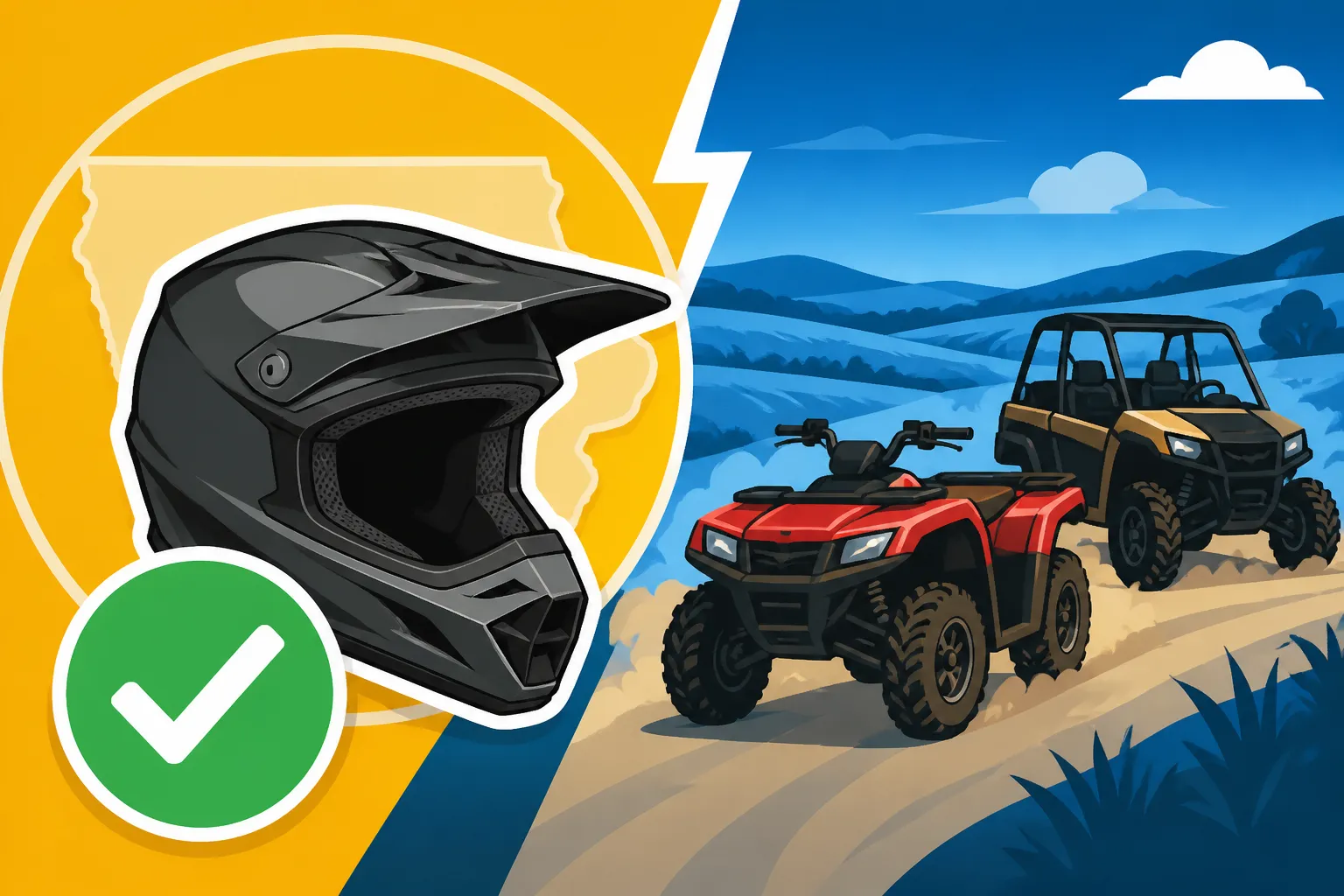
Let's cut right to the chase: Iowa law does not mandate that ATV or UTV operators or passengers wear helmets when riding on approved public roads or trails. This can feel counterintuitive, especially if you're used to seeing riders geared up, or if you've ridden in other states where helmet laws are much stricter. It’s a point of frequent confusion for both residents and visitors alike, as the emphasis on safety in the off-road community is so strong.
When you're riding your quad or side-by-side, whether it's on a gravel road in Webster County or making your way to a designated OHV park, you won't find yourself in violation of any state law simply for not wearing a helmet. This is a crucial distinction that often surprises people. While many states have explicit rules for helmets on certain types of vehicles or for riders under a specific age, Iowa has taken a different approach concerning ATVs and UTVs. The state prioritizes rider education and individual responsibility in many areas of off-highway vehicle use, and this extends to helmet choice. You might want to refer to [Iowa Helmet Law for ATV Riders] for more context on this specific legal aspect.
Why Iowa Leaves Helmets to the Rider
The decision to make helmets optional for ATV and UTV riders in Iowa isn't necessarily a statement against safety. Instead, it often reflects a legislative philosophy that balances personal freedom with public safety. For many years, the debate over mandatory helmet laws has been robust, with arguments ranging from individual liberty to the effectiveness of such laws in preventing serious injury. In Iowa, for ATVs and UTVs, the scale has, for now, tipped towards personal choice. This means that while the state offers guidance and encourages safe practices, the final say on whether to wear a helmet rests squarely with you, the rider. It's not like the rules for motorcycles, which are often much more stringent.
This doesn't mean Iowa is lax on safety overall. Far from it. The state provides resources and education, like the [Iowa ATV Safety Certificate Requirements] for younger riders, to ensure that everyone has the knowledge to make informed decisions. It simply places the onus of the helmet decision on the adult rider, recognizing that off-road vehicles operate in a variety of environments, and individual risk assessment plays a significant role. It’s also worth noting that while state law might not require a helmet on public gravel roads, some privately operated riding areas, or even specific organized events, might have their own rules that do mandate helmets. Always check with the specific venue or event organizer before you go.
Why Wearing a Helmet is Always a Smart Move
Just because the law doesn't require you to wear a helmet doesn't mean it's not the wisest decision you can make for your own well-being. Think about all the variables when you're out on the trails or even just cruising down a county road: unpredictable terrain, other riders, wildlife, and even mechanical issues can all lead to unexpected situations. A helmet is your brain's best defense, period. It’s the single most effective piece of personal protective equipment you can wear to mitigate the risk of serious head injury.
I've seen firsthand, and heard stories from countless riders, about close calls and unexpected tumbles. Whether you're navigating the challenging hill climbs at Gypsum City OHV Park or just taking it easy on a farm lane, accidents can happen in an instant. Protecting your head means protecting your future, your family, and your ability to keep enjoying the outdoor lifestyle we all love. It's an investment in yourself, even if it feels like an extra step when the law doesn't explicitly demand it. Many riders consider it as essential as registering their machine; speaking of which, you might want to review [Registering an ATV in Iowa] to ensure your quad is ready for the trails.
The Unpredictable Nature of Off-Road Riding
Off-road riding is an adventure, but it's also inherently unpredictable. A sudden rut, an unexpected drop-off, a patch of loose gravel, or even a branch whipping back at you can all pose a threat. These are not typically factors you encounter in a controlled environment. When you hit a bump or lose traction, your body can be thrown in unexpected ways, and your head is often one of the most vulnerable parts. Without a helmet, even a low-speed tip-over can result in a concussion or a more severe traumatic brain injury.
Consider a scenario: you're riding a new trail in Bluff Creek OHV Park, feeling confident, and suddenly, a hidden tree root catches your front tire. In that split second, you might be thrown over the handlebars. A helmet, even if it's not legally required, can mean the difference between dusting yourself off with a story to tell and a trip to the emergency room. It absorbs and distributes the impact force, preventing your skull from taking the brunt of the hit. It's a simple, effective piece of gear that has been proven time and again to save lives and prevent devastating injuries.
Beyond Impact Protection: Comfort and Visibility
While impact protection is the primary reason to wear a helmet, there are other practical benefits that enhance your riding experience. Many modern ATV and UTV helmets are designed with features that improve comfort and visibility. For example, a good helmet provides a barrier against dust, debris, insects, and harsh weather conditions, keeping your face and eyes protected. Integrated visors or the ability to wear goggles with your helmet means better vision, especially when you're kicking up a lot of dust or riding into the sun.
Furthermore, helmets can offer a degree of sound dampening, which can reduce rider fatigue on longer rides by cutting down on wind noise. This can actually help you focus better on your surroundings and the sounds of your machine. Brands like SuperATV offer a range of accessories that complement safe riding, including sturdy gear to mount on your UTV, but nothing protects your head quite like a purpose-built helmet. It's not just about surviving a crash; it's about making every ride more enjoyable and secure.
Choosing the Right Helmet for Iowa Trails
Selecting the right helmet isn't just about picking one that looks cool. It's about finding one that fits properly, meets safety standards, and suits your riding style. There are various types of helmets, each designed with specific features to cater to different needs, whether you're a casual trail rider or a more aggressive sport enthusiast. Taking the time to research and try on different options is crucial.
Remember, even though [Iowa Helmet Law for ATV Riders] doesn't require it, investing in a high-quality, properly fitted helmet is one of the best choices you can make for yourself. You wouldn't skip maintaining your machine's engine, so don't skip protecting your most vital organ.
Types of Helmets for Off-Road Riding
When you step into a powersports store or browse online, you'll encounter a few main types of helmets suitable for ATV and UTV riding:
- Motocross/Off-Road Helmets: These are the most common for ATVs. They feature an elongated chin bar for face protection from roost and debris, a large peak (or visor) to shield from sun and flying objects, and often provide excellent ventilation. They are designed to be worn with goggles.
- Dual Sport Helmets: A hybrid, these helmets combine features of an off-road helmet (peak, chin bar) with those of a street helmet (face shield). They offer versatility for riders who might transition between trails and gravel roads, providing both impact protection and weather sealing.
- Full-Face Helmets (Street Style): While not traditional for off-road, some UTV riders, especially those in cages, prefer full-face street helmets for their comfort, integrated face shield, and sound dampening. However, they may offer less ventilation and a narrower field of vision than dedicated off-road helmets.
Each type has its pros and cons, and your choice should align with the kind of riding you do most often. If you’re spending all your time in the mud pits at Rathbun OHV Area, a well-ventilated motocross helmet is likely your best bet. If you’re touring backroads and occasionally dipping into light trails, a dual-sport helmet might offer the best balance.
Key Features to Look For in an ATV Helmet
Beyond the basic type, there are several critical features to consider when choosing your helmet. These elements contribute to both safety and comfort:
| Feature | Description | Benefit for Rider |
|---|---|---|
| Safety Certifications | Look for DOT (Department of Transportation) and Snell or ECE 22.05 (European standard) certifications. These indicate the helmet has passed rigorous impact and penetration tests. | Ensures the helmet meets minimum safety performance standards. |
| Proper Fit | The helmet should fit snugly all around your head without being uncomfortably tight or having pressure points. It shouldn't move freely when you shake your head. | Maximizes protection by keeping the helmet in place during impact; prevents discomfort. |
| Ventilation | Multiple vents and exhaust ports help air circulate, keeping you cool and reducing fogging of goggles or shields. Essential for strenuous riding or warm Iowa summers. | Prevents overheating, improves comfort, reduces fatigue. |
| Weight | Lighter helmets reduce neck strain, especially during long rides. However, do not compromise safety for lightness. | Enhances comfort and reduces fatigue on extended rides. |
| Removable Liner | A removable, washable liner allows for easy cleaning, keeping your helmet fresh and hygienic, particularly after a dusty or muddy day. | Maintains hygiene and extends the life of the helmet. |
| Goggle Compatibility | If choosing an off-road or dual-sport helmet, ensure the eyeport is large enough to comfortably accommodate your preferred goggles. | Ensures clear vision and proper eye protection. |
| Chin Strap | A secure D-ring or quick-release buckle system is crucial. Always fasten it securely so the helmet doesn't come off in an accident. | Keeps the helmet firmly on your head during a crash. |
When you're trying on helmets, pay close attention to the fit. A helmet that's too loose can shift during an impact, compromising its protective capabilities. One that's too tight will cause discomfort and headaches, distracting you from your ride. Many retailers, including those that might carry SuperATV accessories for your machine, can also guide you on proper helmet fitting. Take your time, try on several sizes and brands, and ensure it feels secure yet comfortable.
Beyond the Helmet: Other Essential Safety Gear
While choosing the right helmet is paramount, it's just one piece of the safety puzzle. A comprehensive approach to rider safety involves gearing up your entire body, not just your head. Even though Iowa might not mandate specific attire for ATV or UTV use on public roads, smart riders understand the value of protecting themselves from head to toe.
Think of it this way: your body is an intricate machine, much like your ATV. You wouldn't neglect routine maintenance on your quad, so don't neglect protecting your own mechanics. Proper gear can prevent everything from minor scrapes and bruises to broken bones and more severe injuries, allowing you to ride confidently and safely whether you're exploring the trails at Gypsum City or crossing a public road.
Full Body Protection for Confident Riding
Beyond your helmet, here's a rundown of other critical gear you should consider wearing every time you ride:
- Eye Protection: Whether it's a helmet visor or separate goggles, protecting your eyes from dust, debris, insects, and branches is non-negotiable. Clear vision is crucial for safe riding.
- Gloves: Gloves protect your hands from blisters, cuts, and scrapes in a fall. They also improve your grip on the handlebars, which is vital for control.
- Long-Sleeved Shirt and Pants: Durable fabrics like denim or specialized riding gear can prevent scrapes, cuts, and abrasions from brushes with branches, rocks, or slides during a fall.
- Over-the-Ankle Boots: Sturdy boots protect your feet and ankles from impacts, provide ankle support, and give you better grip on footpegs or floorboards. Avoid open-toed shoes at all costs.
- Chest Protector/Roost Guard: For more aggressive riding, a chest protector can shield your torso from flying debris (roost) kicked up by other riders, as well as impacts from falls.
- Knee and Elbow Pads: These add an extra layer of protection to joints that are highly susceptible to injury in a crash or tip-over.
This full suite of gear acts as a buffer between your body and the harsh realities of the trail. It might seem like a lot to put on, especially on a hot summer day in Iowa, but the protection it offers is invaluable. Many companies, including SuperATV, offer robust accessories for your machine that indirectly contribute to safety, like winches or skid plates, but nothing beats personal protective equipment for direct rider safety. Ensuring your machine is legally prepared with a valid registration, which you can learn about in [Iowa ATV Registration Cost], is just one part of the equation; preparing yourself is the other.
Maintaining Your Gear and Staying Visible
Just like you perform routine maintenance on your ATV or UTV, your safety gear also requires attention. Regularly inspect your helmet for cracks or damage, especially after any impact, and replace it if compromised. Keep your goggles clean and scratch-free for optimal vision. Wash your riding gear regularly to maintain hygiene and fabric integrity. Properly cared-for gear will last longer and provide maximum protection.
Visibility is another aspect of safety often overlooked, especially when riding on public roads. While [Iowa Rules for Riding a Gravel Road] outlines specific requirements like headlights, wearing bright colors can significantly increase your visibility to other motorists, especially during dawn, dusk, or in less-than-ideal weather conditions. Consider jackets or vests with reflective elements to stand out, particularly if you find yourself riding home after an Iowa sunset. All these layers of preparation, from choosing the right helmet to wearing appropriate clothing and maintaining your machine, contribute to a safer, more enjoyable riding experience for everyone on Iowa's roads and trails.
Disclaimer
This article is for general informational purposes only and does not constitute professional advice. Laws, prices and regulations vary by location and change over time. Consult a qualified professional for guidance on your specific situation.