A Fire Ring at an Iowa Campground
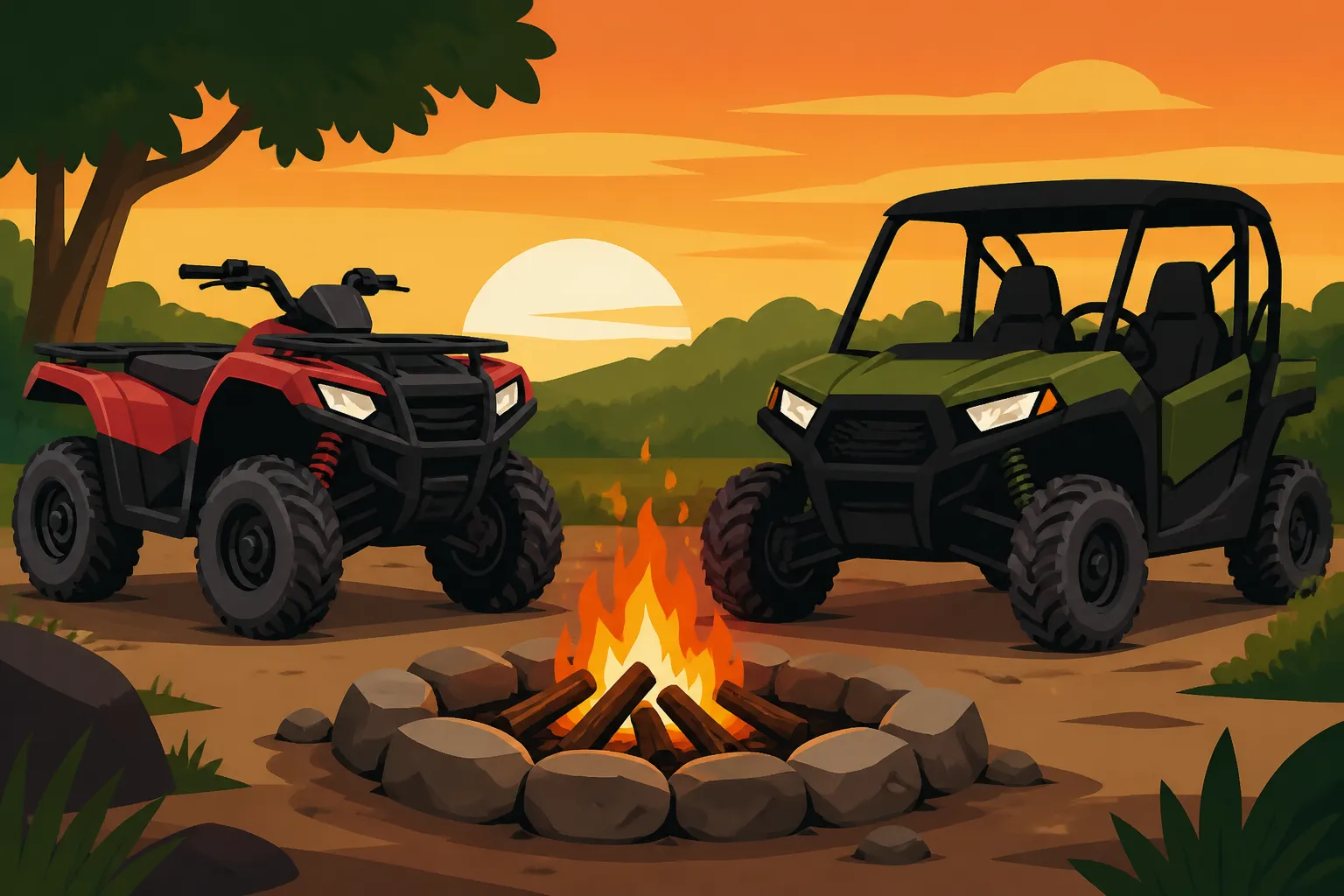
A fire ring can make an Iowa OHV camping stop more comfortable, but its presence does not automatically mean a fire is allowed. Rules can vary by campground and change with conditions. Before you strike a match, confirm that the ring is approved for use, learn what fuel is permitted, and know how to put the fire out completely.
Check the campground rules before lighting a fire
Campgrounds at Iowa riding areas may be managed by different parks, counties, or clubs, so do not assume a fire rule applies everywhere. A built-in ring is a useful clue about where fires belong, not a guarantee that fires are permitted at that moment. The campground may have a temporary restriction because of dry weather, wind, maintenance, or another local concern.
If you are still choosing a place to stay, compare the facilities and policies described in Campgrounds Inside an Iowa OHV Park and Camping at an Iowa OHV Park. For a specific campground, check its posted rules or contact the operator before you travel. Why Iowa Parks Are Run by Clubs and Counties explains why the person or organization to ask can differ from one riding area to another.
Ask direct questions rather than relying on a general assumption:
- Are fires allowed in the campground right now?
- May campers use the established ring at their site?
- Are there limits on firewood, charcoal, or other fuel?
- Is wood available or sold at the campground, or must campers bring their own?
- Where should cooled ashes go?
- Are there quiet hours or other rules that affect evening fires?
The answers matter even when a ring is already installed. A fire restriction may be announced at a gate, posted at the campground, or communicated by the operator. If you cannot confirm that fires are allowed, do not light one. Use a camp stove only if the campground permits it, and follow that appliance’s instructions.
Check conditions close to departure, too. A campground’s usual policy may not reflect a short-term restriction, and trail status can change with weather. Iowa Trail Conditions Before You Ride and Calling a Park Before You Load can help with the broader habit of checking current conditions before a trip. A park alert about wet or closed trails does not necessarily tell you whether a fire is allowed, so ask about fire rules specifically.
| Before you light a fire | What to confirm |
|---|---|
| The ring | It is the designated fire location and is approved for use |
| Current conditions | No temporary fire restriction or closure is in effect |
| Fuel | The campground allows the wood or other fuel you plan to use |
| Nearby equipment | Your machine, trailer, tent, and stored fuel are well away |
| Extinguishing supplies | Water and a way to stir the ashes are available |
| Ash disposal | You know where the campground wants cooled ashes placed |
Do not move a ring or make a new fire site because the designated one seems inconvenient. Do not burn trash, packaging, plastic, treated wood, or other materials that are not allowed by the campground. If the rules are unclear, ask before bringing fuel to the ring.
Keep the fire contained and separate from your riding gear
Use only the established ring, and keep the fire small enough to stay inside it. A fire that rises above the ring or sends sparks beyond it is harder to control, especially in gusty conditions. If wind picks up, sparks are blowing out, or the fire is no longer manageable, stop adding fuel and put it out.
Set up the campsite so people can move around without crossing the fire area. Keep children and pets at a safe distance, and do not leave them to manage the fire. Avoid sitting or standing where a sudden step backward could put someone into the ring. A fire ring can retain heat after visible flames are gone, so treat the rocks, metal, and ashes as hot.
Keep ATVs, UTVs, trailers, tents, and fuel containers away from the fire. Do not use a machine to carry burning wood, and do not park where heat or sparks could reach a fuel container or other flammable material. Store gasoline only in approved containers and follow campground directions for where it may be kept. Refuel a machine well away from the fire and allow hot parts to cool before handling fuel.
A practical campsite setup has the ring in a clear spot, seating outside the area where sparks may land, and water close enough to reach immediately. Keep a bucket of water available before lighting, not after a problem starts. A shovel can help stir and cover material during extinguishing. A compact fire extinguisher may be a useful backup; if you choose one, keep it accessible and learn how to use it. A retailer such as Amazon may carry camping fire-safety supplies, but the product is no substitute for following campground rules and keeping water nearby.
Use firewood in manageable amounts. Add a piece only when the fire needs it, and do not leave a tall pile of extra wood beside the ring. If you are unsure whether gathering wood is allowed, do not collect it from the surrounding area. Bring permitted fuel or ask the campground operator what is acceptable. At a riding campground, do not assume that brush or fallen branches are free for campers to remove.
Be especially cautious when returning from a ride. A machine may be hot, dusty, or muddy, and riders may be tired. Park and secure equipment first, keep riding gear and fuel away from the ring, and assign one attentive adult to tend the fire. Never leave a fire unattended while everyone goes to a trail, restroom, or vehicle. If nobody can watch it, extinguish it.
Campfire rules may also sit alongside other campground expectations. Read posted information about noise, shared facilities, and campsite boundaries before settling in. Quiet Hours at an Iowa OHV Campground is useful if you are planning an evening fire near other campers. For a trip to Gypsum City, check the particular site information in Camping With a Trailer at Gypsum City rather than assuming every campground offers the same layout or services.
Extinguish the fire fully before bed or departure
A fire is not out just because the flames have disappeared. Embers under ash can remain hot and can flare when stirred or exposed to air. Plan enough time to put the fire out before going to bed, leaving camp, or loading your trailer.
Use the campground’s directions for ash and fire disposal. If the operator allows you to extinguish the fire at the ring, add water carefully, stir the ashes and remaining fuel, and wet the material again. Continue until there is no smoke, glow, or warmth. Check the edges and underneath partly burned wood, where hot embers can hide. Do not pour water on an active fire in a way that could scatter burning material toward people or equipment; work carefully from a safe position.
If water is limited or the fire is too large to control, do not walk away or try to manage it alone. Alert the campground operator and follow their directions. For an immediate threat to people or property, call emergency services. Do not attempt to remove a burning log or dump hot material elsewhere.
Leave ashes where the campground directs. Do not put warm ashes in a trash bin, plastic container, or vehicle, and do not scatter them in vegetation. Some sites may specify a disposal area; others may instruct campers to leave material in the ring. If you do not know, ask. A ring that looks empty may still contain hot coals.
Before you leave the campsite, make one last check: no smoke or heat remains, ash is handled as directed, and the surrounding ground is free of stray embers. Put away matches and lighters, and make sure children and pets cannot reach hot equipment. These steps are just as important when leaving for a short ride as when ending the trip.
If no fire is allowed, treat that as part of the trip plan rather than improvising. Pack food that does not depend on an open fire, use only permitted cooking equipment, and ask about facilities before you arrive. For campground-specific fire rules, a quick call or check of posted alerts is more reliable than assuming that every Iowa fire ring can be used.
Disclaimer
This article is for general informational purposes only and does not constitute professional advice. Laws, prices and regulations vary by location and change over time. Consult a qualified professional for guidance on your specific situation.