Overnight Parking at an Iowa OHV Park
Arriving at an Iowa OHV park late, or hoping to leave a truck and trailer there overnight, can raise a frustrating question: does an open trail area also allow overnight parking? The answer depends on the park’s rules, operating hours, and whether you mean parking, camping, or storing a vehicle. This guide explains what to check before you travel and how to avoid a costly surprise.
What overnight parking means at an Iowa OHV park
Parking is not the same as camping
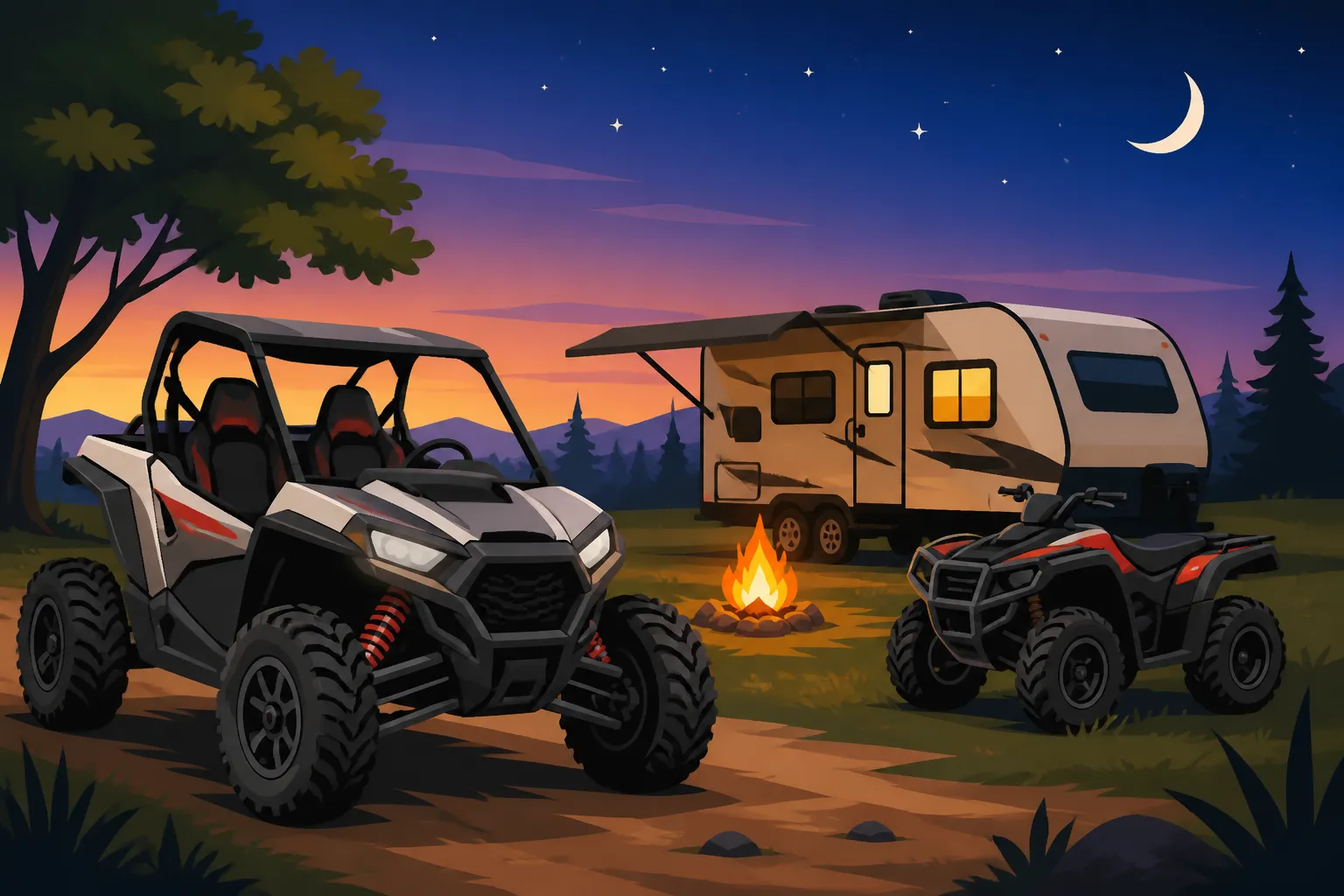
“Overnight parking” can mean several different things: leaving a tow vehicle and trailer in a staging lot while you camp elsewhere, sleeping in a vehicle, or staying overnight at a campground within or near the park. Those are not automatically treated the same way. A park may have a designated campground but still restrict overnight use of its day-use parking lot.
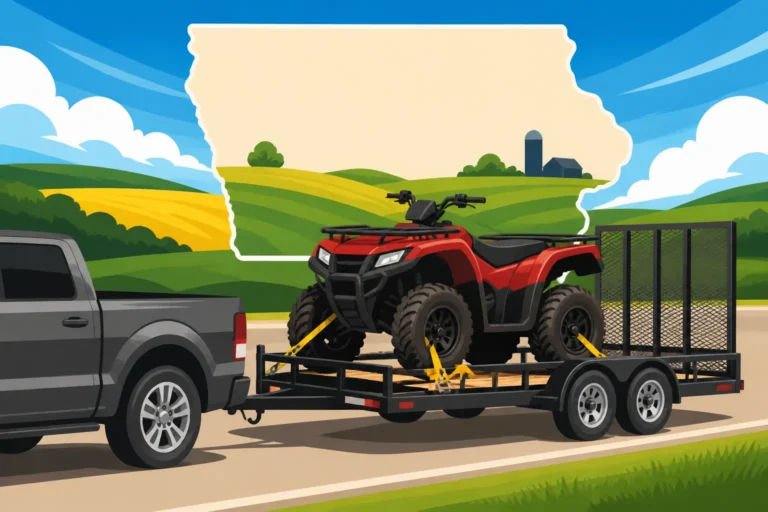
Before you plan around an overnight stay, pin down exactly what you need to do. If you’re arriving after a long drive and sleeping in your truck, ask whether vehicle sleeping is permitted. If you’re camping in a tent or RV, ask where the campground is, whether it is open, and whether you need to reserve or pay separately. If you only want to leave a trailer while you stay nearby, ask whether unattended overnight parking is allowed and where the trailer can remain.
This distinction matters because a sign that says “campground” does not necessarily grant permission to camp in the trailhead lot, and a parking area that is open during riding hours may not be available after the park closes. Check the specific site’s rules rather than relying on what was allowed at another park. Camping at an Iowa OHV Park is a useful place to start when you’re sorting out the difference between a campsite and a staging area.
Why a park’s rules can differ from another park’s
Iowa OHV areas are not all operated in the same way. Some are managed through a local club, county, or other park partner, so operating arrangements and visitor information can vary by location. A rule that works at Gypsum City OHV Park near Fort Dodge may not apply at Bluff Creek OHV Park near Eddyville, Rathbun OHV Area near Plano, or Paul Huting Recreation Area in Waterloo.
Hours also affect the practical answer. A riding area may close its trails at a set time, have seasonal access, or temporarily close when conditions are too wet. A campground may have a different schedule from the riding area. Don’t assume that a gate being open when you arrive means you can leave a vehicle there overnight, or that a campground being nearby means it is open that night.
Treat the park’s posted rules and direct confirmation from its operator as the deciding information. If you’re comparing locations, the background in Why Iowa Parks Are Run by Clubs and Counties helps explain why one statewide assumption may not fit every park.
How to confirm overnight parking before you go
Ask a specific question, not just “Is the park open?”
A quick call or message can save a long drive with a loaded trailer. The key is to describe your exact plan. “Is the park open?” may get an answer about trail access, while your real question is whether you can remain in a lot after riding hours.
Ask whether overnight parking is permitted in the specific area you plan to use, whether you may sleep in a vehicle, and whether there is a separate campground. If you’re towing, mention the truck and trailer; a lot may have different space or security considerations for a large rig than for a car. Also ask whether the permission applies on the night you’re visiting, since weather, maintenance, events, or seasonal hours can change access.
Keep a note of whom you contacted and what they said, especially if you’re traveling a long distance. On arrival, read the posted signs and follow any instructions from the operator. If signs conflict with what you understood, ask before settling in rather than assuming that a previous conversation overrides a current restriction.
Check access, closures, and maps as separate things
A trail map can help you understand where the entrance, staging lot, trails, and campground appear to be, but it does not establish permission to park overnight. Use maps for navigation and layout, then confirm parking rules with the park. That distinction is especially useful when a map shows a campground or access road but doesn’t explain operating hours.
onX Offroad can help with route planning and identifying your general approach to a riding area, but treat it as a navigation aid, not as the authority on a park’s current parking policy. Before leaving home, compare your planned route with the park’s own visitor information and check for closures. For trail status, Iowa Trail Conditions Before You Ride and Iowa Trail Closures to Check First can help you build that check into your trip.
If your route depends on reaching a particular park, check the final approach too. A detour, closed entrance, or changed access point can affect where you can safely stage a truck and trailer. Iowa Trail Maps From the DNR can be useful for understanding the broader riding-area layout, while direct confirmation remains important for overnight use.
| What you need | What to confirm | Why it matters |
|---|---|---|
| Leave a truck and trailer overnight | Which lot is allowed, and whether unattended parking is permitted | Day-use parking rules may not cover overnight stays |
| Sleep in a vehicle | Whether vehicle sleeping is allowed and where | Parking permission does not necessarily mean camping permission |
| Use a tent or RV | Campground location, operating dates, and any reservation or fee requirements | Campground access may differ from trail access |
| Arrive late | Gate and entrance hours, check-in process, and where to stage | You may not be able to enter or unload after hours |
| Ride after rain | Trail status and closure notices | Wet conditions can change access plans |
Planning an overnight trip around Iowa parks
Choose a legal place to stay before loading the trailer
If the park does not permit overnight parking in its staging lot, have a backup plan before you leave. That might be a campground associated with the park, a nearby established campground, or lodging that allows you to park your tow vehicle and trailer. Confirm the exact arrangement directly with the place you plan to use; not every campground has space for a long trailer, and ordinary lodging may not have a suitable place to leave a rig.
Gypsum City OHV Park outside Fort Dodge is one location riders may consider when planning a trip with camping, but check the campground’s dates, availability, and rules before building your itinerary around it. The same principle applies at Bluff Creek near Eddyville or any other area: nearby camping options and the park’s own overnight-parking policy are separate questions. For a more focused look at one location, see Camping at Gypsum City in May.
If your first-choice site is full, closed, or unsuitable for your trailer, you’ll be glad you identified another option in advance. Search by the practical needs of your setup: trailer length, electric hookup needs, late arrival, and whether the site permits an overnight stay in the vehicle. Campgrounds Inside an Iowa OHV Park can help you think through what to compare when the park offers camping.
Match your arrival time to park access
Try to arrive with enough daylight to find the correct entrance, read signs, unload safely, and locate your campsite or permitted parking area. A late arrival can turn a simple question into a stressful one: the office may be closed, signage may be hard to read, and it may be unclear whether a lot is intended for overnight use.
If you can’t avoid arriving late, confirm the after-hours procedure beforehand. Ask whether there is a designated place to park temporarily, whether a gate locks, and how to check in if you have a campground reservation. Don’t block gates, emergency access, trail entrances, or another visitor’s campsite while trying to sort things out.
Travelers coming from farther away may want to compare parks by both riding access and overnight options. If your route passes through central Iowa, Iowa OHV Parks Near Des Moines can help you consider nearby riding areas, while Driving to Bluff Creek OHV Park at Eddyville may be useful when planning the approach to Bluff Creek. Either way, verify the final parking plan with the site before departure.
Protecting your vehicle and avoiding common problems
Park only where the operator directs
Once you arrive, use the designated parking or camping area and follow posted instructions. A convenient-looking shoulder, closed entrance, or open patch near the trail may not be an authorized place to leave a vehicle overnight. Avoid blocking other rigs or taking up space intended for unloading, emergency access, or active trail use.
If the permitted area is unclear, ask before you unload. Keep your trailer attached or position it as directed, and make sure your setup does not extend into a travel lane. At a busy weekend site, a trailer left in the wrong spot can make it harder for other riders to turn around or launch their machines safely.
onX Offroad may help you orient yourself to the surrounding area, but it can’t tell you whether a particular patch of ground is approved for parking or whether a gate will be locked. Use navigation tools to get to the entrance; use park signs and staff or operator guidance to decide where you can stay.
Make a backup plan for weather and closures
Iowa trail conditions can shift after heavy rain, and an OHV area may close to protect trails. A closure can disrupt more than the ride itself: it may affect access to a staging area, change the best route in, or make it impractical to stay where you expected. Check park updates close to departure and again before you set out, rather than relying only on a map or an old trip plan.
If your first park is closed, don’t assume you can simply drive to the next one and park overnight there. Confirm that the alternate park is open, that its rules allow your intended stay, and that there is a suitable legal place for your vehicle and trailer. Planning two options is useful, but only if both options are actually available for the kind of overnight arrangement you need.
Finally, leave the area as you found it. Pack out trash, keep noise considerate, secure your equipment, and respect quiet hours where they apply. A little preparation—especially confirming the difference between parking and camping—can make an Iowa riding weekend much less stressful.
Disclaimer
This article is for general informational purposes only and does not constitute professional advice. Laws, prices and regulations vary by location and change over time. Consult a qualified professional for guidance on your specific situation.