Riding a Ditch Beside a Level B Road
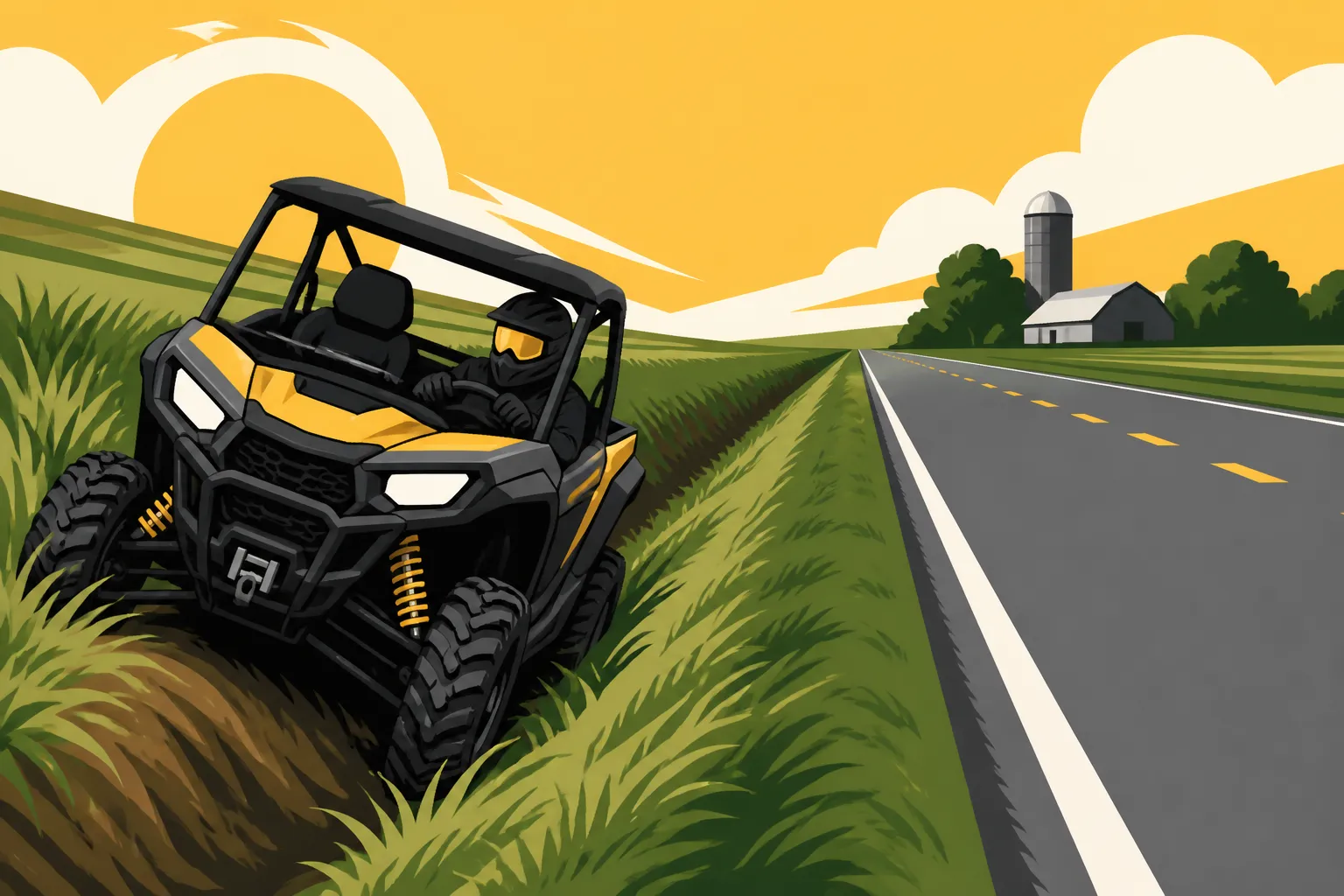
You’ve spotted them, haven’t you? Those appealing, overgrown ditches that run alongside some of Iowa's less-traveled Level B roads. They look like an open invitation, a challenging natural trail just begging for your ATV or UTV to explore. But hold your horses, because while the temptation to dive into those rugged troughs is strong, the legal reality in Iowa is far more complex than it appears. This guide will cut through the confusion, helping you understand precisely why riding a ditch beside a Level B road in Iowa is usually a bad idea, and what safe, legal alternatives exist for your off-road adventures.
Understanding Iowa's Level B Roads and Their Ditches
Let’s start by clarifying what we're even talking about here. Iowa has a vast network of roads, and not all of them are paved, perfectly graded, or even regularly maintained. This is where Level B roads come in, and understanding them is crucial before you even consider their adjacent ditches.
What Exactly is a Level B Road in Iowa?
When you hear "Level B road" in Iowa, think "minimum maintenance." These aren't your typical asphalt or even well-groomed gravel roads. Instead, Level B roads are often unpaved, sometimes just two ruts through a grassy field, designated for minimal public use. You'll typically find them in rural areas, connecting farmsteads or acting as shortcuts between more primary routes. They might be marked with a "Minimum Maintenance Road" sign, or sometimes, they’re just implicitly known by locals.
The appeal for off-road enthusiasts is undeniable. These roads are typically quiet, often muddy, rutted, and overgrown, making them feel much more like a natural trail than a public thoroughfare. It’s easy to see why a rider might look at a Level B road and think it's fair game for some serious off-roading. However, despite their rugged appearance, they are still considered public roads, and as such, they fall under Iowa’s vehicle laws, just like any other road. This is a critical distinction that many riders overlook in their enthusiasm for adventure. You might have the most robust machine, perhaps decked out with high-clearance A-arms or heavy-duty tie rods from SuperATV, ready to tackle anything, but that doesn't change the road's legal status.
The Legal Status of a Ditch as Part of the Roadway
Now, let's talk about those ditches. In a general sense, the public right-of-way for a road typically extends beyond the maintained surface, encompassing the shoulders and ditches. So, yes, in a very technical, surveyed sense, the ditch is part of the public road right-of-way. This often leads riders to believe that if they can ride the Level B road, they can surely ride its ditch too. It seems logical, right? If it’s public property, and it’s rough, why not?
However, "part of the roadway" for an ATV doesn't always translate into "legal to operate an ATV on." Iowa law differentiates between the actual travel surface of a road and the surrounding right-of-way, especially when it comes to off-highway vehicles (OHVs) like ATVs and UTVs. While you might be able to legally travel on some Level B roads, the rules for riding in the adjacent ditches are much stricter. Think of it like this: your car can travel on the road, but you can't just drive it into the ditch for fun, even if that ditch is technically within the public right-of-way. The same principle, with some specific nuances, applies to your ATV. Understanding [Iowa rules for riding a ditch] is paramount to avoiding trouble. It's a common misunderstanding that often lands well-meaning riders in a sticky situation, both literally and legally.
Iowa's Rules for Off-Road Vehicles in Road Ditches
This is where the rubber meets the (very muddy) road. Despite how tempting those ditches look, Iowa law has very specific directives for where ATVs and UTVs can and cannot operate, and road ditches are generally on the "cannot" list.
The General Prohibition Against Ditch Riding
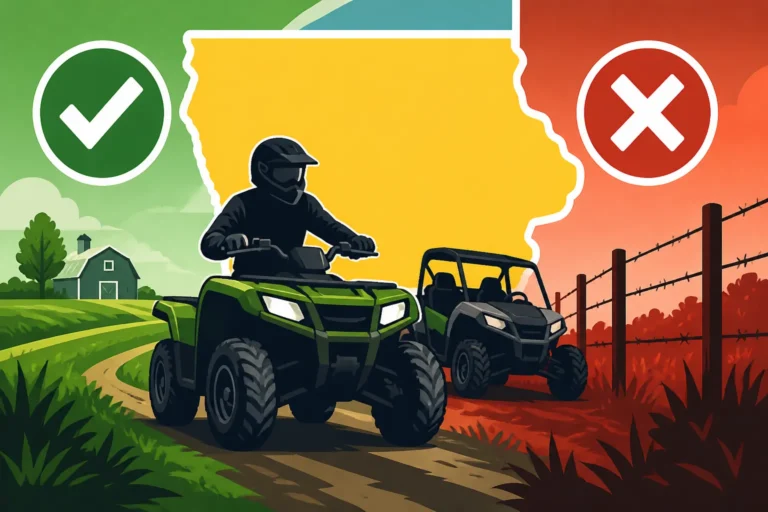
Here’s the straight truth: Iowa law generally prohibits ATVs and UTVs from operating in road ditches. This applies to most public roads, including those minimum maintenance Level B routes. While the ditch might be within the public right-of-way, it is not considered part of the designated "traveled portion" where ATVs are permitted under specific conditions. This might feel frustrating, especially when you're on a remote Level B road that sees almost no traffic and the ditch offers a perfect, challenging line. It just looks like a natural extension of your off-road experience.
The reasons behind this prohibition are multifaceted. First and foremost is safety. Ditches, even seemingly shallow ones, can hide all sorts of hazards: large rocks, old farm equipment debris, deep ruts, or sudden drop-offs that aren't visible until it's too late. They are also unpredictable in terms of stability, especially after rain, posing a rollover risk. Secondly, there's the issue of property and environmental impact. Riding in ditches can cause significant erosion, damage to vegetation, and interfere with drainage systems crucial for road integrity. Landowners whose property abuts the road often consider the ditch as part of their private boundary, even if it's legally public right-of-way, and your riding can be perceived as disrespectful or even damaging. Finally, enforcing clear boundaries helps prevent conflicts with other users and reduces the chance of accidental trespass onto private land. Even if your machine is equipped with heavy-duty protection like SuperATV skid plates or a sturdy bumper, these are designed to protect your vehicle from damage, not to grant legal permission to ride where prohibited.
Exceptions and Nuances: When a Ditch Might Be Okay (Or Not)
While the general rule is "no ditch riding," there are a few very narrow exceptions or situations where you might find yourself in a ditch legally, though not typically for recreational riding.
One significant exception is the [The Implement of Husbandry Exemption in Iowa]. If your ATV or UTV is being primarily and directly used for agricultural purposes – for example, checking fence lines, moving tools, or tending to livestock – you might be able to operate it in a ditch. However, this is an extremely tight interpretation and is not a loophole for recreational riding. The use must be genuinely agricultural and necessary for farm operations. If a conservation officer or sheriff's deputy observes you, they'll be looking for clear evidence of farm work, not just a casual joyride through the mud. This exemption exists to support farmers, not to open up public ditches as impromptu off-road trails.
Another scenario involves simply crossing a ditch to access private property. If your driveway or field access requires traversing a short section of a ditch from the road, that's generally permissible as a means of ingress or egress. This is fundamentally different from riding the length of the ditch as a recreational path. You're using the shortest, most direct route to get off the public right-of-way. It's not about enjoying the ditch itself, but rather overcoming it as a necessary obstacle to reach your destination.
Lastly, some designated OHV parks or trail systems might incorporate features that resemble ditches into their approved trail network. In these cases, you are riding on private land or public land specifically designated for OHV use, and the "ditch" is part of the marked trail. However, this is distinct from the ditches running alongside public Level B roads. Never assume a road ditch is part of an official trail unless it's clearly marked within a recognized OHV park. If you're pondering whether to tackle a particularly challenging ditch, perhaps relying on a SuperATV lift kit and aggressive tires to get through, remember that the law doesn't care how capable your machine is; it cares about where you're riding it. When in doubt, it’s always best to stay on the designated road surface or seek out sanctioned riding areas.
The Risks and Consequences of Ditch Riding
The allure of an untamed ditch might whisper promises of adventure, but the reality can be a harsh slap of fines, dangers, and strained community relations. It’s crucial to weigh the perceived fun against these very real consequences.
Legal Penalties and Enforcement
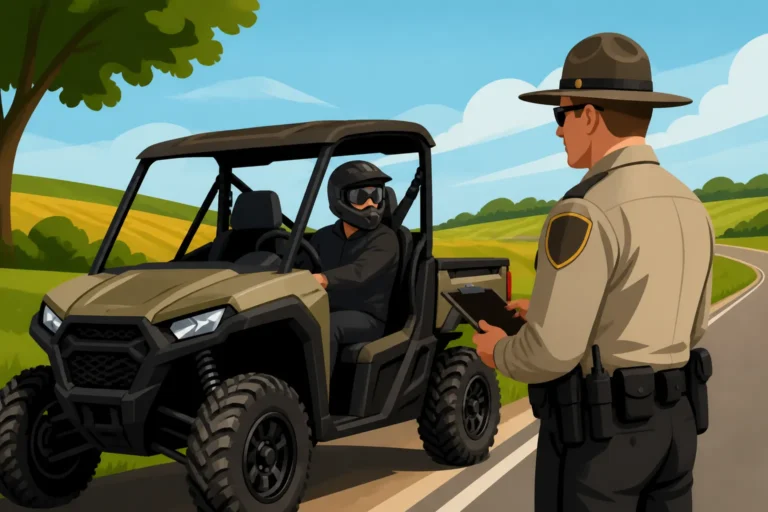
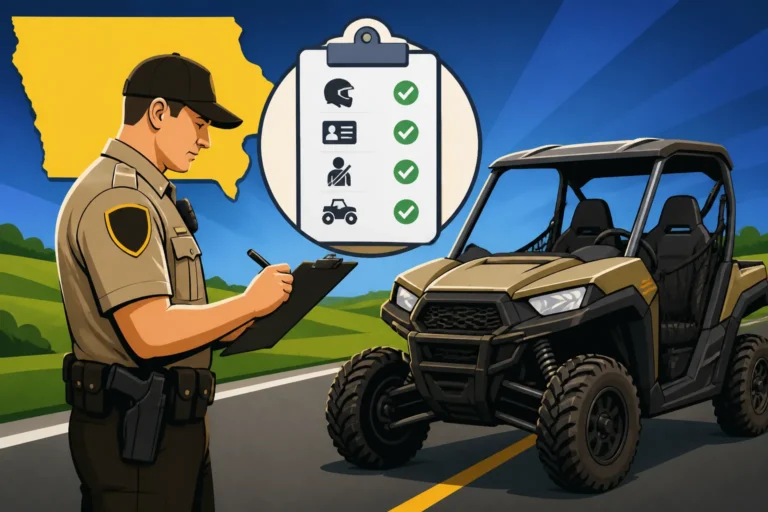
Ignoring Iowa's rules about ditch riding can quickly turn a fun outing into an expensive headache. Law enforcement—including county sheriff's deputies, state patrol, and Iowa Department of Natural Resources (DNR) conservation officers—are well aware of these regulations and do enforce them. If you're caught operating your ATV or UTV illegally in a road ditch, you could face citations and significant fines. These aren't just slaps on the wrist; they can hit your wallet hard. For instance, if your machine isn't properly registered for public road use (which often applies even if you're beside the road), you could be facing [Iowa Fines for an Unregistered ATV] on top of other violations.
Beyond the immediate financial penalty, repeated offenses or particularly egregious violations could lead to more serious repercussions, such as your machine being impounded. Imagine having to pay fines and impound fees, not to mention the hassle of retrieving your vehicle. It’s an ordeal no rider wants to experience. While your SuperATV portal gears might conquer the mud, they won't help you navigate the legal system or talk your way out of a ticket. The bottom line is that ignorance of the law is rarely accepted as an excuse. It’s your responsibility as a rider to know and follow the rules, even when they seem counterintuitive to the adventurous spirit of off-roading.
Safety Hazards and Environmental Impact
Beyond the legal risks, riding in ditches inherently carries significant safety hazards that are often underestimated. Unlike purpose-built trails, ditches are not designed for recreational vehicle use. They can harbor hidden dangers that are invisible until you're right on top of them. This might include large rocks obscured by grass, old fence posts, discarded agricultural equipment, or even dangerously sharp debris. A sudden impact with one of these unseen obstacles can lead to a severe accident, causing injury to riders and passengers, or significant damage to your expensive machine.
Visibility is another major concern. When you're down in a ditch, your machine's profile is much lower, making you less visible to any passing road traffic, even on quiet Level B roads. Should you need to quickly re-enter the road, you might not have enough time or visibility to react safely to an oncoming vehicle. Furthermore, ditches are prone to rapid erosion and can develop steep, unstable banks or sudden, deep drop-offs that can catch even experienced riders off guard, increasing the risk of rollovers. From an environmental perspective, ditch riding can cause significant soil erosion, especially on soft ground, which degrades the land and can clog drainage systems. It can also damage sensitive vegetation and disturb local wildlife habitats. The appeal of a challenging ditch is understandable, but the peace of mind that comes from knowing you’re riding legally and safely far outweighs the momentary thrill of pushing limits in an unsafe area. Even with robust SuperATV bumpers or heavy-duty suspension, these modifications mitigate damage; they don't eliminate the inherent dangers of an uncontrolled environment or prevent injury to you or your passengers.
Landowner Relations and Trespassing
Even if a ditch is technically within the public right-of-way, many adjacent landowners consider it an extension of their private property. Riding in these areas, even if you stay just within the ditch line, can lead to significant friction with farmers and other rural residents. They might worry about property damage, noise, or simply the presence of unknown individuals so close to their land. This can quickly sour local relations and make it more difficult for all riders in the area to find welcoming attitudes.
A further, often unintended, consequence is accidental trespass. The boundary between public right-of-way and private land can be subtle, especially in overgrown ditches or along rural fence lines. It's incredibly easy to inadvertently stray a few feet too far and find yourself illegally on private property. [Iowa Trespass Rules for Riders] are clear, and landowners have the right to enforce them. Getting caught trespassing can lead to fines, further legal trouble, and certainly won't endear you to the local community. Respect for private property is a cornerstone of responsible outdoor recreation, and disregarding it can have long-lasting negative effects on the riding community as a whole. A good rule of thumb is, if you don't have explicit permission, stay out.
| Feature | Level B Road Surface | Level B Road Ditch |
|---|---|---|
| Legal Status for ATV | Generally permissible under specific conditions | Generally prohibited for recreational riding |
| Maintenance Level | Minimal, unpaved, may have ruts/mud | None, natural growth, erosion, debris likely |
| Safety Hazards | Ruts, mud, occasional traffic | Hidden obstacles, erosion, poor visibility, rollovers |
| Visibility to Traffic | Visible to road users | Low visibility, hidden from road users |
| Landowner Perception | Public access, generally accepted | Often seen as private property extension, potential conflict |
| Agricultural Use | Allowed if machine is an implement of husbandry | Allowed under very strict implement of husbandry rules, not for recreation |
| Primary Purpose | Vehicle travel, access | Drainage, property demarcation |
Responsible Riding: Where to Legally and Safely Ride Your ATV in Iowa
So, if those alluring ditches are largely off-limits, where can you truly enjoy your ATV or UTV in Iowa without the constant worry of fines, accidents, or landowner disputes? The good news is, Iowa has plenty of fantastic, legal options for off-road enthusiasts.
Embracing Designated OHV Parks and Trails
The absolute best and safest places to ride your ATV or UTV in Iowa are the state's designated Off-Highway Vehicle (OHV) parks and trails. These areas are specifically designed and maintained for off-road recreation, offering a variety of terrain, challenges, and facilities. Think places like Gypsum City OHV Park near Fort Dodge, Bluff Creek OHV Park at Eddyville, or Paul Huting Recreation Area near Waterloo. These parks are developed with rider safety in mind, often featuring marked trails, staging areas, and sometimes even camping facilities.
By riding in these designated areas, you're not only staying within the bounds of the law, but you're also supporting the future of off-road riding in Iowa. Your registration fees contribute to the maintenance and expansion of these parks. You’ll find a community of like-minded riders, face diverse terrain from mud bogs to hill climbs, and can truly push your machine's capabilities – whether it’s factory stock or beefed up with a full SuperATV suspension and portal gear lift – in an appropriate and legal environment. Check out [Where to Ride an ATV in Iowa] for a comprehensive look at your options. It's a far more rewarding experience than constantly looking over your shoulder while illegally navigating a ditch.
Riding on Private Land with Permission
Another excellent option for safe and legal riding is private land – provided you have explicit permission from the landowner. Many rural properties, especially those with timber, fields, or natural ravines, offer fantastic riding opportunities that can be even more diverse and secluded than public parks. The key, however, is that "permission" part. It's not enough to assume; you must ask and ideally get it in writing.
Approaching landowners respectfully, explaining your intentions, and demonstrating a commitment to responsible riding can open up incredible opportunities. This allows you to explore unique terrains, perhaps even some that resemble the challenging ditches you might crave, but on terms that are legal and respectful. It fosters good relationships within the community and ensures you're not unknowingly trespassing. Make sure you understand [Iowa Landowner Permission Rules] before venturing onto anyone’s property. Building trust with a landowner can grant you access to acres of private trails where you can enjoy your SuperATV-equipped machine to its fullest, without the stress of legal repercussions.
Understanding Legal Road Riding in Iowa
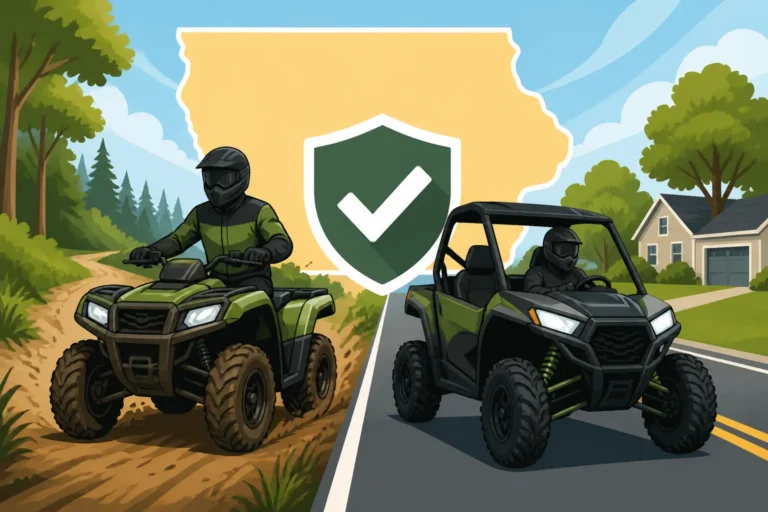
Finally, it's worth revisiting the rules for riding on actual Iowa roads, as these are the only legal way to utilize public thoroughfares with your ATV or UTV outside of designated parks. While the ditches are generally off-limits, Iowa does permit ATVs and UTVs on certain types of public roads under specific conditions. Primarily, this includes unpaved county secondary roads, often referred to as gravel roads. Some paved secondary roads may also be opened to OHV traffic if explicitly authorized by a county ordinance, though this is less common.
The critical distinction here is riding on the road surface, not in the ditch. There are strict requirements for what constitutes legal road use, including machine registration, operator age (you must be 18 and have a valid driver's license), speed limits, and lighting requirements. You'll also need liability insurance. Riding on these roads is typically for transportation purposes – to get from one point to another, often to access private land or a designated OHV park, following [Iowa's Most Direct Route Rule]. It's not generally intended for recreational cruising. Familiarize yourself with specifics like [Iowa Rules for Riding a Gravel Road], [Unpaved County Secondary Roads in Iowa], and [What Iowa Requires of an ATV on a Public Road] to ensure you're always riding legally. By sticking to these designated surfaces and understanding the nuances, you can avoid the temptations and troubles associated with ditch riding. Remember, the goal is safe and legal enjoyment, allowing you to focus on the ride itself, not potential problems.
Disclaimer
This article is for general informational purposes only and does not constitute professional advice. Laws, prices and regulations vary by location and change over time. Consult a qualified professional for guidance on your specific situation.