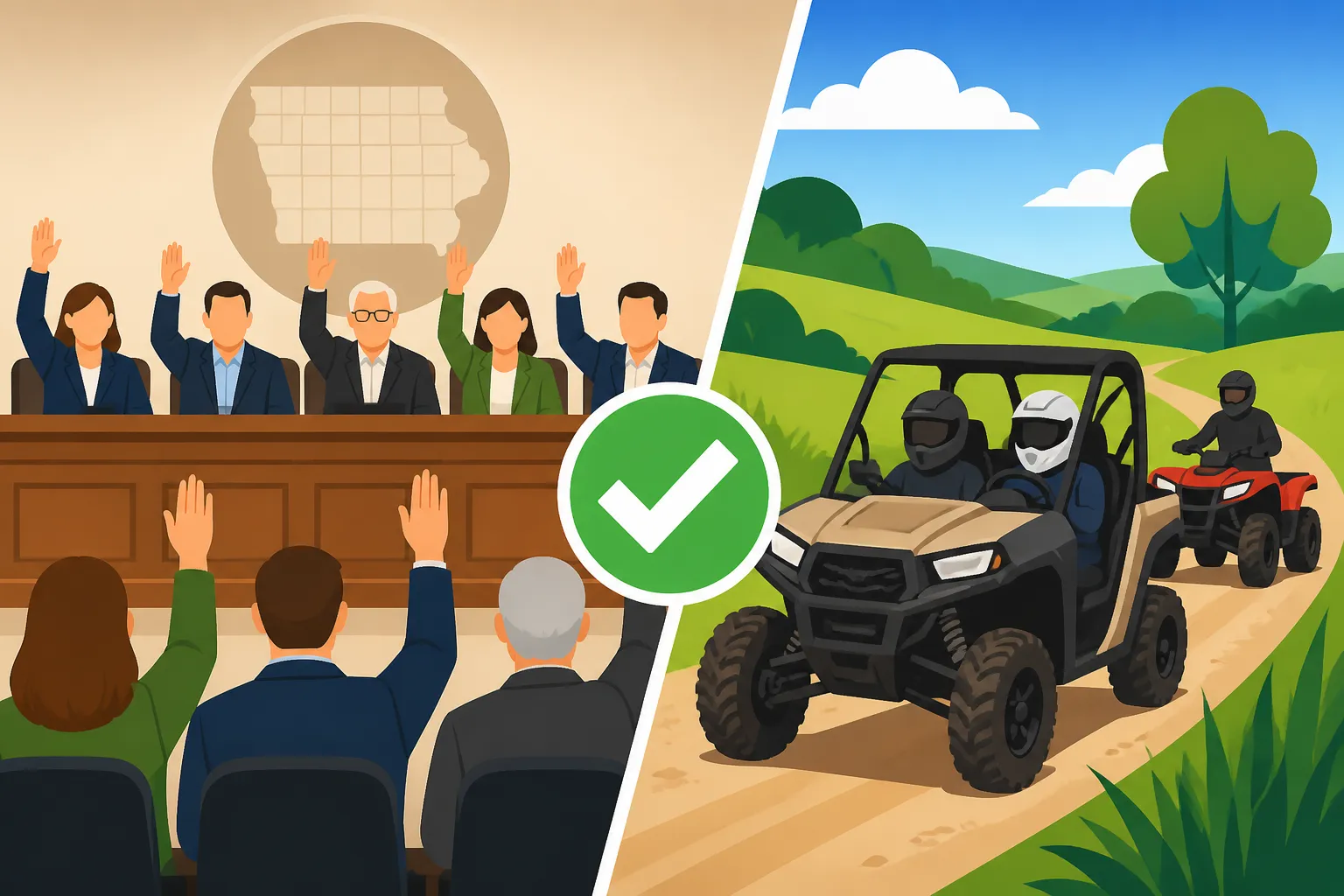
How a County Board Votes to Open Pavement
It’s a tale as old as time for ATV and UTV enthusiasts in Iowa: you love the thrill of hitting the trails, exploring the backroads, and soaking in the beauty of our state, but you often hit a wall when it comes to riding legally on paved county roads. That frustration of having to trailer your machine just a few miles, or finding yourself cut off from a perfect route because of a stretch of blacktop, is incredibly real. This guide is here to demystify exactly how those decisions get made, walking you through the intricate process a county Board of Supervisors undertakes when considering whether to open up paved secondary roads for ATV and UTV use.
The Local Control Reality: Why Counties Decide on Paved Roads
When you look at the vast network of roads crisscrossing Iowa, it’s easy to assume there’s one blanket rule for ATV and UTV access. But that's just not the case, especially when it comes to paved roads. The power to open or close these routes often rests squarely in local hands, a situation that can feel both empowering and incredibly frustrating for riders depending on where you live.
Iowa's Stance on Paved Secondary Roads: A Blanket Ban Unless Opened
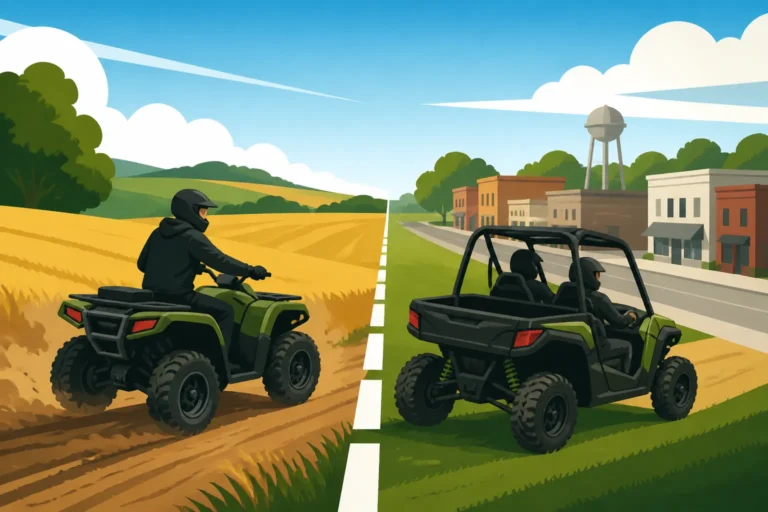
Here's the essential truth about riding ATVs and UTVs on paved county roads in Iowa: they are, by default, closed. Unlike the largely permissive stance on gravel and unpaved secondary roads, which are generally open unless specifically prohibited, paved roads operate under the opposite principle. This means that if you want to legally ride your off-highway vehicle on a paved county route, the local governing body—the County Board of Supervisors—must take specific, deliberate action to open it. It's a significant distinction that often catches new riders, and even some seasoned ones, by surprise.
Imagine you're planning a route that connects two fantastic gravel sections, but between them lies a short, paved stretch of county road. Without a specific county resolution or ordinance opening that paved segment, you can't legally cross it on your ATV or UTV. This forces many riders to either illegally ride a short distance, risking a citation, or completely re-route their trip, which often means trailering the machine to bypass the paved section. This default closure is the root cause of much of the confusion and frustration among the riding community, and it highlights why the county board's decision is so crucial. The rules for [Unpaved County Secondary Roads in Iowa] are quite different from their paved counterparts, emphasizing this need for explicit authorization.
The Role of the County Board of Supervisors
So, who are these decision-makers, and why do they hold so much sway over your riding experience? The County Board of Supervisors consists of elected officials who serve as the legislative and administrative body for their respective counties. They are responsible for a wide array of county functions, including the maintenance and regulation of county roads. When it comes to opening paved roads for ATVs and UTVs, they are the undisputed authority. It's not the Iowa Department of Natural Resources (DNR), nor is it the Iowa Department of Transportation (DOT), that makes this call for county roads. While the DNR sets statewide regulations for registration and safety, the local control over road access is very much decentralized. This is similar to why you go to a [Why a County Recorder and Not the DMV] for your ATV registration; local entities manage local affairs.
These supervisors are your neighbors, elected to represent the interests of everyone in the county. Their decisions are influenced by a myriad of factors, including public safety concerns, infrastructure impacts, input from law enforcement, local businesses, and, of course, the voices of the riding community. Understanding that these individuals are directly accountable to the voters can be a powerful tool for riders seeking to expand access. Engaging with them, sharing your perspective, and demonstrating responsible riding practices are all vital steps in encouraging them to consider opening more paved routes.
The Process: How a Resolution Comes to Be
Getting a paved county road opened for ATV or UTV use isn't a simple snap of the fingers. It involves a structured, often lengthy process that demands public engagement, careful consideration, and a formal legislative action by the County Board of Supervisors. It's about building a case, addressing concerns, and ultimately securing a majority vote.
Public Interest and Rider Advocacy
The journey to open a paved road usually begins with you, the rider, and your local riding community. Supervisors aren't typically out there scouring for ways to open new roads for ATVs and UTVs unless there's a clear demonstration of public interest. This is where rider advocacy truly shines. Local ATV/UTV clubs, individual enthusiasts, and even businesses that cater to riders—perhaps a local dealer selling machines or a shop stocking premium parts and accessories from brands like SuperATV—often spearhead these initiatives.
Starting with petitions, sending letters, emails, or making phone calls to supervisors are all important first steps. Showing up at board meetings, even if just to listen and introduce yourselves, begins to put a face to the issue. Supervisors need to see that there's a significant and organized demand for this kind of access. Personal stories about how opening these roads would benefit local tourism, provide safer alternatives to riding ditches, or simply enhance the recreational experience for families can be very impactful. The more organized and respectful the advocacy, the more seriously the board will consider the proposal.
Research, Public Hearings, and Data Gathering
Once the public interest is evident, the County Board of Supervisors doesn't just immediately vote. They enter a phase of due diligence, which is critical for making an informed decision that balances various community interests. This often involves several key steps:
- Traffic Studies and Safety Assessments: The board will likely consult with the county engineer's office and local law enforcement (the Sheriff's Department) to evaluate the proposed roads. They'll look at traffic volume, speed limits, sight lines, and accident history to identify potential safety concerns. Are there schools or residential areas nearby? How would increased ATV/UTV traffic impact road wear and tear?
- Public Hearings: This is a crucial step where the board formally invites community input. These hearings are your opportunity to present your arguments, share data, and address concerns directly. It’s not just about passionate pleas; it’s about providing constructive input. Riders might share information on safety courses they’ve taken, demonstrate that their machines meet legal requirements (like having proper lighting or mirrors, perhaps from a high-quality accessory manufacturer like SuperATV), and offer solutions to potential problems. Conversely, residents who oppose the measure will also voice their concerns, often citing noise, dust, or safety worries. Hearing both sides helps the board understand the full scope of the issue.
- Reviewing Other Counties' Successes: Supervisors often look to what their neighbors are doing. If a nearby county has successfully implemented an ordinance to open paved roads, that can serve as a valuable precedent. Researching [Iowa Counties That Allow ATVs on Paved Roads] can provide valuable insights and examples to present to your own board.
The data gathered during this phase helps the board weigh the pros and cons, ensuring they make a decision that is in the best interest of the entire county, not just one segment of the population.
Drafting and Voting on the Ordinance or Resolution
If the research and public input phases indicate that opening certain paved roads is feasible and desirable, the next step is the formal legislative process. The county attorney’s office will typically draft an ordinance or resolution. This document is the legal framework that defines exactly which roads are opened and under what conditions.
The ordinance will specify critical details, such as:
- Designated Roads: It will list the exact paved secondary roads, or portions thereof, where ATVs and UTVs are permitted. It’s rare for an entire county’s paved road system to be opened.
- Operating Hours: Restrictions on when machines can be operated (e.g., sunrise to sunset, or specific hours).
- Speed Limits: Often, a specific speed limit, such as [Iowa's 35 mph Cap], is imposed for off-highway vehicles on these paved roads.
- Safety Requirements: Details on required equipment like headlights, taillights, mirrors, and proof of insurance. This reflects [What Iowa Requires of an ATV on a Public Road] more broadly.
- Age Restrictions: Minimum age for operators, typically aligning with state driver’s license requirements.
- Enforcement: How the local sheriff’s department will manage and enforce the new rules.
Once drafted, the proposed ordinance or resolution goes before the County Board of Supervisors for a vote. Like any legislative action, it typically requires a majority vote to pass. This vote is the culmination of all the previous steps—advocacy, research, and public debate. A successful vote means a new chapter for riders in that county, while a failed vote means back to the drawing board for advocates.
What an Approved Ordinance Means for Riders
When a County Board of Supervisors successfully passes an ordinance to open paved secondary roads, it's a huge victory for the local riding community. However, it's crucial to understand that "opened" doesn't necessarily mean "anything goes." These ordinances come with specific rules and conditions that riders absolutely must adhere to.
Specificity of Open Roads and Conditions
The first thing to remember is that the ordinance will be highly specific. It won't typically open all paved county roads. Instead, it will designate particular routes, often connector roads between popular gravel sections or routes leading to trailheads. Riders must study these maps and understand exactly where they are permitted to ride. Ignorance of the specific routes is not an excuse for illegal riding.
Beyond the specific roads, the ordinance will also detail the conditions under which you can operate your ATV or UTV. These often include:
- Speed Limits: As mentioned, a common stipulation is a maximum speed, usually [Iowa's 35 mph Cap], which is significantly lower than typical car speed limits. This is a critical safety measure.
- Insurance Requirements: Proof of liability insurance is almost always mandated. This ensures that in the event of an accident, there's coverage for damages or injuries. You'll need to meet at least the state minimums, as detailed in [Iowa ATV Insurance Requirement].
- Lighting and Equipment: Your machine must be equipped with proper headlights, taillights, brake lights, and turn signals, all functional. Mirrors are also typically required. Many riders add aftermarket components, perhaps from SuperATV, to ensure their machines are fully compliant with [Iowa Lighting Requirements for ATVs] and other equipment demands.
- Operator Age and Licensing: There will be a minimum age requirement, often 18, and typically a valid driver's license is necessary. This aligns with [Iowa Minimum Age to Ride a Road] for public roads.
- Hours of Operation: Most ordinances restrict ATV/UTV use to daylight hours, such as sunrise to sunset, to enhance visibility and reduce noise concerns during nighttime hours.
Adhering to these conditions is paramount. The privilege of riding on these roads can be revoked if riders fail to follow the rules, impacting everyone in the community.
Enforcement and Ongoing Review
Once an ordinance is in place, enforcement falls to the local law enforcement agencies, primarily the County Sheriff's Department. Deputies will be tasked with monitoring these roads, ensuring riders are compliant with the new rules, and issuing citations for violations. Just like with any other vehicle on the road, if you're caught breaking the rules—such as riding on a closed paved road, exceeding the speed limit, or lacking proper insurance—you could face significant penalties. Understanding [Iowa Fines for Illegal ATV Road Use] is critical to avoiding trouble.
Furthermore, these ordinances are not set in stone forever. County Boards of Supervisors typically retain the right to review, amend, or even repeal ordinances if problems arise. This means that if there's a surge in accidents, numerous complaints from residents, or widespread non-compliance by riders, the board could vote to restrict access again. This potential for ongoing review underscores the importance of responsible riding. Every rider's actions reflect on the entire community, making collective adherence to the rules absolutely vital for maintaining and potentially expanding road access in the future.
The Challenges and Rider Responsibilities
Gaining the privilege to ride ATVs and UTVs on paved county roads in Iowa is a hard-won battle, and it doesn't come without its challenges. Both before and after an ordinance is passed, there are significant hurdles to clear and ongoing responsibilities that riders must embrace to ensure this access is sustained and potentially expanded.
Overcoming Opposition and Addressing Concerns
One of the biggest challenges in getting a paved road opened is overcoming opposition from other community members. Concerns are often legitimate and revolve around issues like increased noise, potential for property damage, environmental impact, and, most frequently, safety. Residents worry about faster-moving vehicles sharing the road with ATVs and UTVs, especially if they are not seen as "road-worthy" by traditional standards.
Riders can proactively address these concerns in several ways:
- Promote Safety Education: Highlighting the importance of rider safety courses and promoting the acquisition of an [Iowa ATV Safety Certificate Requirements] can demonstrate a commitment to safe operation. Many riders are highly trained and experienced, and showcasing this can alleviate fears.
- Emphasize Responsible Machine Maintenance: Using well-maintained machines with quieter exhaust systems and proper lighting can reduce noise complaints and enhance visibility. Many riders invest in high-quality aftermarket parts, perhaps from SuperATV, to ensure their machines are not only robust for trail riding but also well-equipped and less intrusive for road use.
- Provide Solutions, Not Just Demands: Instead of just asking for open roads, offer solutions. Suggest specific routes that minimize impact on residential areas, propose strict enforcement measures, or volunteer for local clean-up efforts to show community commitment.
- Highlight Economic Benefits: Point out how opening roads can boost local businesses, from gas stations and restaurants to repair shops, by attracting more recreational users to the area.
Engaging respectfully with those who have concerns, listening to their points, and offering constructive solutions can go a long way in building consensus and trust within the community.
The Continuous Need for Responsible Riding
Once paved roads are opened, the battle isn't over—it's just entered a new phase. The ongoing actions of every rider will directly influence whether this privilege is maintained or even expanded. The continuous need for responsible riding cannot be overstated.
This means:
- Staying on Designated Routes: It sounds simple, but it’s absolutely critical. Deviating from the specific roads outlined in the ordinance, especially riding on private property without permission, can quickly lead to public outcry and a reconsideration of the rules.
- Obeying All Traffic Laws: This includes speed limits, stop signs, yielding to other vehicles, and using turn signals. Riding an ATV or UTV on a paved road means you are now sharing that space with cars, trucks, and even farm equipment. You must behave like any other legal vehicle operator.
- Respecting Private Property: Never trespass. This is non-negotiable and one of the quickest ways to erode public support for ATV/UTV access.
- Minimizing Environmental Impact: While more applicable to off-road trails, even on roads, being mindful of dust, litter, and noise is important.
- Being an Ambassador: Every time you ride on an open paved road, you are an ambassador for the entire ATV/UTV community. Your behavior reflects on everyone. A single irresponsible act can have far-reaching negative consequences.
The collective actions of riders hold immense power. If the community demonstrates consistent, responsible behavior, it builds trust with local officials and residents, making it easier to maintain existing access and perhaps even open additional routes in the future. For more general information on road use, you might find [Are ATVs Street Legal in Iowa?] helpful, as well as the specific regulations for different road types, such as [Iowa Rules for Riding a Gravel Road].
Here's a quick overview of road access rules for ATVs and UTVs in Iowa:
| Road Type | Default Status (without county action) | Authority to Open / Permit Access | Common Conditions (if opened) |
|---|---|---|---|
| Gravel/Unpaved County Secondary Roads | Generally OPEN | County Board of Supervisors | Most open by default, but counties can prohibit. Rules for age, insurance, equipment apply. |
| Paved County Secondary Roads | Generally CLOSED | County Board of Supervisors (via ordinance/resolution) | Explicit county action needed. Often includes specific routes, speed limits, operating hours, insurance, and equipment mandates. |
| Paved Primary Highways (State) | CLOSED | State (DOT) – Generally not permitted | Extremely limited, mostly for crossing at intersections. |
| City Streets | Generally CLOSED | City Council (via ordinance) | Explicit city action needed. Highly varied by municipality. |
Disclaimer
This article is for general informational purposes only and does not constitute professional advice. Laws, prices and regulations vary by location and change over time. Consult a qualified professional for guidance on your specific situation.