How a City Council Votes to Open Streets
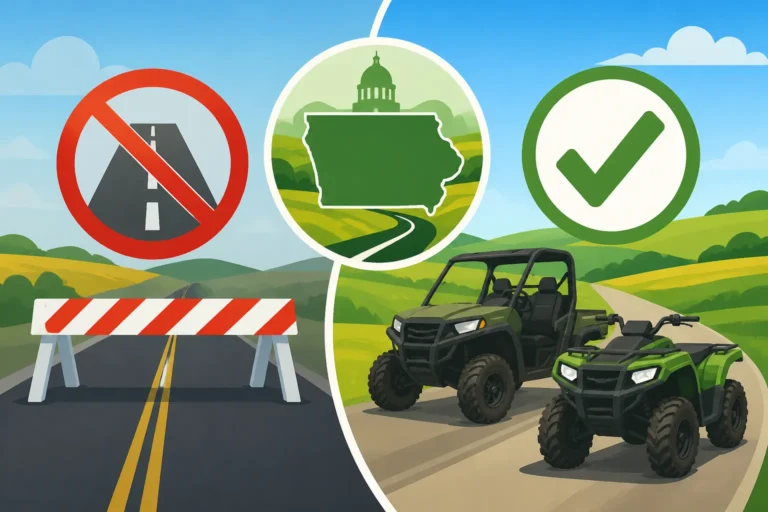
It can be incredibly frustrating when you want to take your ATV or UTV just a few blocks into town for a quick bite or some gas, only to be met with confusing, or seemingly absent, rules about where you can and can't ride. Many Iowa cities have strict ordinances that keep off-highway vehicles off their streets, while others have started to open their doors. This guide will walk you through the often-complex process of how a city council decides to open its streets to ATVs and UTVs, giving you insight into the discussions and decisions that shape your local riding landscape.
Understanding the Local Control Landscape for ATVs and UTVs
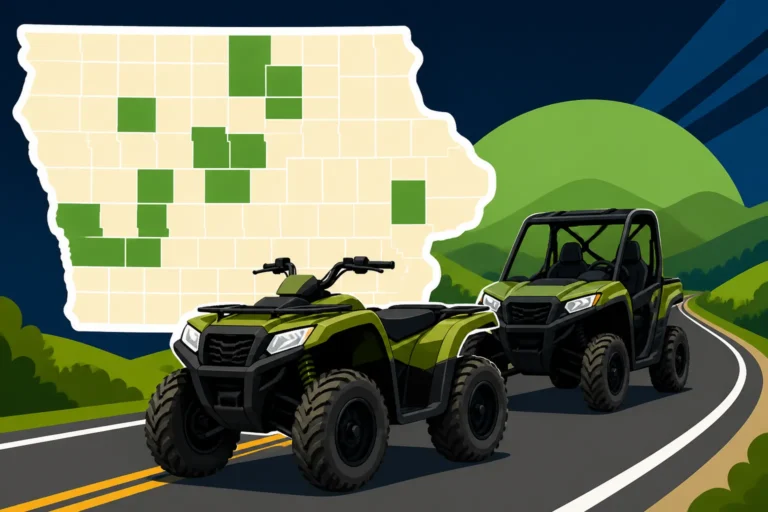
When it comes to riding your ATV or UTV, Iowa has a bit of a patchwork system. While the state provides a framework for things like registration and use on county secondary roads, it largely leaves the decision about city streets up to the individual municipalities. This local control can make things incredibly confusing for riders, as what's perfectly legal in one town might get you a ticket just a few miles down the road. It's not a one-size-fits-all situation, and understanding this local authority is the first step in comprehending why your town might be different from your neighbor's.
Why Cities, Not the State, Make These Decisions
You might assume that if the state of Iowa allows ATVs on certain roads, it would apply across the board. However, cities operate under their own municipal codes and have considerable authority over the roads within their corporate limits. This means that even if you can ride your ATV on a gravel county road right up to the city limits, crossing that invisible line might immediately put you in violation of a local ordinance. The state provides guidelines and general laws for off-highway vehicles (OHVs), but individual cities retain the power to permit or prohibit OHV use on their own streets and alleys. This distinct separation of powers between state and local government is precisely why you'll see such varied rules from town to town. What might be allowed on county gravel roads doesn't automatically translate to city pavement. For more on specific urban rules, you might want to read [Iowa Rules for Riding a City Alley].
The Role of the City Council
At the heart of any decision about opening city streets to ATVs and UTVs is the city council. This elected body serves as the legislative arm of the municipality, making decisions that affect everything from property taxes to park regulations, and yes, even where your off-highway vehicle can legally travel. Council members are your local representatives, and their votes shape the ordinances that govern daily life in your city. They are the ones who listen to public input, deliberate on proposals, and ultimately cast the votes that determine whether a stretch of Main Street becomes accessible to your side-by-side. Their role is pivotal; without their approval, no city street can officially be opened to ATV or UTV traffic. Understanding the dynamics of your local council and their priorities is key to influencing these decisions. The broader framework for how these decisions are made is explained in [City Streets and Iowa Council Authorization].
The Process: From Idea to Ordinance
Opening city streets to ATVs and UTVs isn't typically a spur-of-the-moment decision. It involves a structured, often lengthy, process that requires community engagement, careful consideration, and formal legislative action by the city council. It starts with an idea, perhaps from a rider, a business, or even a council member, and moves through various stages before it can become a binding city ordinance. This is where your voice, and the voices of your neighbors, truly matter.
Initiating the Discussion: How It Starts
The journey to opening city streets for OHVs can begin in several ways, often reflecting the unique needs and desires of a community. Sometimes, it's a grassroots effort by passionate local residents or riding clubs who see the potential benefits of allowing ATV/UTV access. These groups might gather signatures for a petition, attend every council meeting, and prepare compelling presentations detailing the economic and recreational advantages. This type of citizen advocacy is incredibly powerful, as it demonstrates community interest and engagement.
Other times, the initiative might come from within the city council itself. A forward-thinking council member might recognize that neighboring communities are benefiting from open-street policies, or they might simply have heard enough informal feedback from constituents to warrant a formal discussion. They might propose the idea during a council workshop or committee meeting, signaling that the topic is ripe for consideration.
Finally, local businesses can play a significant role. Merchants, especially those in smaller towns reliant on tourism, might advocate for opening streets to attract ATV/UTV riders, knowing that these visitors will stop for gas, grab a meal, or shop at local stores. They understand the economic boost that a steady stream of riders, perhaps equipped with accessories from brands like SuperATV, can bring to their bottom line. Regardless of how it begins, the initial spark is crucial for getting the conversation on the council's agenda.
Public Hearings and Community Input
Once the idea gains traction, the city council will typically schedule one or more public hearings. This is a critical stage where the entire community gets a chance to voice their opinions, concerns, and support regarding the proposed changes. These hearings are often lively, with passionate arguments presented from all sides. Proponents might highlight increased tourism and local spending, emphasizing how riders contribute to the local economy. Opponents might raise concerns about noise pollution, safety risks to pedestrians and other vehicles, or the potential for irresponsible riding behavior.
For riders hoping to see streets open, showing up to these hearings prepared is paramount. Bringing well-researched points, offering solutions to potential problems, and demonstrating a commitment to responsible riding can significantly sway council members. Conversely, a strong showing of opposition can easily halt a proposal in its tracks. The council’s job is to weigh all this input against the potential benefits and drawbacks, seeking a balance that serves the best interests of the community as a whole. Your presence and respectful input during these sessions are vital for shaping the outcome.
Drafting and Voting on the Ordinance
If the city council decides to move forward after considering public input, the next step is to draft a formal ordinance. This isn't just a simple statement; it's a legally binding document that outlines precisely where, when, and how ATVs and UTVs will be allowed to operate on city streets. The ordinance will typically specify permitted routes (often not every street), speed limits, hours of operation, age restrictions for operators, and mandatory equipment requirements such as headlights, taillights, mirrors, and proof of insurance. The city attorney or a designated municipal staff member will typically draft this document, ensuring it complies with state law and is enforceable.
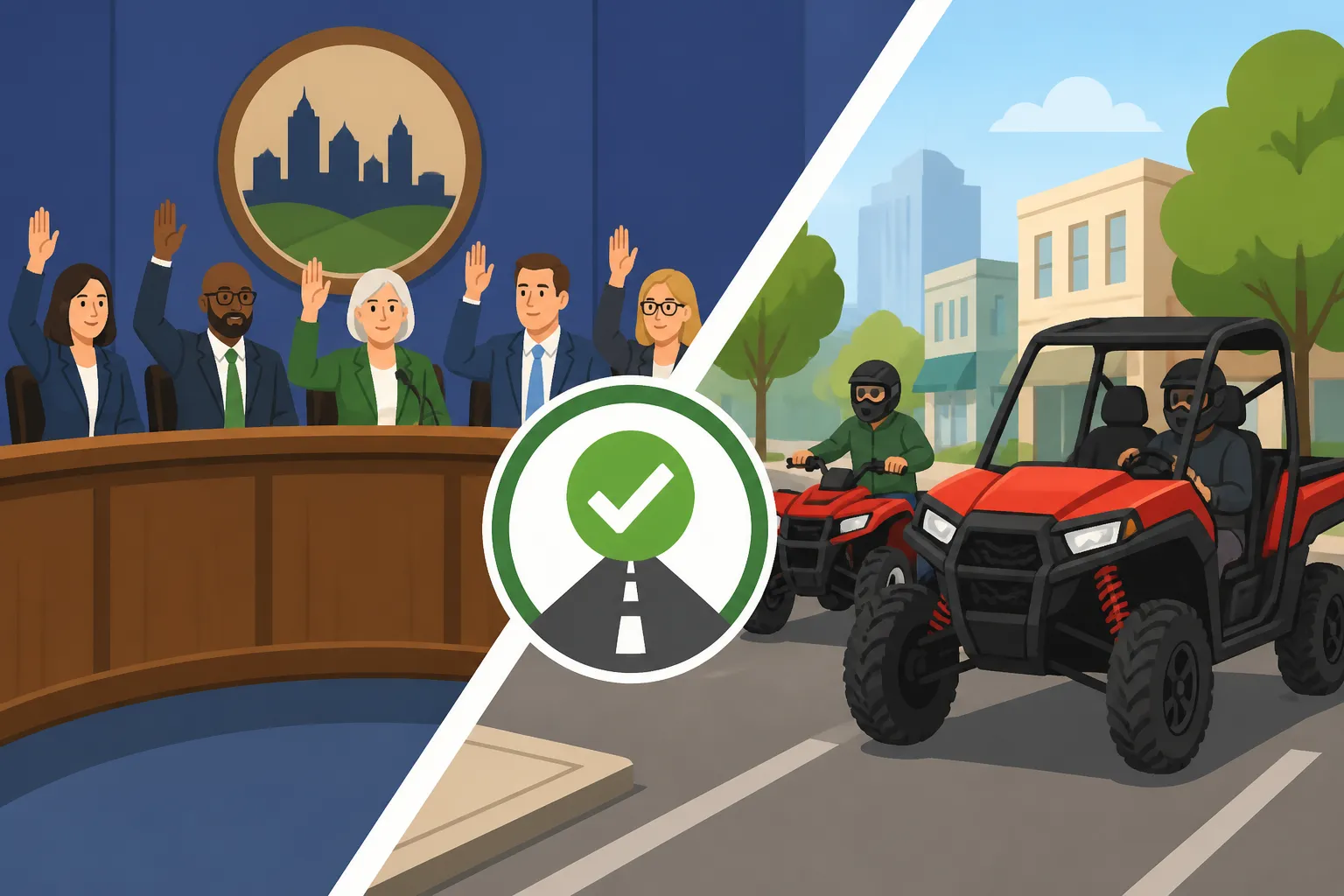
Once drafted, the proposed ordinance usually goes through several readings and votes by the city council. It's rarely a one-and-done deal. There might be amendments proposed, further discussions, and often a final vote where the council members formally approve or reject the ordinance. A supermajority might be required in some instances, but usually, a simple majority vote is enough. If passed, the ordinance becomes law, and riding rules are officially changed. This multi-step legislative dance is exactly [How a City Council Votes to Open Streets].
What Councils Consider Before Opening Streets
City councils don't make these decisions lightly. They are responsible for the well-being and orderly function of their community, and introducing ATVs and UTVs to city streets brings a unique set of considerations. They must balance the desires of riders and potential economic benefits against legitimate concerns from other residents and the practicalities of enforcement. It's a complex equation with many variables.
Safety Concerns and Public Perception
One of the foremost considerations for any city council is public safety. Introducing off-highway vehicles, which are often heavier, wider, and have different handling characteristics than traditional cars, raises legitimate questions about how they will interact with existing traffic, pedestrians, and cyclists. Concerns about potential accidents, especially at intersections or in high-traffic areas, are always at the forefront. Council members will often hear from residents worried about children playing near streets or elderly pedestrians feeling less safe.
Beyond direct safety, there are also concerns about noise. The sound of an ATV or UTV, particularly those with aftermarket exhausts, can be a nuisance to residents, especially in quiet neighborhoods or during early morning or late-night hours. Public perception also plays a huge role; if a significant portion of the community views ATVs and UTVs as noisy, reckless, or primarily recreational vehicles that don't belong on public roads, it can create strong opposition. Councils must weigh these aesthetic and quality-of-life concerns against the desire for increased access.
Economic Impact and Tourism Potential
On the other side of the ledger, city councils often look closely at the potential economic benefits that opening streets to ATVs and UTVs could bring. Many small towns in Iowa rely heavily on tourism, and becoming an "OHV-friendly" community can draw riders from across the state and beyond. These visitors often spend money at local gas stations, convenience stores, restaurants, and other businesses. Imagine a group of riders pulling into town after a long day on the trails, looking for a place to eat and refuel; that's a direct economic injection.
For communities located near popular trail systems or even just a network of county gravel roads, providing a legal way for riders to access essential services can be a game-changer. Local businesses, eager to attract this new customer base, might even adapt their offerings or create special promotions for riders. Products from brands like SuperATV, known for their robust accessories and replacement parts, are often critical for riders who put a lot of miles on their machines, highlighting the ongoing economic activity that these vehicles generate. Councils recognize that increasing traffic, particularly from out-of-town visitors, can be a vital component of local economic development, especially in areas where traditional industries might be shrinking.
Infrastructure and Enforcement
Beyond safety and economics, practical considerations about infrastructure and enforcement are major factors. Cities need to consider if their existing road network is suitable for ATV and UTV traffic. Are there narrow streets, blind corners, or sections of road that would become particularly hazardous with the addition of these vehicles? While ATVs and UTVs are designed for various terrains, their width and turning radius need to be considered in an urban setting.
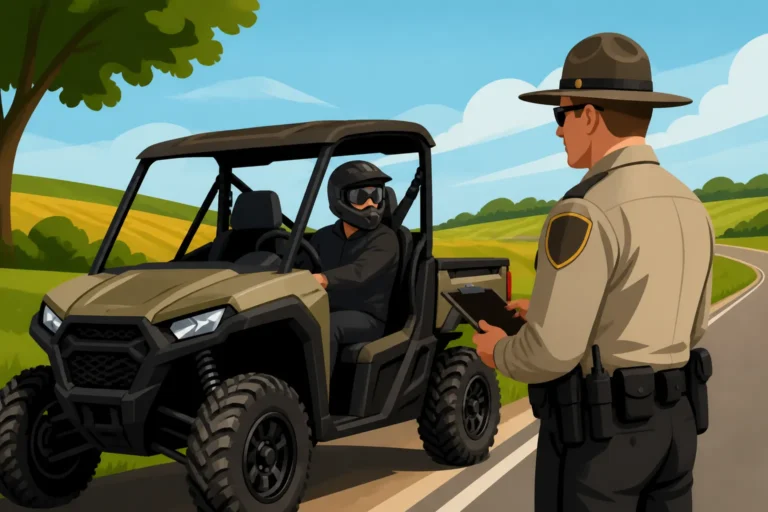
Perhaps even more critically, councils must assess whether local law enforcement has the resources and capacity to enforce any new ordinances effectively. Small police departments or county sheriff's offices might struggle with the additional burden of monitoring speed limits, ensuring riders have proper equipment, checking for insurance, and generally overseeing compliance. There's also the cost of new signage to clearly mark approved routes and alert other motorists. If a city can't reasonably enforce the rules, opening streets could lead to chaos and negate any potential benefits. A city needs to be confident that its police or sheriff's deputies can manage the new rules, much like they manage general road rules covered in [What an Iowa Deputy Checks Roadside].
Navigating the New Rules: Riding in an Open City
So, your city council has voted to open some streets to ATVs and UTVs – fantastic! But don't just jump on your machine and hit the pavement. "Open" doesn't mean "anything goes." These new freedoms come with very specific responsibilities and a unique set of rules that you absolutely must understand and follow. Each city's ordinance will be tailored to its local conditions, so what's okay in one town might still get you a ticket in another.
Understanding City-Specific Regulations
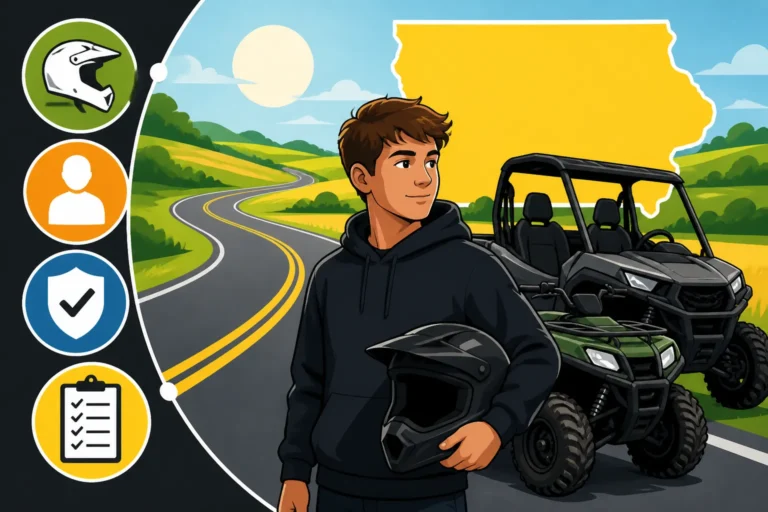
The most important thing to grasp about riding in a city with open streets is that you are no longer just riding on a trail or a county gravel road. You are now operating within a highly regulated urban environment, and the city's ordinance will dictate your every move. These regulations can vary significantly, so it’s crucial to get a copy of the specific ordinance from your city clerk or website. Typical restrictions you might encounter include:
- Designated Routes: Often, not all city streets will be open. The ordinance will specify particular roads or alleys that are permissible for OHV use. Veering off these routes can result in a citation.
- Speed Limits: While Iowa has a 35 mph cap for ATVs on secondary roads, cities may impose even lower speed limits on their streets, especially in residential or downtown areas.
- Hours of Operation: Many cities have curfews, prohibiting ATV/UTV use during late-night or early morning hours to mitigate noise concerns. For example, [Waukon's Midnight to Five Ban] is a common type of restriction.
- Age Limits: While state law sets minimum ages for certain types of riding, cities may impose stricter age requirements for operators on their streets.
- Required Equipment: Beyond state requirements for riding on roads (headlights, taillights, horn, mirror, insurance), cities might add their own requirements, such as turn signals or specific reflective gear. Ensuring your machine is up to snuff often means adding aftermarket accessories. Brands like SuperATV offer a wide range of road-legal kits, including mirrors, signal lights, and street-compliant tires, that can help you meet these municipal demands. You'll need to know [Iowa Lighting Requirements for ATVs], [Iowa Mirror Requirement for Road Use], and [Iowa Horn Requirement for Road Use] at minimum.
Failure to adhere to these city-specific rules can lead to fines, impoundment of your vehicle, and potentially the revocation of the privilege for everyone in the future.
Being a Responsible Rider in Town
With the privilege of riding your ATV or UTV on city streets comes a significant responsibility. Every time you ride through town, you are representing the entire OHV community. Your actions, good or bad, will influence public opinion and could ultimately determine whether your city continues to allow OHV access, or if other cities decide to open their streets in the future.
This means strictly adhering to every aspect of the local ordinance. Drive respectfully, keep your speed down, and be especially courteous to pedestrians, cyclists, and other motorists. Avoid unnecessary noise, like revving your engine, and always be mindful of private property – stay on the designated streets and don't take shortcuts through yards or unapproved areas. Show that ATVs and UTVs can safely and responsibly integrate into city traffic.
Setting a positive example is crucial. If riders continuously violate rules, cause disturbances, or act irresponsibly, it provides ammunition for those who oppose OHV access and can quickly lead a city council to reconsider and potentially revoke the privilege. Your behavior directly impacts the future of urban ATV/UTV riding in Iowa. Being a good ambassador for the sport ensures that these hard-won freedoms can be enjoyed for years to come. Remember, the goal is to make riding in town a seamless and positive experience for everyone, not just for you.
Iowa ATV & UTV City Road Regulations
| Feature | General Iowa State Secondary Road Rule | Typical City Ordinance Example (Varies Greatly) |
|---|---|---|
| Minimum Age | 18+ (with valid driver's license) | Often 18+ (with valid driver's license) |
| Speed Limit | Max 35 mph | Often 25 mph or posted city limit, whichever is lower |
| Routes | Unpaved secondary roads; some paved by county ordinance | Specifically designated streets and alleys only |
| Hours | Sunrise to Sunset | Often restricted, e.g., 5 AM to 11 PM |
| Required Equipment | Headlight, taillight, horn, rearview mirror, SMV triangle, insurance (20/40/15) | All state requirements, plus sometimes turn signals, brake lights |
| Insurance | Mandatory (20/40/15 minimums) | Mandatory (usually state minimums) |
| Helmet | Not required | Not required (unless local variance) |
| Registration | Required (Iowa DNR Decal) | Required |
Note: This table provides general information. Always consult your specific city's ordinance for exact rules.
Disclaimer
This article is for general informational purposes only and does not constitute professional advice. Laws, prices and regulations vary by location and change over time. Consult a qualified professional for guidance on your specific situation.