When a Decal Number Fades on the Fender
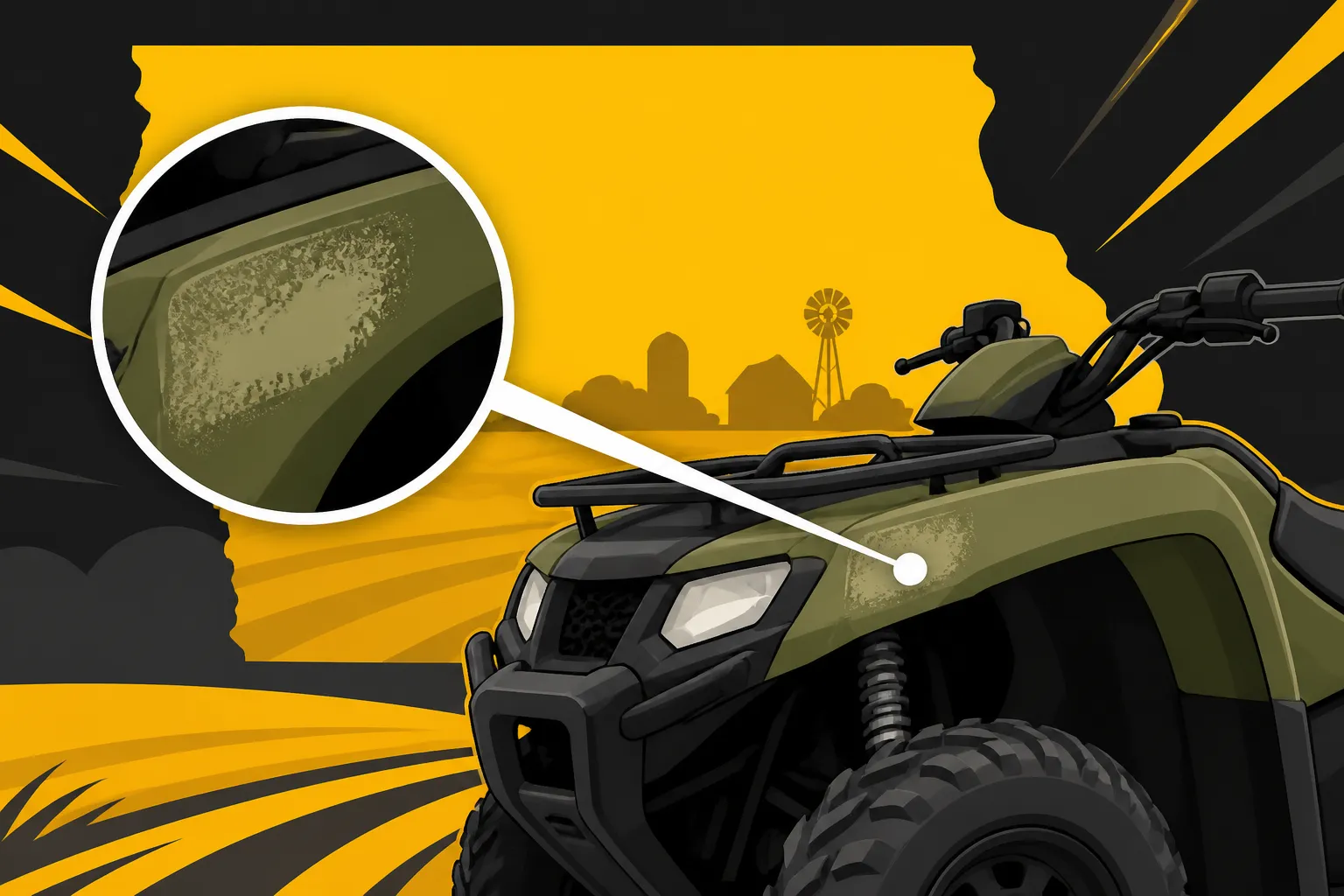
There's nothing quite like the feeling of heading out on your ATV or UTV, ready to hit the trails or get some work done on the farm. But imagine pulling up to a trail entrance or perhaps getting a friendly wave from a county deputy, only to realize that the vibrant numbers on your registration decal, once so clear, have become a ghost of their former selves, faded and peeling on your fender. It's a common, frustrating snag many Iowa riders face, and it can leave you wondering if you're even legally compliant. This guide is here to walk you through exactly what to do when your Iowa ATV or UTV decal starts to lose its luster, how to get a replacement, and what steps you can take to protect your new one.
The Frustration of a Faded Decal: Why It Matters
It might seem like a small thing, a bit of faded color on a sticker, but that small decal on your ATV or UTV fender is actually a really important piece of identification. It's proof that your machine is properly registered with the state of Iowa and that you've paid your dues to support the trail systems and off-highway vehicle programs we all enjoy. When those numbers become unreadable, it essentially renders your proof of registration invisible, which can lead to a heap of unnecessary headaches and potential fines.
Think about it: law enforcement officers, park rangers, and even fellow riders rely on those decals to quickly identify registered machines. If they can't make out the unique numbers, it raises questions, even if you're totally in the clear otherwise. It's a validation point that you're operating responsibly and legally, and when it fades, that validation fades with it. It’s not just about avoiding a ticket; it's about making sure your machine is properly identified should it ever be stolen, involved in an accident, or simply needing verification for entry to an OHV park.
The Legal Ramifications of an Unreadable Decal
Let's be blunt: a faded decal can be just as problematic as having no decal at all in the eyes of the law. Iowa Code requires that your ATV or UTV be registered and that the registration decal be "affixed to the rear fender of the machine, or in the case of a dirt bike, to the side of the machine, in a conspicuous manner." If the numbers are so faded that they're illegible, then the decal isn't really serving its purpose of being "conspicuous."
Imagine you're out enjoying a ride at Gypsum City OHV Park or even just cruising a gravel road, and a county deputy pulls you over for a routine check. If they can't read your decal number, they have no way to verify your registration on the spot. This could lead to them running your VIN, which takes more time, or even worse, issuing you a citation for an unregistered machine or a non-compliant decal. The frustration of trying to explain that you are registered, it's just that the sun ate your numbers, is a real pain. An officer might issue a warning, but they are well within their rights to ticket you, and that's a hassle nobody wants.
Why Decals Fade: Understanding the Elements
It's not usually a manufacturing defect; it's just life in the great outdoors. Your ATV or UTV decal lives a tough life on the fender. It's constantly exposed to the harsh Iowa elements, from the blazing summer sun that bakes UV rays into it, to the freezing winter winds, rain, mud, and everything in between. Sunlight is a major culprit, breaking down the pigments in the ink over time, making them appear washed out and unreadable.
Beyond the sun, there's the mud and dirt that gets caked on, requiring vigorous cleaning. The chemicals in some cleaning solutions, especially harsh degreasers or pressure washing directly on the decal, can also accelerate the fading and peeling process. Then there's the natural vibration of riding, branches scraping against it, and even simply carrying gear that rubs against the decal. All these factors contribute to the inevitable degradation of the decal over time. It's a testament to how hard our machines work that even a simple sticker can't escape the wear and tear.
The Impact on Your Riding Experience
Beyond the legal worries, a faded decal can subtly impact your overall riding experience. Picture this: you've planned a weekend trip to Bluff Creek OHV Park with some buddies. You get there, excited to hit the trails, and as you're unloading, someone points out that your decal is barely visible. Now, instead of focusing on the adventure, you're wondering if you'll have trouble with the park staff or if a conservation officer might give you grief. That little seed of doubt can really put a damper on your fun.
It can also be a point of embarrassment. We take pride in our machines, keeping them clean and well-maintained. A faded, peeling decal can feel like a sign of neglect, even if you're super diligent about everything else. It's a small detail, but it's one that shows you're on top of your registration. Ensuring your decal is clear and visible just adds to the overall confidence and peace of mind when you're out enjoying Iowa's fantastic riding opportunities. It's part of the unspoken etiquette of the trail – everyone wants to know that everyone else is playing by the rules.
How to Get a Replacement ATV/UTV Decal in Iowa
Alright, so you’ve spotted the faded numbers and decided it's time to act. Good call! Getting a replacement decal for your ATV or UTV in Iowa is a straightforward process, thankfully designed to be pretty accessible. You won't have to jump through too many hoops, which is a relief when you're just trying to keep everything up to snuff. The key is knowing where to go and what to bring with you.
The process typically involves a visit to your local County Recorder's Office, which is the hub for all things ATV and UTV registration and titling in Iowa. While it might feel like a minor inconvenience, it's a necessary step to ensure your machine remains properly identified and legally registered. They handle everything from initial registrations to renewals and, yes, replacements for those decals that have seen better days.
Starting the Process at Your County Recorder's Office
Your first and most important step is to head to your local County Recorder's Office. This isn't like going to the DMV for your car; in Iowa, all off-highway vehicle registrations and titles are handled at the county level by the Recorder. You can find the contact information and hours for your specific county's office online, often on the county government's website. It's always a good idea to call ahead and confirm their operating hours and any specific requirements, especially if you're making a special trip.
When you arrive, simply explain to the clerk that you need to order a replacement registration decal because yours has faded or is no longer legible. They deal with this situation regularly, so it won't be an unusual request. They’ll likely ask for your existing registration information, possibly your VIN, and verify your ownership. It's a fairly routine transaction, designed to get you back on the trail with a fresh decal as quickly as possible. This is also where you'd go for things like [Ordering a Replacement Decal From the Recorder].
What You'll Need for a Replacement Decal
To make the process as smooth as possible, come prepared. You’ll generally need to bring a few key pieces of documentation to the County Recorder's Office. While specific requirements can vary slightly by county or situation, these are the essentials:
- Your current ATV/UTV registration certificate: This is the most crucial piece of paper. It has all the necessary information about your machine, including its registration number, VIN, and your ownership details. This document confirms that you are indeed the registered owner of the machine in question. If you happen to have lost this as well, you'll likely need to request a duplicate registration certificate first.
- Proof of identity: A valid driver's license or state-issued ID will confirm who you are.
- The VIN (Vehicle Identification Number) of your machine: Even if it's on your registration certificate, having it handy or memorized can sometimes speed things up.
- Method of payment: There's a small fee for a replacement decal, so be ready to pay with cash, check, or sometimes a credit/debit card, depending on the county office's accepted payment methods.
Sometimes, if the decal is just a bit worn but still mostly legible, they might just want to see it, or at least a photo. But if it's truly unreadable, they'll process it as a full replacement. Keeping good records of your machine's documentation is always a good practice. Services like LawDepot can be helpful for generating a bill of sale or other ownership documents when you initially acquire a machine, which can complement your state-issued registration certificate. This helps ensure all your paperwork is in order should any questions arise about ownership or registration.
The Cost and Timeline for a New Decal
The cost for a replacement decal in Iowa is typically quite minimal, reflecting that it's just replacing a piece of identification rather than a full registration renewal. You'll likely encounter a small fee, often around the cost of an [Iowa ATV Duplicate Registration Cost]. This fee covers the administrative costs of printing and issuing the new decal. It’s always best to check with your specific County Recorder's Office for the most current fee schedule, as these figures can shift over time.
As for the timeline, once you submit your request and payment at the County Recorder's Office, the decal usually isn't printed on the spot. It often takes some time to be processed and mailed to you. You should generally anticipate a wait similar to [Two Weeks Before an Iowa Decal Arrives]. During peak registration seasons, like leading up to the December 31st expiration, this timeline might be slightly extended. Plan accordingly, especially if you have a riding trip coming up, so you don't find yourself in a bind with an unreadable decal and no replacement in hand.
What Happens if Your Decal is Lost or Stolen Instead of Faded?
While a faded decal is a common problem, sometimes the decal simply goes missing – perhaps it peels off completely during a rugged ride, or in a rare and unfortunate instance, it could be stolen along with other parts of your machine. The process for replacing a lost or stolen decal is largely the same as replacing a faded one. You'll still need to visit your County Recorder's Office with your registration certificate and ID.
It’s prudent to also report a stolen decal (or any part of your machine) to local law enforcement, especially if you suspect theft. This creates a police report which can be helpful documentation if you encounter any issues down the line. Even if it just fell off, mentioning it to the Recorder helps them understand the situation. The main goal remains the same: getting a new, clearly visible decal on your machine to ensure continuous legal compliance. Remember, riding without any visible decal can lead to consequences like [Getting Cited for Riding Without a Recorder Decal], so act swiftly.
Protecting Your Decal: Tips for Longevity
Once you have your shiny new replacement decal, or even if your current one is still looking good, you’ll want to do everything you can to prevent it from fading or peeling again too quickly. These decals are exposed to a lot, but there are some proactive steps you can take to extend their life and keep those numbers crisp and legible for as long as possible. A little bit of prevention goes a long way in saving you the hassle of repeat visits to the County Recorder.
Think of it like taking care of your machine’s paint job; you wouldn’t just leave it exposed to the elements without a second thought. Your decal, while smaller, deserves similar consideration. It’s not just about aesthetics; it’s about maintaining that critical piece of identification. These tips are drawn from the real-world experiences of Iowa riders who've learned the hard way how quickly a decal can succumb to the rigors of our climate and terrain.
Strategic Placement and Cleaning
The placement of your decal, while mandated to be on the rear fender (or side for dirt bikes), still offers a little room for thought. When applying a new decal, ensure the surface is absolutely clean, dry, and free of any wax or residue. This will help it adhere properly and prevent premature peeling. Avoid placing it over textured surfaces or areas that receive excessive abrasion from boots, gear, or tree branches. Sometimes, finding the flattest, most protected part of the fender, while still adhering to visibility rules, can make a difference. [Where the Iowa Decal Mounts] is specific, but small variations can help.
When it comes to cleaning, be gentle around your decal. Harsh scrubbing brushes, abrasive cleaners, or high-pressure washers directed straight at the decal can lift its edges or strip away the protective top layer, accelerating fading. Use mild soap and water, and wipe the decal gently with a soft cloth. If you're using a pressure washer, keep the nozzle a good distance away and at a low-pressure setting when cleaning near the decal, or even better, avoid direct spray altogether.
Utilizing Protective Measures
There are several ways you can add an extra layer of protection to your decal:
- UV Protective Sprays: Some riders have success with clear, automotive-grade UV protective sprays. These are designed to shield surfaces from sun damage. If you choose this route, apply it carefully, following the product instructions, and test it on an inconspicuous area first to ensure it doesn't react poorly with the decal material.
- Clear Protective Film: Another option is to apply a clear, heavy-duty vinyl or plastic film specifically designed for surface protection over the decal. These films are usually self-adhesive and can provide a physical barrier against scratches, mud, and UV rays. You can often find these at automotive supply stores or online.
- Garage or Shed Storage: This might seem obvious, but simply parking your ATV or UTV in a garage, shed, or under a cover when not in use is one of the most effective ways to protect your decal (and your entire machine!) from the elements. Keeping it out of direct sunlight, rain, and snow will significantly extend the life of your decal. The less exposure it gets to the elements, the longer it will last.
These methods act as a shield, taking the brunt of the sun and environmental abuse, rather than letting your decal bear it directly.
The Importance of Proper Storage
Beyond just keeping your machine out of the elements, proper storage practices for your ATV or UTV can significantly extend the life of your registration decal. Parking under a tree for shade is better than nothing, but be aware of sap and bird droppings that can also degrade the decal's surface if not cleaned promptly. A proper cover designed for ATVs or UTVs is a fantastic investment. These covers protect against UV rays, dust, rain, and snow, essentially creating a portable garage for your machine.
During the off-season, when your machine might be sitting for extended periods, ensure it's stored in a cool, dry place away from direct sunlight. If you're planning to sell your machine, a well-preserved decal, alongside meticulous maintenance records and a clear bill of sale (which you can easily generate using a service like LawDepot), speaks volumes about the care you've put into your vehicle. It reflects overall diligence. While it's a small detail, it contributes to the overall impression of a well-maintained machine, helping maintain its value and reducing future headaches for you or a potential buyer.
| Decal Issue | Common Cause(s) | Recommended Solution | Prevention Tips |
|---|---|---|---|
| Fading Numbers | UV exposure from sunlight, harsh cleaners | Order replacement decal from County Recorder | Store machine indoors, use UV-protective spray |
| Peeling Edges | Improper application, pressure washing, physical abrasion | Re-adhere with strong adhesive (if minor) or replace decal | Clean surface thoroughly before application, gentle cleaning |
| Scratches/Tears | Riding through brush, impacts, rough handling | Replace decal | Apply clear protective film over decal, careful riding |
| Complete Loss | Extreme peeling, theft, detachment during ride | Report to law enforcement (if stolen), replace decal | Ensure proper adhesion, regular checks of decal's condition |
| Illegibility | Fading, mud/dirt buildup | Clean gently; if still unreadable, replace decal | Regular gentle cleaning, protect from elements |
What to Do While You Wait for Your New Decal
So you've ordered your new decal, but as we discussed, it's not an instant gratification kind of deal. You'll likely be waiting a week or two for it to arrive in the mail. What do you do in the meantime? Do you just park your machine until the fresh sticker arrives? Not necessarily. There are practical steps you can take to minimize the risk of issues and keep riding, provided you're being responsible and aware of your situation. The key here is clear communication and having your other documentation in order.
The last thing you want is to miss out on a perfect riding day because you're worried about a decal that's in transit. But you also don't want to inadvertently put yourself in a position to receive a ticket. It's about finding that balance and understanding what officials will typically look for if they stop you. Knowing your rights and responsibilities, and having the right paperwork, can make all the difference in these interim periods.
Carrying Your Registration Certificate
This is absolutely crucial. While your decal is the visual proof of registration, your actual [Carrying the Certificate on an Iowa Ride] is the definitive legal document. When you're waiting for a replacement decal, make sure you carry your current, valid registration certificate with you every single time you ride on public lands or designated trails.
Keep it in a waterproof baggie or a secure, easily accessible compartment on your machine. If a law enforcement officer or park ranger stops you and questions your faded decal, you can immediately present your registration certificate as proof that your machine is, in fact, properly registered. This will almost always clear up any confusion on the spot. It demonstrates that you've done your part and that the issue is merely a physical decal problem, not a lapse in your legal registration. It’s your official receipt and proof of payment, so treat it as such.
Communicating with Law Enforcement
If you do get stopped because of your faded decal, be polite, cooperative, and clearly explain the situation. Tell the officer that you've already initiated the process for a replacement decal and that you're just waiting for it to arrive. Then, immediately present your current registration certificate. Most officers are understanding of these common issues, especially when a rider is clearly making an effort to be compliant.
Your honesty and preparedness in presenting the certificate can go a long long way in avoiding a citation. An officer is much more likely to issue a warning or simply wave you on if you have the proper documentation to back up your claim. Trying to argue or being uncooperative, on the other hand, is never a good strategy. They are just doing their job, checking for compliance, and your job is to make it easy for them to see you are compliant. For further reading on documentation, check out [Iowa ATV Registration Paperwork].
When to Avoid Riding Public Lands
Even with your registration certificate in hand, there might be situations where it's wise to temporarily limit your riding on public lands. If your decal is exceptionally faded, almost completely gone, and you’ve just ordered a replacement, you might consider sticking to private property with landowner permission for a few days until the new decal arrives. This isn't a legal requirement, but it's a way to err on the side of caution and completely avoid any potential roadside stops or questions.
This is particularly true if you anticipate riding in an area known for strict enforcement, or if you've already had a warning about your decal. The aim is to avoid giving anyone a reason to question your legal status. Once that fresh, vibrant decal arrives and is properly affixed to your fender, you can ride with full confidence again, knowing that every aspect of your Iowa ATV or UTV registration is completely up to date and visible.
Disclaimer
This article is for general informational purposes only and does not constitute professional advice. Laws, prices and regulations vary by location and change over time. Consult a qualified professional for guidance on your specific situation.