Buying From a Seller Who Never Titled the Quad
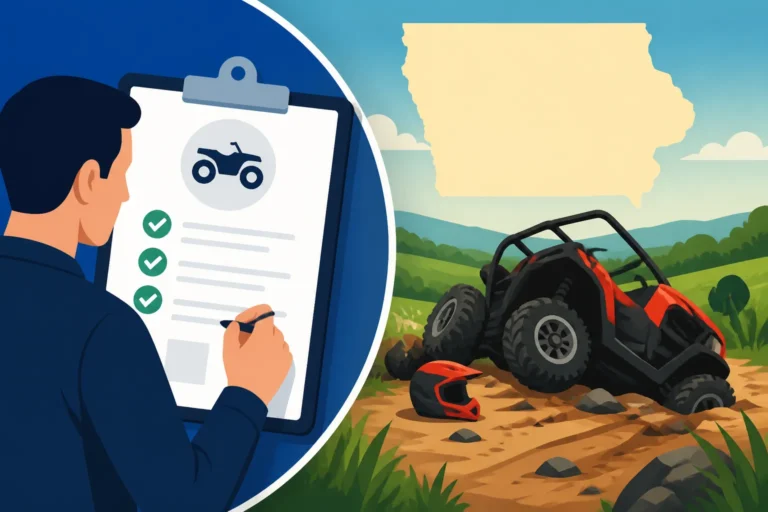
It's an all-too-common scenario here in Iowa: you've found what seems like the perfect used ATV or UTV – maybe it's a great price, or exactly the make and model you've been searching for. The seller says it's been a farm machine its whole life, or maybe it was just used for hunting on private land, and because of that, it was never titled. While this can sometimes be legitimate, it often leaves buyers scratching their heads, wondering how to make that machine legally theirs. This guide will walk you through the ins and outs of purchasing an ATV when the seller doesn't have a title, what you absolutely need to do to protect yourself, and how to navigate the Iowa system to get that machine properly documented.
The Titling Challenge When Buying a Used ATV in Iowa
Buying a used ATV or UTV can be an exciting prospect, especially when you find a machine that fits your needs and budget. However, when the seller presents a story about a machine that was "never titled," that excitement can quickly turn into a knot of apprehension. It’s a situation many Iowans encounter, and understanding why it's a challenge, and what those challenges entail, is your first step toward a smart purchase.
Why Titles Matter Even When They're Missing
In Iowa, an ATV or UTV title serves as the official legal document proving ownership. Think of it as the birth certificate for your machine. It establishes a clear chain of custody from the manufacturer to the first owner, and then through every subsequent transfer. Without a title, proving you are the rightful owner can become incredibly difficult, especially if any questions arise about the machine's origin. This is paramount for preventing theft, as a proper title ensures the machine hasn't been reported stolen and provides a paper trail should it ever be.
For many older machines, or those strictly used in specific circumstances like farming, a title might genuinely have been considered optional or unnecessary by the original owner. Grandpa might have bought a brand-new quad back in the day, used it exclusively to check fence lines on his hundred acres near Muscatine, and never once considered getting a title because, for his purposes, it wasn't a requirement. He never planned to ride it on public trails or sell it off-farm, so the extra step just didn't happen. However, when you, a new buyer, come along wanting to explore Gypsum City OHV Park, that lack of a title suddenly becomes a very real obstacle to [Registering an ATV in Iowa] and enjoying the trails. The burden of proving legitimate ownership now falls squarely on your shoulders.
The "Never Titled" Scenario: Common but Complicated
The "never titled" situation is quite distinct from a "lost title." If a title was issued but then misplaced, the original owner can usually apply for a duplicate with relative ease through their county recorder. However, if a title was truly never issued – meaning there's no record of it in the county's system – the process for you, the new buyer, becomes a bit more involved. It often stems from reasons like the machine being purchased before titling laws were as robust, or its historical use falling under an exemption, such as a dedicated farm machine.
For instance, an ATV used solely as an "implement of husbandry" on private agricultural land might never have been titled in Iowa because it wasn't required for its specific, limited use. The state allowed for such exemptions, meaning some folks simply bypassed the titling step entirely. This is perfectly legal for their specific use case. But here's the kicker: the moment you purchase that machine and intend to ride it on public land, designated trails, or even on certain public roads in Iowa, you will need a valid title and subsequent registration. The exemption doesn't magically transfer with the sale; it depends on the new owner's intended use. This is where you, the buyer, need to tread carefully and understand the steps to establish that initial title.
Essential Steps Before You Buy a "No-Title" Quad
Finding a great deal on an ATV that was never titled can be tempting, but it’s crucial to exercise extreme caution. You don't want to inadvertently purchase a stolen machine or get stuck with a quad you can't legally register. Taking the right preventative measures before handing over your hard-earned cash can save you immense headaches and financial loss down the road.
Verify Ownership and Machine History
Your absolute first priority should be to establish the seller's legitimate ownership and the machine's history. Even without an official title, the seller should be able to provide some form of credible documentation. Ask for the original bill of sale if they still have it from when they purchased the machine. Perhaps they have old registration paperwork, even if it’s expired, or past insurance documents that list them as the owner. Any paper trail helps establish a "chain of ownership." The more documents they can provide, the stronger your case will be when you go to title it yourself. This isn't just about making your life easier at the county recorder; it's also about preventing the purchase of stolen property.
Every ATV and UTV has a Vehicle Identification Number (VIN) or serial number – typically stamped on the frame. This number is your key. Insist on inspecting the VIN on the machine itself. Ensure it hasn't been tampered with, ground off, or re-stamped. Then, write it down accurately. You'll need this number to [Tracing a Serial Number at the Recorder] and verify its history. It's not uncommon for an older machine to have a hard-to-read VIN due to rust or mud, but if it looks deliberately altered, that's a huge red flag you shouldn't ignore.
The Role of the Bill of Sale Even Without a Title
Since there's no title to sign over, the bill of sale becomes your single most important document. This isn't just a casual scribble on a napkin; it needs to be comprehensive and legally sound. It serves as your primary proof of purchase and establishes your legal transfer of ownership from the seller. A proper bill of sale should include:
- Buyer and Seller Information: Full names, addresses, and contact details for both parties.
- Machine Description: Make, model, year, and, most importantly, the complete VIN or serial number. Any identifying features or known flaws should also be noted.
- Purchase Price and Date: Clearly state the amount paid and the date of the transaction.
- "As-Is" Clause: Most private sales are "as-is," meaning you accept the machine with any existing defects. This should be stated explicitly.
- Seller's Attestation of Ownership: Crucially, the bill of sale should include a statement where the seller attests that they are the legal owner of the ATV, that they have the right to sell it, and that it is free of any liens or encumbrances. This protects you legally.
Both the buyer and seller should sign and date the bill of sale, and it's highly advisable to have it notarized if possible, as this adds an extra layer of legal legitimacy. While you can draft your own, using a reputable template ensures you don't miss any critical details. Resources like LawDepot offer customizable bill of sale forms that can be adapted for an ATV purchase, ensuring all necessary legal language is included. For further details on what Iowa requires, you might find more information in [An Iowa Bill of Sale for an ATV].
Checking for Liens and Stolen Status
Before you commit to buying, you need to perform two vital checks: ensure the ATV isn't stolen and confirm there are no outstanding liens against it. This is a critical step that many private buyers overlook, only to discover a problem later. To check for a lien, you can often contact your local county recorder's office (the same place you'll eventually go to title and register it). They can typically search the VIN to see if there are any recorded liens from a lender. A lien means someone else has a financial claim on the machine, and you definitely don't want to buy something with existing debt attached.
Equally important is verifying the machine isn't stolen. With the VIN you've obtained, contact your local law enforcement agency or the Iowa Department of Natural Resources (DNR) enforcement division. Provide them with the VIN and ask them to run a check. If the machine comes back as stolen, walk away immediately and report the seller. Do not engage further. This simple step provides invaluable peace of mind and protects you from becoming an accomplice to a crime or losing your investment if the machine is later recovered by its rightful owner. No matter how good the deal seems, if it's stolen, it's not yours to buy.
Navigating the Iowa Titling Process Without a Prior Title
So, you've done your due diligence: you've got a comprehensive bill of sale, you've checked the VIN, and you're confident in the seller's legitimacy. Now comes the moment of truth: getting that machine officially titled in your name in Iowa. This process can be a bit more involved than a standard title transfer, but it's entirely manageable if you know what to expect and what documents to bring.
The County Recorder and Your New ATV
In Iowa, all ATV and UTV titling and registration are handled by your local County Recorder's office, not the Department of Motor Vehicles (DMV). This is a common point of confusion for new buyers. When you arrive at the recorder's office, you'll need to present several key documents to initiate the titling process for a machine that was never previously titled. Your most important piece of evidence will be that robust, notarized bill of sale you secured from the seller. It must clearly identify the machine by its VIN and attest to the seller's legal ownership.
In addition to the bill of sale, be prepared to provide:
- Proof of Identity: Your driver's license or state ID.
- The Machine's VIN: Ensure it's legible and matches your bill of sale. The recorder's office will often want to visually verify this or have you sign an affidavit confirming it.
- An Affidavit of Ownership (possibly): Depending on your specific county recorder and the circumstances, you might be asked to complete a separate affidavit swearing to your ownership and how you acquired the machine. The seller might also be asked to provide one confirming the machine was never titled by them. This is often an extra step when there's no prior title record.
The county recorder's office has the ultimate authority to determine if your documentation is sufficient to issue an initial title. They will review all your paperwork, and if everything is in order and they are satisfied with the chain of ownership you've presented, they will then process your application for an Iowa ATV title. Be prepared for a title fee, which is a set amount, currently [Paying $13.50 for an ATV Title]. Understanding that [Why a County Recorder and Not the DMV] handles this can save you a wasted trip.
Potential Hurdles and Solutions
While many "never titled" scenarios go smoothly with proper documentation, you might encounter some hurdles. One common issue is an incomplete or poorly written bill of sale. If the seller didn't include critical details like the full VIN, or didn't explicitly state they were the legal owner, the recorder might reject it. Another challenge can arise if the seller becomes uncooperative after the sale, or if their story about the machine's history seems inconsistent. This is why thorough vetting before the purchase is so vital.
In more complex cases, such as an extremely old machine with no discernible paper trail, or if the recorder is still not fully convinced of ownership, you might be advised to pursue a "bonded title." This is a more involved legal process where you essentially purchase a surety bond to protect against any future claims of ownership. It adds cost and complexity, but it's a legitimate pathway if all other options fail. It's often reserved for situations where proof of ownership is very weak. For help with formal affidavits or understanding the nuances of legal documentation in such situations, resources like LawDepot can be a valuable starting point for finding templates or legal forms to ensure you have all your bases covered. Don't be afraid to ask the county recorder directly about their specific requirements for "never titled" machines; their guidance is invaluable.
Moving Forward to Registration
Once you've successfully navigated the titling process and received your shiny new Iowa ATV or UTV title, the path to registration becomes much smoother. In Iowa, titling and registration often go hand-in-hand, and many county recorders can complete both transactions during the same visit. With your new title in hand, you'll present it along with your identification and payment for the registration fees.
The total registration cost in Iowa includes several components. There's a base registration fee, which contributes to trail maintenance and ATV programs. You'll also typically see a small "writing fee" for processing the paperwork, a "license agent fee" which goes to the county recorder's office for handling the transaction, and an "NRC administration fee." While the exact figures can change, these components generally make up the total. For more details on the specific fees, you can look into articles such as [The $15 Base Fee Inside an Iowa Registration], [The $2 Writing Fee on Every Registration], [Why a $1 License Agent Fee Is Added], and [The Iowa NRC Administration Fee]. Once your registration is processed, you'll receive your registration certificate and the required annual decal, which you'll need to display on your machine. Then, and only then, are you legally ready to hit the trails!
Real-World Scenarios and Buyer Beware
Understanding the bureaucratic process is one thing, but navigating the real-world scenarios that pop up when buying an untitled ATV can be a different beast entirely. From farm quads to suspiciously low prices, knowing when to proceed with caution and when to simply walk away is crucial for every Iowa buyer.
The Farm Quad Conundrum
Many "never titled" ATVs in Iowa have their roots in agricultural use. The owner might genuinely have used the quad strictly on their property for chores like hauling feed, checking livestock, or spraying crops. Under the "implement of husbandry" exemption, such machines don't always require an Iowa title or registration if they stay entirely on private farm land or are used only for specific, limited agricultural purposes on public roads (like traveling less than two miles from the farm at sunrise to sunset). [The Implement of Husbandry Exemption in Iowa] provides more context here.
However, here's where the conundrum arises for you, the buyer: the moment you purchase that farm quad and intend to use it for recreation – taking it to Bluff Creek OHV Park, riding it on approved gravel roads in Mahaska County, or simply exploring your own timber for fun – it loses its "implement of husbandry" status for your intended use. You will then be required to title and register it. The seller's past use, while legal for them, does not exempt you from current titling and registration laws based on your plans. This means you still need to follow all the steps outlined previously to get a title and then register it, even if the previous owner legitimately never had to. Don't let the "farm quad" story lull you into thinking you can skip the titling process.
When to Walk Away
Sometimes, a deal that looks too good to be true actually is. While it's tempting to jump on a cheap ATV, there are definitive red flags that should make you walk away without a second thought:
- No Bill of Sale: If the seller refuses to provide a written, detailed bill of sale, or insists on a cash-only "handshake" deal, consider it a non-starter. This is your primary legal protection.
- Missing or Altered VIN: If the VIN is missing, unreadable, or appears to have been tampered with (e.g., ground down, re-stamped), assume the worst. This is often a sign of a stolen machine.
- Evasive Seller: If the seller is vague about the machine's history, changes their story, or seems hesitant to answer direct questions about ownership, trust your gut feeling.
- "Too Good to Be True" Price: A significantly lower price than comparable models in the market can indicate a hidden problem, such as a lack of legitimate title or a stolen machine.
- Refusal to Meet at a Public Place: While not always a deal-breaker, a seller who insists on meeting only in remote locations or is cagey about where the machine is stored can be a warning sign.
Remember, saving a few hundred dollars upfront on a questionable deal can easily cost you thousands in legal fees, impoundment costs, or simply losing the machine entirely if it turns out to be stolen. Your peace of mind and legal protection are worth far more than a cheap thrill. Always perform your due diligence, and if something feels off, be prepared to [Reading a Title Before You Pay] (or knowing what a title should look like) and walk away.
The Advantage of a Reputable Seller
While this guide focuses on the challenges of buying an untitled machine, it's worth briefly highlighting the advantages of buying from a reputable seller who does have a clean, signed-over title. Whether it's a licensed Iowa dealer or a private individual who has properly titled and maintained their machine, this route offers immediate peace of mind. You receive a properly executed title, transfer it at the county recorder, pay your [Iowa ATV Registration Cost] and sales tax, and you're good to go.
The difference in hassle, risk, and potential future problems is substantial. While it might cost a bit more, the assurance of clear legal ownership and a smooth transition into your name is often well worth the investment. Always weigh the perceived savings of an untitled machine against the potential risks and the extra effort required to make it legally yours in Iowa.
| Feature | Buying with a Title (Ideal Scenario) | Buying without a Title (Challenges & Risks) |
|---|---|---|
| Proof of Ownership | Clear, state-issued title signed over by seller. | Relies solely on comprehensive bill of sale and seller's word. |
| Lien Check | Title shows if there are any liens; easy to verify. | Requires proactive VIN check at county recorder or through other means. |
| Stolen Check | VIN check is always recommended, but title adds legitimacy. | ABSOLUTELY ESSENTIAL to check VIN with law enforcement. |
| Titling Process | Straightforward transfer at County Recorder. | Requires convincing County Recorder to issue initial title; may need affidavits. |
| Required Documents | Signed title, bill of sale, ID. | Detailed, notarized bill of sale, ID, seller affidavits, VIN verification. |
| Potential Hurdles | Minimal, typically only paperwork errors. | Uncooperative seller, insufficient bill of sale, difficulty proving ownership history. |
| Risk to Buyer | Low risk of ownership disputes or legal issues. | Higher risk of buying stolen property or machine you can't register. |
| Effort Required | One visit to County Recorder, relatively quick. | Potentially multiple visits, extra documentation, more time and patience. |
| Peace of Mind | High. | Varies, depends on due diligence and seller honesty. |
Disclaimer
This article is for general informational purposes only and does not constitute professional advice. Laws, prices and regulations vary by location and change over time. Consult a qualified professional for guidance on your specific situation.