Iowa Rules for Riding Private Land
Navigating the world of ATV and UTV riding in Iowa can feel like a minefield of rules and regulations, especially when you're just trying to enjoy your machine on your own property or a friend's land. It's easy to assume that if you're not on a public trail or road, you're exempt from everything, but that's not always the case. This guide is here to untangle the specific Iowa rules for riding off-highway vehicles on private land, helping you understand where you stand and how to ride responsibly and legally.
Understanding Private Land in Iowa for ATV and UTV Riders
When you're thinking about taking your ATV or UTV out for a spin, the first and most crucial distinction in Iowa is whether you're on public land or private land. This difference dictates a huge portion of the rules and requirements you need to follow. Many riders simply want to enjoy their machines without the hassle of formal trails or crowded parks, preferring the freedom of a personal property or a friend's farm. It’s a completely understandable desire, especially with the wide-open spaces Iowa offers. But even with that freedom, there are still lines to be aware of, both literal and legal.
Defining "Private Land" in the Context of Off-Highway Vehicles
In Iowa, "private land" is essentially any property that is not owned or managed by a government entity for public use. This includes your own backyard, a friend's sprawling farm, a leased hunting ground, or even a privately owned recreational park that charges admission. The key here is ownership and public access. If the land isn't designated for public use, such as state parks, county conservation areas, or established public OHV parks, it falls under the private land umbrella.
Think about it this way: if you need explicit permission to be there, it's private land. This distinction is vital because Iowa's off-highway vehicle laws are designed with public safety and resource management in mind, and those concerns shift dramatically when you're on property where access is controlled. For example, if you've invested in a fantastic lift kit and aggressive tires from a company like SuperATV for tackling tough terrain, you'll generally find more freedom to really test those upgrades on private ground than you would on a strictly regulated public trail.
The Critical Role of Landowner Permission
This cannot be stressed enough: you must have permission to ride an ATV or UTV on private land that you do not own. Even if a field looks abandoned, or a timber block seems untouched, it belongs to someone. Trespassing, even on an ATV, is illegal and can lead to fines, legal trouble, and a very unhappy landowner. This isn't just a courtesy; it's a legal requirement. Iowa law is clear that you cannot operate an off-highway vehicle on private property without the express permission of the landowner or the person in lawful possession of the property.
Getting permission isn't just about avoiding legal trouble; it's about being a good neighbor and preserving riding opportunities. If landowners constantly deal with trespassers tearing up their property, they're much less likely to grant permission to anyone, even responsible riders. This can impact entire communities and limit access to what could be fantastic riding areas. Always ask, preferably in writing if you're going to be a regular visitor, and make sure you understand any specific rules the landowner has for their property. This might include designated riding areas, times of day when riding is allowed, or avoiding certain sensitive spots like newly planted fields or areas with livestock. Remember, a simple handshake might feel enough, but a written agreement can prevent misunderstandings down the line.
Registration and Titling: Do Iowa Rules Apply on Your Own Turf?
One of the most common questions riders have about private land is whether they still need to go through the whole registration and titling process. It’s a fair question, especially if your machine literally never leaves your farm. The good news is that Iowa's laws do offer some relief in certain scenarios, but it's not a blanket exemption. Understanding these nuances can save you a trip to the county recorder and perhaps a bit of money, but knowing when you do need to register is equally important. It's a balance of convenience and compliance.
The Registration Exemption for Private Property
Iowa law specifically states that an ATV or UTV does not need to be registered if it is operated exclusively on private property, and is not operated on any public land, public ice, or designated public trails. This is a significant exemption for many farmers, landowners, and those who only ride on their own expansive property. So, if your machine is solely used for chores around your land, or for recreational riding within the confines of your own fenced property, you likely won't need to head to the county recorder for an annual decal. You won't have to worry about the specific fees that make up the annual cost, such as [The $15 Base Fee Inside an Iowa Registration] or [The Iowa NRC Administration Fee].
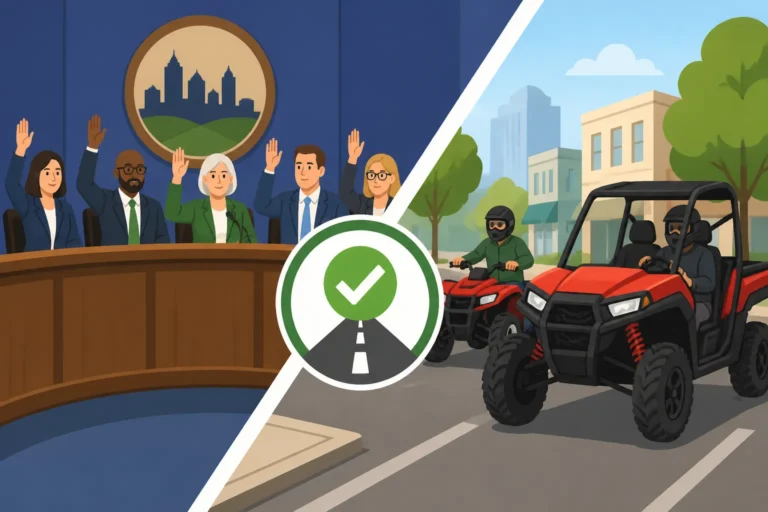
However, the moment your wheels touch public ground – even a short ditch ride, crossing a road, or heading down a gravel lane to a neighbor's property – that exemption vanishes. This is where many riders get into trouble. What might seem like an innocent five-second hop across a county road is, legally speaking, operating on public land, and without current registration, you could face fines. For this reason, many riders, even those primarily on private land, opt to register their machines anyway for peace of mind, especially if they anticipate even the slightest chance of encountering public access. It's a small annual investment compared to the headache of a citation.
Why Titling is Still Important, Even for Private Use
While registration might be optional for private land use, titling is generally still required for all ATVs and UTVs in Iowa, regardless of where they are operated. The title is essentially the proof of ownership for your machine. It's similar to the title for your car or truck. Iowa requires a title for all off-highway vehicles unless they fall under specific exemptions, such as being imported solely for competition and not for general operation, or certain very old machines where a title was not originally issued. Most modern ATVs and UTVs will need a title.
Why is this important if you're never going to put a registration decal on it? Primarily, it protects your investment. If your machine is ever stolen, having a title is crucial for proving ownership to law enforcement and your insurance company. It's also absolutely essential when you decide to sell your machine. A buyer will almost certainly require a clear title to ensure they're purchasing a legitimate machine and can then transfer ownership into their name. Without a title, selling a machine can be incredibly difficult, often limiting you to parts buyers or significantly reducing its value. Furthermore, if you finance your ATV, the lender will require a lien notation on the title until the loan is paid off. This is why [Paying $13.50 for an ATV Title] is a necessary step for almost every machine in Iowa.
Safety, Age, and Equipment Rules on Private Land
Even when you're on private land, where rules might seem more relaxed, safety should always be your top priority. While some of the more stringent public land requirements might not apply, certain fundamental safety principles, age guidelines, and equipment standards are still crucial for preventing accidents and ensuring everyone has a good time. It’s easy to get complacent on familiar terrain, but that’s often when mishaps occur.
Age and Supervision Guidelines for Young Riders on Private Land
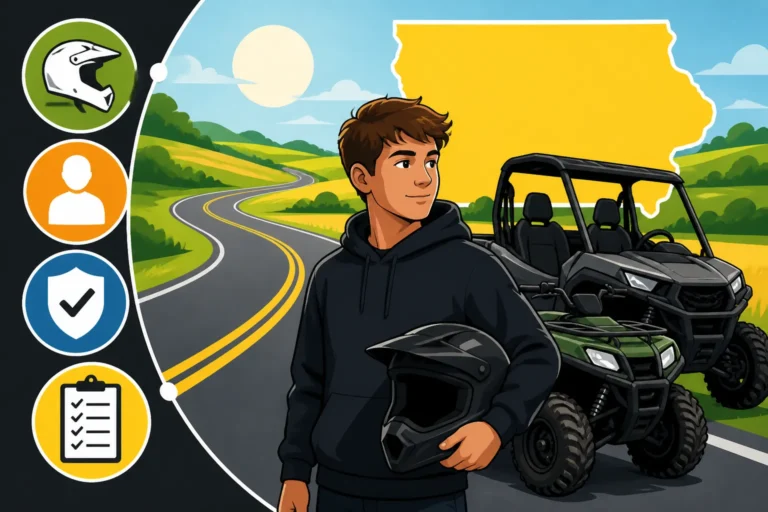
Iowa has specific age requirements and safety certificate rules for riding ATVs and UTVs on public land. However, these rules generally do not apply when riding exclusively on private land with the landowner's permission. This means that a child under 12, who would normally require direct supervision by a licensed adult on public land, can potentially ride on private property without meeting those exact stipulations. Similarly, the requirement for a [Iowa ATV Safety Certificate Requirements] for riders aged 12-17 typically pertains to public land use.
Despite this legal flexibility, it is highly recommended that parents and guardians adhere to nationally recognized safety guidelines for youth riders, such as those promoted by the ATV Safety Institute (ASI). These guidelines often recommend appropriate machine sizes for different age groups and emphasize the importance of supervision, regardless of the terrain. A small child on an adult-sized machine on private land is just as dangerous as on public land. Accidents can happen anywhere, and ensuring young riders have proper training, supervision, and appropriately sized machines is paramount. A responsible adult should always be present and actively monitoring younger riders, teaching them the ropes and ensuring they don't take unnecessary risks.
Essential Safety Equipment and Practices
While Iowa law might not mandate helmets or specific protective gear for private land riding, it is incredibly foolish to ride an ATV or UTV without them. Common sense and self-preservation should always prevail. A helmet, eye protection, gloves, long pants, and over-the-ankle boots are standard recommendations from safety organizations and experienced riders alike. Head injuries, scrapes, and broken bones don't discriminate between private and public land.
Think of it this way: even if you're just riding a utility UTV from SuperATV across your fields for farm work, the ground is still hard, and obstacles can still appear unexpectedly. Rollovers happen, and limbs can get caught. Investing in quality safety gear is an investment in your well-being and that of anyone riding with you. Always perform a pre-ride inspection of your machine, check tire pressure, brakes, and fluid levels. Never ride impaired, and always let someone know where you're riding and when you expect to return, especially if you're riding alone in a remote area.
Machine Requirements: Sound and Spark Arresters
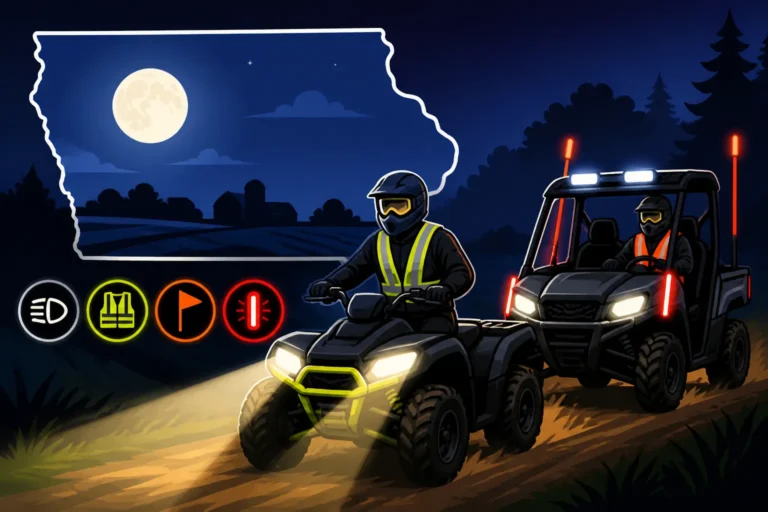
For the most part, strict equipment requirements like specific lighting or mirror mandates associated with [What Iowa Requires of an ATV on a Public Road] do not apply to ATVs and UTVs ridden exclusively on private land. You won't typically be subject to roadside checks for turn signals if you're only riding your own timber.
However, there are two critical equipment features that are generally recommended and often legally required, even on private land, due to their impact on safety and the environment:
- Spark Arresters: Almost all ATVs and UTVs sold in the United States come equipped with a U.S. Forest Service-approved spark arrester. This device prevents hot carbon particles from escaping the exhaust system and potentially starting a fire. While Iowa doesn't specifically detail spark arrester requirements for private land, operating a machine without one, especially in dry conditions, could be seen as negligent and could hold you liable if your machine causes a wildfire. Keeping your spark arrester in good working order is simply responsible land management.
- Sound Limits: While there are typically no strict decibel limits enforced on private land, being a good neighbor means being mindful of noise. Excessive noise can be a source of significant friction with adjacent property owners. Some counties or municipalities might have general noise ordinances that could apply, even to private property. Running a machine with a modified, excessively loud exhaust system, while potentially legal on your own vast property, might still draw complaints and create community issues. It's always best to be respectful of those around you, ensuring your machine, perhaps outfitted with accessories from SuperATV, is not creating an undue disturbance.
When Private Land Riding Rules Blur with Public Expectations
The line between private and public land can sometimes feel blurry, especially in rural Iowa where farm fields meet gravel roads, and timber tracts butt up against county lines. It's in these transition zones that many private land riders inadvertently cross into public territory and suddenly find themselves subject to a whole new set of regulations. Understanding these points of potential crossover is crucial for staying on the right side of the law and ensuring a safe, uninterrupted ride.
The Importance of Knowing Your Property Lines
This might seem obvious, but it's astonishing how often riders get into trouble by simply not knowing exactly where their private property ends and public land or someone else's private property begins. A fence line might not always be the legal property line, and unmarked boundaries are common in rural areas. Riding beyond your property boundaries, even by a few feet, constitutes trespassing if you don't have permission from the adjacent landowner.
Before you ride, especially in a new area or near a property edge, take the time to identify clear markers. Use property maps, consult with neighbors, or even use GPS apps to ensure you're staying within your permitted riding area. If you're riding with friends on someone else's land, make sure they also understand the boundaries. What feels like a fun extension of a trail could actually be someone's private yard or a sensitive wildlife area, leading to an unwanted confrontation or a citation for [Iowa Fines for Illegal ATV Road Use].
Operating While Intoxicated (OWI) Laws Apply Everywhere
This is a non-negotiable rule that absolutely applies to ATV and UTV operation on private land, just as it does on public roads and trails. Iowa's OWI (Operating While Intoxicated) laws do not differentiate between public and private property when it comes to operating a motor vehicle, and an ATV or UTV is considered a motor vehicle. This means if you are caught riding an ATV or UTV on your own property or a friend's land while under the influence of alcohol or drugs, you can be charged with OWI.
The consequences of an ATV OWI conviction are severe, mirroring those for a car or truck OWI. This can include hefty fines, loss of your driver's license (even if you weren't driving a car), and even jail time. There is no "private land exemption" for intoxicated riding. Alcohol and off-roading simply do not mix, regardless of where you are. Always ride sober. It's not just about avoiding legal trouble; it's about protecting yourself and those around you from potentially catastrophic accidents.
How Crossing Public Land Temporarily Changes the Rules
As mentioned earlier, the moment your ATV or UTV touches public ground – even briefly – you become subject to Iowa's public land OHV laws. This includes:
- Registration: Your machine must be currently registered with the Iowa DNR via a county recorder and display a valid decal. [Why Iowa Registrations Expire December 31] is a common point of confusion, so always check your decal date.
- Nonresident Permit: If you're visiting from out-of-state, you'll need to purchase an [Iowa's Nonresident User Permit] to ride on public land, even if it's just to connect two pieces of private property.
- Age and Safety Certificates: Riders aged 12-17 must possess a valid Iowa DNR Off-Highway Vehicle Safety Certificate.
- Road Use Laws: If you cross a road or ride on a county gravel road, you must comply with specific [Iowa Rules for Riding an ATV on Iowa Roads], including age limits (18+), insurance, speed limits, and lighting requirements. This is where many private land riders get caught, as they mistakenly believe a quick dash across a road is harmless.
A common scenario involves a rider needing to move their machine from one section of their farm to another, which requires crossing a public gravel road. While this might seem like a "farm use" exception, it often isn't. Unless your machine qualifies explicitly as an "implement of husbandry" being used for an agricultural purpose and adhering to strict rules like the [2 Miles From the Farm in Iowa] exemption, you'll need to be registered and abide by road rules. Understanding these transitional moments is key to enjoying your private land riding without any unwelcome surprises from law enforcement.
| Scenario | Registration Required (Iowa Residents) | Title Required (Iowa Residents) | OWI Laws Apply | Safety Certificate (Ages 12-17) | Helmet Recommended |
|---|---|---|---|---|---|
| Exclusively on owned private land | No (Unless crossing public land) | Yes | Yes | No (but highly recommended) | Yes |
| Exclusively on friend's private land (with permission) | No (Unless crossing public land) | Yes | Yes | No (but highly recommended) | Yes |
| Using ATV as Implement of Husbandry (on own land) | No | Yes | Yes | No | Yes |
| Crossing a public road to access another part of private land | Yes | Yes | Yes | Yes | Yes |
| Riding on public trail/park | Yes | Yes | Yes | Yes | Yes (often mandatory) |
Disclaimer
This article is for general informational purposes only and does not constitute professional advice. Laws, prices and regulations vary by location and change over time. Consult a qualified professional for guidance on your specific situation.