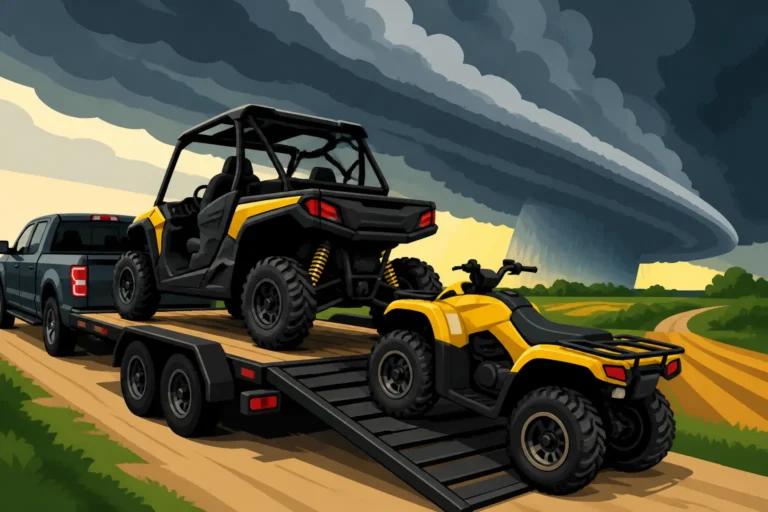
Camping Free at Bluff Creek
A free camping trip to Bluff Creek OHV Park near Eddyville can still come with a few avoidable headaches: arriving after a wet-weather closure, assuming there’s an open campsite, or unloading before checking the park’s rules. This guide explains how to plan an overnight stay, what to confirm before you leave, and how to make the most of a ride without treating “free” as “anything goes.”
What free camping at Bluff Creek means
Free does not mean every site or service is guaranteed
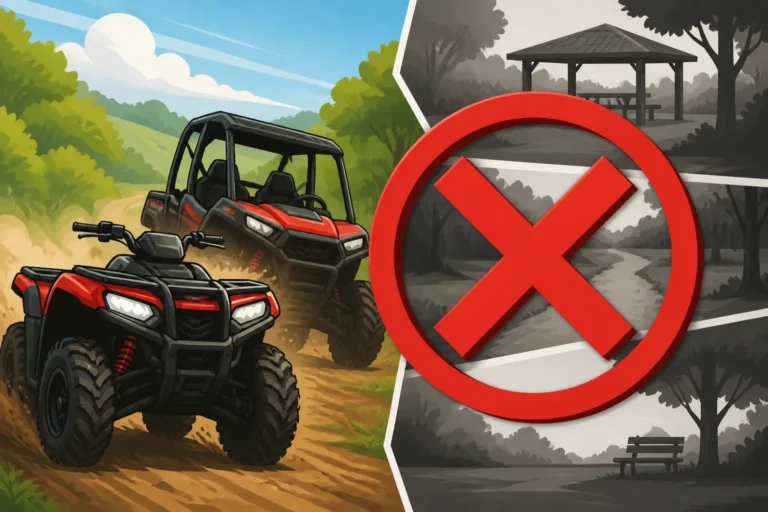
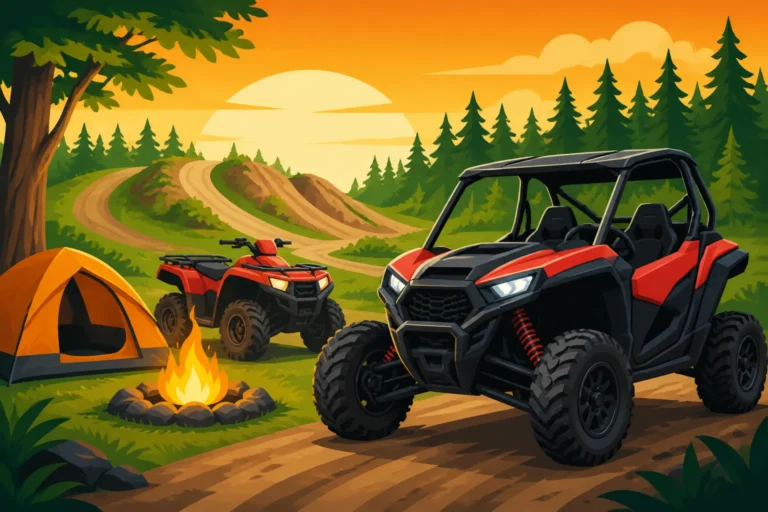
Bluff Creek OHV Park is known as a place where riders can camp without a camping fee. That can make it an appealing base for a weekend of riding, especially if you are travelling with a trailer or trying to keep a family outing affordable. Still, a free stay should not be confused with a reserved campsite, a full-service campground, or permission to camp anywhere on the property.
Before loading up, confirm whether camping is allowed on the dates you have in mind and where overnight parking or camping is permitted. Check the park’s current notices and rules, and contact the park or its managing organization if anything is unclear. Access, available areas, and procedures can change with weather, maintenance, events, and other site needs.
That small check can prevent a frustrating scene: you arrive near Eddyville after a long drive, unload the machines, and only then discover that the place you expected to camp is unavailable or not an approved overnight area. Free camping works best when you treat the campsite as something to confirm, not something to assume.
For more context on what makes an overnight visit possible, see [Why Bluff Creek Costs Nothing to Camp]. It also helps to read [Riding Bluff Creek for Nothing] before planning a trip around riding costs.
Free camping is not the same as free-for-all camping
A no-fee stay does not remove the need to follow park rules. Stay in the designated camping or staging area, keep vehicles and trailers where they are allowed, and respect any posted limits on fires, quiet hours, waste, and overnight use. If there are no clear signs where you arrive, ask before settling in rather than guessing.
Think through your setup before you get there. A large truck and trailer may need more room to manoeuvre than a car and one machine. If you are travelling with a group, agree on where to park and how to keep access lanes clear. Do not block other riders, emergency access, trail entrances, or maintenance areas while trying to create a convenient camp.
It is also worth planning as though you will be self-sufficient. Confirm what facilities, if any, are available and bring what your group needs for drinking water, food, rubbish, lighting, and basic hygiene. Do not count on finding a nearby service open at the moment you need it. A free campsite can be a great value, but the trade-off may be that you need to bring more of your own supplies.
Budget for more than the campsite
A camping fee may be absent, but the trip still has costs: fuel for the tow vehicle and machines, food, riding gear, maintenance, and the time spent travelling. Check what registration or permit requirements apply to your machine and situation before you set out. Iowa’s registration decal is generally central to riding at designated OHV parks, while visitors may have separate requirements to consider. Start with [Iowa ORV Permits Explained] and [Iowa's Permit for a Visiting Machine] if you are unsure which rules apply.
It is useful to separate “camping cost” from “trip cost” when deciding whether the weekend is affordable. A free overnight stay can make a two-day ride more practical than paying for lodging, but it does not cover fuel, repairs, food, or required paperwork. If you are bringing a nonresident machine, check the specific rules rather than assuming your home-state documents automatically cover every Iowa riding situation.
| Before you leave | What to confirm | Why it matters |
|---|---|---|
| Camping | Whether overnight camping is permitted and where | A free stay is not permission to camp anywhere |
| Park access | Whether the park is open and usable on your travel dates | Weather or maintenance can affect access |
| Riding paperwork | Registration, decal, or visitor permit requirements | Requirements can depend on the rider and machine |
| Site conditions | Available parking, facilities, and posted rules | Helps you pack and choose a suitable setup |
| Route | Road directions, trailer access, and backup plans | Reduces last-minute changes after arrival |
Plan the ride and overnight stay together
Check trail conditions before towing to Eddyville
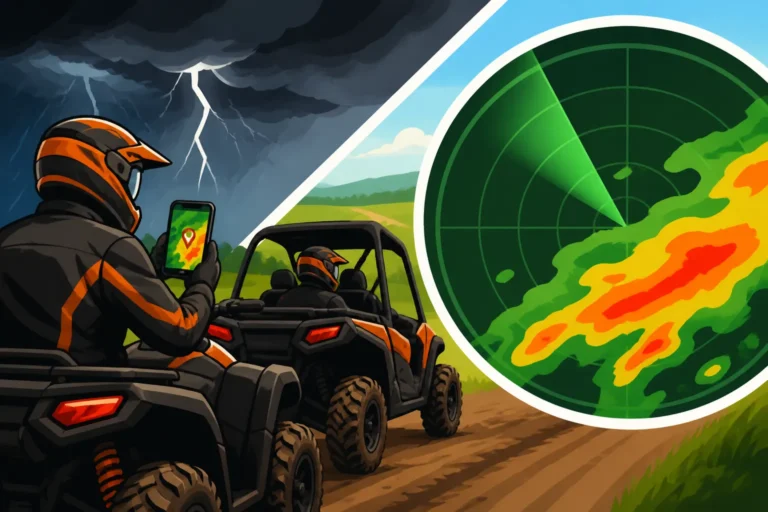
Trail conditions can change quickly, and a clear day at home does not guarantee that the park will be suitable when you arrive. Wet ground is especially important to consider. Iowa soil can become slick and vulnerable to damage after rain, and riding on muddy trails may worsen ruts or harm the riding area. A closure or request to stay off wet trails is worth respecting, even if you have driven a long way.
Check park notices before departure and again when you are close to your travel date. If you see a closure alert, do not assume that the trails will be open just because the camping area is accessible. The two questions are related, but not identical: you need to know whether you can stay overnight and whether you can ride.
For a wider look at the decisions riders face after rain, read [Iowa's Weather-Driven Trail Closures] and [Iowa Riding After Heavy Rain]. If you are comparing destinations or looking for an alternative, [Iowa Trail Conditions Before You Ride] is a useful planning topic to explore.
Make a practical arrival plan
Before leaving, save the route and make sure everyone in your group knows the destination and the plan for arrival. The directions in [Driving to Bluff Creek OHV Park at Eddyville] can help you think through the trip. If you use onX Offroad to plan routes and keep trail information organised, check the map details alongside the park’s own notices. A navigation app can help with orientation, but it should not replace posted signs, closure information, or directions from park staff.
Arriving with daylight to spare makes setup easier. You will have time to identify the permitted overnight area, position the trailer without rushing, and look over posted rules before unloading. If you arrive late, avoid driving around unfamiliar areas in search of a better spot. Ask for guidance or use only a clearly designated area.
A backup plan is useful, too. If the park is closed, camping is not available, or conditions do not suit your group, know what you will do next. That might mean rescheduling or checking another legal place to stay and ride. Do not improvise by camping on nearby private land, a roadside pull-off, or another area that has not been approved for overnight use.
Use maps as a planning aid, not a permission slip
Digital maps can help you keep track of the route, understand the area, and organise a group’s ride plan. onX Offroad may be useful for riders who want to review mapped routes and save trip details before leaving home. But a mapped line does not necessarily mean a trail is open, legal for your machine, or approved for riding that day.
That distinction matters when a group has different phones, map apps, or levels of riding experience. Agree on a meeting point and a basic route plan before starting. Keep the park’s signs and directions as the authority on what is open, and do not ride off marked trails to reach a spot shown on a screen.
If cell service is limited or a phone battery runs low, a saved map and a simple written plan can reduce confusion. onX Offroad can be part of that preparation, but bring a power bank and make sure riders know how to return to the staging area without relying on a live connection. Avoid promising that an app will show every current closure or site-specific rule.
Pack for a comfortable and responsible overnight visit
Bring the basics you will actually use
Packing for a free campsite is less about bringing everything you own and more about not relying on services you have not confirmed. Bring enough drinking water for your group, meals and snacks, rubbish bags, a first-aid kit, and clothing for changing weather. If your machines need fuel or routine checks, plan those needs before you arrive rather than counting on supplies at the park.
A simple arrival checklist can prevent the familiar scramble of discovering the headlamp is still on the garage shelf or the trailer straps are missing. Check tie-downs, helmets, gloves, eye protection, and any parts or tools you normally carry for your machine. Keep essential items together so you can find them without unpacking the whole vehicle in the dark.
For the overnight setup, bring a way to sleep comfortably and keep your gear dry. Make sure your arrangement fits the area and does not spill into a trail, access lane, or another group’s space. If the park’s rules specify what types of equipment are allowed, follow those rules even if your usual camping setup is different.
Keep the campsite clean, quiet, and out of the way
A pleasant overnight stay depends on everyone sharing the site considerately. Keep noise under control, especially later in the evening and early in the morning. Put rubbish in the proper place or pack it out if no suitable disposal is available. Do not leave food scraps, cans, or machine parts behind.
Ask before lighting a fire, and follow any posted restrictions. If fires are not allowed or conditions make them unsafe, use another permitted way to prepare food. Never assume that a fire ring, open patch of ground, or previous visitor’s setup means fires are currently permitted.
When it is time to leave, check the campsite and parking area for rubbish, loose gear, and anything that could be a hazard to the next group. Leave the space as you would want to find it. Thoughtful camping helps keep a no-fee option welcoming for other riders and reduces the risk of access being restricted.
Build a safer weekend around the whole group
If children or less experienced riders are coming along, decide in advance which areas and riding conditions suit them. Keep the pace manageable, make sure everyone understands where to meet if separated, and set expectations about staying on permitted trails. A family weekend goes more smoothly when the riding plan is realistic instead of trying to cover every available loop.
Give machines a quick check before each ride. Look for obvious tire, brake, steering, lighting, or fluid problems, and pay attention to anything that feels different after a muddy or dusty run. A small issue discovered in camp is usually easier to deal with than a breakdown on the trail.
Finally, leave room in the plan for conditions to change. If trails are too wet, visibility is poor, or a rider is tired, stopping is the sensible choice. The best value from a free camping trip is not measured by how many hours you stay on the machine. It is a safe, enjoyable visit that leaves both your group and the park in good shape.
Disclaimer
This article is for general informational purposes only and does not constitute professional advice. Laws, prices and regulations vary by location and change over time. Consult a qualified professional for guidance on your specific situation.