Riding a Snow-Covered Gravel Road
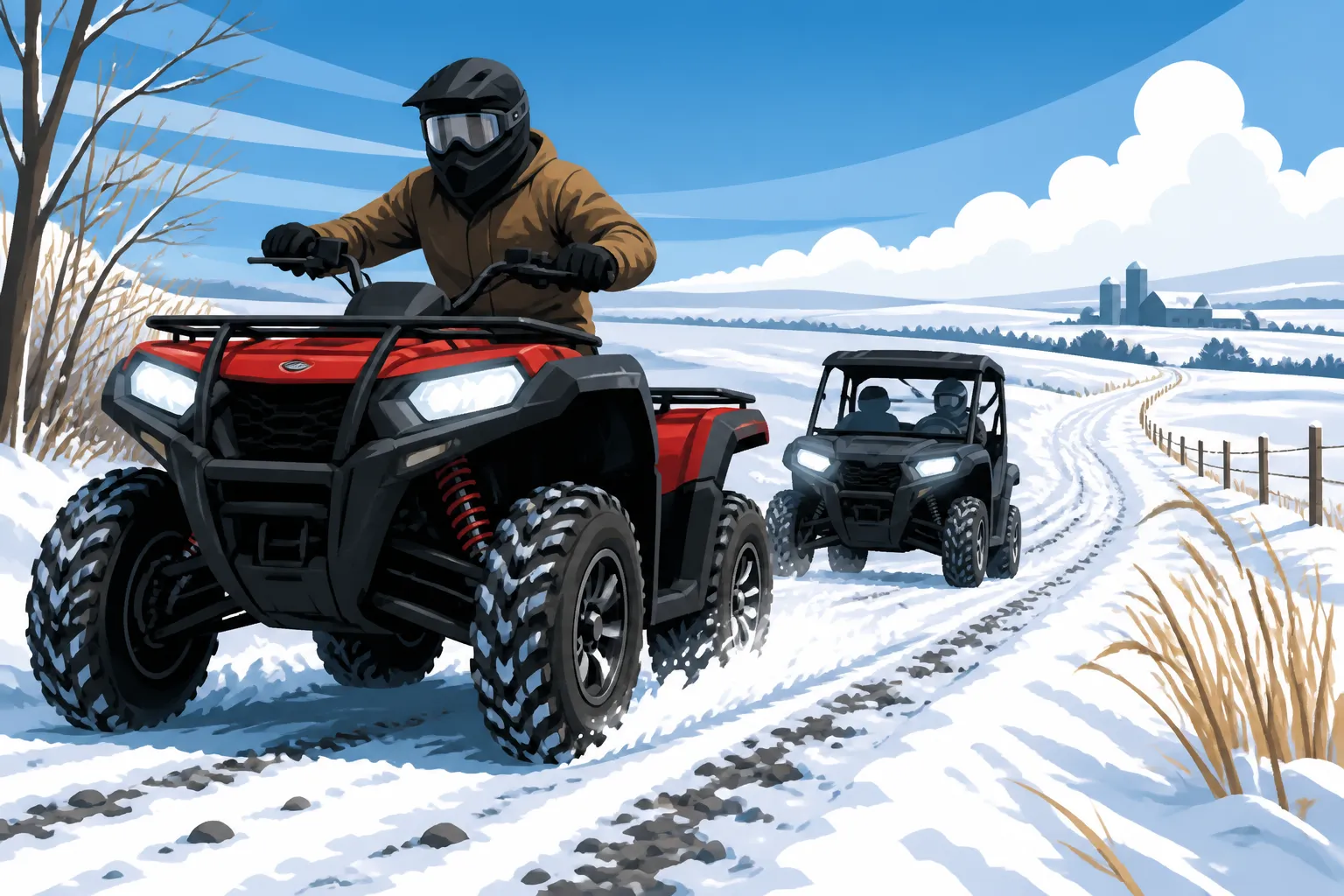
Riding an ATV or UTV in Iowa during winter can be an absolutely breathtaking experience. The crisp air, the silence of a snow-covered landscape, and the unique challenge of navigating frosty trails are incredibly appealing. However, heading out onto a snow-covered gravel road isn't just about bundling up; it comes with a specific set of legal guidelines, safety considerations, and machine preparations that every rider needs to understand. This guide will walk you through what you need to know to safely and legally enjoy Iowa's winter wonderland from the seat of your off-highway vehicle.
The Legal Landscape: Can You Even Ride That Snow-Covered Road?
Iowa's laws regarding ATV and UTV use on public roads can feel a bit like navigating a maze, and adding a blanket of snow doesn't simplify things. Generally speaking, Iowa allows ATVs and UTVs to operate on unpaved secondary roads, which are primarily the gravel roads crisscrossing our beautiful state. This permission comes with several important caveats, regardless of the season. Riders must be at least 18 years old and possess a valid driver's license. The machine must be properly registered with the state, displaying its current decal. These fundamental requirements don't magically disappear when the snow starts to fall.
Understanding Iowa's Gravel Road Rules in Winter
The presence of snow, however, can introduce some ambiguity and additional concerns. While a gravel road covered in snow is still legally an "unpaved secondary road," the conditions underfoot can be dramatically different. You might encounter hidden obstacles, varying depths of snow, or patches of glare ice that are hard to spot. Furthermore, the rule about taking "the most direct route" to an [Iowa's Eight Designated OHV Parks] or other permitted riding area still applies. You can't just wander aimlessly on public roads; your road use must have a purpose, typically getting to or from a trail system or your private property.
It's crucial to remember that this permission only extends to unpaved secondary roads, unless a county has specifically authorized riding on paved secondary roads, which is a separate and often debated issue. A snow-covered paved road is still a paved road, and riding an ATV or UTV on it without explicit county authorization would be against the law. Always double-check local county ordinances, as what's permitted in one Iowa county might not be in another. Familiarize yourself with [Iowa Rules for Riding a Gravel Road] before you even think about hitting the snow.
There's also the question of what happens if the snow gets really deep, essentially turning the road into a non-road. While it might seem like fair game, any public thoroughfare, even if impassable by conventional vehicles, still retains its legal classification. Your responsibility as a rider is to respect this and ensure your actions don't create additional hazards for emergency services or future road clearing efforts. Knowing your local county's specifics regarding [Unpaved County Secondary Roads in Iowa] is your best defense against inadvertently breaking a rule.
What About Plowed Roads or Roads Under Snow Removal Operations?
This is a critical point for safety and legality. While a road might be gravel underneath, if it's currently undergoing snow removal operations, it is absolutely not the place for recreational ATV or UTV riding. Snowplows and other heavy equipment have extremely limited visibility, especially in blowing snow conditions, and they are focused on clearing the road, not looking out for off-highway vehicles. Attempting to ride on a road while it's being plowed is not only incredibly dangerous but can also be seen as interfering with public works, which carries its own set of potential penalties.
Even after a road has been plowed, conditions can still be hazardous. Plows often leave behind berms of snow, create slick conditions with packed snow and ice, or uncover underlying ice patches. The act of plowing itself might transform a soft snow layer into a hard, slick surface. While the road might technically be open for vehicle traffic, it doesn't mean it's safe or even advisable for an ATV or UTV, especially one not specifically equipped for such conditions. Think about the poor braking performance and steering response you'd have on such a surface.
The "most direct route" rule still applies here. If a particular gravel road is the only feasible way to access your destination and it's been recently plowed but is still snow-covered, proceed with extreme caution. But if there are alternatives, or if the conditions are simply too dicey, it's always better to err on the side of safety. There's a big difference between a freshly fallen blanket of light snow and a heavily packed, icy, and recently plowed thoroughfare. Keep your eyes peeled for [Iowa's Slow-Moving Vehicle Triangle] on farm equipment or maintenance vehicles, and understand that they expect a certain type of traffic flow on the roads they're clearing. Riding near these machines, whether active or parked roadside, is a risk you should avoid.
Safety First: Navigating Iowa's Winter Roads
Riding an ATV or UTV on snow-covered gravel roads introduces a completely different dynamic compared to dry conditions. Your machine will react differently, and the environment presents unique hazards. Being aware and prepared is key to a safe and enjoyable winter ride.
Traction, Control, and the Unexpected
Traction becomes your biggest challenge, and it varies wildly depending on the type of snow, the presence of ice, and the underlying surface. Fresh, light powder might offer some grip, but packed snow quickly becomes slick, and slush can be incredibly unpredictable, hydroplaning your tires without warning. Black ice, often invisible, is perhaps the most dangerous culprit, offering virtually no grip and turning a straight stretch of road into a high-risk slide. Your machine's handling will be significantly altered; braking distances will increase dramatically, and steering might feel loose or unresponsive.
To mitigate these challenges, tire choice is paramount. Standard all-terrain tires designed for dirt and mud may not provide sufficient grip on snow and ice. Many experienced winter riders opt for dedicated snow tires with softer compounds and specific tread patterns designed to "paddle" through snow and grip icy surfaces. Studded tires offer even better performance on ice but can be harsh on bare pavement or dry gravel if you encounter those sections. For the ultimate winter traction and flotation, consider specialized track systems. Companies like SuperATV offer conversion kits that replace your wheels with tracks, transforming your ATV or UTV into a snow-going beast. While an investment, tracks offer unparalleled stability and traction in deep snow, making otherwise impassable roads accessible.
Even with the best tires or tracks, maintaining control requires a keen awareness of your speed and surroundings. Smooth, deliberate inputs for steering, acceleration, and braking are essential. Avoid sudden movements that can break traction. Always anticipate what might be around the next bend or under that innocent-looking patch of snow. A small rut frozen solid, a hidden rock, or a patch of ice can throw your machine off course in an instant. The more you understand the nuances of [Iowa Riding in Winter], the safer your experience will be. Remember, even a small patch of solid ice can send you sliding, and unlike a car with stability control, you're often left to react instinctively.
Visibility and Weather Preparedness
Winter riding often means battling reduced visibility, which is a major safety concern on public roads. Falling snow, swirling snow driven by wind, and the glare off bright white surfaces can all limit how far you can see and how quickly you can react. Shorter daylight hours also mean you're more likely to be riding in low light or darkness, amplifying the need for superior lighting. Ensure your ATV or UTV's headlights and taillights are clean and fully functional. Many riders add auxiliary lighting, such as LED light bars or spot lamps, for better illumination. Companies like SuperATV offer a range of robust lighting solutions that can significantly improve your sightlines in challenging winter conditions. Remember, you need to see, but just as importantly, you need to be seen by others.
Beyond visibility, personal preparedness for extreme cold and potential emergencies is non-negotiable. Iowa winters can be brutal, with temperatures plummeting quickly and wind chills making it feel even colder. Dress in layers, prioritizing waterproof and windproof outer shells. Hypothermia is a serious risk if you get stranded or have a breakdown. Always carry an emergency kit: a small shovel, a tow strap, warm blankets, extra gloves, high-energy snacks, a fully charged cell phone (with a portable charger), and ideally, a way to signal for help if you're in a remote area.
Before you even leave your driveway, check the weather forecast for your entire planned route and estimated riding time. Look not just at temperature but also at wind chill, snowfall predictions, and road condition reports. Conditions can change rapidly, and what started as a beautiful snowy ride can quickly become a treacherous ordeal. Don't be afraid to postpone or shorten your ride if the weather turns or the conditions on the [Snow on a Webster County Trail] or other routes seem too hazardous. It's always better to be safe than sorry, especially when you're far from help. A good pre-ride check includes your fluid levels, tire pressure (which changes with temperature), and a quick test of your brakes.
Essential Gear and Machine Prep for Winter Riding
Preparing your machine and yourself for winter riding on Iowa's gravel roads is just as important as understanding the legalities. Neglecting either can lead to discomfort, damage, or even a dangerous situation.
Outfitting Your Machine for Snow and Cold
Getting your ATV or UTV ready for winter riding goes beyond just adding fuel. The cold puts extra strain on every component, and snow adds significant challenges. A winch is an absolute must-have. Even if you don't typically use one, in snow, it can be the difference between getting unstuck from a drift and being stranded for hours. Heated grips and thumb warmers are game-changers for rider comfort, making a long cold ride much more enjoyable and helping maintain dexterity. For UTVs, a full cab enclosure, or at least a windshield and roof, dramatically improves warmth and protection from the elements. Look into durable enclosures or hard roofs, many of which can be found through accessory providers like SuperATV. These enclosures can make a huge difference in warding off biting winds and blowing snow, extending your riding time significantly.
Beyond comfort, crucial maintenance ensures your machine can handle the cold. Check your battery; cold temperatures severely reduce battery performance, so a strong, fully charged battery is vital for starting. Ensure your cooling system has the proper mix of antifreeze, not just water, to prevent freezing. Change your engine oil to a winter-grade formula if recommended by your manufacturer, as thicker oils in cold weather can make starting difficult and reduce lubrication efficiency. Inspect all belts and hoses for cracks or wear, as cold weather can make them brittle. A pre-winter inspection can prevent a breakdown in sub-freezing conditions, which is the last thing you want when you're miles from home on a [Snow-Covered Gravel Road].
If your primary purpose during winter is clearing snow, equipping your machine with a snow plow attachment is essential. These come in various sizes and mounting styles, allowing your ATV or UTV to become a workhorse around the property. Even if you're just riding, having a small, portable shovel strapped to your machine can be a lifesaver for digging out minor drifts or clearing a path. The more prepared your machine is, the safer and more enjoyable your winter riding experience will be. Consider also carrying a small recovery strap or chain, as a second machine can often pull you out of trouble if a winch isn't an option.
Personal Protection and Emergency Planning
Your personal gear is just as important as your machine's setup, especially when facing Iowa's winter conditions. Layering is key: start with a moisture-wicking base layer to keep sweat away from your skin, add an insulating mid-layer (fleece or down) for warmth, and finish with a waterproof and windproof outer shell to block the elements. Don't forget extremities: warm, waterproof gloves or mittens (perhaps with heated inserts), and insulated, waterproof boots are critical to prevent frostbite. While [Iowa Helmet Law for ATV Riders] doesn't typically require helmets on public roads for adults, wearing a full-face helmet in winter provides invaluable warmth, protection from wind and snow, and can prevent serious injury in a fall on slick surfaces. Pair it with anti-fog goggles or a visor to maintain clear vision.
Beyond clothing, a comprehensive emergency plan is vital. Always let someone know your route, destination, and estimated return time. If you get lost or break down, this information can be crucial for rescue. Carry a fully charged cell phone, but don't rely solely on it, as service can be spotty in rural Iowa. A satellite messenger or personal locator beacon offers a more reliable way to call for help in areas without cell service. Pack a small backpack with essentials: a first-aid kit, high-calorie snacks (like energy bars), a thermos of hot coffee or tea, a spare hat and gloves, and a flashlight or headlamp with extra batteries.
Consider carrying a basic tool kit for roadside repairs, including tire repair plugs, a small air pump, and general tools. If you're riding with a group, plan how you'll communicate and stay together. Discuss hand signals or radio protocols, especially if visibility is low. The goal is to be self-sufficient and prepared for the unexpected, ensuring that your winter adventure on a [Snow-Covered Gravel Road] remains a fun memory, not a harrowing ordeal. It's also wise to carry some form of fire starter, even if just for morale, should you become stranded for an extended period.
Respecting the Environment and Other Road Users
Riding an ATV or UTV on snow-covered gravel roads isn't just about your safety and enjoyment; it also involves being a responsible member of the community and respecting the natural environment. Your actions can impact local residents and the condition of the roads for everyone.
Sharing the Road with Vehicles and Wildlife
When you're out riding your ATV or UTV on a snow-covered gravel road, remember that you are sharing that space with other users, and winter conditions amplify the risks for everyone. Cars and trucks will have reduced braking distances and limited maneuverability on snow and ice, just like you. Always maintain extra distance, be predictable in your movements, and use your turn signals (if equipped and visible) well in advance. Assume other drivers might not see you, especially if your machine blends into the snowy landscape. Brightly colored gear and auxiliary lighting help increase your visibility to others.
Wildlife can also be more active or harder to spot in winter. Deer might be foraging more widely, and pheasants or other small animals could dart out unexpectedly from snowdrifts along the roadside. The quiet nature of snow can also muffle the sound of your machine, meaning animals might not hear you approaching until you're very close. Stay alert, especially at dawn and dusk when wildlife activity is highest and visibility is poorest. A collision with a deer, for instance, can be devastating for both the animal and the rider. Understanding [Iowa Rules for Riding in Deer Season] is important for those who combine riding with hunting, but general awareness of wildlife presence is crucial for all winter riders.
It's a shared responsibility to ensure everyone's safety. While you have the legal right to use certain snow-covered gravel roads, courtesy and caution go a long way. Pull over safely to let faster vehicles pass, avoid kicking up excessive snow if you're behind another vehicle, and be mindful of residential areas where noise might be an issue. These actions contribute to positive community relations and ensure that the privilege of riding these roads remains available for all.
Minimizing Impact and Being a Good Neighbor
Riding on snow-covered roads comes with a unique responsibility to minimize your impact on the road surface and be considerate of local residents. While it might seem harmless to ride through deep snow, repeated passes by ATVs and UTVs can compact the snow into hard, uneven ruts. When these ruts freeze solid, they can become a significant hazard for other vehicles, especially cars with lower ground clearance, making the road rough and potentially impassable until the next thaw or plowing. This can lead to complaints from residents and potentially stricter enforcement of existing road rules.
To be a good neighbor and responsible rider, avoid intentionally tearing up the snow or creating deep ruts, especially in areas heavily trafficked by other vehicles. If the snow is so deep that your machine is consistently digging in and creating significant disruption, it might be best to turn around or find a different route. Stick to designated trails or areas where your impact is less likely to cause problems. When passing by homes, keep your speed down and avoid excessive noise. The peacefulness of a snowy landscape is one of its charms, and disturbing that with loud exhausts can quickly turn residents against off-highway vehicle use.
Always respect private property. In winter, fences and property markers can be obscured by snow, making it harder to discern where public road right-of-way ends and private land begins. If you're unsure, assume it's private and stay clear. Trespassing laws apply regardless of snow depth, and riding on private land without explicit permission can lead to fines and strained community relations. Remember, positive rider behavior helps maintain the privilege of riding on [Unpaved County Secondary Roads in Iowa] and keeps these areas open for all to enjoy responsibly in winter. Always leave the area as you found it, or better.
| Winter Road Condition | Riding Challenge | Recommended Approach | Gear Considerations |
|---|---|---|---|
| Fresh, Light Powder | Reduced traction, hidden obstacles | Moderate speed, smooth inputs, watch for ruts | Aggressive all-terrain tires or snow tracks, good headlights |
| Packed Snow | Very slick, reduced braking, potential for ice underneath | Slow speed, increased following distance, careful braking | Dedicated snow tires (studded optional), winch, heated grips |
| Slush | Hydroplaning risk, messy, inconsistent grip | Extremely slow speed, avoid sudden movements, be prepared to get wet | Waterproof gear, mud-specific tires (some snow tires work), windshield/enclosure |
| Black Ice | Extremely dangerous, no traction | Avoid at all costs if possible; if unavoidable, walk the machine or proceed at creep speed | Studded tires offer minimal help, track systems best, extreme caution |
| Plowed Road (Packed) | Uneven surface, hard-packed snow ridges, slick spots | Slow down significantly, be wary of berms, watch for other traffic | Durable tires, extra lighting, possibly a SuperATV enclosure for comfort |
| Unplowed, Deep Snow | Getting stuck, overheating engine, poor visibility | Use appropriate tires/tracks, ride with a partner, carry a shovel and tow strap | Snow tracks (e.g., from SuperATV), powerful winch, warm emergency kit |
Disclaimer
This article is for general informational purposes only and does not constitute professional advice. Laws, prices and regulations vary by location and change over time. Consult a qualified professional for guidance on your specific situation.