How Dark a Windshield May Legally Be
You've decked out your side-by-side or ATV, adding all those awesome accessories that make it feel like your machine. But when it comes to the windshield, many riders find themselves in a tricky spot, wondering just how dark they can go before a quick trip down a gravel road turns into an unexpected conversation with a deputy. This guide is here to untangle the complexities of Iowa's windshield tint laws for your ATV or UTV, especially when you venture onto public roads, helping you stay compliant and avoid unnecessary fines.
Understanding Iowa's Vehicle Equipment Laws
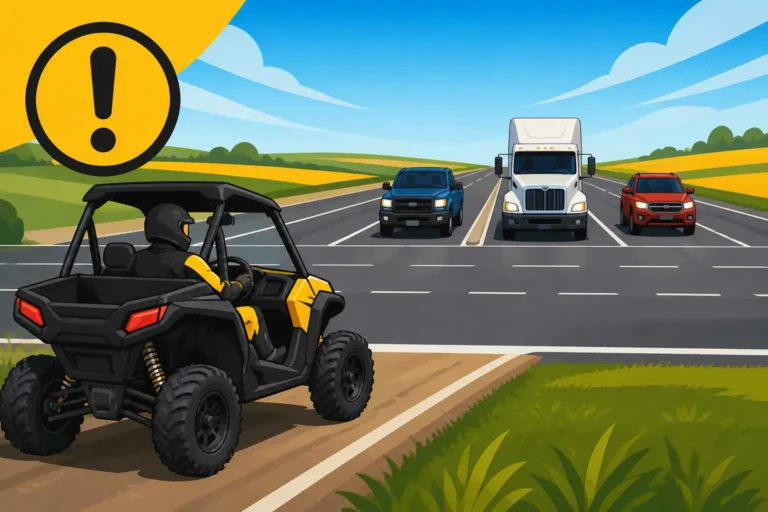
Riding an ATV or UTV in Iowa is a blast, whether you're tackling the trails at [Gypsum City OHV Park at Fort Dodge] or cruising down a county road to get to your hunting spot. But the moment your tires hit public pavement or gravel, your machine steps into a different legal arena. It's not just about having a registration decal; it's also about meeting specific equipment standards, and your windshield is definitely on that list. Many riders are surprised to learn that their off-road machine, so free on the trails, suddenly has to conform to rules typically associated with cars and trucks when it's on a public roadway.
The Broader Context of Iowa's Vehicle Code
Iowa's vehicle code is a comprehensive set of rules designed to ensure safety for everyone using public thoroughfares. While much of it is naturally geared towards traditional automobiles, certain sections extend to off-highway vehicles (OHVs) like ATVs and UTVs when they are operated on public roads. This can feel like a bit of a gray area for many riders, as their machine wasn't designed primarily for road use. However, the state's intent is clear: if you're mixing with cars, trucks, and other traffic, your machine needs to be safe and visible, and you need to be able to see clearly. This overarching principle drives many of the specific equipment requirements, including those for windshields. It's not about making things difficult for riders; it's about minimizing risks for everyone sharing the road.
When you think about it, a road-legal ATV or UTV needs to function in a similar way to any other vehicle in terms of basic safety. Headlights, taillights, mirrors, and yes, a clear line of sight through the windshield are all critical. The law isn't always perfectly intuitive for off-road enthusiasts who are used to a different set of expectations for their machines. The frustrations are real when you've invested in a machine for adventure, only to find it's hobbled by regulations when you try to connect trails or access fuel.
Distinguishing Between ATVs, UTVs, and Road-Legal Vehicles
Here's where it gets a little more nuanced. Iowa law often differentiates between different types of vehicles. A traditional ATV (all-terrain vehicle), sometimes called a quad, typically doesn't come with a factory windshield in the same way a car does. Many riders add aftermarket half-windshields or full windshields for comfort and protection, which is perfectly fine for off-road use. UTVs (utility task vehicles) or side-by-sides, on the other hand, often come from the factory with a full or partial windshield, making them look much more like a small car or truck.
The critical distinction comes when you consider taking either of these machines on a public road. Iowa has specific rules for [What Iowa Requires of an ATV on a Public Road], and these requirements often mirror those for other motor vehicles. For example, if your UTV has a full windshield, it's generally going to be treated more like a car's windshield under the law regarding tint, because its function is the same: providing forward visibility while shielding the occupants. An ATV with a small fly screen might not fall under the same strict "windshield tint" rules, but it would still need to be clear and not obstruct vision. The larger and more complete the windshield, the more likely it is to be scrutinized under the state's tint regulations.
Why Iowa Standardised All 99 Counties
Iowa's approach to off-highway vehicle regulations, including certain equipment requirements, aims for a degree of standardization across all 99 counties. This means that generally, the rules regarding things like windshield tint or [Iowa Lighting Requirements for ATVs] should be consistent whether you're riding in Webster County or Appanoose County. This standardization is a huge benefit for riders, as it prevents a confusing patchwork of local ordinances that could change every time you cross a county line. Imagine trying to keep up with different tint laws for every single county road you might traverse – it would be a nightmare!
Before this kind of standardization, riders might have faced wildly different rules about what was allowed on county roads, leading to endless frustration and potential for accidental violations. By making the rules statewide, Iowa helps ensure that when you understand the requirements for [Iowa Rules for Riding a Gravel Road] in one part of the state, those same principles apply broadly. This simplifies compliance and makes it easier for law enforcement to apply the rules consistently, reducing ambiguity for everyone. It means that once you know [How Dark a Windshield May Legally Be], you can generally apply that knowledge wherever you ride legally on public roads within Iowa.
Specific Windshield Tint Regulations for ATVs and UTVs in Iowa
Alright, let's get down to the nitty-gritty of what Iowa law actually says about windshield tint. For most vehicles operating on public roads, Iowa has clear guidelines. While ATVs and UTVs have some unique exemptions and rules, particularly regarding registration, when it comes to safety equipment like windshields for road use, they often fall under the broader vehicle code. It's imperative to understand these specifics to avoid getting pulled over or ticketed.
The Visible Light Transmittance (VLT) Standard
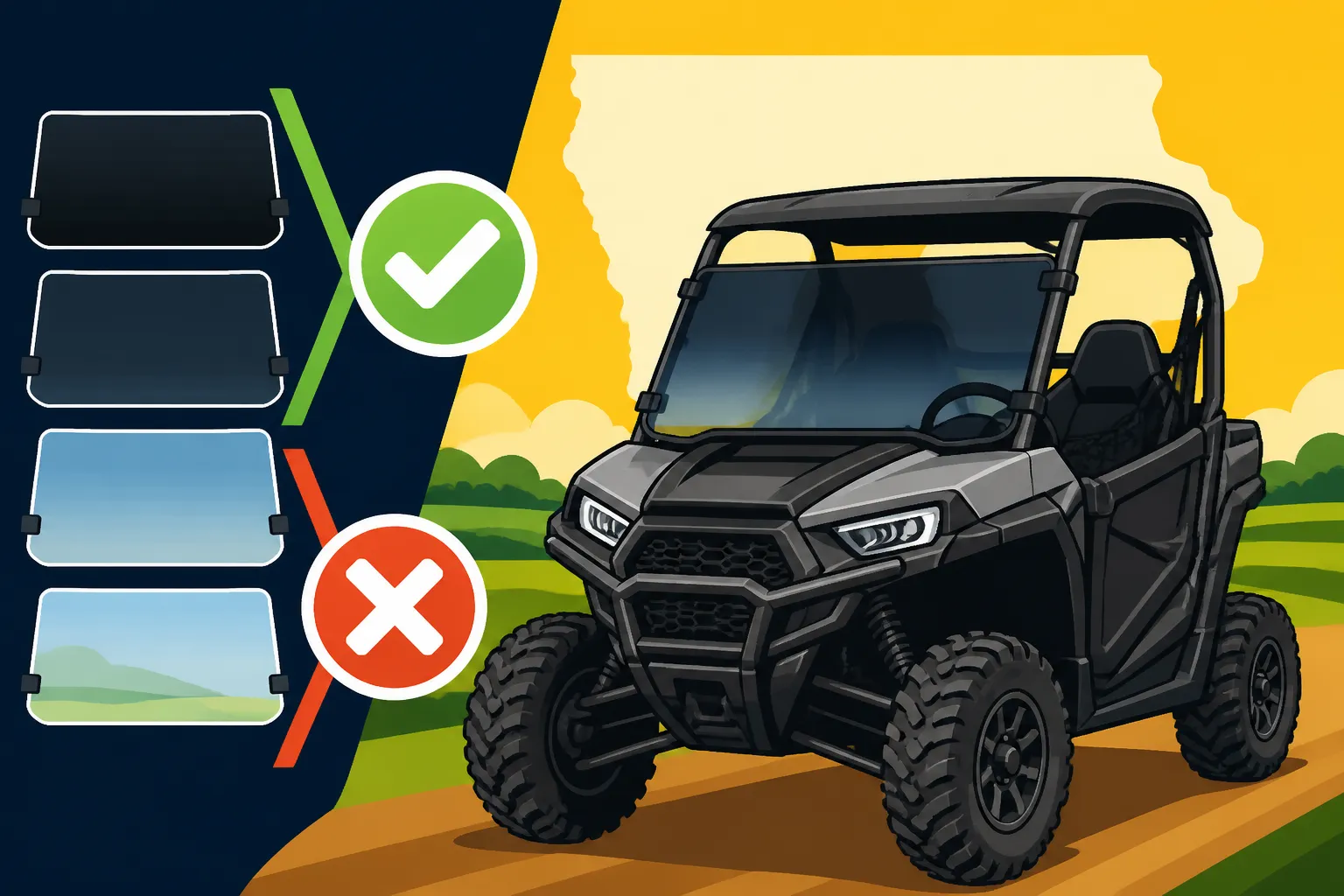
The primary measure for window tint is Visible Light Transmittance, or VLT. This percentage indicates how much light can pass through the tinted material. For most vehicles in Iowa, the law is quite clear: the front windshield, meaning the entire area, cannot have any aftermarket tinting below the AS-1 line (a small mark typically found on the side of the windshield, about five inches from the top). Below that line, the windshield must allow at least 70% of visible light through. Think of it this way: 70% VLT means it’s only blocking 30% of the light. It's essentially a very light tint, often barely noticeable, or it might just be the natural tint that comes from the manufacturing process of the glass or plastic.
For the side windows, if your UTV has them, the rules are slightly different. Front side windows (next to the driver and front passenger) generally need to allow at least 70% VLT. Rear side windows and the rear window can often be tinted darker, as long as the vehicle has both left and right side mirrors. Since ATVs and UTVs are primarily off-road vehicles that sometimes venture onto roads, the focus will almost always be on the forward visibility through the main windshield area. If your aftermarket windshield for your UTV or ATV is darker than 70% VLT below the AS-1 line (or if there is no AS-1 line, for the entire viewing area), you could be in violation.
The "Clear and Unobstructed" Requirement
Beyond the specific VLT percentage, Iowa law also has a general "clear and unobstructed" vision requirement for drivers. This is a common-sense rule that aims to ensure nothing significantly impedes your view of the road, traffic, or potential hazards. A windshield that is excessively scratched, cracked, or obscured by stickers (beyond legal requirements like registration decals) could also be considered a violation of this rule, even if it has no tint. The spirit of the law is to ensure that the driver has the best possible field of vision for safe operation.
This "clear and unobstructed" rule is particularly relevant for ATVs and UTVs that might pick up a lot of trail dust, mud, or scratches from brush. Even if your windshield isn't tinted, if it's so dirty or damaged that it significantly impairs your ability to see, a law enforcement officer could deem it unsafe for road use. Imagine driving down a dark gravel road at dusk; a dirty or overly dark windshield can turn a challenging situation into a dangerous one. It's not just about the tint, but the overall condition of your viewing area that allows you to safely operate your machine when mixing with other vehicles.
What Constitutes a Windshield on an OHV
This can be a point of confusion for many riders. Does that small plastic deflector on your ATV count as a "windshield"? What about the full polycarbonate enclosure on your UTV? Generally, if the item is positioned to provide forward visibility and protection from the elements, and it's substantial enough to be considered a viewing area, law enforcement will likely treat it as a windshield under the tint regulations when on public roads. This means that a full, wrap-around polycarbonate windshield on a UTV is almost certainly subject to the same VLT rules as a car's windshield.
On the other hand, a very small, minimalist deflector on an ATV that's only a few inches high and primarily meant to deflect wind or roost might not be considered a "windshield" in the same sense, though it still needs to be clear and not obstruct vision. The key is its function and size in relation to the driver's direct line of sight. If it's a primary viewing portal, it's a windshield. Many aftermarket companies, like SuperATV, offer a variety of windshields, from full glass to half polycarbonate, and it's up to the rider to ensure the specific model chosen, if tinted, meets Iowa's VLT standards for road use. It's always better to err on the side of caution and assume that if it's in your direct line of sight, the tint rules apply.
Why These Tint Laws Matter for Riders
You might think, "It's just a little tint, what's the big deal?" But Iowa's windshield tint laws aren't arbitrary. They're in place for very practical reasons, primarily concerning safety and enforceability. Ignoring these regulations can lead to more than just a minor inconvenience; it can create genuinely hazardous situations and unwelcome interactions with law enforcement. Understanding the underlying reasons for these laws can help you make informed decisions about your machine's setup.
Safety Implications of Dark Tints
The most crucial reason for VLT regulations is safety. When a windshield is too dark, especially at night or in low-light conditions (like dusk, dawn, or during heavy rain or fog), it significantly reduces the driver's ability to see clearly. This isn't just about seeing what's directly in front of you; it's about peripheral vision, detecting hazards approaching from the sides, and seeing pedestrians or wildlife that might dart out unexpectedly. For an ATV or UTV, which might already have a higher center of gravity or different handling characteristics than a car, impaired visibility only compounds the risks.
Consider a scenario: you're riding your UTV with a heavily tinted windshield on a secondary gravel road in Iowa, heading home after sunset. Another vehicle, perhaps a farm truck, approaches without its brights on, or a deer jumps out from the ditch. With a legal, clear windshield, your reaction time is maximized. With a windshield tinted below legal limits, those crucial seconds of recognition could be lost, potentially leading to an accident. This is particularly relevant when riding on public roads where you're sharing the space with other drivers who may not expect an OHV or be looking for one. The state has a vested interest in keeping its roads safe, and clear vision is paramount to that goal.
Enforcement and Roadside Checks
Iowa law enforcement officers, including county sheriffs and DNR conservation officers, are trained to spot violations of vehicle equipment laws. During a routine roadside stop, or if you're specifically pulled over for suspected road-use violations, your windshield tint will be one of the things [What an Iowa Deputy Checks Roadside]. They have tools, sometimes as simple as a small light meter, to get a reading on your tint. Even without a meter, an officer can make a judgment call if a tint appears excessively dark, leading to a stop.
Many riders describe the frustration of being pulled over for something they perceive as minor, but for law enforcement, it's about enforcing safety standards. If your windshield is too dark, you're not just risking a ticket; you're also opening yourself up to a longer interaction where other aspects of your machine and operation might be scrutinized. This could include checking for proper [Iowa ATV Insurance Requirement], a valid [Iowa Driver's License Rules for ATVs], or even confirming your route is permissible under [Iowa Rules for Riding a Paved Secondary Road]. A non-compliant windshield is an easy reason for an officer to initiate a stop, and that can snowball into a more extensive check of your ATV or UTV's road-legal status.
The Officer's Discretion and Your Experience
It's true that law enforcement officers often have some discretion when it comes to minor violations. A slight imperfection might be overlooked, especially if you're otherwise compliant and courteous. However, a clearly illegal windshield tint is often not something that can be easily dismissed, as it directly impacts safety and is typically a clear-cut violation of the state code. Your personal experience on the road with an officer can be significantly influenced by how obviously your machine is in violation.
If you have a windshield that is noticeably darker than what's legally allowed, you're essentially painting a target on your machine. Officers are looking for reasons to ensure safety, and an obscured windshield is a red flag. On the other hand, a machine that is clearly compliant, with a legal windshield, proper lighting, and a visible registration decal, tends to draw less attention and can lead to a more positive interaction if you are stopped for another reason. It's about presenting yourself as a responsible rider who understands and respects the rules of the road. Don't let something as fixable as a windshield tint be the reason for an inconvenient stop or an unnecessary fine.
Navigating Aftermarket Accessories and Compliance
One of the best parts about owning an ATV or UTV is the ability to customize it and add accessories that enhance your riding experience. From winches to light bars, the aftermarket industry is massive. Windshields are a prime example of an accessory that many riders add for comfort and protection. However, when you're looking at aftermarket options, especially those with tint, compliance with Iowa law for road use becomes a critical factor.
The Popularity of Aftermarket Windshields
Aftermarket windshields are incredibly popular among ATV and UTV owners in Iowa. Whether it's to keep the wind out of your face on the trails, deflect mud and debris, or offer some protection from rain, a good windshield significantly improves comfort. Companies like SuperATV offer a vast array of options, from full glass windshields that mimic a truck's to durable polycarbonate half-windshields that are quick to install and remove. Riders often choose tinted versions for UV protection, glare reduction, or simply for the aesthetic appeal.
The challenge arises because many of these aftermarket options are designed for off-road use only, where tint laws are essentially non-existent. The manufacturer might offer a dark smoke tint that looks fantastic on the trail but is completely illegal for road use in Iowa. It's crucial for riders to understand that while these products are readily available, the responsibility to choose and install a compliant option falls squarely on them, especially if they plan on using their machine on public roads. You can find windshields designed for all conditions, but you need to ensure the one you pick aligns with your intended use.
Making Compliant Choices
When you're shopping for an aftermarket windshield, especially for a UTV or ATV that you intend to use on public roads, prioritize compliance. Look for options that explicitly state they are street legal or meet specific VLT requirements. If the product description doesn't mention VLT, or if it says "off-road use only," proceed with extreme caution. Often, clear polycarbonate windshields are the safest bet for road-legal use, as they naturally meet the 70% VLT requirement for the primary viewing area. Some manufacturers might offer a very light "smoke" tint that does meet the 70% VLT, but it's essential to verify this.
If you absolutely want some level of tint, perhaps for glare reduction, consider a windshield with a minimal tint that's explicitly labeled as street-legal, or look for options that only tint the very top portion (above the AS-1 line, if applicable) while keeping the main viewing area clear. This requires a bit more research than simply picking the coolest-looking option, but it's far better than facing a ticket or being unable to use your machine on certain roads. Always assume that if you're going on roads, your windshield needs to be as close to perfectly clear as possible.
Installation Considerations
Even if you've purchased a compliant windshield, improper installation can inadvertently lead to issues. For example, if the windshield isn't properly sealed, or if mounting hardware obstructs your vision, it could violate the "clear and unobstructed" rule. Ensure that any added accessories like GPS mounts, phone holders, or dash cams are placed in a way that does not materially block your view through the windshield. While these items are generally small, their placement matters.
Additionally, some riders might try to apply aftermarket tint films to a clear windshield. This is often more problematic than buying a pre-tinted one. It's very difficult to achieve a precise VLT percentage with DIY film, and often the application isn't perfect, leading to bubbles or peeling that can further obscure vision. If you decide to go this route, be prepared to accurately measure the VLT and understand that many tint shops specializing in cars might not be familiar with OHV windshields or their specific legal requirements for road use. It's always a safer bet to start with a windshield that is manufactured to be compliant for road use.
Consequences of Non-Compliant Windshields
It's easy to think of a tinted windshield as a minor issue, but in Iowa, especially when operating your ATV or UTV on public roads, it can lead to tangible and often expensive consequences. The state takes vehicle safety seriously, and a non-compliant windshield can quickly turn a fun ride into a legal headache. Understanding these potential repercussions can help reinforce the importance of compliance.
Fines and Citations
The most immediate consequence of riding with an illegally tinted windshield in Iowa is a traffic citation. This typically comes with a fine, and while it might not be as steep as some other violations, it's still an unwelcome expense that could have been easily avoided. The exact amount of the fine can vary, but any fine is a waste of your hard-earned money. These fines are often levied under sections of the Iowa Code related to vehicle equipment or safe operation, and they can add up if you're cited multiple times.
Furthermore, a citation for an equipment violation can sometimes require you to rectify the issue and provide proof to the court that your windshield has been made compliant. This means you might not only pay a fine but also incur the cost of replacing your non-compliant windshield with a legal one. Imagine having to remove that expensive tinted windshield you just installed from SuperATV and buy a clear one, all while still paying the fine for the original violation. It's a double hit to your wallet that no rider wants. This is part of [Iowa Fines for Illegal ATV Road Use] and it's something deputies look for.
Potential for Impoundment or Further Action
While less common for a simple tint violation, consistently riding with an illegal windshield or combining it with other serious violations (like no registration, no insurance, or operating recklessly) could escalate the situation. In extreme cases, repeated offenses or a blatant disregard for safety regulations could lead to your machine being impounded. This is an absolute worst-case scenario that causes immense stress, cost, and inconvenience. The goal of law enforcement is usually compliance, but when that fails, more drastic measures can be taken.
An illegally tinted windshield also makes you more susceptible to being pulled over, which then opens the door for officers to check for other potential violations. Perhaps your registration decal isn't properly mounted, or you forgot your [Carrying the Certificate on an Iowa Ride]. One small violation can quickly lead to others being discovered, and what started as a simple tint issue could snowball into multiple citations or even more severe actions. It's a ripple effect that responsible riders should aim to avoid entirely by ensuring their machines are fully compliant from the start.
Insurance Implications
While a tint violation itself might not directly impact your insurance rates in the same way an accident or reckless driving ticket would, it can have indirect consequences. If you were involved in an accident while operating your ATV or UTV with an illegally tinted windshield, your insurance company could potentially argue that your obscured vision contributed to the crash. This might not invalidate your entire policy, but it could lead to complications with claims, potentially reducing your payout or increasing your liability.
Insurance companies look for any factors that contribute to risk. An illegal modification that directly impacts safety, such as an overly dark windshield, could be seen as a breach of your responsibility as a policyholder to operate your vehicle safely and legally. For riders who carry [Iowa ATV Insurance Requirement] to legally ride on public roads, this is a serious consideration. You want your policy to protect you, and providing any reason for an insurer to question a claim is something to actively avoid. Always review your policy details and ensure all aspects of your machine, especially when road legal, align with what your insurer expects.
Practical Tips for Ensuring Your Windshield is Legal
Navigating Iowa's windshield tint laws for your ATV or UTV doesn't have to be a guessing game. There are practical steps you can take to ensure your machine is compliant, keeping you safe, legal, and enjoying your ride without unnecessary worries. Being proactive is always better than reacting to a citation.
Measuring Your Tint (VLT Meters)
If you're unsure about your current windshield's tint, or if you're considering a slightly tinted aftermarket option, you can actually measure the Visible Light Transmittance (VLT). Professional tint shops have accurate VLT meters that can give you a precise reading. These devices clamp onto the window and measure the percentage of light passing through. While you might not own one yourself, a quick visit to a local automotive tint shop could provide you with the answer you need. Many shops will do a quick check for free or for a minimal fee.
Alternatively, there are less precise but still useful methods you can use at home. You can often get a general idea by holding a piece of white paper behind the tint in bright sunlight and comparing it to another piece held against a clear window. If your windshield looks significantly darker than a standard car window, it's a good indicator that it might be below the 70% VLT threshold for road use. It's important to be honest with yourself about this assessment, as an officer's judgment at a [What an Iowa Deputy Checks Roadside] stop will likely be less forgiving.
Consulting the Law and Local Authorities
When in doubt, always go straight to the source. You can look up the specific Iowa Code sections pertaining to vehicle window tint. These are publicly available documents and provide the precise legal language. While legal jargon can sometimes be dense, understanding the exact percentages and conditions is key. A simple search for "Iowa window tint law" will usually lead you to the relevant statutes.
If you still have questions or need clarification regarding your specific ATV or UTV setup, don't hesitate to contact your local county sheriff's office or the Iowa Department of Natural Resources (DNR). These are the authorities responsible for enforcing the laws. A quick, polite phone call explaining your situation and asking for guidance can save you a lot of trouble down the road. They can often provide practical advice or confirm whether a particular type of windshield would be compliant for public road use. It's always better to ask proactively than to learn the hard way through a ticket.
Choosing Legal Accessories
When buying any accessory for your ATV or UTV, especially one that impacts safety or visibility, always consider its legality for road use if you plan on taking your machine on public roads. For windshields, this means prioritizing clear or minimally tinted options that explicitly meet Iowa's 70% VLT requirement for the front windshield. Many reputable aftermarket companies, including SuperATV, offer clear polycarbonate and glass windshields that are excellent choices for road-legal use. They provide protection without compromising visibility or legal compliance.
Here’s a quick comparison of windshield options:
| Feature | Clear/Lightly Tinted Windshield (e.g., 70% VLT) | Darkly Tinted Windshield (e.g., 35% VLT) |
|---|---|---|
| Legal for Iowa Roads | Generally YES, for front windshield area below AS-1 line. | Generally NO, for front windshield area below AS-1 line. |
| Visibility (Day) | Excellent, minimal reduction in light, clear vision. | Good to moderate, reduces glare but can make shadows/details harder to discern. |
| Visibility (Night/Low Light) | Optimal, allows maximum light transmission for safe night riding. | Poor, significantly reduces visibility, especially dangerous at night or in rain. |
| Enforcement Risk | Low, unlikely to draw attention from law enforcement. | High, likely to be stopped for a visual inspection of tint. |
| Safety | High, ensures unimpeded view of road and surroundings. | Lower, increased risk of missing hazards due to reduced light transmission. |
| Common Use Case | Road-legal use, general trail riding, all-weather protection. | Off-road use only, stylistic preference, extreme sun glare conditions (off-road). |
Remember, your investment in a high-quality, compliant windshield is an investment in your safety and peace of mind. Don't compromise on visibility for aesthetics, especially when you're sharing the road with other vehicles. Make sure you understand [Why Iowa Requires a Driver 18 or Older] and carry your driver's license, as these are also key components of being road legal. By choosing legal accessories, you ensure your rides remain enjoyable and free from legal complications.
Disclaimer
This article is for general informational purposes only and does not constitute professional advice. Laws, prices and regulations vary by location and change over time. Consult a qualified professional for guidance on your specific situation.