Tracing a Serial Number at the Recorder
Buying a used ATV or UTV in Iowa can be an exciting prospect, opening up a world of outdoor adventures on trails, timber, and farmland. However, the thrill can quickly turn to dread if you accidentally purchase a stolen machine, one with hidden liens, or one from a seller who isn't the legal owner. This comprehensive guide will walk you through the essential process of tracing a serial number at an Iowa County Recorder's office, empowering you to make a safe and informed purchase and avoid common pitfalls.
Why Tracing a Serial Number is So Important Before You Buy
When you're looking at a used ATV or UTV, it's easy to get caught up in the excitement of the deal. You might be focused on the price, the condition, or imagining your first ride. But before you hand over any cash, there's a crucial step that far too many buyers overlook: verifying the machine's history through its serial number. This isn't just about being cautious; it's about protecting yourself from significant legal and financial headaches down the road.
Protecting Yourself from a Stolen Machine
Imagine this: you've just bought a fantastic side-by-side at a steal of a price. You take it home, ready to register it, only to find out it was reported stolen a year ago from a county two states over. Suddenly, that "steal" has become a nightmare. If you buy a stolen machine, even unknowingly, you don't legally own it. The original owner still does, and law enforcement will seize it from you without compensation. You'll be out the money you paid, without a machine, and potentially facing questions from authorities. Tracing the serial number at the County Recorder's office is one of your strongest defenses against this scenario, helping you confirm that the machine has a clean record and isn't a hot item that someone is trying to offload. It brings a peace of mind that no initial discount can match.
Uncovering Hidden Liens and Outstanding Debts
Another major pitfall when buying used vehicles, including ATVs and UTVs, is purchasing a machine with an active lien against it. A lien means someone else—often a bank or a financing company—has a legal claim to the machine until a debt is paid off. If the seller hasn't paid off their loan, that lien could transfer to you when you buy the machine. Yes, you read that right. You could legally become responsible for someone else's debt. The financial institution still has a right to the machine if the original borrower defaults, and they could come looking for you to repossess it, even if you paid the seller in full. By tracing the serial number, you can uncover any active liens registered with the state, ensuring that when you purchase the machine, you're truly buying it free and clear, without any lingering financial obligations. This is a critical step that protects your investment from day one.
Verifying Ownership and Transfer History
Beyond stolen status and liens, tracing the serial number allows you to confirm that the person selling you the ATV or UTV is the legitimate, legal owner of the machine. It's not uncommon for people to try to sell vehicles that aren't technically theirs, or that they haven't properly titled themselves after a previous purchase. You might encounter someone selling a machine that belonged to a deceased relative, but they haven't gone through the proper legal steps to transfer ownership themselves. If the seller isn't the registered owner, you won't be able to legally transfer the title into your name, leaving you in a very difficult position. The County Recorder's records can show the current registered owner and the history of ownership transfers, giving you confidence that you are dealing with the rightful seller. This step is fundamental to ensuring a smooth and legal [Iowa ATV Registration Transfer] once you complete the purchase.
What Information the County Recorder Can Access (and Why It Matters)
In Iowa, the process for registering and titling Off-Highway Vehicles (OHVs) like ATVs and UTVs is a little different than for cars and trucks. While the Department of Transportation (DOT) handles your everyday passenger vehicles, OHVs fall under the purview of your local County Recorder's office. This distinction is crucial to understand when you're trying to trace a serial number.
The Recorder's Role in Iowa OHV Records
Each of Iowa's 99 counties has a County Recorder's office, and these offices are the central hubs for all things related to ATV and UTV registration and titling. Unlike some states where various agencies might hold bits of information, in Iowa, your County Recorder keeps comprehensive records for off-highway vehicles registered within their county. They are equipped to handle new registrations, renewals, title transfers, and, critically for your purposes, perform searches on existing records. This means when you visit the County Recorder, you're going straight to the source for official state-level information on an ATV or UTV. They are the gatekeepers of this crucial data, making them your first and best stop for a thorough history check. Understanding [Why a County Recorder and Not the DMV] handles these transactions is key to knowing where to go for information.
Specific Data Points Linked to a Serial Number
When you present a serial number (often called a Vehicle Identification Number or VIN for most vehicles) to the County Recorder, they can usually access a wealth of information from their database. This isn't just a simple "yes or no" check. They can typically look up:
- Current Registered Owner: This is perhaps the most important piece of information, confirming who legally owns the machine right now.
- Title History: They can see when the machine was first titled, and any subsequent title transfers. This helps establish a chain of ownership.
- Lien Holders: Any active liens will be noted on the title record. This is vital for ensuring you're not inheriting debt.
- Registration Status: They can tell you if the machine is currently registered, when its last registration expired, and if there are any outstanding penalties.
- Machine Description: The make, model, year, and often even the color will be linked to the serial number, allowing you to confirm it matches the physical machine you're looking at.
This detailed information gives you a robust picture of the machine's legal standing and history, far beyond what any casual inspection or conversation with a seller can provide.
Limitations of the Recorder's Search
While the County Recorder's office is an invaluable resource, it's important to understand what they cannot tell you. Their records are focused on legal ownership, registration, and financial encumbrances. They typically won't have information on:
- Maintenance History: They won't know when the oil was last changed, what repairs have been done, or any service records.
- Accident History: Unless an accident resulted in a salvaged title (which is less common for ATVs/UTVs than cars) or was reported through a specific title notation, the Recorder's office typically doesn't track minor accident damage or repair history. Iowa does have [Iowa Accident Reporting on Form 542-8093] requirements, but this information isn't usually public record tied to a VIN search at the Recorder's office.
- Recalls or Manufacturer Defects: While important for safety, this information is usually held by the manufacturer or specific industry databases, not the county government.
- Market Value or Pricing: The Recorder's office is not involved in appraising or valuing machines.
Therefore, while the serial number trace is paramount for legal due diligence, it should be combined with a thorough physical inspection of the machine and other checks to get a complete picture.
Your Step-by-Step Guide to Tracing an ATV/UTV Serial Number in Iowa
Now that you understand why this step is so important, let's walk through the practicalities of tracing an ATV or UTV serial number at an Iowa County Recorder's office. It's a straightforward process, but preparing beforehand will make your visit much more efficient and productive.
Locating and Documenting the Serial Number
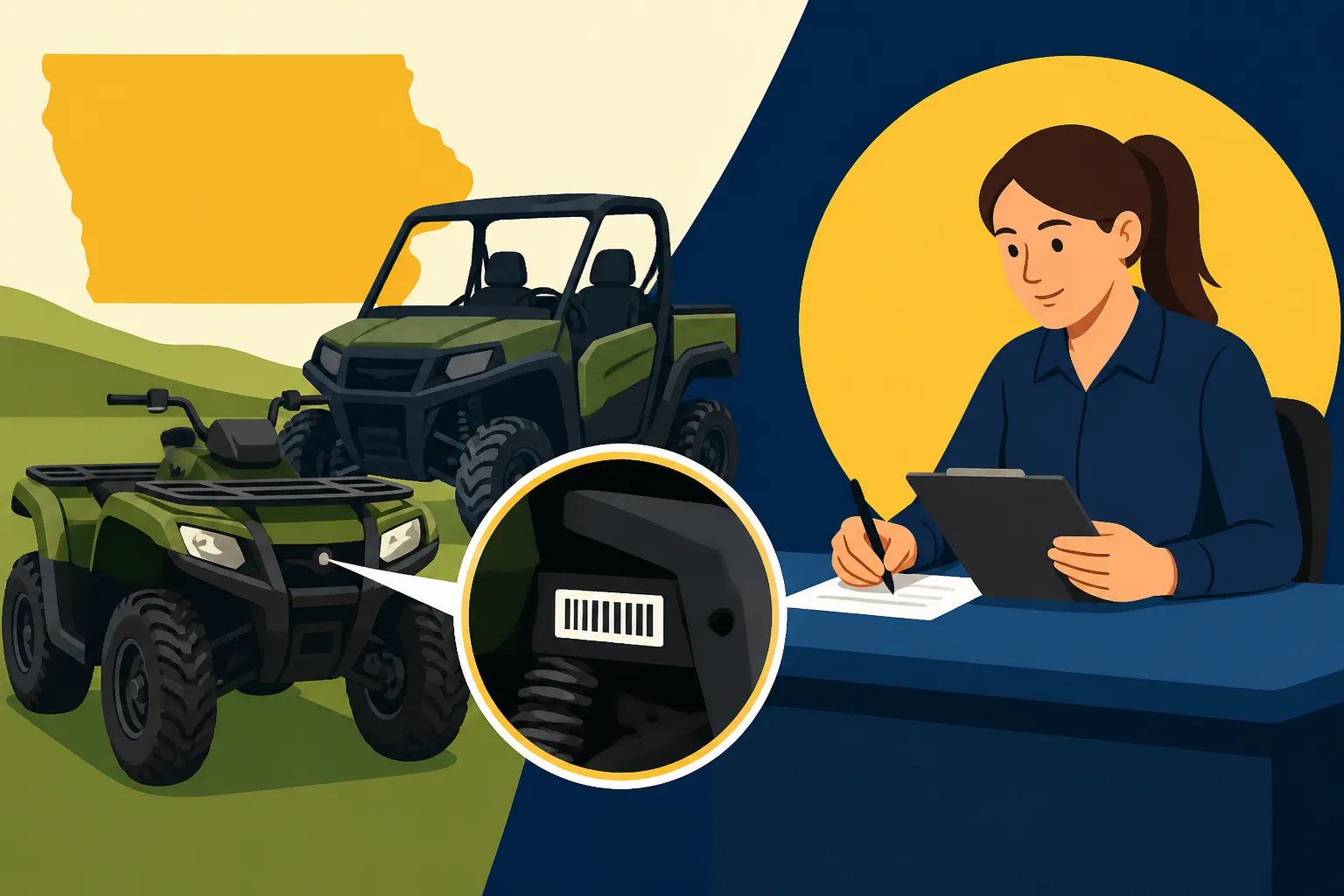
The first and most critical step is to find the serial number on the ATV or UTV itself. For most modern machines, this is typically an alphanumeric Vehicle Identification Number (VIN) of 17 characters. It's usually stamped into the frame of the vehicle. Common locations include:
- Front Frame: Look on the frame directly behind the front bumper or suspension components.
- Lower Left Frame Rail: Often near the footpeg or floorboard area on the rider's left side.
- Steering Head: Sometimes found on the steering neck area.
- Engine Casing: Less common for the primary VIN, but some manufacturers stamp numbers here.
It's absolutely vital to write down the serial number exactly as it appears on the machine. Any discrepancy, even a single digit or letter, could lead to incorrect search results or raise red flags. Take a photo of it if possible, and then compare it to the serial number listed on any title document or bill of sale the seller might provide. If they don't match, walk away – that's a huge red flag.
Preparing for Your Visit to the County Recorder
Before you head to your local County Recorder's office, gather a few items to ensure a smooth visit:
- The Serial Number: Have this clearly written down or printed. Double-check it.
- Your Photo ID: You'll likely need this for any official transaction or inquiry.
- Seller's Information (if available): If you have the seller's name and address, it can sometimes help narrow down searches, though the serial number is usually sufficient.
- Any Documents Provided by the Seller: If the seller has shown you a title or a bill of sale (perhaps one created using a template from a service like LawDepot), bring copies. These can provide additional context for the Recorder's search.
- A Small Amount of Cash for Fees: While simply asking for a record search based on a serial number might not incur a large fee, some offices may charge a nominal processing fee for inquiries or printing records. It's always wise to be prepared. For instance, Iowa registrations include [The $2 Writing Fee on Every Registration] for the county.
You can visit any County Recorder's office in Iowa, not just one in the county where the seller lives or where the machine was previously registered. They all access the same statewide OHV database.
What to Ask and Expect at the Counter
When you arrive at the County Recorder's office, clearly state that you are looking to purchase a used ATV/UTV and wish to perform a serial number check to verify its history.
You might say something like: "Hello, I'm considering purchasing a used ATV/UTV, and I'd like to check the history of a machine using its serial number. Here is the serial number [provide serial number]. Can you tell me if there are any active liens or if it's currently registered to the person selling it?"
The clerk will then enter the serial number into their system. They should be able to tell you:
- The name of the current registered owner.
- Whether there are any active liens on the machine.
- The general status of its title and registration.
Be prepared for them to provide this information verbally. They may or may not print out a detailed report for you without a formal request for a certified record, which might involve a small fee. Remember, they are there to help you access public records related to OHVs.
Interpreting the Information You Receive
This is where your detective work really pays off. Cross-reference everything the County Recorder tells you with the information provided by the seller.
- Matching Owners: Does the name the Recorder gives you match the name on the title the seller presented? Does it match the seller's photo ID? If not, why? A legitimate reason might be a recent purchase not yet transferred, but this requires more documentation (like a dated bill of sale from the actual owner to your seller).
- Clean Title: Is the title free of liens? If the Recorder states there's an active lien, the seller absolutely must show proof that the lien has been satisfied (paid off) before you proceed with the purchase. Otherwise, you could be on the hook for that debt.
- Registration Status: While not directly affecting ownership, an unregistered machine might indicate it hasn't been ridden recently or that the owner simply hasn't bothered to follow the rules. It's less of a red flag than a stolen machine or lien, but still worth noting.
Red Flags to Watch For:
- Different Owners: If the name on the official record doesn't match the seller, proceed with extreme caution. Ask for a clear explanation and supporting documentation.
- Active Liens: Do not buy a machine with an active lien unless you have absolute, verifiable proof that the lienholder has been paid off and the lien will be released immediately upon your purchase.
- No Record Found: This could mean the machine was never titled or registered in Iowa, which is problematic. It could also mean it's an "off-road only" machine from another state not intended for registration. Clarification is key here.
By carefully comparing notes, you can confidently determine if the machine has a clean history and if the seller is legitimate.
Beyond the Recorder: Additional Due Diligence for Your Purchase
While tracing the serial number at the County Recorder is a foundational step, a smart buyer doesn't stop there. Combining this official check with other forms of due diligence will give you the most complete picture and ultimate peace of mind when buying a used ATV or UTV in Iowa.
Inspecting the Machine Itself
Never buy a machine without a thorough physical inspection. This goes beyond just kicking the tires. Look for:
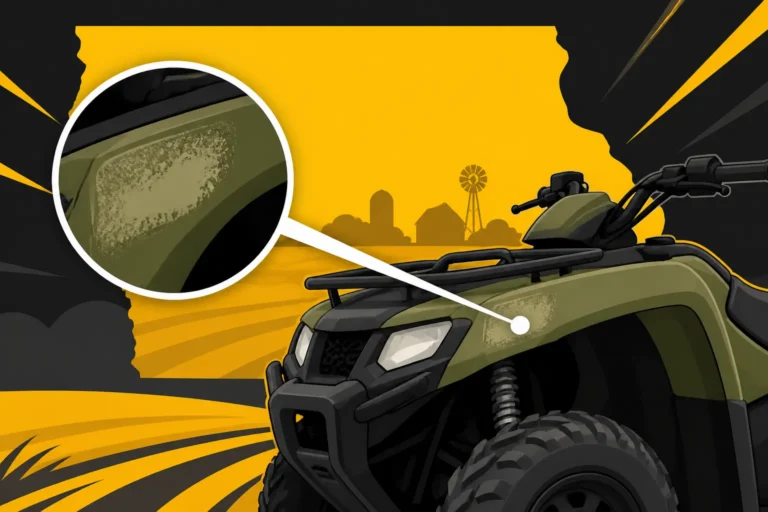
- VIN Plate Tampering: Check if the serial number plate or stamping looks altered, scratched, or re-stamped. This is a major red flag for a potentially stolen vehicle.
- Overall Condition: Assess the general wear and tear, fluid leaks, tire condition, and any signs of major damage or shoddy repairs. Does the machine's physical condition align with what the seller is telling you about its history or mileage (if applicable)?
- Functionality: Test the brakes, lights, steering, and engine. If you're not mechanically inclined, consider paying a trusted mechanic to perform a pre-purchase inspection. This small investment can save you from costly repairs down the road.
A machine that looks too good to be true, or one with a VIN that seems tampered with, should raise immediate alarm bells.
Securing a Proper Bill of Sale
Even after verifying the serial number and inspecting the machine, a comprehensive bill of sale is your legal safety net. This document should clearly state:
- The full names and addresses of both the buyer and the seller.
- The date of the sale.
- A detailed description of the ATV/UTV, including its make, model, year, color, and most importantly, the exact serial number you verified.
- The agreed-upon purchase price.
- A statement that the machine is sold "as-is," or any specific warranties if offered (though "as-is" is common for private sales).
- Signatures of both the buyer and the seller.
Using a reputable template, perhaps one from a service like LawDepot, can ensure all necessary legal boilerplate is included. A well-drafted bill of sale protects both parties and is a critical document for proving ownership when you go to register the machine in your name. Having a clear [An Iowa Bill of Sale for an ATV] on hand is not just good practice, it's essential.
Verifying Seller Identity and Information
Don't just take the seller at their word. Before finalizing the transaction, ask to see their government-issued photo identification (like a driver's license). Verify that the name on their ID matches the name on the title document you've been shown, and that it also matches the current registered owner's name provided by the County Recorder. If there are discrepancies, ask for a clear explanation and supporting documents. If the seller is hesitant or refuses to provide ID, consider that a serious warning sign. This step is about ensuring you're dealing with the rightful owner and not someone trying to fraudulently sell a machine that isn't theirs.
Understanding the Iowa Transfer Process
Finally, before you even commit to the purchase, make sure you understand the steps required to transfer ownership into your name in Iowa. This typically involves taking the properly signed-over title (and bill of sale) to your County Recorder's office to apply for a new title and registration in your name. You'll pay [Iowa Sales Tax on an ATV Purchase], title fees, and registration fees at this time. Knowing this process beforehand will allow you to ask the right questions of the seller (e.g., "Do you have the clean title ready to sign over?") and ensure you're prepared for the costs and paperwork involved immediately after the purchase. Being proactive prevents delays and potential fines down the road.
By taking the time to trace the serial number and complete these additional due diligence steps, you'll be well-equipped to make a smart, safe, and legal purchase of a used ATV or UTV in Iowa, ready to hit the trails with confidence.
| Information Category | What the County Recorder Can Tell You | What the County Recorder Cannot Tell You |
|---|---|---|
| Ownership | Current registered owner, past owners, date of transfers | Who is physically possessing the machine, prior unofficial owners |
| Legal Encumbrances | Any active liens (e.g., from a bank loan) | Private agreements between parties, informal debts |
| Registration Status | Current registration, expiry date, previous registration details | Why registration lapsed, owner's riding habits |
| Machine Details | Make, model, year, official description, serial number | Specific modifications, aftermarket accessories |
| Maintenance | None | Service history, repair records, oil changes |
| Accident History | Whether a salvaged title was issued (rare for OHVs) | Details of minor accidents, repairs, or damage |
| Recalls/Defects | None | Manufacturer recalls, common mechanical issues |
Disclaimer
This article is for general informational purposes only and does not constitute professional advice. Laws, prices and regulations vary by location and change over time. Consult a qualified professional for guidance on your specific situation.