Filming at an Iowa OHV Park
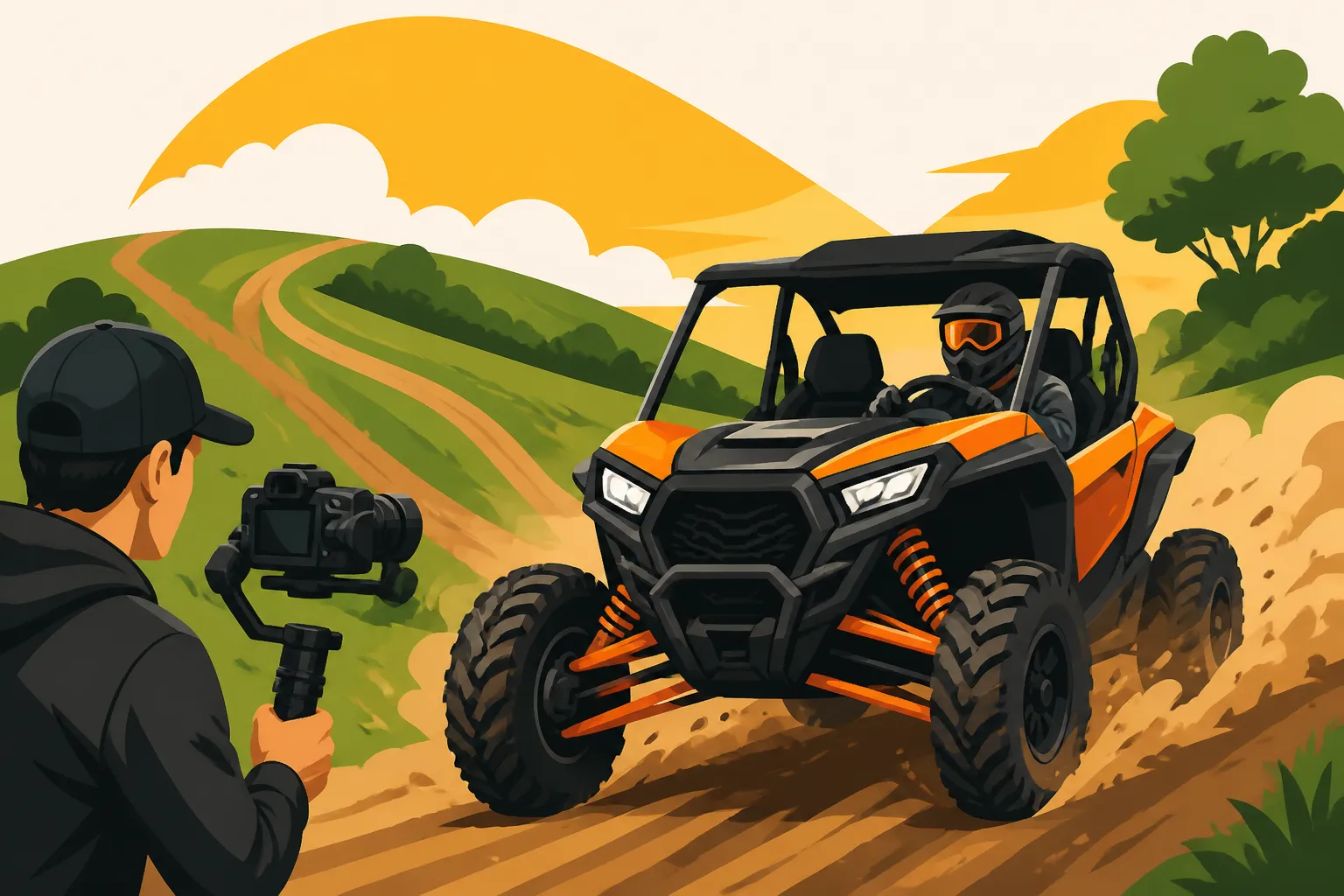
Filming at an Iowa OHV park can be as simple as recording your own ride, or it can involve a crew, commercial work, or an organized event. Those situations may be treated differently. The safest approach is to separate ordinary personal footage from production activity, then ask the park operator before bringing extra people or equipment.
Start by identifying what kind of filming you plan to do
A rider recording a few clips for personal use is not the same as a production using a crew, staging area, interviews, or paid promotion. The more your filming affects other visitors or park operations, the more important it is to get approval in advance.
There is no single filming arrangement you should assume applies at every Iowa riding area. Parks can have different operators, site layouts, schedules, and local rules. Some areas are managed by a county or a club, and site-specific instructions may matter as much as general state rules. For background on the different places available, see Iowa’s Eight Designated OHV Parks.
| Filming plan | What to consider | Best next step |
|---|---|---|
| A few personal clips while riding | Follow ordinary riding rules and avoid distracting yourself or others | Ask whether handheld or mounted recording is allowed |
| A camera mounted on your machine or helmet | Mounting must be secure and must not interfere with control, visibility, or protective gear | Confirm the park’s rules and check the mount before riding |
| A small group recording a shared ride | The group may take up trail or staging space and affect other riders | Contact the park before choosing a date and meeting point |
| Interviews or a planned shoot | You may need to stop, reposition people, or occupy a particular area | Describe the setup and ask what approval is needed |
| Commercial, sponsored, or promotional filming | The project may involve business use, identifiable brands, or organized production | Get written guidance from the park operator before filming |
| A large crew, event, or reserved area | The activity may be treated as an organized event rather than casual filming | Ask about event approval, insurance, and site availability |
For a solo rider, the main question is usually whether the camera and its operation are compatible with the park’s safety rules. A camera should not block your view, loosen during a ride, or encourage you to operate a machine one-handed. Stop in a safe place before adjusting equipment or reviewing footage. Do not stop on a blind corner, narrow trail, jump approach, or other location where riders may not see you in time.
A helmet camera can also affect how your helmet fits or performs. Use equipment that is appropriate for the helmet and follow the helmet manufacturer’s guidance. Avoid attachments that could snag on branches or create a hazard in a rollover. A handlebar or rack mount needs the same practical check: it should stay secure over vibration and bumps, and it should not obstruct controls, lights, or a passenger’s position.
If you are assembling a simple personal setup, a retailer such as Amazon may carry common camera mounts and protective cases. That does not make a particular product approved for a park or suitable for every machine. Check fit and attachment instructions carefully, and ask the park if its rules address cameras or mounted equipment.
When to contact the park before filming
Contact the park before you arrive if your plan goes beyond recording your own ride as part of ordinary recreation. That includes bringing a crew, setting up a tripod, conducting interviews, staging repeated passes, reserving a meeting area, or filming content for a business, sponsor, or paid campaign.
A short, clear request helps the operator answer the right question. Explain who will be there, what you plan to record, whether you will ride, where you hope to film, and how long you expect to stay. Be specific about equipment such as drones, lights, tripods, microphones, or support vehicles. Do not assume that permission to enter the park also means permission to occupy a trail or block a staging area for production.
Ask these questions before making plans:
- Is the proposed filming allowed at this site, and does it need advance approval?
- Does the answer change if the footage is commercial, sponsored, or intended for publication?
- Are there limits on cameras, tripods, drones, lighting, or other equipment?
- Can the shoot take place during normal public use, or is a separate time or location required?
- Are there areas that must remain open to riders, staff, emergency access, or maintenance?
- Is a special event application or proof of insurance required?
- Who should be contacted if the schedule, crew size, or equipment changes?
A phone call can clarify the basics, but get important approval in writing. Save the response and any conditions so everyone in your group understands what was agreed. If the operator refers you to a different manager or agency, follow that direction rather than treating silence as permission.
For current access details and possible closures, check Calling an Iowa Park Office First and Iowa Trail Conditions Before You Ride. A park that is open for riding may still have a closed section, a maintenance project, or limits on where a group can gather. Filming plans should adapt to the conditions, not pressure staff or riders to work around a closure.
Personal footage versus organized activity
The boundary is practical rather than just a question of whether you are carrying a camera. A rider filming from their own machine is generally a smaller operation than a team repeatedly resetting a shot, directing riders, or using a reserved area. A project can become an organized activity when it involves a planned group, scheduled participation, event-style coordination, or a request to control space.
If you are arranging a group shoot, review Organizing a Ride at an Iowa Park. If the plan involves a public event or an organized activity, ask whether the appropriate process is an event permit rather than a filming request. The applicable decision-maker can vary by location, so do not assume that one park’s procedure covers another.
The same distinction applies to insurance. A personal outing and a production involving hired crew, participants, vehicles, or equipment can raise different questions. Ask the operator what coverage, if any, is required for your proposed activity. Insurance an Iowa Organizer Carries may help frame the questions, but it is not a substitute for requirements specific to the park and project.
Keep filming from interfering with riding and park access
Permission to film does not suspend riding rules. Stay on authorized trails, follow posted signs, and yield to other visitors as required. Do not stop in a location that creates a collision risk, and never ask another rider to perform a maneuver, take a route, or increase speed for a shot if doing so would be unsafe or against park rules.
If you want a clean take, wait until the trail is clear and use a location the park operator has approved. A shot that requires riders to cross an active route repeatedly can create risk even if each pass seems brief. Do not place tripods, bags, cables, lights, or other gear where they could trip someone or obstruct a trail. Pack out all equipment and waste.
For larger setups, consider a staging plan:
- Keep vehicles and trailers in designated parking or staging areas.
- Leave room for emergency access and for other visitors to unload.
- Keep equipment contained when it is not in use.
- Assign one person to watch for approaching riders if filming near an active riding area.
- Stop filming if staff ask you to move or if trail conditions change.
- Do not direct traffic or hold riders back unless park staff have authorized that arrangement.
A park’s ordinary registration or admission requirements still apply to the people and machines using it. Do not assume that a production invitation, filming approval, or event arrangement replaces the normal riding requirements. See Your Registration Decal Is the Park Admission for the relationship between a decal and park access, and Iowa Rules for Riding a Designated Riding Area for general riding considerations.
If your crew includes riders from outside Iowa, check the requirements for both the riders and their machines. Filming status does not automatically resolve permit or reciprocity questions. A visitor should review Iowa’s Permit for a Visiting Machine and confirm that their home-state documents meet the applicable requirements before riding.
For drones, do not assume that a park allowing ground-level filming also allows aerial filming. Airspace rules, privacy concerns, park policies, and the presence of other visitors can all matter. Ask the operator specifically before bringing or launching a drone. If you cannot get a clear answer, leave it out of the plan.
Weather and trail conditions deserve special attention. Wet ground can be damaged by repeated passes, and an operator may close trails or request that riders stay off them. A production schedule is not a reason to ride on a closed or unsuitable trail. Check alerts close to the planned date and be prepared to postpone. The practical guidance in Iowa Trails Closed After Rain can help explain why conditions may change quickly.
A practical approval and shoot-day checklist
Use this process for a planned shoot, especially if more than one person or machine is involved.
- Describe the project honestly. State whether it is personal, commercial, sponsored, educational, or connected to an event. Include the intended audience if that affects how the footage will be used.
- List people and equipment. Give an approximate crew size and identify cameras, mounts, tripods, drones, lights, support vehicles, or other gear.
- Name the requested area and timing. Ask about the specific trail, staging area, or location you have in mind, while making clear that you will follow the operator’s direction.
- Ask what approval is needed. Find out whether a site-specific filming permission is enough or whether an event application, insurance documentation, or another approval applies.
- Get conditions in writing. Save the response, including any limits on time, location, crew size, equipment, parking, or public access.
- Reconfirm before traveling. Closures, weather, maintenance, and staffing can affect the plan. Check the current alert information and contact the operator if anything has changed.
- Brief everyone on arrival. Make sure riders and crew know where filming is allowed, where equipment can go, and who will stop the activity if conditions become unsafe.
- Pack out and leave the site usable. Remove gear, trash, tape, and any temporary markers. Do not leave items behind for a later pickup unless the operator has approved that arrangement.
If the proposed shoot resembles a public gathering or organized event, ask about Applying to the County for a Special Event Permit and Lead Time on an Iowa Event Permit. Those topics can help you identify issues to raise, but the park operator should confirm the correct process for the particular site. Do not assume that a special event permit is always needed for filming, or that filming approval alone covers an event.
Keep copies of any written approval accessible during the shoot. If staff have questions, be ready to explain the plan and show the conditions you were given. If the approved location is busy, muddy, or closed on arrival, stop and contact the operator rather than improvising in a way that affects other users.
The simplest way to avoid a wasted trip is to be precise before you load. Explain whether you are recording a personal ride or producing a coordinated shoot, ask the park operator what approval applies, and keep the riding area safe and open for everyone else. Those steps will not guarantee that every requested setup is allowed, but they make the requirements clearer before people and equipment are on site.
Disclaimer
This article is for general informational purposes only and does not constitute professional advice. Laws, prices and regulations vary by location and change over time. Consult a qualified professional for guidance on your specific situation.