Iowa ATV Decal Placement
Alright, let's talk about ATV and UTV decals here in Iowa. It can be a real headache trying to figure out exactly where that little sticker needs to go, and believe me, you don't want to guess wrong. A misplaced decal can lead to an awkward conversation with a conservation officer or a sheriff's deputy, and nobody wants that when they're just trying to enjoy a ride. This guide is all about cutting through the confusion, showing you exactly where your Iowa ATV decal belongs, and why proper placement is so crucial for a hassle-free experience on our trails and roads.
Understanding Your Iowa ATV/UTV Decal
That small sticker you get when you register your off-highway vehicle (OHV) in Iowa might seem insignificant, but it's actually packed with legal importance. It's your official stamp of approval, telling anyone who needs to know that your machine is legally registered to operate in our beautiful state. Getting it right isn't just about following rules; it's about making your life easier and ensuring you can enjoy Iowa's outdoor recreation without a hitch.
Why Decal Placement Matters So Much
Think of your decal as a visual ID card for your ATV or UTV. When you're out riding, whether it's on a designated trail at Gypsum City OHV Park or a county gravel road, law enforcement needs to be able to quickly and clearly identify that your machine is properly registered. If that decal is hidden, obscured, or just plain in the wrong spot, it raises questions. And trust me, those questions can quickly turn into a roadside stop, an inspection, and potentially even a citation. It's not about being difficult; it's about ensuring public safety and the responsible use of our recreational resources. Proper placement helps officers confirm your compliance at a glance, allowing you and other riders to continue enjoying your day uninterrupted. It also signals to other riders that you're a responsible owner who follows the rules, contributing to a better riding community for everyone.
What the Iowa Decal Actually Communicates
Your Iowa decal isn't just a pretty sticker; it's tangible proof that your ATV or UTV has gone through the official registration process. This process, usually handled at your local county recorder's office, connects your machine's unique serial number to you as the registered owner. The decal, along with your registration certificate, tells the story of your machine's legal standing in Iowa. It prominently displays the year of validity, making it easy to see if your registration is current. Remember, all Iowa OHV registrations expire on December 31st each year, regardless of when you initially registered. [Why Iowa Registrations Expire December 31] So, when an officer sees that decal, they're quickly verifying that you're up-to-date and legally permitted to be riding where you are. It's a quick, visual confirmation of your adherence to state laws regarding OHV operation, which ultimately contributes to safer trails and roads for all users.
The Specifics of Iowa Decal Placement Rules
Now that we understand why the decal is so important, let's get down to the nitty-gritty of where it needs to go. Iowa has pretty clear guidelines on this, and sticking to them will save you a lot of potential grief down the line. It's not a suggestion; it's a requirement designed for consistent enforcement and rider accountability.
Where the Iowa Decal Mounts
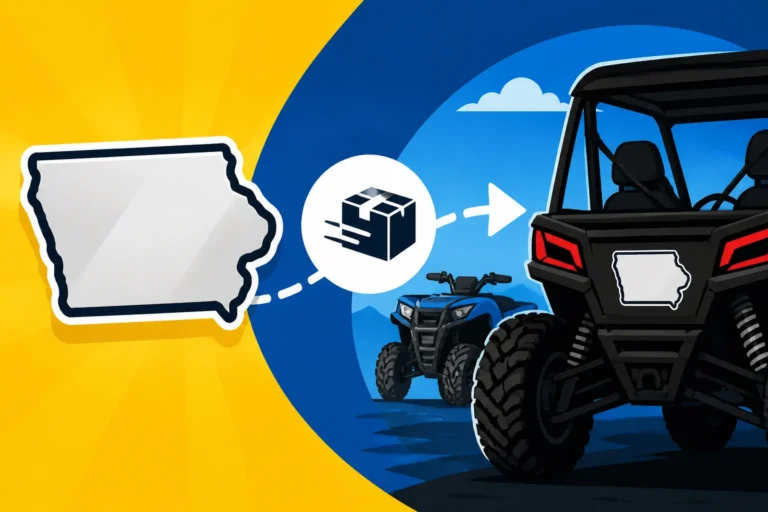
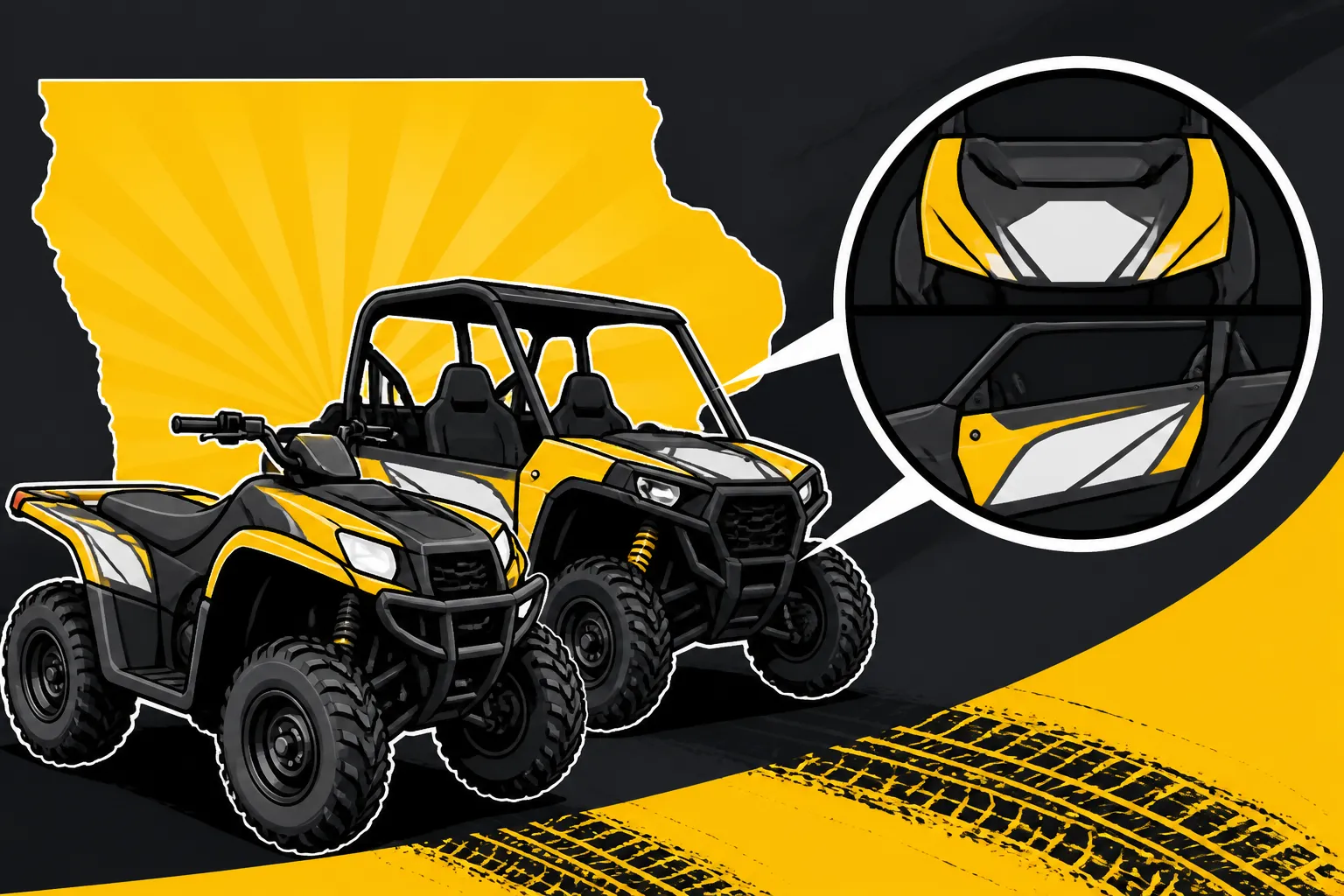
This is perhaps the most critical piece of information when it comes to your ATV or UTV decal: The Iowa decal must be affixed to the rear of the machine. This isn't just a recommendation; it's codified in state regulations. Specifically, Iowa Admin Code 571-46.7, which governs off-highway vehicles, clearly states that the registration decal should be mounted on the "rear of the off-highway vehicle." [Iowa Admin Code 571-46.7 and Decal Placement]
What does "rear of the machine" mean in practical terms? It means on the back fender, on the rear rack, or another clearly visible flat surface at the back of your ATV or UTV. The key is visibility. It should be easily seen and read by an officer approaching from behind your machine. Trying to place it on the front fender, a side panel, or tucked away under a seat is not going to cut it. The intent is to ensure that a conservation officer or sheriff's deputy can identify your machine's registration status as they observe it from the rear, particularly important in situations where they might be following you on a trail or road. Getting it right ensures a smooth interaction, allowing you to focus on the ride rather than worrying about compliance. [A Decal on the Rear of an Iowa Machine]
Practical Tips for Secure and Visible Placement
Once you know where to put it, the next step is ensuring it stays put and remains readable. Decals take a beating out in the elements – mud, sun, rain, and brush can all degrade them quickly.
Here are some tips for secure and visible decal placement:
- Clean the Surface Thoroughly: Before applying the decal, make sure the area is spotless. Wash off any dirt, grease, or old adhesive residue. A clean surface ensures maximum adhesion. Alcohol wipes can be great for this final cleaning step.
- Choose a Flat, Smooth Spot: While the regulation specifies "rear," pick the flattest, smoothest surface available on the rear of your machine. Avoid textured plastics, sharp curves, or areas prone to heavy abrasion.
- Apply Firmly and Smoothly: Peel off the backing and apply the decal, pressing firmly from one side to the other to avoid air bubbles. A credit card or squeegee can help smooth it out.
- Avoid Obstructions: Make sure no part of the decal is covered by accessories like cargo bags, toolboxes, or even heavy mud flaps. It needs to be fully visible at all times.
- Consider a Decal Protector: Some riders choose to apply a clear protective film over their decal to help extend its life against UV rays and physical wear. While not required, it can be a smart investment.
- Regularly Check Condition: Make it a habit to check your decal before each ride. Is it peeling? Is it faded? Is it still clearly legible? If not, it might be time for a replacement.
By following these simple steps, you can ensure your decal is not only legally placed but also durable enough to withstand the rigors of Iowa riding.
Common Decal Placement Mistakes and How to Avoid Them
It’s easy to make mistakes, especially when you’re excited to hit the trails or simply not entirely clear on the rules. But when it comes to your ATV or UTV decal, certain errors can land you in hot water. Understanding these common missteps can save you from unnecessary fines and frustration.
Front Placement Fallacies and Other Misconceptions
One of the most frequent mistakes riders make is placing the registration decal on the front of their ATV or UTV. While it might seem logical to some – perhaps mirroring a license plate on a car – this is incorrect for Iowa OHVs. The law explicitly states the rear of the machine. Placing it on the front, or even on a side panel, makes it difficult for enforcement officers to quickly verify your registration from the required vantage point. You might think, "Well, it's visible, so what's the big deal?" The big deal is that it doesn't meet the specific legal requirement for placement, and that can lead to a citation for an improperly displayed decal or even for operating an unregistered vehicle if the officer cannot easily confirm its status.
Other common misconceptions include:
- Under the Seat/In a Storage Box: Thinking it's safer from wear and tear there. Nope, it needs to be affixed and visible on the exterior.
- On the Helmet: Some riders might confuse it with a safety certification sticker or think it can go on their gear. Your helmet is for safety, your decal is for your machine.
- Laminated and Carried: While you should [Carrying the Certificate on an Iowa Ride], the decal itself needs to be physically on the machine, not carried separately.
Avoid these pitfalls by always returning to the core rule: rear of the machine, clearly visible. A moment of careful application can save you a world of trouble later on.
Dealing with Faded, Damaged, or Lost Decals
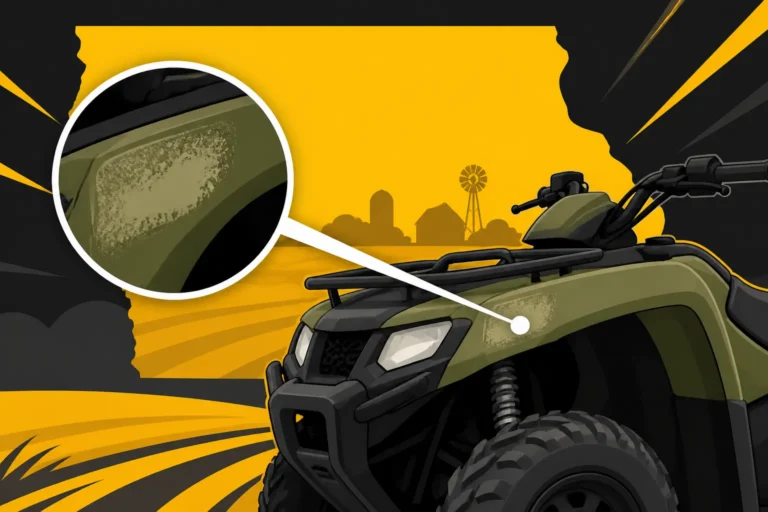
Over time, decals can succumb to the elements. Sunlight can fade them, mud and grit can scratch them, and sometimes they just plain fall off. An unreadable or missing decal is as problematic as a misplaced one. If your decal becomes faded to the point of illegibility, damaged, or completely lost, you need to address it promptly. Operating with a decal that cannot be read is essentially like operating without one.
Here’s what you should do:
- Recognize the Problem Early: Regularly inspect your decal. If you notice it's starting to fade or peel, don't wait until it's gone entirely.
- Order a Replacement: You can obtain a replacement decal through your county recorder's office, which is where you typically handle your OHV registration. There will be a small fee for this, but it’s far less than a ticket for non-compliance. It's usually a straightforward process. [Ordering a Replacement Decal From the Recorder]
- Apply the New Decal: Once you receive your replacement, apply it immediately, following the secure placement tips discussed earlier. Do not ride your machine on public land or designated trails until the new, legible decal is properly affixed.
It’s important to remember that ignorance isn't an excuse. Conservation officers and deputies are trained to look for these details. Keeping your decal in good condition and correctly displayed shows you're a responsible rider.
The Broader Implications of Proper Decal Display
Your decal isn't just a sticker; it's a critical component of your legal right to ride. The way you display it connects directly to how you interact with law enforcement and how you manage other essential aspects of OHV ownership. Understanding these broader implications can empower you to be a more informed and compliant rider.
Roadside Checks and Riding Area Enforcement
When you're out enjoying Iowa's trails or cruising down a gravel road, it's not uncommon to encounter law enforcement. Whether it's a conservation officer patrolling a state park or a sheriff's deputy on a county road, they have a job to do. One of the first things they'll look for is that registration decal. If it's correctly placed and clearly legible, it's often a quick nod of approval, and you're on your way.
However, if they can't easily see it, or if it's in the wrong spot, it can trigger a full roadside stop. During such a stop, the officer will likely ask to see your registration certificate (the paper document that accompanies your decal) and possibly proof of insurance if you're riding on public roads. [What an Iowa Deputy Checks Roadside] This is where your preparedness truly matters. A missing or improperly displayed decal can escalate a brief encounter into a more thorough investigation, potentially leading to questions about ownership, safety certifications, and more. Ensuring your decal is always visible and current simplifies these interactions dramatically, letting you spend more time riding and less time explaining.
Beyond the Decal: Other Essential Documentation
While the decal is highly visible and paramount for quick identification, it’s only one piece of the puzzle. You also need to carry your official registration certificate with you whenever you're operating your ATV or UTV. Think of the decal as the car's license plate, and the certificate as your driver's license – you need both. This certificate details your machine's information, your name, and the expiration date, serving as definitive proof of registration. [Carrying the Certificate on an Iowa Ride]
Additionally, if you bought your machine used, having a [An Iowa Bill of Sale for an ATV] can be crucial, especially if there are any questions about ownership or if you ever need to sell it yourself. While not required to carry on your person while riding, a properly executed bill of sale is a foundational document for any private vehicle transfer. Resources like LawDepot can provide excellent, legally sound templates for bills of sale, helping you ensure that your ownership transfer is clearly documented and compliant with state guidelines. This can be especially helpful if you're buying or selling a used ATV and want to ensure all the paperwork is in order beyond just the registration. For more detailed documentation needs, perhaps if you're forming an ATV club or needing specific legal agreements, exploring options with LawDepot can offer peace of mind. Keeping all your ownership and registration documents in order, whether physical or digital, is just good practice for any responsible OHV owner in Iowa.
By understanding these interwoven requirements – the decal, the certificate, and other supporting documents – you're not just complying with the law, you're becoming a more informed and prepared rider, ready for whatever adventures Iowa throws your way.
| Decal Placement Aspect | Correct Iowa Standard | Incorrect/Problematic Placement | Why It Matters |
|---|---|---|---|
| Location | Rear of the ATV/UTV (fender, rack, visible flat surface) | Front of machine, side panel, under seat, on helmet | Required for quick visual verification by law enforcement from behind. |
| Visibility | Clearly legible, unobstructed, free from mud/damage | Covered by gear, excessively faded, peeling, unreadable | If unreadable, it's effectively unregistered and can lead to a citation. |
| Adhesion | Firmly affixed, smooth, no air bubbles | Loose, peeling edges, hastily applied over dirt | Decal can fall off, become damaged, or be easily tampered with. |
| Condition | Current year, clean, intact | Expired, torn, scratched | An expired or damaged decal indicates non-compliance with registration rules. |
| Supporting Document | Registration certificate carried on the machine or person | Certificate left at home | Officers will ask for the physical certificate to verify ownership and details. |
Disclaimer
This article is for general informational purposes only and does not constitute professional advice. Laws, prices and regulations vary by location and change over time. Consult a qualified professional for guidance on your specific situation.