Iowa Trails With a Staging Lot
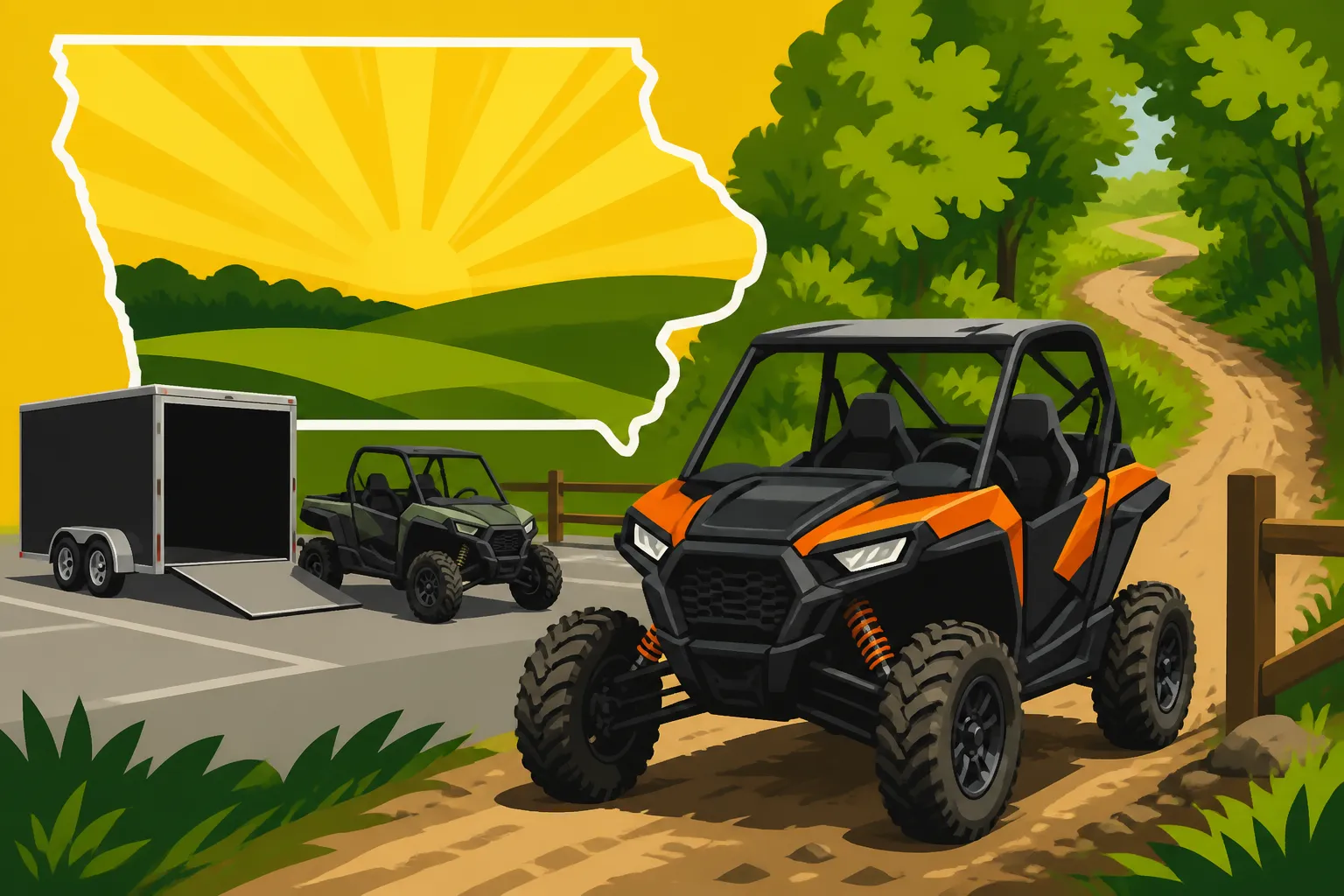
Finding a trail is only half the planning; the other half is figuring out where to park a truck and trailer, unload, and get onto the riding area without blocking anyone. Iowa has several established OHV parks with designated access and parking areas, but lot size, amenities, and trail conditions vary. This guide compares useful starting points and explains how to check a staging lot before you drive.
What to Look for in an Iowa ATV Staging Lot
A staging lot is more than somewhere to leave your vehicle. It is where you unload safely, organize helmets and gear, check your machine, and make sure you understand the park’s access rules before entering the trails. At a busy site, a cramped or muddy lot can change the whole day, especially if you arrive with a long trailer or several machines.
Parking space for trucks and trailers
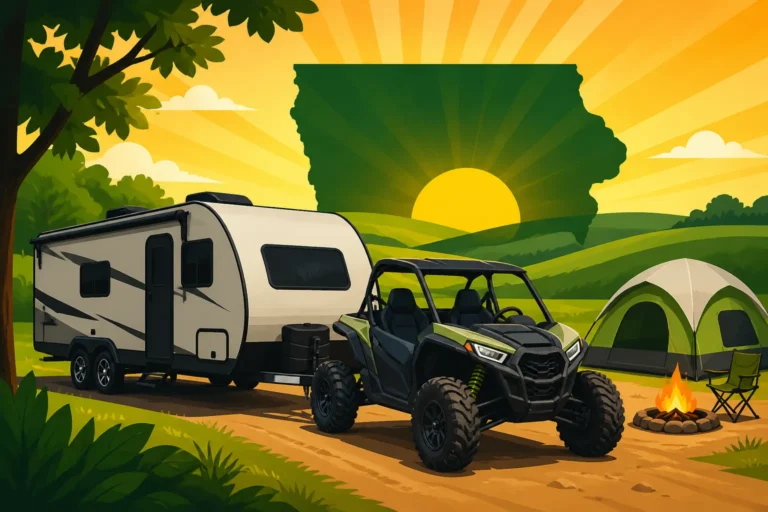
A standard parking space may be enough for a car and one ATV, but a tow rig and trailer need more room to turn, back up, and unload. If you are hauling two machines, traveling with a group, or bringing a full-size side-by-side, look for information about the parking area’s layout rather than assuming every trailhead can accommodate your setup.
Think through the arrival itself. Can you back the trailer into a space without blocking the access road? Is there room to lower a ramp and unload without putting a machine in the path of other riders? If the lot is crowded, would you be comfortable waiting or maneuvering in a tight space? These questions are especially useful for first-time visitors and riders towing a wider trailer.
Before leaving home, check the park’s current information and call the site or managing organization if you cannot tell whether the lot fits your vehicle. Ask specifically about trailers, overflow parking, and any restrictions on parking or overnight stays. For a broader look at planning your drive, see [Parking a Trailer at an Iowa Park Lot].
Amenities and the last mile of preparation
Some riders only need a safe place to unload. Others need a restroom, a place to regroup, or enough space to check tire pressure and secure loose gear. Amenities differ between parks, so don’t assume a staging lot has fuel, food, water, air, or repair supplies waiting nearby. Plan to arrive with the essentials already handled.
A simple pre-ride routine can prevent a frustrating start. Park clear of the entrance, unload only when there is room to do so, and keep tie-downs, ramps, and gear out of the travel lane. Before moving onto the trail, check that your machine is ready, your group knows where to meet if separated, and everyone understands the park’s posted rules.
For navigation, an app such as onX Offroad can help you review the general area and organize a route before you arrive. Treat digital maps as a planning aid, not a replacement for park signs or official trail maps. Download any available maps before heading out, since cell reception can vary by location and terrain.
Iowa OHV Parks to Consider for Staging and Trail Access
Iowa’s established OHV parks give riders several options across the state. Their parking areas and facilities are not identical, and the right choice depends on your route, the machines in your group, and the kind of ride you want. Confirm access arrangements before loading up, particularly after wet weather or when visiting during a busy weekend.
Gypsum City near Fort Dodge
Gypsum City OHV Park is a useful destination for riders traveling to the Fort Dodge area. Its size and variety of riding opportunities can make it attractive for a longer outing, but a larger park also makes it important to get oriented before leaving the staging area. Review the park map, identify the entrance and return point, and agree on a meeting place before your group spreads out.
If you are hauling multiple machines, consider the parking logistics as part of your plan. Arriving early can make unloading more comfortable, but always check the park’s opening information rather than relying on assumptions about gate hours. Riders planning an overnight trip can also review [Camping at an Iowa OHV Park] and [Iowa Trail Maps From the DNR] before deciding what to bring.
Bluff Creek, Lakeview, and other regional options
Bluff Creek OHV Park near Eddyville, Lakeview OHV Park near Solon, Nicholson-Ford OHV Park near Marshalltown, Rathbun OHV Area near Plano, and Paul Huting Recreation Area near Waterloo provide alternatives for riders in different parts of Iowa. A closer park may mean less time towing and more time riding, but distance alone shouldn’t decide the trip. Check whether the site suits your machine, experience level, and trailer setup.
| Riding area | General location | Staging-lot planning point |
|---|---|---|
| Gypsum City OHV Park | Near Fort Dodge | Review the park map and allow time to orient yourself before riding |
| Bluff Creek OHV Park | Near Eddyville | Check current access information and plan your arrival around the park’s rules |
| Lakeview OHV Park | Near Solon | Confirm the current lot and trail conditions before making the drive |
| Nicholson-Ford OHV Park | Near Marshalltown | Check that your trailer and vehicle setup will fit the available parking |
| Rathbun OHV Area | Near Plano | Check conditions and access before hauling a machine to the area |
| Paul Huting Recreation Area | Near Waterloo | Review the posted requirements and prepare for the site’s riding rules |
The table is a starting point, not a guarantee about lot capacity or amenities. A site may have a designated parking area but still be a poor match for a large trailer at a crowded time. For detailed destination planning, explore [Where to Ride an ATV in Iowa], [Iowa OHV Parks Near Cedar Rapids], or [Iowa OHV Parks Near Des Moines] if you are choosing among parks based on your starting point.
How to Check a Staging Lot Before You Go
A few minutes of checking can save a long, aggravating drive with a trailer in tow. Conditions and access can change, and the information you need may not be obvious from a general park listing. Verify the details that matter to your group rather than assuming that every Iowa OHV park has the same setup.
Use official information and call when details are unclear
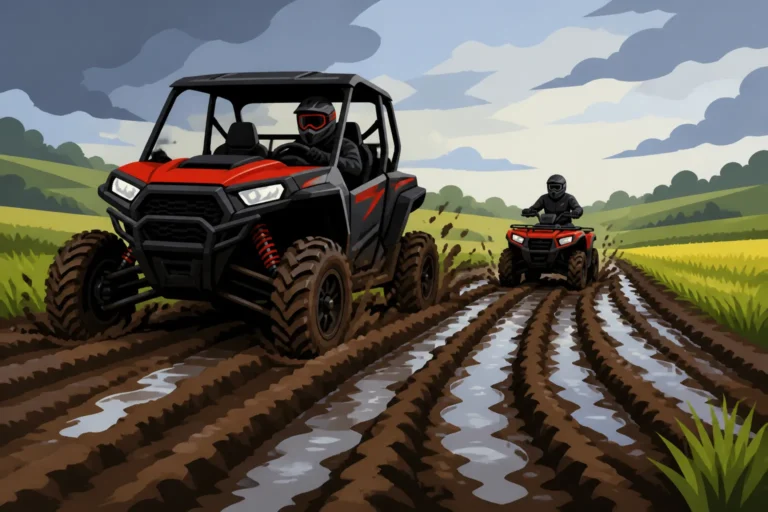
Start with the park’s official information and any trail or closure notices. Check whether the riding area is open, whether any trails are closed, and whether there are specific rules for machines, permits, or parking. Rain matters in Iowa: clay and soft ground can make riding conditions difficult and can contribute to trail closures. A trip that looked straightforward earlier in the week may need to be postponed after heavy weather.
If the online details don’t answer your questions, contact the park or managing organization. Ask whether the lot accommodates trailers, whether overflow parking is available, and whether there are restrictions on arriving early or leaving a vehicle overnight. If you’re going with a group, ask about any event or crowding that might affect parking. The most helpful question is often the practical one: “Can I bring a truck and trailer of this size and unload there?”
Use onX Offroad or another digital mapping tool to help you visualize the drive and organize your route, but cross-check its information against official park guidance. The app may help you prepare for the general area, while the park’s signs and posted notices determine where you may ride and park. For last-minute changes, [Iowa Trail Conditions Before You Ride] and [Iowa Trail Closures to Check First] are useful planning topics.
Pack for a self-sufficient arrival
Do not count on finding fuel, food, tools, or supplies at the trailhead. Fill up before you turn toward a rural park, bring drinking water, and carry the basic gear needed for your machine and group. If your ride depends on a phone for navigation, charge it fully and bring a backup power source. Save maps for offline use where possible, and keep a paper or downloaded park map available as a fallback.
It also helps to organize the trailer before you arrive. Keep ramps, tie-downs, helmets, and riding gear accessible instead of buried under cargo. A small tool kit, tire gauge, first-aid supplies, and a way to manage minor machine problems can spare you from ending the outing early. Pack out trash and avoid leaving equipment or vehicles where they interfere with other riders or park staff.
For a family outing, build in extra time for unloading and safety checks. Make sure younger riders know where the adults will wait and what to do if they become separated. Check age and supervision requirements before the trip, and review [Iowa ATV Safety Certificate Requirements] if a young rider in your group may need a certificate.
A Practical Arrival Plan for Riders and Groups
Even a good staging area can feel chaotic if everyone arrives at once and starts unloading without a plan. A simple sequence keeps vehicles moving, reduces confusion, and gives the group a chance to check the rules before heading out.
Follow a consistent unload-and-ride routine
Use this sequence when you arrive:
- Check the entrance and posted notices. Confirm the site is open and note any closures or special instructions.
- Park fully within the designated area. Keep access lanes and other parking spaces clear.
- Unload safely. Use ramps on stable ground, and keep people clear of moving machines and trailer traffic.
- Secure your vehicle and trailer. Put away ramps and tie-downs so they do not create a hazard.
- Review the map and route. Agree on a destination, turnaround point, and meeting place.
- Do a quick equipment check. Look over tires, controls, lights where needed, and protective gear.
- Ride only where permitted. Follow posted signs and stay on designated routes.
If the group has riders with different experience levels, agree on a pace and a regrouping routine. A rider who knows the park well should not assume everyone else can follow without stopping to check the map. Apps such as onX Offroad can help a group discuss the general route beforehand, but no one should treat a phone screen as permission to leave marked trails.
Have a backup plan for crowds or closures
A staging lot can fill up, and a trail can close after rain. Decide before departure what you will do if the selected park is unavailable or unsuitable for your trailer. A second park within reasonable driving distance may be a better option than waiting in a packed lot or trying to improvise at an unfamiliar entrance.
Check your backup choice before you leave, too. Confirm that it is open, that your machines meet its rules, and that its parking arrangement works for your vehicle. If you are riding a side-by-side, pay attention to width limits and other posted requirements rather than assuming every trail is designed for a full-size machine. Related planning guides include [Iowa Trails for a Wide Machine] and [Iowa Trail Difficulty Ratings].
A little flexibility takes pressure off the day. If the lot is busy, wait until you can unload safely rather than squeezing into a poor spot. If trail conditions look unsuitable, postponing is better than damaging the trail or getting stuck far from the staging area. Your best ride is the one that starts with a workable parking plan and ends with everyone, every machine, and every trailer accounted for.
Disclaimer
This article is for general informational purposes only and does not constitute professional advice. Laws, prices and regulations vary by location and change over time. Consult a qualified professional for guidance on your specific situation.