Iowa ATV Registration Transfer
When you're trying to sell your beloved ATV or UTV in Iowa, or you've just bought one from a private seller, one of the biggest headaches can be figuring out how to properly transfer the registration. It often feels like you're navigating a maze of paperwork and rules, and nobody wants to get caught riding a machine that isn't legally theirs, or worse, still be responsible for a machine they thought they sold. This guide is here to walk you through the entire process of an Iowa ATV registration transfer, making sure you understand every step, from the seller's responsibilities to the buyer's obligations, so you can ride with peace of mind.
Understanding the Basics of ATV Registration Transfer in Iowa
Transferring an ATV or UTV registration in Iowa isn't just a formality; it's a legal requirement that protects both the buyer and the seller. Without a proper transfer, ownership can remain ambiguous, leading to all sorts of complications down the road, from legal liabilities to unexpected fees. Iowa's system is designed to track these off-highway vehicles, and the county recorder's office plays a central role in making sure everything is above board.
When a Transfer is Necessary
So, when exactly does this transfer magic need to happen? Almost every time an ATV or UTV changes hands. Whether you're selling your well-loved quad to a friend, trading it in at a dealership, or inheriting a machine from a family member, the registration needs to follow the new owner. The only real exception to registration is for machines used exclusively as an [Implement of Husbandry Exemption in Iowa], but even then, if it ever touches public land, including roads or designated trails, it absolutely needs to be properly registered and transferred.
Imagine you've just sold your ATV to a neighbor. You shook hands, exchanged cash, and they rode off. A month later, you get a notice about a parking violation at an OHV park, or worse, an accident report involving "your" ATV. This is precisely why a proper transfer is crucial. Until the registration is formally updated, the state may still consider you the owner, and that means potential liability for anything that happens with that machine. It’s a bit like selling a car – you wouldn't just hand over the keys without making sure the title and registration were correctly transferred, right? The same diligence applies to your off-highway vehicles.
The Role of the County Recorder
In Iowa, the county recorder's office is your go-to hub for all things related to ATV and UTV registration and titling. Unlike some states where the DMV handles everything, Iowa delegates this specific responsibility to the local county recorder. This is important to remember because it means you won't be heading to the Department of Transportation or a typical driver's license bureau for this process. Instead, you'll visit the county recorder's office in the county where the new owner resides, or if purchased from a dealer, where the dealer is located.
Each of Iowa's 99 counties has a recorder's office, and while the process is generally uniform, specific hours or local nuances might vary slightly. They are the ones who will process your paperwork, collect any necessary fees and taxes, and ultimately issue the new registration and decal to the buyer. Think of them as the gatekeepers of ATV ownership records in Iowa. They're there to ensure that every machine on the trails and public lands is properly accounted for, helping to fund trail maintenance and safety initiatives through the fees they collect. For more on where to go, check out [Registering at an Iowa County Recorder].
The Essential Documents for Transferring an Iowa ATV Registration
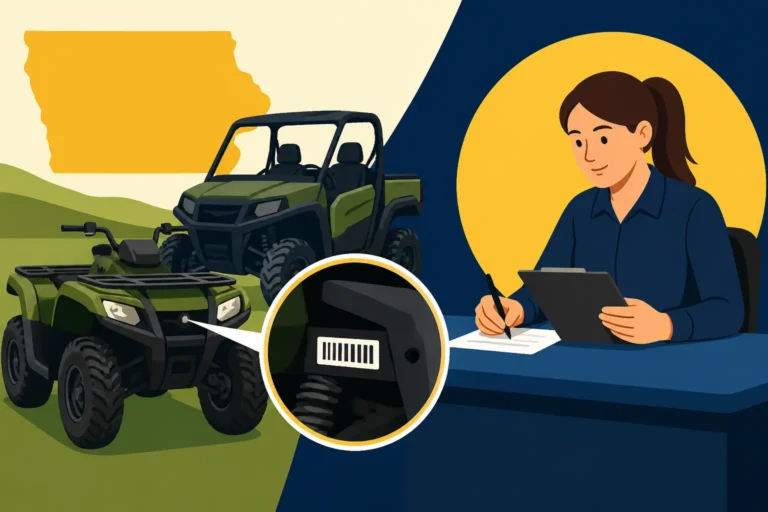
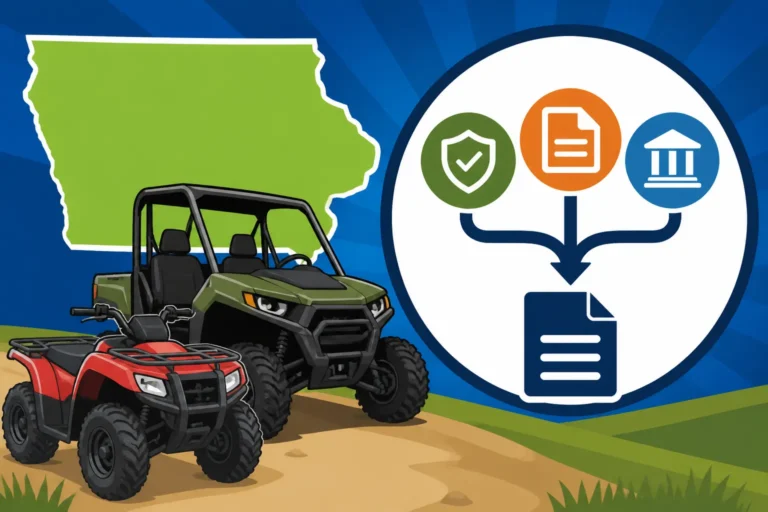
Alright, let's talk paperwork – often the most daunting part of any transfer process. Having all your ducks in a row before you head to the county recorder's office can save you a ton of time and frustration. Missing just one crucial document can send you home empty-handed, delaying your ability to legally ride or sell. There are two primary documents that are absolutely indispensable for an ATV registration transfer in Iowa: the certificate of title and the bill of sale.
The Importance of the Title
The certificate of title is arguably the most important document in the entire transfer process. It's the legal proof of ownership for your ATV or UTV. Without a properly endorsed title, you simply cannot transfer ownership in Iowa. When you sell a machine, the seller must sign the existing title to release their ownership and effectively "transfer" it to the buyer. This usually happens on the back of the title, where there's a section for seller and buyer information, odometer readings (if applicable, though less common for ATVs), and sale price.
Iowa requires that [Titling an ATV in Iowa] is done for every machine that is transferred, ensuring a clear chain of ownership. If you're the seller and you can't find your title, you'll need to apply for a duplicate title before you can sell the machine. This can add a few days or even a couple of weeks to the process, so it's always wise to locate your title well in advance if you're planning to sell. A buyer should never purchase an ATV without receiving a properly signed title from the seller. It’s a huge red flag if a seller claims they don’t have one or can’t provide it. You can learn more about what Iowa expects by reading [Iowa ATV Title Requirements].
The Bill of Sale and Its Details
While the title handles the legal transfer of ownership, a bill of sale provides crucial details about the transaction itself. It's essentially a receipt and a contract rolled into one, documenting the sale price, date of sale, and identifying information for both the buyer and the seller, as well as the ATV itself (make, model, VIN/serial number). Even though Iowa's county recorders will ask for the purchase price to calculate sales tax, having a formal bill of sale protects both parties. For instance, if there's ever a dispute about the sale price, a written bill of sale provides concrete evidence.
Many people wonder if a bill of sale is legally required in Iowa for an ATV transfer. While the county recorder primarily focuses on the title for ownership transfer, a comprehensive bill of sale is highly recommended. It details the terms, such as "sold as-is," which can protect the seller from future claims about the machine's condition. For the buyer, it proves the purchase price, which is essential for calculating [Iowa ATV Sales Tax on a Private Sale]. You can find generic templates online, or for a more robust, legally sound document, services like LawDepot offer customizable [An Iowa Bill of Sale for an ATV] templates that can be tailored to your specific situation, ensuring all necessary details are included and protecting both parties. Having this document can make the entire process smoother and provide peace of mind.
Step-by-Step Process for Transferring Your ATV Registration
Transferring an ATV registration doesn't have to be a bewildering experience. By breaking it down into clear steps for both the seller and the buyer, you can navigate the process efficiently and avoid common pitfalls. Remember, good communication between buyer and seller is key to a smooth transfer.
What the Seller Needs to Do
As the seller, your primary responsibility is to legally release ownership of the ATV or UTV to the buyer. This isn't just a courtesy; it's vital for your liability protection. The very first thing you need to do is locate the original certificate of title for the machine. Seriously, if you can't find it, stop everything and apply for an [Iowa's $8.50 Duplicate Title Fee] through your county recorder's office immediately, because you absolutely cannot proceed without it. Once you have the title, you’ll sign it over to the new owner in the designated section, typically on the back. Make sure to accurately fill in the buyer’s name and address, the sale date, and the purchase price.
Next, it's highly recommended to prepare a detailed bill of sale. This document should include the ATV's make, model, year, and its Vehicle Identification Number (VIN) or serial number. It should also clearly state the sale price, the date of sale, and the full names and addresses of both the buyer and seller. You and the buyer should both sign and date two copies of this bill of sale, one for each of you to keep. This isn't just about good record-keeping; it's about protecting yourself. For example, if you use a service like LawDepot, you can generate a professional, Iowa-specific bill of sale that clearly outlines the terms, which can be invaluable if any questions arise later. Once the title is signed over and the bill of sale is complete, you've done your part! The machine is officially out of your hands, and the buyer takes over from there. You can get more details on selling by reading [Selling an ATV in Iowa].
What the Buyer Needs to Do
For the buyer, the journey begins immediately after shaking hands with the seller and receiving the signed title and bill of sale. Your most urgent task is to get that ATV or UTV registered in your name. In Iowa, you have to complete this transfer at your local county recorder's office. You'll need to bring several key items with you: the signed-over certificate of title from the seller, the bill of sale (which serves as proof of purchase and helps determine sales tax), and a valid form of identification.
At the recorder's office, you'll fill out an application for a new title and registration. The staff will verify the paperwork, collect the required fees for titling and registration, and charge you the applicable Iowa sales tax on the purchase price (generally 7% in most counties, combining the state and local option sales tax). You'll typically pay a [Iowa ATV Title Cost] and an [Iowa ATV Registration Cost]. Once processed, you'll receive your new registration certificate and the registration decal, which you'll need to affix to your machine. For specific guidance on the exact forms, see [Iowa ATV Registration Paperwork]. It's crucial not to delay this step. Riding an ATV that's still registered in the previous owner's name can lead to fines and legal complications, especially if you're involved in an accident or pulled over by law enforcement. Think of it as your green light to hit the trails legally!
Handling Special Circumstances
Sometimes, the transfer isn't as straightforward as a private sale with a perfectly intact title. Life throws curveballs, and the process needs to adapt. What if you're dealing with a lost title? As mentioned, the seller must apply for a duplicate title before the transfer can occur. This is a separate process with its own fee, and it adds time. The recorder's office won't process a transfer without a valid, original (or duplicate) title in hand. So, if you're a buyer, and a seller mentions a lost title, be prepared for a delay while they sort that out.
Another common special circumstance is an inherited machine. If an ATV or UTV is part of an estate, the transfer process might require additional documentation, such as a death certificate, letters of administration, or a court order, depending on the complexity of the estate. The person legally authorized to act on behalf of the estate (the executor or administrator) will typically be the one to sign the title over to the heir. This ensures that the transfer is legally sound. For more specific information, you can always contact your county recorder or refer to [Registering an Inherited Machine in Iowa]. Each of these situations requires a bit more legwork but ultimately follows the same principle: clear, documented proof of ownership is paramount for a successful transfer.
Common Pitfalls and How to Avoid Them
Even with the best intentions, transferring an ATV registration can hit snags. Knowing what these common pitfalls are ahead of time can help you steer clear of them and ensure a smooth, worry-free process. A little foresight can save you a lot of grief.
Missing Paperwork Headaches
The single biggest headache in ATV registration transfer is almost always missing or incomplete paperwork. Picture this: you drive all the way to the county recorder's office, wait in line, and when it's your turn, you realize you forgot the bill of sale, or the seller didn't sign the title in the right spot. It's frustrating for everyone involved, and it means you'll have to go home, rectify the issue, and come back. This can be especially annoying if you live a good distance from the county seat.
To avoid this, make a checklist of everything you need before you leave. For sellers, that means the original title, fully signed and dated, and your copy of the bill of sale. For buyers, bring the signed title, your copy of the bill of sale, your ID, and funds for fees and taxes. Double-check all signatures and dates. If you’re unsure, call your county recorder’s office beforehand to confirm their specific requirements or check their website. They are usually very helpful and can guide you on what [Iowa ATV Registration Paperwork] you'll need. Using a reliable template from a source like LawDepot for your bill of sale can also help ensure all necessary fields are included and properly filled out, reducing the chance of rejection due to incomplete information.
Understanding Fees and Taxes
Another area where people often get tripped up is the cost involved. Many buyers assume they just pay the sale price and that's it, not realizing there are additional fees and taxes to consider. In Iowa, when you transfer an ATV registration, you'll be responsible for several charges. First, there's the sales tax. As mentioned, Iowa applies a state sales tax (usually 6%) plus any applicable local option sales tax (often 1%), bringing the total to 7% in many areas. This tax is calculated based on the purchase price listed on your bill of sale, so be honest!
Beyond sales tax, you'll pay a fee for the new title (currently [Iowa ATV Title Cost]), and then the annual registration fee (which includes several smaller charges, leading to the [Iowa ATV Registration Cost]). If there's a lien on the machine (for example, if you financed it), there will also be a lien notation fee. These costs add up, so it's important to budget for them when you're considering purchasing a used ATV. Don't be caught off guard; factor these governmental charges into your overall purchase price. Knowing all the costs upfront will save you from an unpleasant surprise at the counter.
Disclaimer
This article is for general informational purposes only and does not constitute professional advice. Laws, prices and regulations vary by location and change over time. Consult a qualified professional for guidance on your specific situation.